
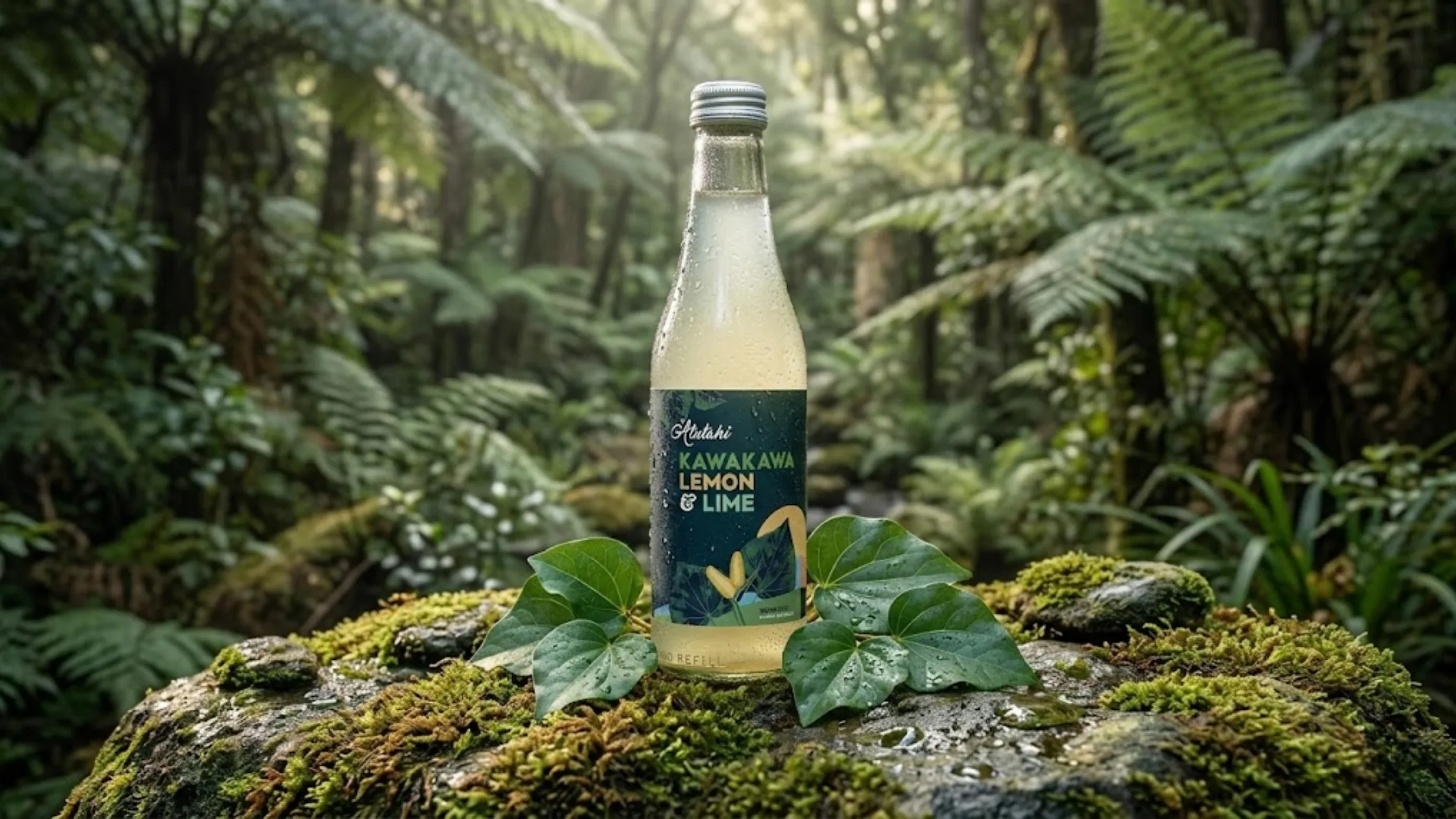
Picture yourself walking into a pristine green forest where every single leaf holds a secret to vibrant health. Long before modern chemist shops existed, the indigenous people of New Zealand looked to the bush to keep their bodies strong and balanced. Today more people want clean, simple and natural ways to look after their physical health. Turning to traditional New Zealand native herbs is a wonderful way to find that balance.
By exploring these time-tested solutions, you can find simple ways to boost your immunity and soothe your stomach. Let us take a close look at how these extraordinary plants can transform your everyday wellness routine.
Key Takeaways
- Natural Healing: Rongoā Māori plants offer time-tested and holistic ways to care for your body and mind.
- Targeted Benefits: Native herbs like kawakawa support digestion while kūmarahou helps clear your airways.
- Modern Wellness: Traditional botanicals are now available in clean and low-sugar drinks to support easy daily health.
- Cultural Respect: When you incorporate these herbs you stay connected to the land and honour indigenous wisdom.
What Are Rongoā Māori Plants?
Understanding Traditional Māori Healing Practices
Rongoā Māori is the traditional healing system of the Māori people. It is a beautiful and holistic way to look at health. Holistic means looking at the whole person, not just a single ache or pain. This practice teaches that your mind, your spirit, your family, and your body are all woven together. Healers use native plants alongside quiet reflection and deep respect for the land to bring the body back into its natural state of harmony.
The Role of Māori Medicine in Modern Wellness
In our fast-moving world, many of us feel disconnected from nature. Modern wellness is rediscovering how māori medicine plants can help us slow down and heal. Instead of using artificial chemicals, people use these ancient remedies to care for their bodies . This old wisdom fits into our modern lives by offering clean, plant-based ways to feel refreshed and strong every single day.
Why Māori Medicinal Plants Are Gaining Popularity Today
People everywhere are searching for low-sugar natural drink alternatives that do more than just quench thirst. They want drinks that offer real health benefits. Because maori medicinal plants are packed with natural goodness, they are becoming the top choice for health-conscious individuals. These ancient plants give us a simple way to protect our wellbeing without any artificial additives.
Why New Zealand Native Herbs Are Used for Daily Health
The Connection Between Nature and Māori Wellbeing
To understand rongoa plants, you must look at how Māori view the forest. The land is seen as a living parent that provides food, shelter and remedy. When you care for the land, the land cares for you. Drinking infusions made from these native trees creates a direct link between your body and the pure untouched energy of New Zealand’s wilderness.
Benefits of Medicinal Plants NZ for Everyday Wellness
New Zealand’s distinctive climate pushes native trees to develop very strong defenses to survive. These defenses transform into powerful nutrients inside the leaves. When we consume these medicinal plants nz, we get to enjoy those exact same protective benefits. They help our bodies adapt to daily stress and keep our energy levels stable from morning until night.
How Native Herbs Support Digestion, Immunity, and Balance
Everyday life can have a heavy impact on our stomachs and immune systems. The natural compounds found in new zealand native herbs work quietly inside your body to support your organs. Some help your stomach break down food while others act like a natural shield against winter bugs. They work with your body rather than forcing it to create true inner balance.
Kawakawa – The Most Recognized Māori Medicine Plant
What Is Kawakawa?
Kawakawa is one of the most famous and recognized plants in New Zealand. You can spot it by its gorgeous bright green leaves that look like hearts. Quite often you will see tiny holes in the leaves. These holes are made by the looper caterpillar. Traditional knowledge tells us that the leaves with the most caterpillar holes hold the most powerful properties to heal.
Traditional Uses of Kawakawa in Rongoā Māori
For generations, elders have used kawakawa as a reliable maori medicine to address many common problems. People picked the leaves and made comforting warm drinks to settle upset bellies or chewed them to ease a nasty toothache. It was also used in warm baths for soothing itchy dry skin and helping tired muscles relax after a long day of hard work.
Modern Research and Potential Health Benefits
Today modern science proves what traditional healers have always known. Scientific studies show that kawakawa is full of special bio-active compounds that reduce swelling and fight off harmful microbes. This leads to fantastic results for calming an irritated digestive tract and reducing inflammation inside the body, which makes it a true superstar for daily vitality.
How to Use Kawakawa in Daily Drinks and Wellness Routines
It is simple to make this ancient herb part of your contemporary life. You can enjoy it as a crisp refreshing sparkling beverage during your afternoon break. To have a delightful taste experience, try a chilled Atutahi Kawakawa Lemon and Lime. It gives you all the traditional stomach-soothing benefits with a bright zesty twist and no added sugar.
Kūmarahou – The Traditional Lung-Cleansing Rongoa Plant
History of Kūmarahou in Māori Medicine
Kūmarahou is a lovely native shrub that bursts into stunning bright yellow flowers when spring arrives. Early European settlers called it ‘Gumdigger’s Soap’ because if you rub the golden flowers together with a little bit of water, they lather up into a natural soothing soap. But Māori healers always found its true value on the inside.
Respiratory and Immune Support Benefits
This plant is most famous for being a powerful friend to your lungs. It contains natural substances called saponins, which act like a gentle brush for your airways. Kūmarahou helps to loosen thick mucus, calms a tight chest and makes it much easier to breathe . It also supports your body’s immune system when you are trying to shake off a stubborn winter cold.
Why Kūmarahou Is Used in Functional Wellness Drinks
Because it has a bitter taste, creating a traditional brew can be tricky to drink raw. That is why finding it blended into a delicious ready-to-sip beverage is so helpful. Choosing a balanced mix like Atutahi Kūmarahou Lemon and Lime lets you enjoy all the lung-cleansing goodness in a smooth enjoyable way every day.
Horopito – One of New Zealand’s Most Powerful Medicinal Plants
What Makes Horopito Unique?
Horopito is often called the New Zealand pepper tree because of its incredible spicy taste. It is an ancient plant that has lived on Earth for millions of years. You can recognize it by its striking green leaves that look like they have been splashed with bright red paint. That bold red color is a clever shield that has a protective effect on the plant against intense sunlight and hungry bugs.
Antifungal and Antimicrobial Properties
The secret power of horopito comes from a special natural chemical called polygodial. This compound has a fierce defense against bad fungi and unwanted bacteria. For hundreds of years, it was used to heal skin conditions or drunk as a tonic to clear out harmful bugs from the body making it one of the most protective new zealand medicinal plants.
How Horopito Supports Digestive Health
If you often suffer from bloating, a heavy stomach, or an unbalanced gut, horopito can offer wonderful relief. It calms down overgrowths of bad yeast in your digestive tract and gets your stomach juices moving . To experience this spicy defender in a delicious way, you can enjoy an Atutahi Horopito Blackcurrant and Boysenberry drink to soothe your gut while treating your tastebuds.
Kānuka – The Overlooked New Zealand Medicinal Plant
Kānuka vs Mānuka: What’s the Difference?
Many people have heard of mānuka but kānuka is its beautiful taller sibling that deserves just as much attention. While mānuka stays quite short, kānuka trees can grow into magnificent forest giants. Kānuka leaves have a sweet pleasant scent and the tree produces tiny white flowers that look like a dusting of fresh snow across the forest canopy in summer.
Traditional Māori Uses of Kānuka
Māori communities used the hard wood of the kānuka tree to create sturdy tools and weapons. They also boiled the soft leaves and bark to make a healing liquid. This liquid was used to reduce painful swelling in joints, clean out surface wounds, and create a calming vapor to breathe in when someone was feeling unwell.
Benefits for Skin, Respiratory Health, and Immunity
Modern wellness experts love kānuka because it is loaded with natural oil compounds that fight off inflammation. Drinking or using extracts from this plant helps to calm irritated skin from the inside out. What’s more, it works to clear out your nose and throat giving your immune system a helpful natural lift when you are feeling tired.
Harakeke – The Native Herb Supporting Gut Health
Traditional Significance of Harakeke in Māori Culture
Harakeke, which is often called New Zealand flax, is one of the most important plants in Māori culture. It represents the family unit where the outer leaves protect the delicate young shoot growing in the absolute center. It was used to weave everything from strong clothing and warm mats to sturdy fishing nets, which made it essential for everyday survival.
Medicinal Uses of New Zealand Flax
Beyond its uses for weaving, harakeke is an incredible nz native herbs champion for health. Healers used the sticky clear gel found at the very base of the leaves to soothe sunburns and heal cuts. The roots were also boiled to create a gentle effective remedy for stubborn constipation and to balance out an unhappy digestive system.
Gut Health and Natural Hydration Benefits
The root extracts of harakeke are rich in cooling soothing properties that coat and protect your stomach lining. This makes it excellent to reduce irritation in your digestive system. It also helps your body retain water and ensures your cells stay hydrated and your digestion keeps moving and every day.

Why Māori Plants Are Becoming Popular in Modern Functional Beverages
Growing Interest in Natural Wellness Alternatives
More than ever, we want to know what we are putting into our bodies. People are moving away from synthetic energy drinks and chemical supplements. Instead, they want honest simple ingredients that come straight from the earth. Functional beverages made from native plants give us a clean way to support our busy lifestyles .
The Rise of Indigenous New Zealand Botanicals
There is a growing global respect for indigenous knowledge and the incredible power of New Zealand’s forests. People love that these drinks carry a rich story and a deep connection to culture. Drinking these botanicals is not just about physical health; it is about honoring traditional wisdom and protecting our beautiful native environment for the future.
Benefits of Low-Sugar Botanical Drinks
Many commercial drinks are packed full of artificial sweeteners or heaps of white sugar, which can upset your stomach and cause energy crashes. Crafted native drinks focus on the true earthy flavors of the herbs enhanced with a touch of natural fruit juice. This gives you a clean crisp taste that keeps your body feeling light, hydrated and energized.
How to Incorporate Māori Medicinal Plants Into Your Daily Routine
Herbal Teas and Infusions
A traditional way to enjoy these plants is to steep dried leaves in hot water. Sipping a warm cup of herbal tea in the evening is a quiet ritual to help your mind unwind. The heat releases the gentle oils of the leaves and fills your kitchen with the calming woody scents of the New Zealand bush.
Functional Sparkling Drinks
If you lead a busy life, you might want a quick and easy option while you are on the go. Keeping a chilled bottle of a botanical sparkling blend in your bag is perfect. It gives you a bubbly refreshing treat during a hectic workday while delivering a powerful dose of traditional wellness to your body.
Daily Wellness Habits Inspired by Rongoā Māori
Caring for your body is about more than just what you consume. You can take inspiration from rongoā by taking a moment to breathe, showing gratitude for your food, and spending time outside under the trees. These peaceful habits paired with pure plant drinks create a beautiful lifestyle of true health and happiness.
Final Thoughts on Māori Medicine Plants and Everyday Wellness
Honouring Traditional Knowledge Through Daily Wellness Choices
Every time you choose a remedy that comes straight from a native plant, you make a beautiful choice for your body and your heritage. You step away from artificial processing and move closer to the natural rhythms of the earth. This is a simple yet powerful way to keep yourself healthy while keeping ancient stories alive.
Experience the Benefits of Authentic Māori Botanicals
Discover the power of traditional Rongoā Māori plants through Atutahi’s range of native botanical drinks. Whether you’re after support for digestion, immunity, respiratory health, or overall wellbeing, our crafted beverages combine Māori wisdom with modern wellness. Explore our collection today and make New Zealand native herbs part of your daily routine.
Shop Native Botanical Drinks
Learn More About Māori Medicinal Plants
Join the Atutahi Wellness Community
Frequently Asked Questions
What are the most common Māori medicinal plants?
The most common Māori medicinal plants are kawakawa, kūmarahou, horopito, kānuka, and harakeke. Each plant has a unique role in rongoā Māori (traditional healing). Take kawakawa, for example—it’s loved to soothe digestion and skin, while kūmarahou is used to clear the lungs. These native herbs have supported the health and strength of New Zealand communities for hundreds of years.
Is Kawakawa safe to consume?
Yes, kawakawa is safe and helpful to consume for most people. In traditional practices, people drink it as a warm tea or a refreshing cold beverage to support gut health and reduce inflammation. It has a gentle warming effect on the stomach. Choosing a natural low-sugar drink makes it easy to enjoy the balancing properties of this native plant as part of your regular wellness routine.
What is the difference between Māori medicine and herbal medicine?
Māori medicine known as rongoā Māori, is a holistic system of healing. It is not just about using plants for physical symptoms. It connects spiritual health (taha wairua) mental health, family, and physical wellbeing with the land. Standard herbal medicine looks at the chemical benefits of a plant, while rongoā Māori honors the living connection between people and nature.
Which New Zealand native herbs support immunity?
Kūmarahou and kānuka are two top New Zealand native herbs that support your immune system. Kūmarahou contains natural plant compounds called saponins, which help soothe the respiratory tract and clear the lungs. Kānuka provides strong antimicrobial properties that help defend the body against bugs. Drinking these botanicals is an excellent natural way to keep your body resilient.
Are rongoa plants studied?
Yes, rongoā plants are studied by modern scientists. Researchers examine New Zealand medicinal plants to find out why they work so well. So studies confirm that kawakawa has anti-inflammatory properties and horopito contains polygodial, which fights fungi and bad bacteria. This science supports the deep traditional knowledge that Māori healers have shared for generations.
Where can I find authentic Māori botanical products?
You can find authentic Māori botanical products through dedicated local creators who respect traditional knowledge. Atutahi crafts high-quality low-sugar beverages using sourced native New Zealand herbs like kawakawa and kūmarahou. By choosing brands that honour traditional rongoā practices, you get a true taste of indigenous wellness while supporting the protection of native forests.