

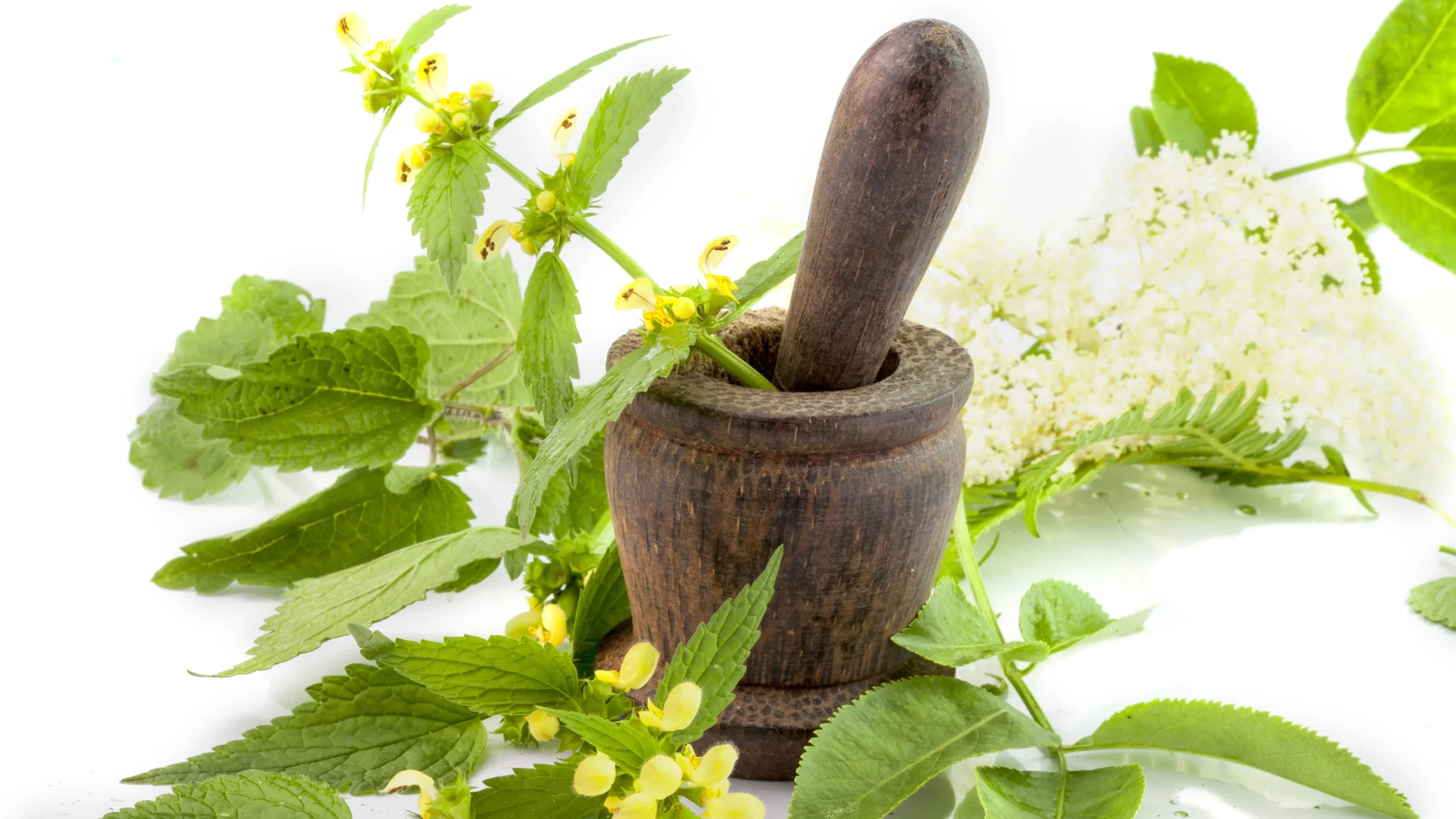
The rise in interest in functional wellness drinks made with traditional ingredients
Close your eyes and imagine sipping on a drink that tastes crisp and refreshing — and yet carries echoes of ancient forest wisdom. A drink steeped in native botanicals that Māori healers once used. A wellness beverage that feels deeply local, yet modern in its appeal.
Across New Zealand, more people are reaching for Māori herbal drinks. What was once niche or ceremonial is now becoming mainstream. For health-aware Kiwis, the shift isn’t just about flavour — it’s about reconnecting with NZ wellness beverages rooted in ancestral knowledge and functional benefit.
At Atutahi, we believe this is more than a trend — it’s a movement. We are passionate about blending the potency of native botanicals (such as kawakawa, kūmarahou, horopito) into approachable, low-sugar elixirs. We tap into rongoā (Māori healing) traditions, crafting drinks that are not only enjoyable, but purposeful. (See more about our principles under What We Value.)
In this post, we’ll explore why New Zealanders are switching, how these functional herbal drinks work, and why Atutahi is uniquely placed in this renaissance — then show you how to join the movement.
A. Why the shift is happening
- From gimmicks to genuine function
Wellness consumers today don’t just want something that looks pretty — they want a beverage with purpose. That’s why functional wellness drinks — beverages with active health benefits beyond hydration — are rising fast. In NZ, Māori-inspired botanicals are becoming sources of compelling stories and credible benefits. Iwi-owned brands blending taonga species are already winning support and investment. - Cultural resurgence and identity
In recent decades, Māori traditions, language, and practices (including rongoā Māori) have seen a powerful revival. The use of native plants in food, drink and health is part of reclaiming cultural identity. In that light, choosing Māori herbal drinks is also a way for consumers to connect to place, whakapapa, and wellness rooted in the land. - A demand for local, low-sugar, transparent options
Traditional soft drinks often come with heavy sugar or artificial ingredients. Many wellness-seekers now scrutinise ingredients, choose local sources, and seek NZ wellness beverages that are honest, small-batch, and sustainably made. Atutahi positions itself as “born from a desire to create low-sugar natural drinks.” - Science catches up to tradition
Indigenous plants long used in Māori rongoā are being re-examined through research. For instance, horopito (Pseudowintera colorata) has documented antibacterial and anti-fungal properties, historically used in Māori medicine for internal and external applications. Meanwhile, kūmarahou is known traditionally for respiratory support and skin health.
These emerging correlations of traditional wisdom and modern science give herbal drinks more credibility in the wellness market.
B. What makes a Māori herbal drink “functional”?
A Māori herbal drink is more than “herbal flavour + soda.” To be functional, it should:
- Include botanicals with recognized (or plausible) bioactivity (anti-inflammatory, antimicrobial, digestive support, etc.).
- Use whole-plant preparations or extracts that respect integrity, not just isolated compounds.
- Be crafted with care — from sourcing to processing — so that potency is maintained.
- Offer a low sugar profile (or sugar-free options) so the functional benefits are not undermined by added sugars.
- Be transparently labelled, with cultural context, so consumers trust the source.
Atutahi’s drink range includes both regular and sugar-free versions (e.g. Kawakawa Lemon & Lime Sugar Free). See our full drinks range and sugar-free variants.
By now you may be asking: So how will these drinks help me — and why Atutahi?
Let’s talk about benefits and what sets Atutahi apart.
A. The benefits
- Gentle digestive support
Kawakawa has traditional usage for digestion, stomach discomfort, and circulatory warming. Having it in a fizzy drink form lets you enjoy its benefits more easily than a strong herbal brew. - Respiratory and immune balance
Kūmarahou has been used in respiratory remedies — historically in Māori medicine — to clear mucus and support lung health. A modern herbal beverage can deliver mild support in everyday seasons. - Antimicrobial / cleansing properties
Horopito has been used to treat skin and internal ailments (e.g. fungal infections) in traditional Māori medicine. Its inclusion in drinks may offer broad spectrum botanical benefits. - Low sugar, modern lifestyle friendly
Many wellness-minded people want drinks they can consume daily without guilt. Atutahi’s low sugar or sugar-free native-infused drinks allow you to sip a botanical elixir without the sugar crash. - Emotional & spiritual connection
Drinking a Māori herbal beverage is, for many, an act of reconnection — to land, culture, and wellness that feels holistic, not mechanistic.
B. Why Atutahi is uniquely positioned
- Cultural integrity & tikanga
Atutahi doesn’t just borrow Māori ingredients — it weaves Māori values (manaakitanga, kaitiakitanga) throughout its operations. Native botanicals are harvested respectfully, and the company honours whakapapa and tikanga in product design. - Transparent, native-only sourcing
The botanicals used are native to Aotearoa, hand-harvested, and processed with care to retain natural character. - Award-winning blends & flavour
Atutahi’s range — such as Kawakawa Lemon & Lime, Kūmarahou Lemon & Lime, Horopito Blackcurrant Boysenberry, and their sugar-free variants — combine native botanicals with bright flavour so that wellness doesn’t mean blandness. - Local, traceable, community-rooted
Being New Zealand–based gives consumer confidence in origin, and enables connection with stockists across the country. Explore our stockists page. - Extension beyond drinks
Atutahi also offers native chutneys (e.g. Horopito Tomato Chutney, Kanuka Beetroot Chutney) which allow you to bring native flavour into your food. (Browse chutneys here.)
Because of all this, when you choose Atutahi, you’re not just selecting a wellness beverage — you’re supporting ancestral practice, sustainable brewing, and indigenous innovation.
If the idea of sipping a Māori herbal drink appeals to you — whether for health, connection, or curiosity — here’s how to begin:
- Try a flavour you’ll enjoy
If you prefer tangy citrus, try Atutahi Kawakawa Lemon & Lime (or its sugar-free version). For berry lovers, the Horopito Blackcurrant Boysenberry is fruit-forward.
(See the full drinks range here, including low sugar drinks.) - Test before committing
Order a mixed pack (with 5 of each flavour) or pick up one from a local stockist. - Share & learn the story
When you drink, reflect on the native ingredients and Māori healing roots. Share with friends, or bring Atutahi to your next wellness gathering. - Subscribe or stay connected
Join our newsletter for product releases, Māori herbal knowledge, and wellness tips. You’ll also learn more about our values, health philosophy, and mission.
Whether you’re exploring Māori herbal drinks out of curiosity or seeking a long-term wellness companion, Atutahi is here to do more than quench thirst — to nourish connection.
Frequently Asked Questions
What are Māori herbal drinks?
Māori herbal drinks are beverages made from New Zealand native plants traditionally used in Māori medicine (rongoā). These botanicals — including kawakawa, kūmarahou, horopito — are infused to produce drinks with flavour and potential wellness benefits.
Why are Māori herbal drinks becoming popular in NZ?
The popularity stems from a combination of growing interest in functional wellness, cultural reconnection, demand for low-sugar local products, and renewed research supporting native plants’ benefits.
Are Māori herbal drinks good for digestion?
Yes — plants like kawakawa have traditional usage for digestive support, circulation, and mild cleansing. Including kawakawa in a beverage can offer gentle support for digestion.
Do Māori herbal drinks contain sugar?
They can, depending on the recipe. Many modern Māori herbal drinks (including Atutahi) come in low sugar or sugar-free versions to maintain functional integrity without excess sweetness. (See our low sugar drinks section.)
Where can I buy Māori herbal drinks in New Zealand?
You can purchase Atutahi directly via its website or find local stockists throughout NZ. (Visit the stockists page on Atutahi.)
What is the difference between Māori herbal drinks and herbal teas?
Herbal teas are typically brewed hot and consumed quickly; Māori herbal drinks can be carbonated or bottled, balanced for flavour, and crafted for everyday sipping, combining tradition and modern beverage formats.