
Have you ever found yourself in the drinks aisle staring at a bottle and feeling confused? One label reads “Sugar-Free,” another says “Low-Sugar,” and a third claims “No Added Sugar.” You might think you need a science degree to choose a refreshing drink! You want to make a healthy choice for yourself and your loved ones, but the labels complicate what should be a simple decision.
At Atutahi, we think picking a drink should be easy, not puzzling. You should know what’s going into your body without having to guess. Getting to grips with these labels is the first step to feeling more energetic and gaining control of your health. Let’s clear things up and see what these terms mean for you.
Key Takeaways
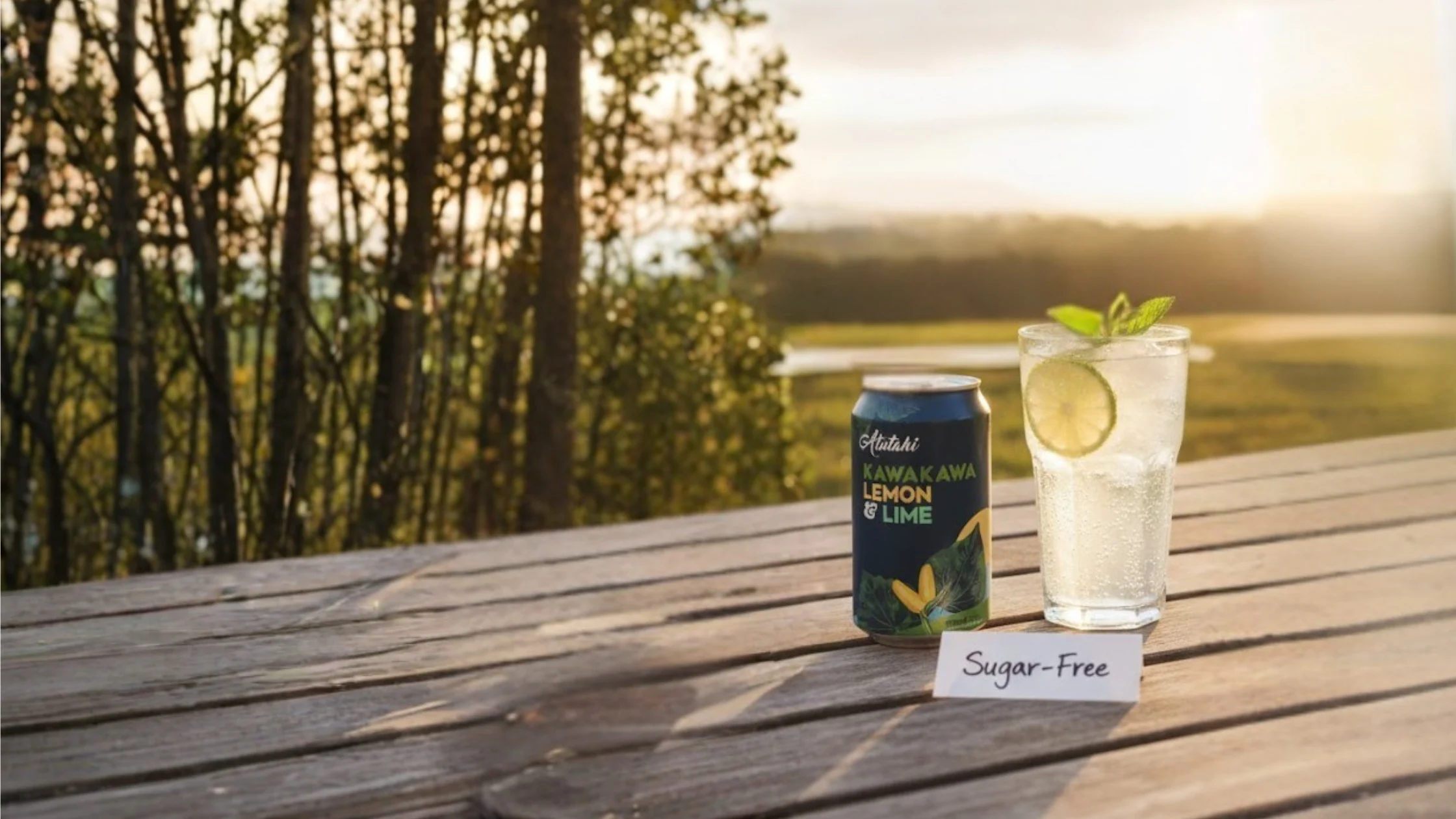
- Sugar-Free drinks contain almost zero sugar often using sweeteners as a substitute.
- Low-Sugar drinks have a small sugar content staying within healthy limits.
- No Added Sugar indicates the manufacturers didn’t put in extra sugar, but the ingredients might contain some sugar.
- Natural Ingredients tend to be healthier for your body compared to artificial chemicals.
- Reading Labels allows you to pick drinks that benefit your health in the long run.
The Big Label Mystery: Sugar-Free vs Low-Sugar
When people mention “Sugar-Free,” they refer to drinks with less than 0.5 grams of sugar per serving. To sweeten these beverages, manufacturers often use artificial sweeteners. Although these additives have no calories, some consumers find they leave an odd aftertaste or don’t seem as “authentic” as a natural drink.
“Low-Sugar” takes a different approach. These drinks include a small measured amount of sugar. Many see this as a “middle ground” option. It gives that tasty familiar sweetness but keeps the total sugar content low enough to maintain health. This explains why many consumers are switching to low-sugar choices that prioritize quality over quantity.
Why Does This Matter for Your Health?
Your body responds to various types of sweetness. When you drink something packed with processed sugar, your energy spikes and then plummets leaving you exhausted. By picking drinks with less sugar, you help your body maintain balance. This plays a key role in your health and how you feel day to day.
It’s worth considering the source of flavor in drinks. Some sugar-free options rely on lab-made chemicals. In contrast many people prefer beverages that get their taste from traditional plants and fruits. When you grasp what we value at Atutahi, you’ll see our commitment to using nature’s offerings to create something unique.
How to Become a Label Expert
Next time you grab a bottle, flip it over and check out the “Ingredients” list. If you spot words that are tricky to pronounce, they’re artificial sweeteners. If you see things like “native leaf extracts” or “fruit juice,” you’re looking at something more natural.
Picking a drink should be fun, not a hassle. It ought to refresh you and keep you in good spirits. Whether you want something cool and crisp or a classic brew, understanding these labels helps you pick what suits your life best.
Taste the Real Flavor of Aotearoa
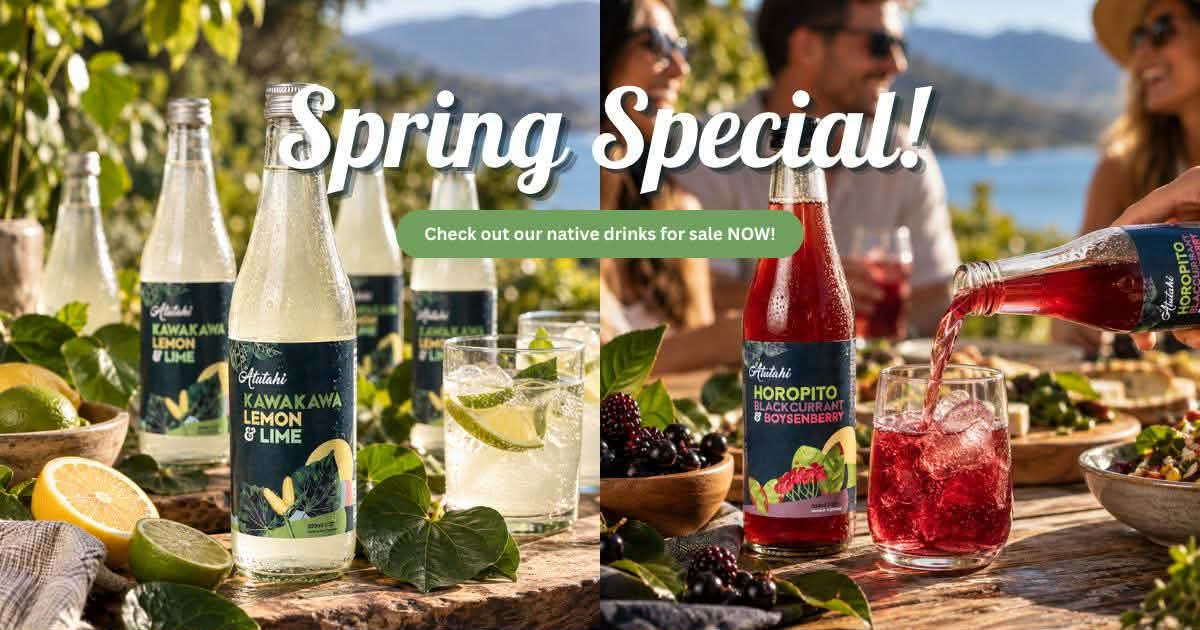
Are you keen to stop the guesswork and start enjoying it? At Atutahi, we’re proud of our roots and what goes into our drinks. We make beverages that respect our land and your health focusing on real tastes that don’t need loads of sugar to be delicious.Take a look at our selection of local beverages and discover a new favorite. To get more info about our story and what drives us, check out our about page. We aim to make healthy drinks easy, pure, and tasty for everyone.
Frequently Asked Questions
The answer depends on what you want. Sugar-free drinks contain almost no sugar but often use fake sweeteners. Low-sugar drinks have a bit of sugar but taste more real. Many folks like low-sugar options more because they don’t have the chemical taste of fake alternatives. At the same time, these drinks help keep sugar intake down for better health.
No, it doesn’t. “No Added Sugar” tells us the maker didn’t put extra sugar in the recipe. But the ingredients—like fruit—might already have natural sugars. You should still look at the nutrition label to see the total sugar amount to check if it fits your diet needs and health goals.
Most health experts say they’re okay in small amounts, but some folks prefer to steer clear. They can sometimes trigger a sweet tooth or mess with your stomach. Going for drinks with natural stuff or just a touch of real sugar is often thought of as a more old-school and straightforward way to stay hydrated without the man-made chemicals.
Yes, switching from high-sugar sodas to low-sugar options can cut your total calories. This makes weight control easier while you still enjoy a good drink. The trick is to find a mix you like so you can keep up healthy habits for the long haul without feeling you’re missing out.
They have a different taste because they use sweeteners like aspartame or stevia instead of sugar. These affect your taste buds in other ways and can sometimes leave an aftertaste. Drinks with natural plant extracts or small amounts of real sugar often have a fresher, more pleasant taste that many people like better.
Most labeling rules say that if a company puts honey or concentrated fruit juice in a drink to sweeten it, this counts as added sugar. Even though these come from nature, they still add calories and impact your blood sugar. Your best bet is to check the total sugar grams on the back of the bottle.
Health experts say kids should eat less than 6 teaspoons (about 24 grams) of added sugar . Picking drinks low in sugar helps make sure they don’t have too much at once. Teaching children to like the flavor of natural less-sweet drinks helps them develop healthy habits that last a lifetime.
Drinks without sugar can still contain acid. Acid can erode tooth enamel over time. But sugar-free or low-sugar drinks cause less damage to your teeth than sugary sodas. Sugary drinks feed bacteria that lead to cavities and tooth decay.
Water tops the list, but for flavor, try drinks with native herbs, lemon, or light fruit extracts. Brands like Atutahi use traditional New Zealand ingredients to create unique refined tastes without high sugar levels or artificial additives.
Check the “Total Sugars” line in the Carbohydrates section. Go for drinks with less than 5g of sugar per 100ml to be low-sugar. Also look at the ingredients list; a shorter list with more words you know as real food means the drink is better for you.