

Have you ever stepped out of a warm shower only to feel like your skin is two sizes too small? For many of us in New Zealand, that tight, itchy, or dry sensation is a daily struggle. We often blame the weather or our genes, but the real culprit might be sitting right on your soap dish.
The choice between natural soap vs commercial soap isn’t just about fancy packaging or nice smells. It is about the fundamental biology of your skin. If you have sensitive skin, using a mass-produced “beauty bar” can be like washing with harsh dish detergent. On the other hand, a carefully crafted handmade natural soap works with your body, not against it.
In this guide, we will uncover why your current soap might be causing those red patches and how traditional New Zealand ingredients—like the powerful Kawakawa—are changing the game for local skincare.
Key Takeaways
- Commercial “soaps” are often synthetic detergents that strip away natural protective oils.
- Handmade natural soap retains glycerine, a powerful moisture magnet for the skin.
- Sensitive skin needs pH-balanced, chemical-free options to prevent irritation and eczema flare-ups.
- Kawakawa is a native NZ botanical known for its incredible soothing and healing properties.
- Switching to natural options supports local artisans and reduces chemical runoff into our oceans.
What is the Real Difference?
Most people assume that every bar in the supermarket is “soap.” However, if you look closely at the labels of big-brand products, you will rarely see the word “soap.” Instead, they are called “cleansing bars” or “beauty bars.” This is because they are legally classified as synthetic detergents.
Commercial bars are designed for mass production and long shelf lives. To achieve this, manufacturers remove a precious ingredient called glycerine. Glycerine is a natural byproduct of the soap-making process that pulls moisture into your skin. In factories, this is extracted and sold separately in expensive lotions, leaving the remaining bar harsh and drying.
Handmade natural soap is created through a traditional process called saponification. In this method, plant-based oils (like coconut or olive oil) are mixed with lye. The result is a gentle bar that keeps all its natural glycerine intact. This makes it arguably the best soap for sensitive skin NZ has to offer, as it cleanses while leaving your skin’s moisture barrier healthy.
Why Commercial Bars Irritate Sensitive Skin
If you deal with redness or irritation, the ingredients list on a commercial bar is a roadmap of potential triggers. These products often contain Sodium Lauryl Sulphate (SLS), a foaming agent that creates big bubbles but is a known skin irritant. They also use synthetic fragrances and “parfums.” While these make your bathroom smell like a tropical island, they are the leading cause of allergic contact dermatitis.
When these chemicals hit sensitive skin, they break down the “acid mantle”—the thin, protective layer on your skin’s surface. Once this barrier is broken, moisture escapes, and bacteria enter. This is why you might feel itchy or see a rash after a long soak with a standard supermarket bar.
The Benefits of Natural Soap for Kiwis
Choosing a handmade natural soap means you are feeding your skin vitamins and minerals. Natural bars use essential oils for scent and clays or botanicals for colour. These ingredients don’t just sit on top of the skin; they provide actual nourishment.
The benefits of natural soap go beyond just avoiding “the bad stuff.” It’s about what is added. For example, traditional Māori healing has long used the treasures of the bush to treat skin ailments. By using local ingredients, these soaps are tailored to the specific environmental factors we face in New Zealand, such as high UV levels and drying sea winds.
Discovering the Magic of Kawakawa
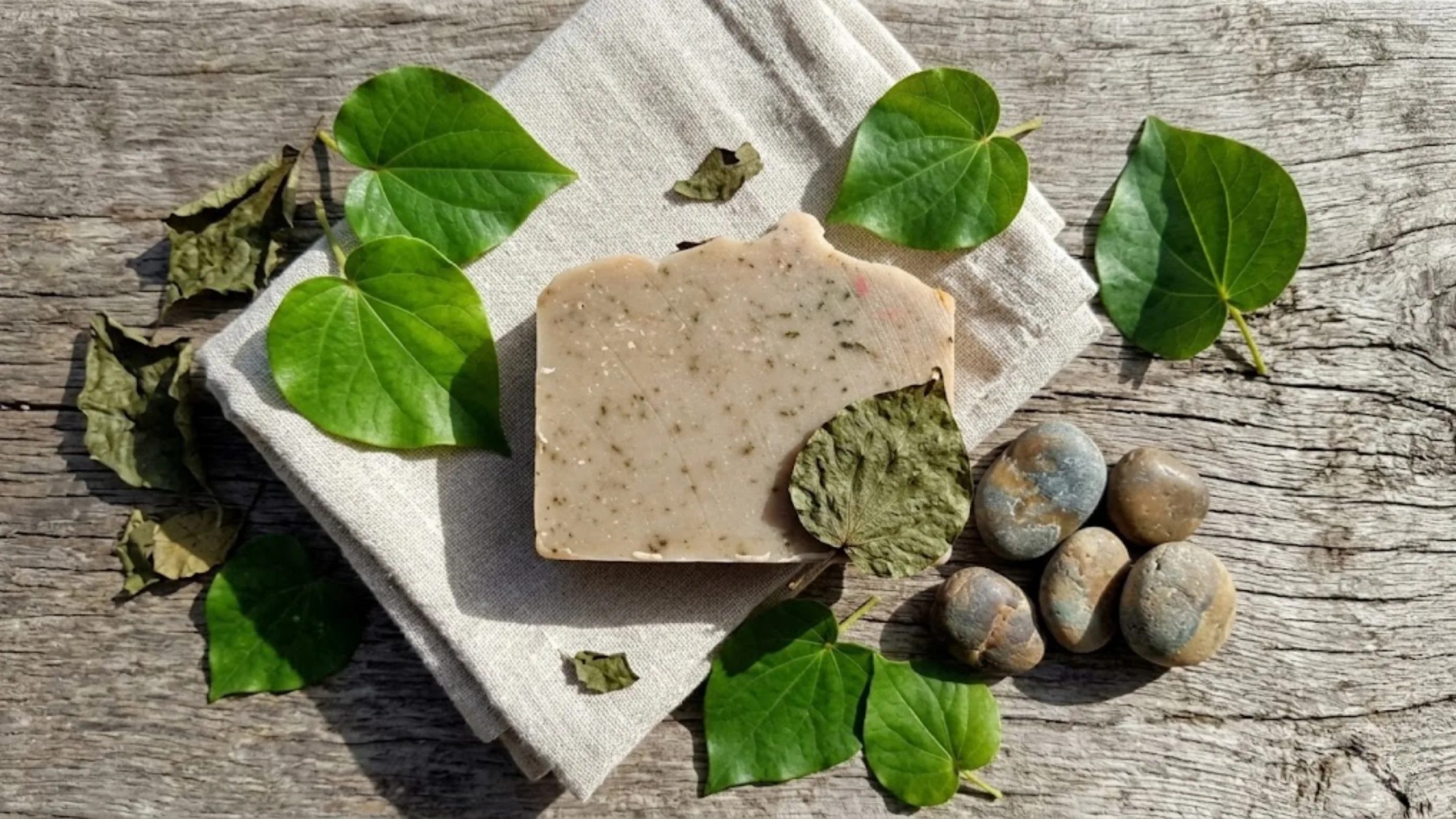
When searching for the best soap for sensitive skin NZ, one ingredient stands out above the rest: Kawakawa. Known as the “pharmacy of the forest,” this heart-shaped leaf is a cornerstone of Māori wellness.
Kawakawa has natural anti-inflammatory and antimicrobial properties. When infused into a gentle soap, it helps to calm down angry, red skin and provides relief for conditions like eczema and psoriasis. It doesn’t just clean; it helps the skin repair itself. This is the heart of what Atutahi values—bringing the healing power of nature back into our daily rituals.
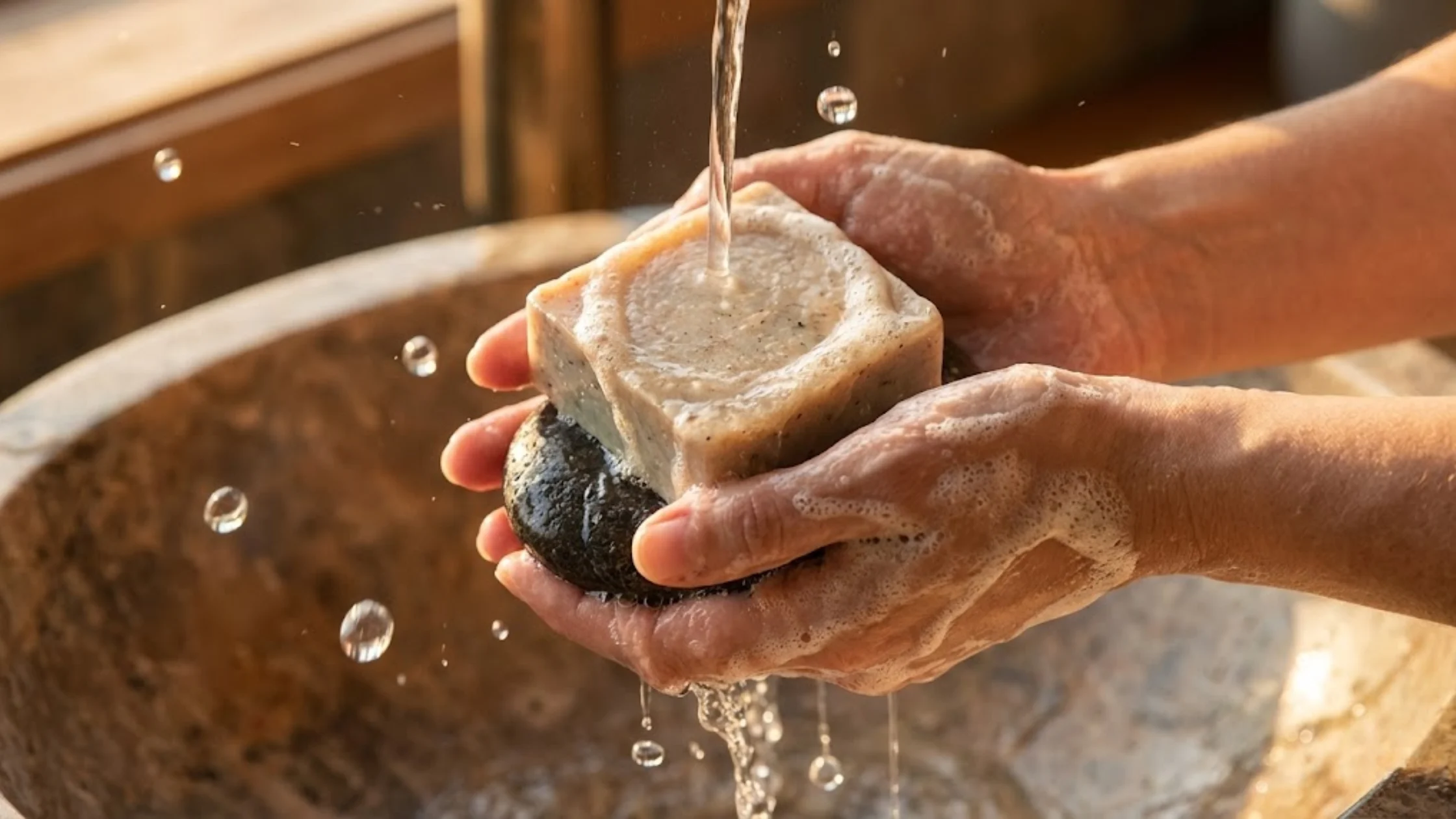
Using a Kawakawa soap is a completely different experience. Instead of a harsh, stripping foam, you get a creamy, rich lather that feels like a treatment for your body. It is a simple way to bring Your Health to the forefront of your morning routine without adding extra steps.
How to Make the Switch
Ready to ditch the chemicals? When you transition to natural products, your skin might go through a short adjustment period as it sheds the synthetic buildup from commercial bars.
Start by checking your current labels for terms like “parabens,” “phthalates,” and “SLS.” Replace your main body wash with a high-quality natural bar. You will notice that your skin feels “squeaky” in a different way—not dry and tight, but clean and soft. By choosing products from Atutahi, you aren’t just buying soap; you are supporting a philosophy of Sustainability and Values. You can find these treasures online or at various stockists across the country.
Frequently Asked Questions
Yes, natural soap is much better for your skin if you have sensitivities. Unlike commercial bars, which are often synthetic detergents, natural soap is made with plant-based oils and keeps its natural glycerine. Glycerine is a humectant that draws moisture into the skin and prevents the dryness and irritation that the harsh chemicals, sulfates, and artificial fragrances found in mass-produced products cause.
Commercial soaps dry out the skin because manufacturers often remove the natural glycerine to use in more expensive lotions. Also, they contain Sodium Lauryl Sulphate (SLS) and other synthetic foaming agents that strip away your skin’s natural oils. This has a disrupting effect on your skin’s protective barrier and leads to that tight itchy sensation often felt after showering with supermarket brands.
The best soap for sensitive skin in NZ is one that uses native botanical ingredients like Kawakawa. Kawakawa is famous for its anti-inflammatory and healing properties that make it perfect to soothe eczema or redness. Look for handmade natural soaps that are free from synthetic fragrances and use local ingredients, as these are designed for the unique NZ climate and skin needs.
Yes, natural soap is just as effective at removing bacteria and viruses as commercial soap. The molecular structure of soap (whether natural or synthetic) breaks down the lipid membrane of germs and allows them to be washed away with water. Natural soaps often include essential oils like Tea Tree or Kawakawa. These oils provide additional natural antimicrobial and antibacterial benefits without harsh triclosan.
Handmade soap is often recommended for eczema because it lacks the irritants that trigger flare-ups. When you avoid synthetic dyes and “parfum” and instead use soothing ingredients like goat’s milk or Kawakawa handmade soap helps maintain the skin’s moisture barrier. This prevents the “itch-scratch” cycle and keeps the skin hydrated and calm.
Kawakawa soap offers exceptional benefits, including the reduction of skin inflammation, the calming of rashes, and the treatment of minor fungal infections. It is a traditional Māori remedy that helps repair damaged skin tissue. Because it is so gentle, it is safe for all ages, including babies, and provides a protective layer that helps the skin hold onto moisture throughout the day.
To tell if a soap is natural, check the ingredients list for plant oils you recognize like olive coconut, or hemp. Avoid products that list “fragrance,” “parfum,” “Sodium Laureth Sulphate,” or “tetrasodium EDTA.” True natural soap will state it was made via “saponification” and will often have color from natural clays or plant powders rather than artificial dyes.
If you have sensitive skin, a natural bar soap works better than liquid soap. Liquid soaps need synthetic preservatives and emulsifiers to maintain their liquid form, and these can irritate reactive skin. Natural bar soaps offer a simpler ingredient profile and higher glycerine content, which makes them much more moisturizing and eco-friendly.
Yes, you can use natural soap on your face, provided it has a formulation with gentle oils. Many people find that natural soaps with Kawakawa or Shea butter are excellent to cleanse facial skin, as they remove dirt without stripping the delicate facial skin. However, always look for a bar noted as being gentle enough to use on the face.
Handmade soap costs more because it uses high-quality cold-pressed oils and pure essential oils instead of cheap petroleum-based fats and synthetic scents. The process takes weeks to cure and ensures a long-lasting gentle bar. When you buy handmade, you pay for superior skin health benefits and support local artisans who value quality over mass production.