
Have you ever picked up a healthy drink at the shop, looked at the back of the bottle and felt like you were trying to read a secret code? You aren’t alone. Many drinks that claim they are good for you are hiding a lot of sugar and strange chemicals behind fancy words.
If you want to feel your best, you need to know what goes into your body. The good news is that once you know a few simple tricks, you can spot a fake healthy drink in seconds. In this guide, we will show you how to read a drink label so you can choose beverages that support your wellness journey instead of holding it back.
Key Takeaways
- Check the Order: Ingredients appear from most to least; avoid drinks where sugar sits near the top.
- Watch for “-ose”: Sugar goes by many names like fructose and glucose.
- Keep it Simple: If the ingredient list runs long and packs full of numbers, it’s processed.
- Trust Tradition: Look for functional ingredients like Kawakawa or Horopito that carry a history of health benefits.
- Real Over Fake: Choose natural extracts over artificial flavours and colours.
Why Your Drink Label Matters More Than the Front Cover
The front of a drink bottle often looks like a colourful advertisement. It uses bright pictures and words like Natural or Energy to make you feel good about buying it. However, the real story is always on the back.
The Ingredients List is your most powerful tool. In New Zealand, ingredients must be listed from the largest amount to the smallest. This means if the first or second thing you see is Sugar or Sucrose, that bottle is just sweet water. When you learn to look past the pretty packaging, you can ensure you are buying functional beverage ingredients that serve a real purpose for your health.
The Great Sugar Hide-and-Seek
Sugar is the biggest trickster on any label. Manufacturers know that people are looking for less sugar so they often use different names to hide how much is inside.
When you are understanding food additives in NZ, keep an eye out for words ending in -ose, like fructose, glucose, or maltose. These are all just types of sugar. Even fruit juice concentrate is often just a fancy way to add sugar without calling it that.
A healthy drink doesn’t need sweetness to taste good. At Atutahi, we believe in using the natural power of Māori heritage plants like Kawakawa and Kumarahou. These provide a unique refreshing taste without needing to hide behind a mountain of processed sugar.
Spotting the “Nasty” Additives and Artificial Flavours
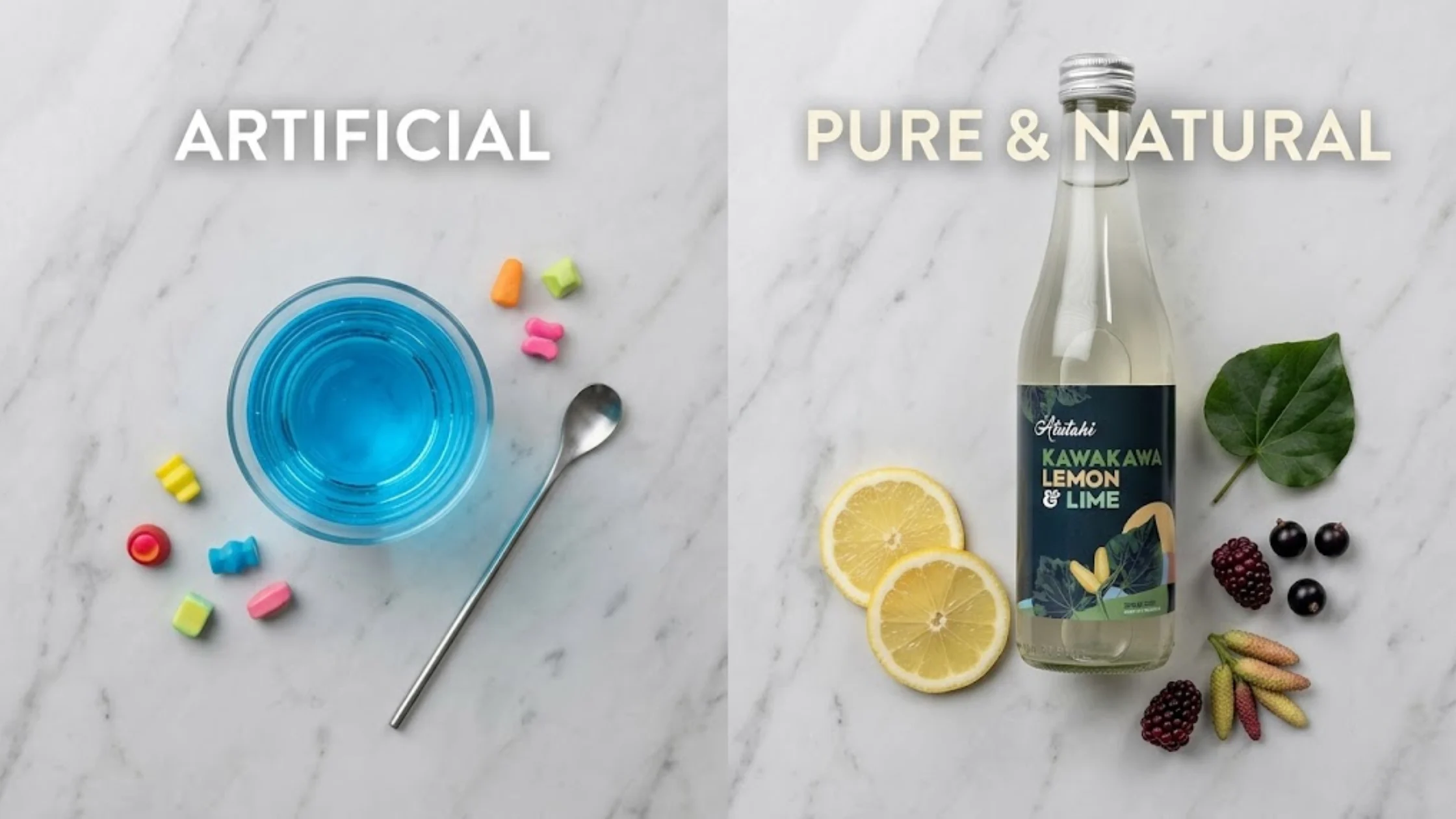
If an ingredient sounds like it belongs in a science lab rather than a kitchen, it is an additive or an artificial flavour. These are used to make drinks last longer on the shelf or to give them a fake fruit taste.
Artificial flavours and colours can often lead to energy crashes or make you feel bloated. When you check a label, look for “Natural Flavours” or even better actual plant extracts. If you see numbers like Colour (102) or Preservative (211), your body has to work much harder so it can process those chemicals. Choosing drinks with a short clean list of ingredients is the best way to keep your body happy and hydrated.
Finding Experience, Expertise, and Trust in Your Glass
When you choose a beverage, you place your trust in that brand with your health. You want to buy from people who know about plants and nutrition.
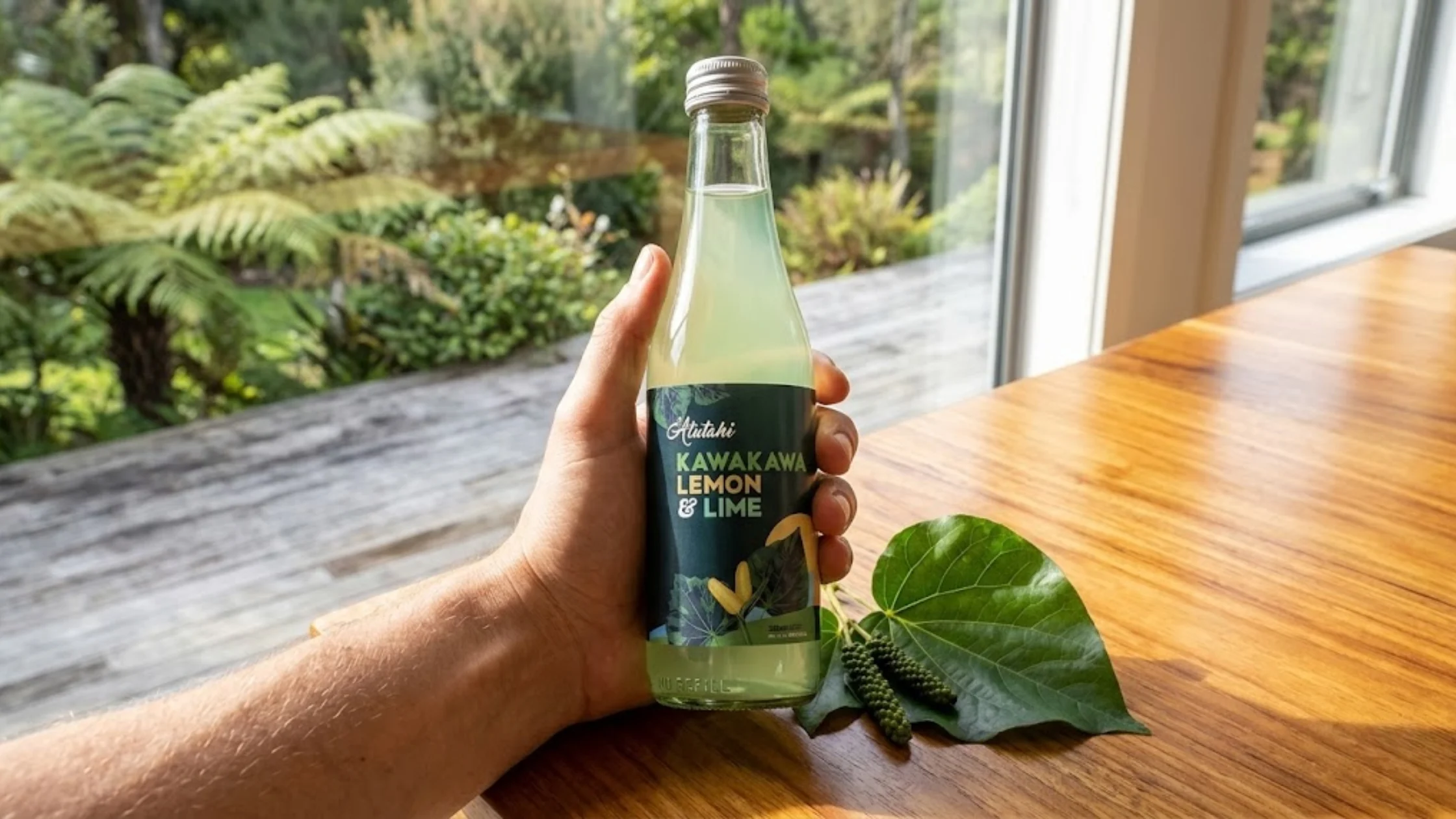
In New Zealand, we are lucky to have traditional knowledge about healing plants. Our ancestors used the land to stay healthy long before modern factories existed. By choosing drinks that honour these traditions—like a Kawakawa, Lemon and Lime infusion—you get the benefits of generations of expertise. These aren’t just “flavours”; they are ingredients with functions used for centuries to support digestion and wellness.
How to Make the Best Choice Every Time
Next time you are thirsty, take five seconds to flip the bottle over. Check if the ingredients are simple and if you can pronounce them. If the label mentions real herbs, roots, or leaves, you are on the right track to find a healthy drink label.
You deserve to know what you are drinking. When you choose drinks made with care and honesty, you aren’t just quenching your thirst—you are nourishing your life.
Ready to swap the chemicals for something real? Explore our range of native New Zealand infusions and taste the difference that clean traditional ingredients make. If you have questions about our ingredients, feel free to contact the Atutahi team today!
Frequently Asked Questions
Check the Per 100ml column on the nutrition table. A low-sugar drink has less than 2.5g of sugar per 100ml. If a drink has more than 10g per 100ml, it is considered high in sugar. Always keep in mind to check the total bottle size, as one bottle often contains two servings.
Functional beverages are drinks that do more than just hydrate you. They contain extra ingredients like herbs, vitamins or minerals that provide specific health benefits such as helping with digestion or giving you natural energy. Examples include drinks made with Kawakawa or Horopito.
Not always, but they are better than artificial flavours. Natural flavours must come from a plant or animal source. However, the best labels list the specific plant such as Kawakawa extract so you know what is providing the taste.
The law requires ingredients to be listed in order of weight. The first ingredient is what the drink contains. If water is first and sugar is second, the drink is sugar-water. You want to see real juice or herbal extracts near the top.
It means the maker didn’t add extra white sugar, but the drink could still be very high in natural sugars from fruit juice concentrates. Always check the total sugar count on the nutrition panel to see the full picture of what you consume.
New Zealand has strict rules, but safe doesn’t always mean healthy. Many approved additives can still cause sensitivity in some people. Choosing a “clean label” drink with no numbers or chemical names is the safest way to avoid unwanted reactions.
Look for ingredients like stevia, monk fruit, or erythritol. These are low-calorie but can sometimes change the taste. If you want a traditional experience, look for drinks that rely on the natural sweetness of the ingredients themselves.
Kawakawa is a native New Zealand plant used in Māori medicine for centuries. It is known to help with digestion and reduce inflammation. When found in a drink, it provides a refreshing peppery taste and functional health support.
Yes, most of the time. Sparkling water provides hydration without the acids and sugars found in soda. If you find plain water boring, look for sparkling infusions that use real plant extracts for flavor instead of chemical syrups.
Look at the Energy line measured in kilojoules (kJ) or calories (kcal). If you want a light refreshing drink that won’t make you gain weight, look for lower energy numbers. A typical healthy functional drink will be much lower in kJ than a standard soft drink.