
Have you ever walked down the supermarket aisle and felt like you needed a science degree just to buy a bottle of water? We see bright colours, beautiful fonts, and words like natural, revitalising, and wellness splashed across every label. It feels like every drink is a health miracle in a bottle. But when you turn that bottle around and look at the tiny print on the back, the story often changes.
The truth is that the front of the bottle is marketing, but the back of the bottle is the truth. If you want to take care of your body, you need to know how to read drink labels properly. It is the only way to know if you are actually drinking something healthy or just flavoured sugar water. At Atutahi, we believe that transparency is the most important ingredient. We want you to feel confident about what you are putting into your body. This guide will help you decode the alphabet soup of ingredients so you can make the best choice for your health.
Key Takeaways
- Marketing vs Truth: The front of the bottle sells, but the back of the bottle tells.
- Hidden Sugars: Sugar has many names; always check the Total Sugars line.
- Numbers Matter: Avoid drinks with long lists of E-numbers and artificial preservatives.
- Real Extracts: Look for authentic plant extracts like Kawakawa for real health benefits.
- Simplicity Wins: The best wellness drinks usually have the shortest ingredient lists.
Why Labels Matter More Than Ever
The wellness industry is growing fast, but not every brand plays fair. Many drinks that claim to be healthy are packed with hidden ingredients that can leave you feeling sluggish or bloated. Understanding the difference between natural vs artificial ingredients is the first step toward better health. When you learn to decode a label, you stop being a consumer and start being an informed advocate for your own well-being.
Sugar: The Many Names of Sweetness
The first thing most people look for is sugar. However, food companies are very clever at hiding it. You might not see the word sugar, but you might see evaporated cane juice, agave nectar, or high-fructose corn syrup. Even natural sugars can be tricky. When a label says No Added Sugar, it might still be very high in natural fruit sugars that can cause a spike in your energy levels followed by a crash.
When you look at a label, check the Total Sugars and the Added Sugars line. Ideally, you want a drink that keeps these numbers low. At Atutahi, we focus on the natural balance of our ingredients. We don’t believe in masking the beautiful, earthy flavours of native New Zealand botanicals with heaps of sweetener. Real wellness doesn’t need to be syrupy; it should be refreshing and light.
Additives and Preservatives: What’s That Number?
If you see a long list of words you can’t pronounce, or numbers like E202 or E211, those are additives. These are often used to make a drink last for years on a shelf or to give it a bright, fake colour. While most are safe according to regulations, they don’t provide any nutritional value.
In the world of ingredients in drinks explained, the rule is usually less is more. If a drink needs five different chemicals to taste like a lemon, is it really a lemon drink? We prefer to let the plants do the work. By using traditional methods and respecting the values of our heritage, we create drinks that don’t need a chemical laboratory to taste good.
The Power of Extracts: Nature’s Real Magic
This is where things get exciting. High-quality wellness drinks use extracts. An extract is a concentrated form of a plant that carries its natural benefits. However, not all extracts are created equal. Some brands use natural flavours, which are often processed in a way that removes the actual health benefits of the plant.
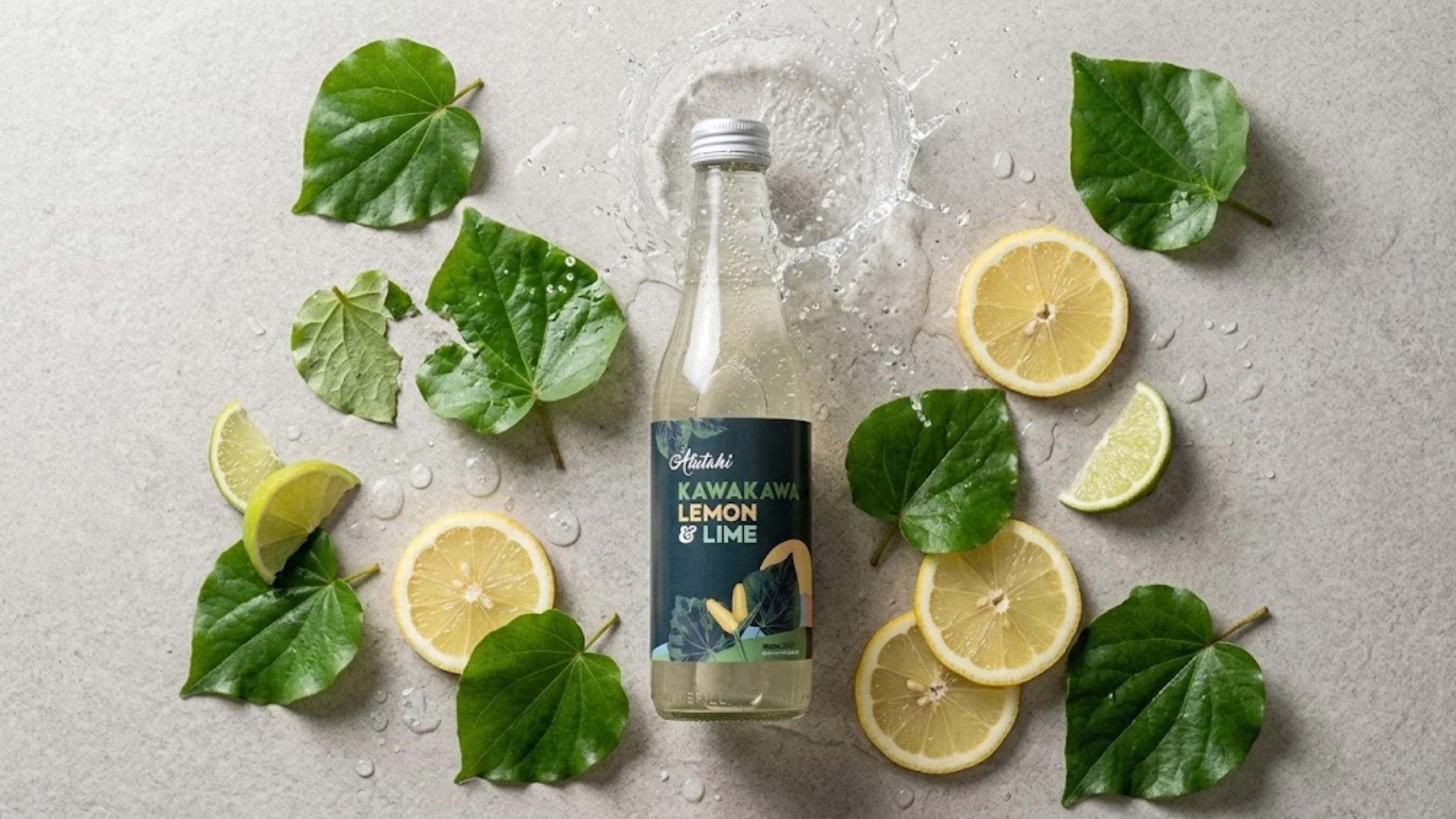
At Atutahi, we use authentic extracts from native New Zealand plants like Kawakawa, Kumarahou, and Horopito. These aren’t just for taste; they are part of a long history of traditional healing.
- Kawakawa: Known for its calming and digestive properties.
- Kumarahou: Traditionally used to support respiratory health.
- Horopito: A powerful plant with natural antioxidant properties.
When you see these names on an Atutahi label, you are seeing a commitment to your health. We use these extracts because they represent the best of our land. You can taste the difference between a lab-made flavour and a plant-based extract immediately.
How to Spot a Truly Transparent Brand
A transparent brand has nothing to hide. Their labels will be short, easy to read, and clear about where the ingredients come from. When you look at the Atutahi About Us page, you see a story of New Zealand, not a corporate spreadsheet.
If a brand is vague about their natural flavours or uses a lot of artificial sweeteners to claim zero calories, they might not be as healthy as they seem. True wellness is about nourishing your body with things it recognises. Your body knows what to do with a leaf extract; it doesn’t always know what to do with a synthetic sweetener.
The Five-Second Label Test
Next time you pick up a drink, try the five-second test:
- Can I pronounce the first three ingredients? (They should be things like water, juice, or herbal extracts).
- Is there a long list of numbers? (Avoid if possible).
- How much sugar is actually in here? (Look for low total grams).
- Is the brand open about their sourcing?
- Does it feel like real food?
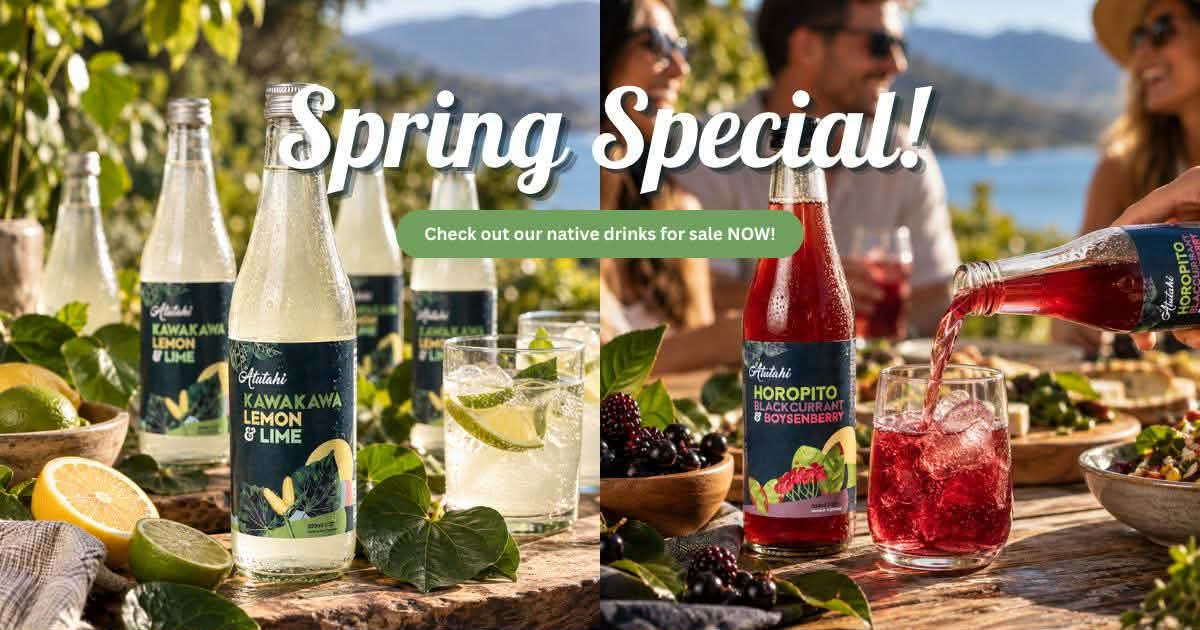
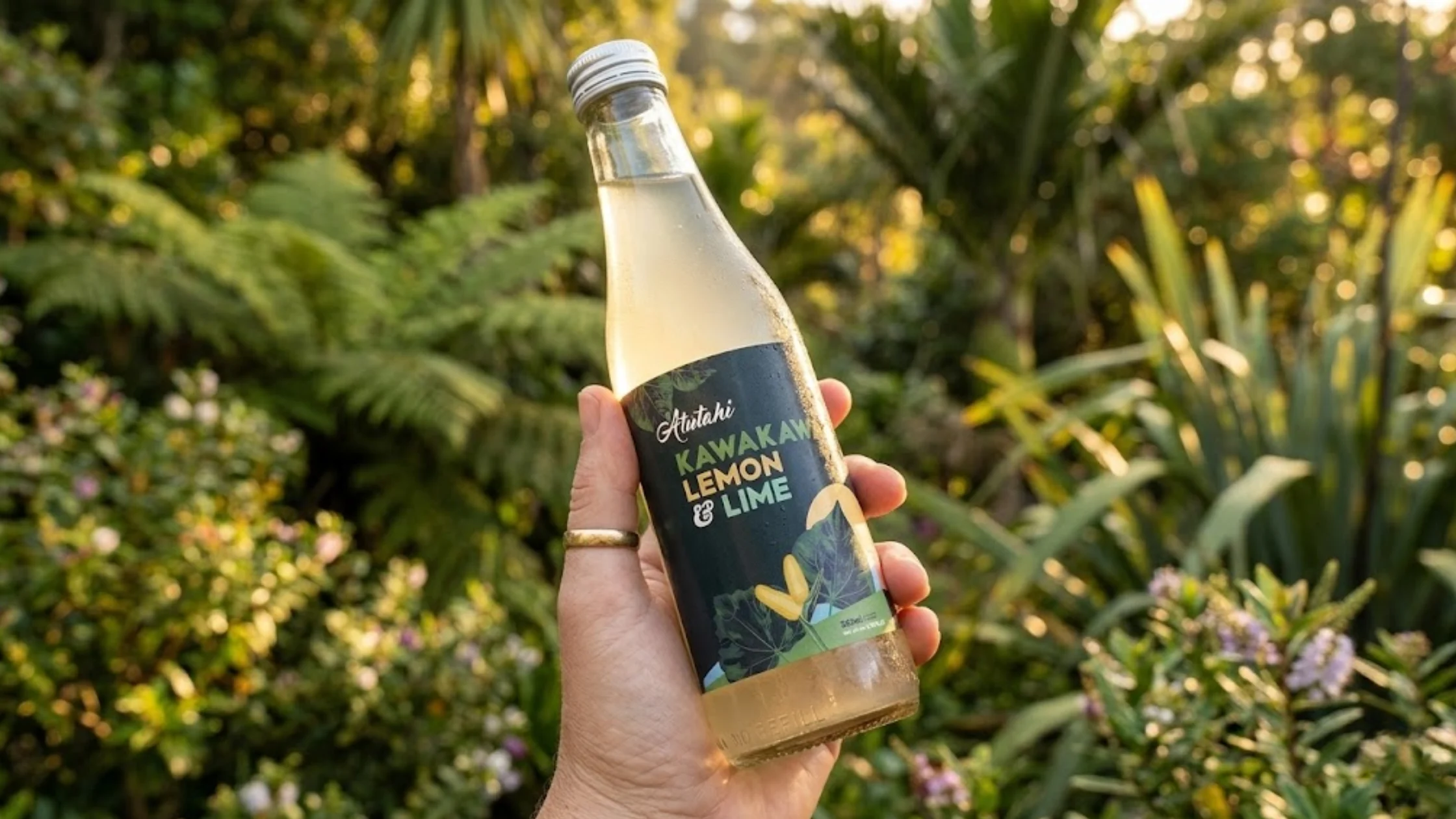
By asking these questions, you take the power back. You are no longer just buying a drink; you are choosing a lifestyle. Whether you are looking for a Kawakawa, Lemon and Lime refreshment or the unique kick of Horopito and Blackcurrant, you should always know exactly what is in your hand.
Choose Clarity
Reading labels doesn’t have to be scary. It is simply a way to respect your body. At Atutahi, we make this easy by keeping our ingredients simple, our sugar low, and our native extracts at the heart of everything we do. We invite you to explore our full range of drinks and see for yourself how refreshing transparency can taste.
Ready to Taste the Truth?
Stop guessing and start drinking with confidence. If you have questions about our ingredients or want to learn more about our process, contact us today. Or, if you’re ready to experience the pure taste of Aotearoa, grab a Mixed 24 Pack and find your new favourite flavour.
Frequently Asked Questions
Start by looking at the ingredient list. Ingredients are listed from the largest amount to the smallest. If the first ingredient is sugar or corn syrup, the drink is mostly sugar. Look for water or natural extracts at the top of the list for a healthier choice.
Natural flavours come from plant or animal sources, while artificial flavours are man-made in a lab. However, natural can still be highly processed. It is always better to look for specific extracts, like those found in Atutahi drinks, which come directly from the plant.
Not necessarily. A drink can have no added sugar but still be very high in natural sugars from fruit concentrates. These can still cause blood sugar spikes. Always check the total sugar grams on the nutrition panel to see the full picture.
E-numbers are codes for food additives used in the UK and Europe. They include colours, preservatives, and thickeners. While they are tested for safety, many people prefer to avoid them in favour of clean, whole-food ingredients that are easier for the body to process.
Extracts are made by soaking the actual plant (like a Kawakawa leaf) to pull out its natural oils and health properties. Flavours are often just designed to mimic a taste. Extracts provide the essence and the traditional benefits of the plant, making the drink more functional.
Most artificial sweeteners are approved by health authorities, but some people find they cause digestive issues or cravings for more sweets. Choosing drinks with low real sugar or those sweetened naturally with botanical extracts is often a more balanced approach for long-term health.
Ideally, a wellness drink should be low in sugar. Look for drinks that have less than 5g of sugar per 100ml. This ensures you get a refreshing taste without the heavy calorie load or the energy crash that comes from high-sugar beverages.
These terms usually mean the ingredients haven’t been heated to high temperatures. This helps to keep the vitamins and enzymes alive. It is a sign of a high-quality product that cares about the nutritional value of what is inside the bottle.
We use plants like Kawakawa and Horopito because they have been used for centuries in Maori tradition for their healing properties. They offer unique, complex flavours that you won’t find in standard soft drinks, and they connect the drinker to the land of New Zealand.
You can find clean-label drinks at specialty health stores or online. If you want to try a drink that is transparent, low in sugar, and full of natural goodness, you can check our list of stockists or order directly from the Atutahi website.