

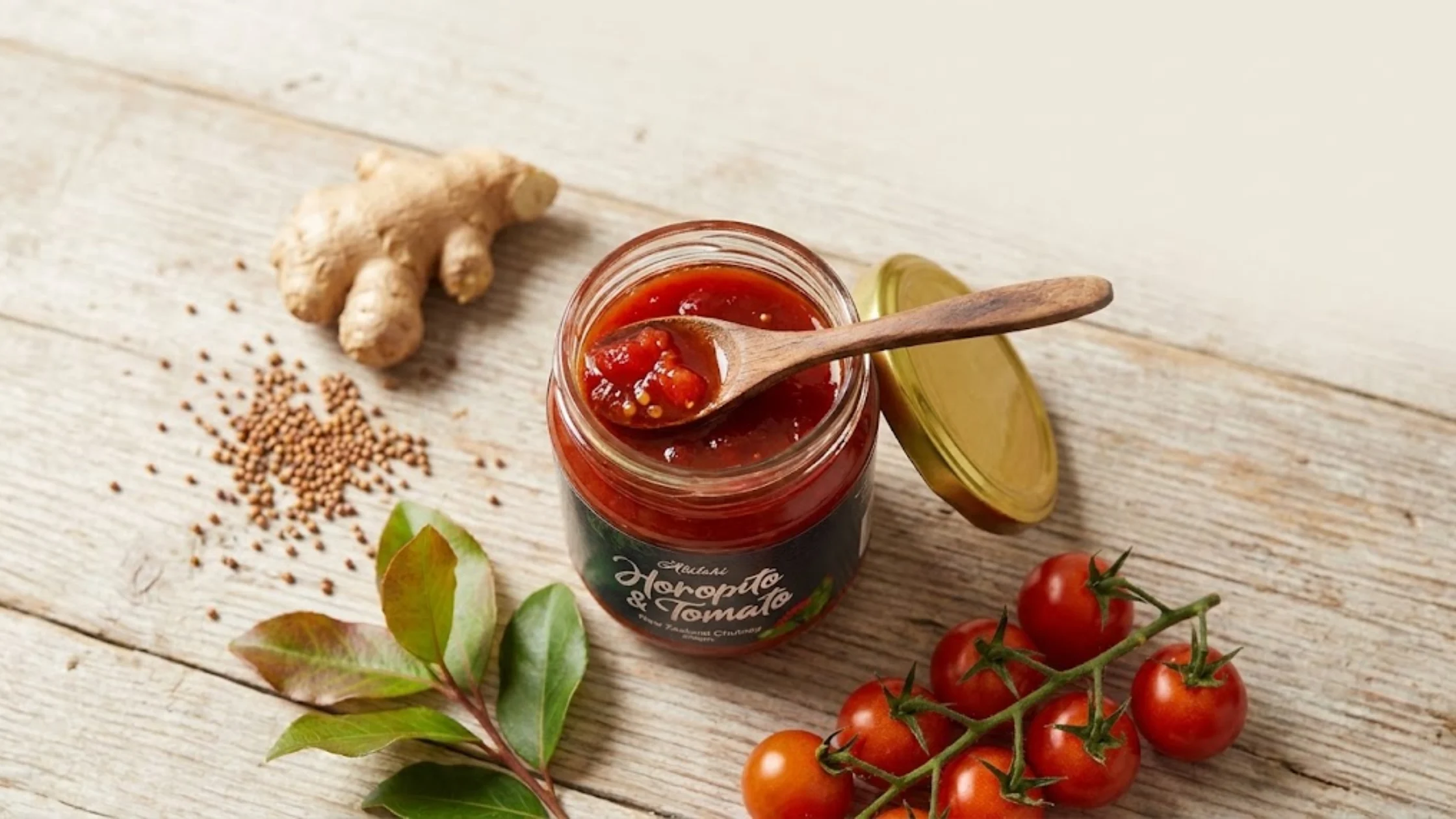
Why Your Gut Keeps Struggling (And What’s Missing From Your Pantry)
Here’s an honest truth: most bottled condiments sitting in your fridge do nothing for your gut. They’re cooked to death, packed with sugar and preservatives, and stripped of anything that could actually help you digest your dinner. If you’ve been feeling bloated, sluggish, or “heavy” after meals, the chutney in your cupboard might be part of the problem rather than the solution.
Artisanal chutneys made in small batches, with whole spices and slow-cooked native ingredients, can genuinely support digestion. Traditional additions like ginger, mustard seed, and Aotearoa botanicals such as horopito, kawakawa, and kānuka carry compounds that ease bloating, calm the gut lining, and help your body break food down more comfortably. Mass-produced chutneys, by contrast, are usually pasteurised, sugar-heavy, and largely stripped of these benefits. Choosing a small-batch, spice-rich chutney — like those crafted by Atutahi — is a simple, tasty way to give your digestive system a genuine helping hand.
Key Takeaways
- Artisanal chutneys are slow-cooked in small batches, preserving more of the natural compounds that support digestion.
- Whole spices like ginger, mustard seed, and chilli carry active oils that ease bloating and support gut comfort.
- New Zealand botanicals — horopito, kawakawa, and kānuka — bring generations of rongoā Māori tradition specifically around digestive wellbeing.
- Mass-produced chutneys are usually pasteurised and sugar-heavy, stripping away most digestive benefits.
- A spoonful with meals is an easy, tasty way to support your gut without changing your whole diet.
What This Guide Covers
An artisanal chutney is a slow-cooked, small-batch condiment built from whole fruit, vegetables, vinegar, and a careful hand of spices — the kind of thing your grandmother might have made, not something that rolled off a factory line. Unlike mass-market jars, artisanal chutneys are simmered gently to preserve the natural oils and active compounds in spices such as ginger, mustard seed, and chilli, rather than blitzing everything into a uniform, over-processed paste.
This matters for your gut because digestion isn’t just about what you eat — it’s about how your food is prepared before it even reaches your plate. Whole spices, gentle cooking, and minimal processing all help preserve the natural compounds that support healthy digestion. Over the next few minutes, you’ll learn exactly which ingredients do the heavy lifting, why fermentation and slow-cooking matter, how New Zealand native botanicals fit into the picture, and how to start using chutney as a genuine digestive ally rather than just a garnish on the side of your plate.
What Makes a Chutney “Artisanal” (And Why It Matters for Your Gut)
Not all chutneys are created equal, and the difference shows up in your stomach long before it shows up on the label. Commercial, mass-produced chutneys are typically pasteurised at high heat, loaded with refined sugar to extend shelf life, and made with pre-ground, often stale spice powders that have lost most of their active oils.
Artisanal chutney is a different animal entirely. It’s made in small batches, usually by hand, with whole or freshly ground spices, real fruit and vegetables, and a slower cooking process that keeps more of the ingredients’ natural character intact. Because the batches are smaller, makers can afford to use better-quality produce and skip the shortcuts that larger manufacturers rely on. That translates into a condiment with more of the plant compounds, fibre, and gentle acidity that your digestive system actually responds to.
You can read more about the philosophy behind small-batch, values-led food on Atutahi’s About Us page, where the focus stays firmly on honest ingredients over shortcuts.
The Science Behind Chutney and Gut Health
Fermentation and Slow-Cooking Support Digestive Enzymes
When chutney is made the traditional way — slow-simmered with vinegar and given time for the flavours to develop — the process starts to break down complex sugars and fibres before you even take a bite. This is similar to what happens during fermentation: complex carbohydrates are partially broken down into simpler compounds, which places less demand on your digestive system to do that work itself. Research on fermented foods more broadly shows this kind of preparation can reduce digestive irritants and make nutrients easier for your body to absorb.
Whole Spices Carry Compounds Your Gut Recognises
Ginger, mustard seed, cumin, and chilli aren’t just there for flavour. Ginger, in particular, has long been used to help move food through the stomach more efficiently, easing that heavy, sluggish feeling after a big meal. Mustard seed and cumin have traditionally been used to reduce gas and support the digestive tract, while chilli, in moderation, can stimulate digestive secretions. When these spices are used whole or freshly ground, as they are in artisanal cooking, more of their natural oils and active compounds survive the cooking process.
Vinegar and Acidity Aid Nutrient Breakdown
The gentle acidity in a well-made chutney — usually from vinegar or citrus — helps your stomach begin breaking down food more effectively. This is one reason chutneys have traditionally been served alongside heavier, protein-rich meals across many cuisines: the acidity supports the body’s own digestive process rather than fighting against it.
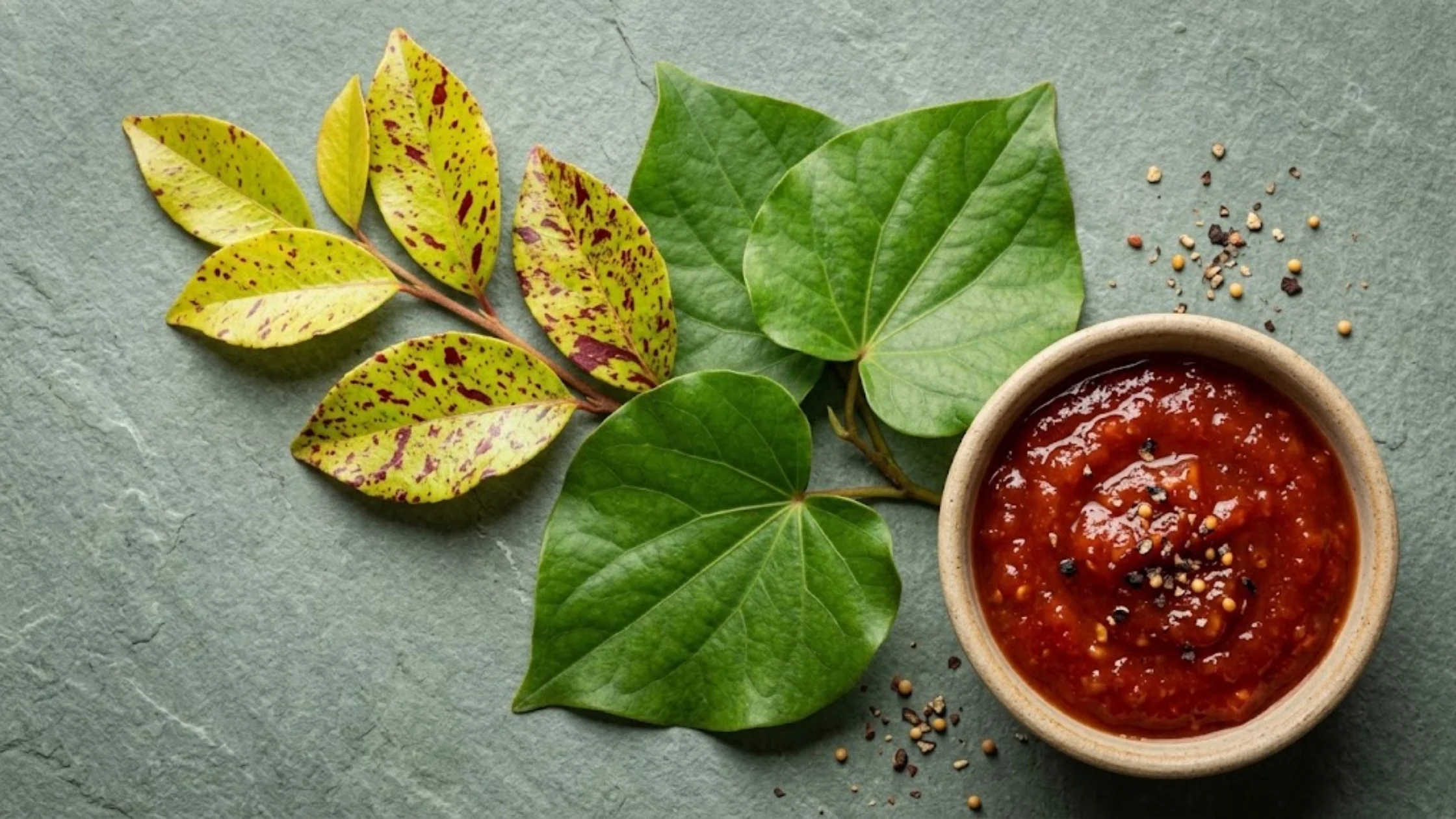
Traditional New Zealand Botanicals That Support Digestion
This is where artisanal chutney gets genuinely interesting for people in Aotearoa. Alongside classic spices, native New Zealand plants bring centuries of traditional use — rongoā Māori — specifically around gut comfort and digestive wellbeing.
Horopito: The Native Pepper Tree
Horopito, sometimes called the native pepper tree, is one of the oldest flowering plants in the world and has long been used in rongoā Māori to ease stomach discomfort. It contains a compound called polygodial, which gives it a warming, peppery bite along with natural antimicrobial properties. Traditionally, horopito was used to settle upset stomachs, and today it’s recognised as a plant that supports both digestive and immune health. You’ll find it at the heart of the Horopito Tomato Chutney, where its gentle heat does double duty as both flavour and function.
Kawakawa: A Digestive Staple in Rongoā Māori
Kawakawa is one of the most widely used plants in Māori traditional medicine, and digestion is one of its core roles. Its heart-shaped, peppery leaves have traditionally been chewed or brewed to soothe upset stomachs and ease general digestive discomfort, and the plant is naturally rich in antioxidants and vitamin C. This tradition carries through into the Kawakawa Mango Chutney, pairing kawakawa’s gentle warmth with the natural sweetness of mango.
Kānuka: Calming Support for the Gut Lining
Kānuka has a long history of traditional use for its calming and antimicrobial qualities. While it’s better known for skin and respiratory support, its soothing properties make it a thoughtful addition to a chutney designed with everyday wellness in mind, such as the Kānuka Beetroot Chutney, where it’s paired with fibre-rich beetroot for a naturally grounding condiment.
You can explore the full story behind these ingredients on Atutahi’s Your Health page and see the values driving each recipe on the What We Value page.
Key Benefits of Choosing Artisanal Chutney for Digestion
Choosing an artisanal, spice-forward chutney over a mass-produced jar brings several digestive advantages that are easy to overlook until you actually feel the difference. Whole spices and gentle cooking preserve more of the natural oils in ginger and mustard seed, which support your body’s own digestive process rather than working against it. Traditional New Zealand botanicals like horopito and kawakawa carry generations of use specifically around gut comfort, giving you a genuinely native alternative to imported digestive spices. Small-batch production also means less refined sugar and fewer preservatives, both of which can otherwise disrupt a healthy gut environment over time. And because artisanal chutneys are made with real, whole ingredients, you get more fibre with every spoonful, which feeds the beneficial bacteria already living in your gut.
| What You’re Avoiding | What You’re Gaining |
| High-heat pasteurisation that strips active compounds | Gentle, slow cooking that preserves natural oils |
| Refined sugar and preservatives | Whole fruit, real spice, and minimal processing |
| Stale, pre-ground spice powders | Freshly used ginger, mustard seed, and native botanicals |
| Generic, one-size-fits-all flavour | Traditional ingredients rooted in rongoā Māori |

Bringing Artisanal Chutney Into Your Daily Routine
You don’t need to overhaul your whole diet to feel the benefit — a spoonful alongside your usual meals is enough to start. Spoon it over grilled meat, roasted vegetables, or a simple cheese board to add both flavour and a gentle digestive boost to meals you’re already making. Stir a little through rice, lentils, or a grain bowl, much the way chutney has traditionally been served alongside protein- and starch-heavy meals to support digestion. Pair it with breakfast, spreading a thin layer over eggs or avocado on toast to ease your gut into the day. Keep a jar within easy reach in the fridge so it becomes a natural habit rather than an occasional treat. Browse the full range of small-batch, native-ingredient chutneys on Atutahi’s Chutneys collection to find the flavour that fits your table.
Ready to Feel the Difference? Start With Atutahi
If your gut has been asking for something better, this is your sign to listen. Atutahi’s chutneys are made in small batches using real New Zealand native ingredients — horopito, kawakawa, and kānuka — alongside whole spices and honest, minimally processed produce. Every jar is built on the same principle: food that respects tradition should also genuinely support your wellbeing.
Explore the full range of chutneys, including bundles like the Kānuka Beetroot and Kawakawa Mango pack or the Horopito Tomato and Kawakawa Mango pack, and find a stockist near you on the Stockists page. Curious about the wider world of rongoā Māori and native wellness? Head over to the Māori Wellness Blog for more, or get in touch if you have questions about which chutney suits your table best.
Small Batches, Real Ingredients, Genuine Gut Support
Your digestion doesn’t need a complicated overhaul — sometimes it just needs better ingredients on the table. Artisanal chutney, made slowly with whole spices and native New Zealand botanicals, offers a genuinely useful way to support your gut while adding real flavour to your meals. It’s not a cure-all, and if you’re dealing with ongoing digestive issues, it’s always worth speaking with a healthcare professional. But as an everyday addition to your plate, a well-made chutney does far more than a mass-produced jar ever could. Start with one flavour, keep it close at hand, and let your next meal do the rest. Visit Atutahi to explore the range and taste the difference small-batch, native-ingredient chutney can make.
Frequently Asked Questions
Artisanal chutneys use whole spices and slow-cooking, which preserve natural oils in ingredients like ginger and mustard seed. These compounds can ease bloating, support gastric movement, and help your body break down food more comfortably compared with mass-produced, over-processed alternatives.
Look for chutneys made with digestive-friendly spices such as ginger and mustard seed, or native botanicals like horopito and kawakawa. Atutahi’s Horopito Tomato and Kawakawa Mango chutneys are both built around ingredients with a long history of supporting gut comfort.
Atutahi is a New Zealand brand crafting small-batch chutneys with native ingredients like horopito, kawakawa, and kānuka. Each recipe draws on rongoā Māori traditions, pairing these botanicals with real fruit and vegetables for genuine digestive support alongside flavour.
Traditional ingredients like ginger, mustard seed, and vinegar support digestion by aiding gastric movement and helping break down food. Native additions such as horopito and kawakawa bring further benefits, drawing on generations of traditional use for stomach comfort.
Atutahi chutneys are available through select stockists around New Zealand, as well as directly online. Check the Stockists page for a location near you, or order directly through the Atutahi website for delivery straight to your door.
You can shop the full Atutahi chutney range directly online, including single jars and value bundles. Each product page details the native ingredients used, so you can choose the flavour and digestive profile that suits your needs best.
Yes. Slow-cooked chutneys made with whole spices and fibre-rich produce support your gut’s natural processes rather than working against them. While not a medical treatment, they’re a genuinely useful, tasty addition to a digestion-friendly diet.
Chutneys made with fibre-rich vegetables, onion, and fruit can offer some prebiotic benefit, feeding the good bacteria already in your gut. Look for recipes with minimal processing and real, whole produce rather than heavily refined, sugar-dense versions.
Some small-batch chutney makers use slow fermentation or extended resting periods that encourage beneficial bacterial activity, similar to other fermented condiments. Always check the label, as most jarred, shelf-stable chutneys are pasteurised and won’t carry live cultures.
The best comparison points are ingredient quality, spice freshness, and sugar content. Brands using whole spices, real native botanicals, and minimal added sugar — like Atutahi — generally offer stronger digestive benefits than mass-market, heavily processed alternatives.