

The Ache You Know Too Well
Sore knees after a long walk. Fingers that feel stiff before you’ve even had your morning cup of tea. Skin that flares up the moment the weather turns. If any of that sounds familiar, you already know how inflammation quietly shapes daily life — and how tempting it is to just live with it.
Most of us have heard of horopito by now, the fiery native pepper leaf that’s become something of a poster child for New Zealand herbal wellness. But horopito isn’t the only taonga (treasure) growing in our ngahere (forest) with genuine anti-inflammatory credentials. There’s a whole cast of native herbs that Māori healers have relied on for generations — long before “anti-inflammatory” was a wellness buzzword.
Beyond horopito, three native New Zealand herbs stand out for inflammation support: kawakawa (backed by University of Auckland gene-expression research), koromiko (a gentle astringent traditionally used to calm irritated skin and tissue), and mānuka and kānuka (rich in triketone compounds shown to ease inflammation and support skin healing). Together, they form a rongoā Māori toolkit worth knowing about — and several are already at the heart of what Atutahi crafts into everyday drinks.
Key Takeaways
- Kawakawa has real university research behind it, with measurable effects on inflammation-related gene activity.
- Koromiko works through gentle astringency, traditionally used to calm irritated skin and tissue.
- Mānuka and kānuka owe their anti-inflammatory reputation to triketone compounds — and kānuka may be the stronger of the two.
- These herbs sit alongside horopito as part of a much wider rongoā Māori toolkit, not a replacement for it.
- None of these are medical treatments; they’re traditional, increasingly evidence-backed supports for everyday wellbeing.
What We Actually Mean by “Native Anti-Inflammatory Herbs”
Before going further, it helps to be clear about what this topic covers. Rongoā Māori is the traditional Māori system of healing, built around native plants, prayer (karakia), and generations of passed-down knowledge about what grows well and what it does for the body. Inflammation, in this context, isn’t just about arthritis or sports injuries — it covers everything from irritated skin and digestive discomfort to the general aches that come with getting older.
What makes this genuinely interesting right now is the meeting point between old and new. Scientists at institutions like the University of Auckland are running modern lab studies on plants that tohunga (healers) and kuia (elders) were prescribing centuries ago — and the results are, more often than not, confirming what Māori communities already knew. This article walks through three of those endemic herbs, what the evidence actually says, and how you can bring them into everyday life. You can read more about horopito and other native plants on the Atutahi blog if you’d like the fuller picture.
Kawakawa: The Heart-Shaped Leaf With Real Backup
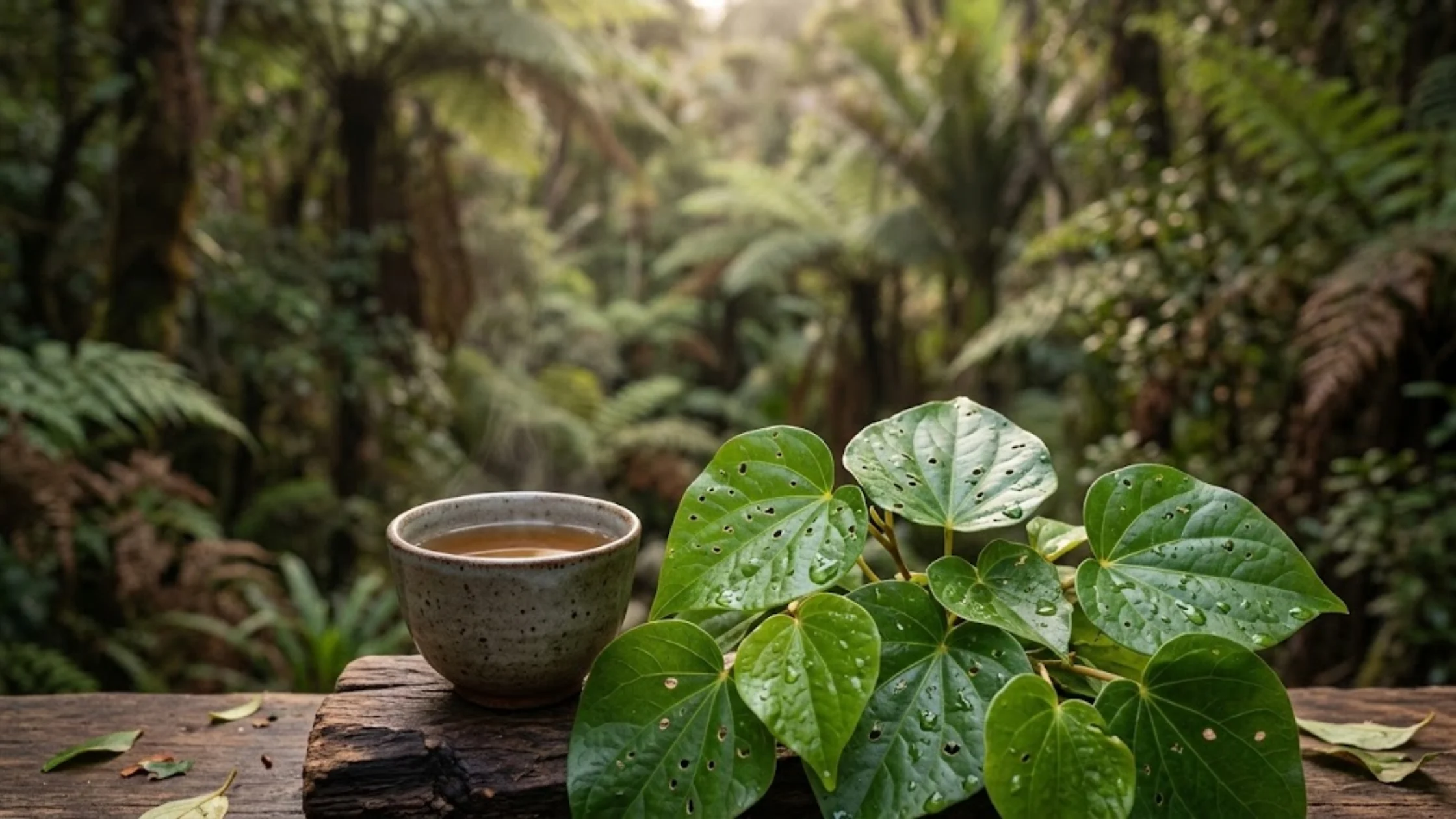
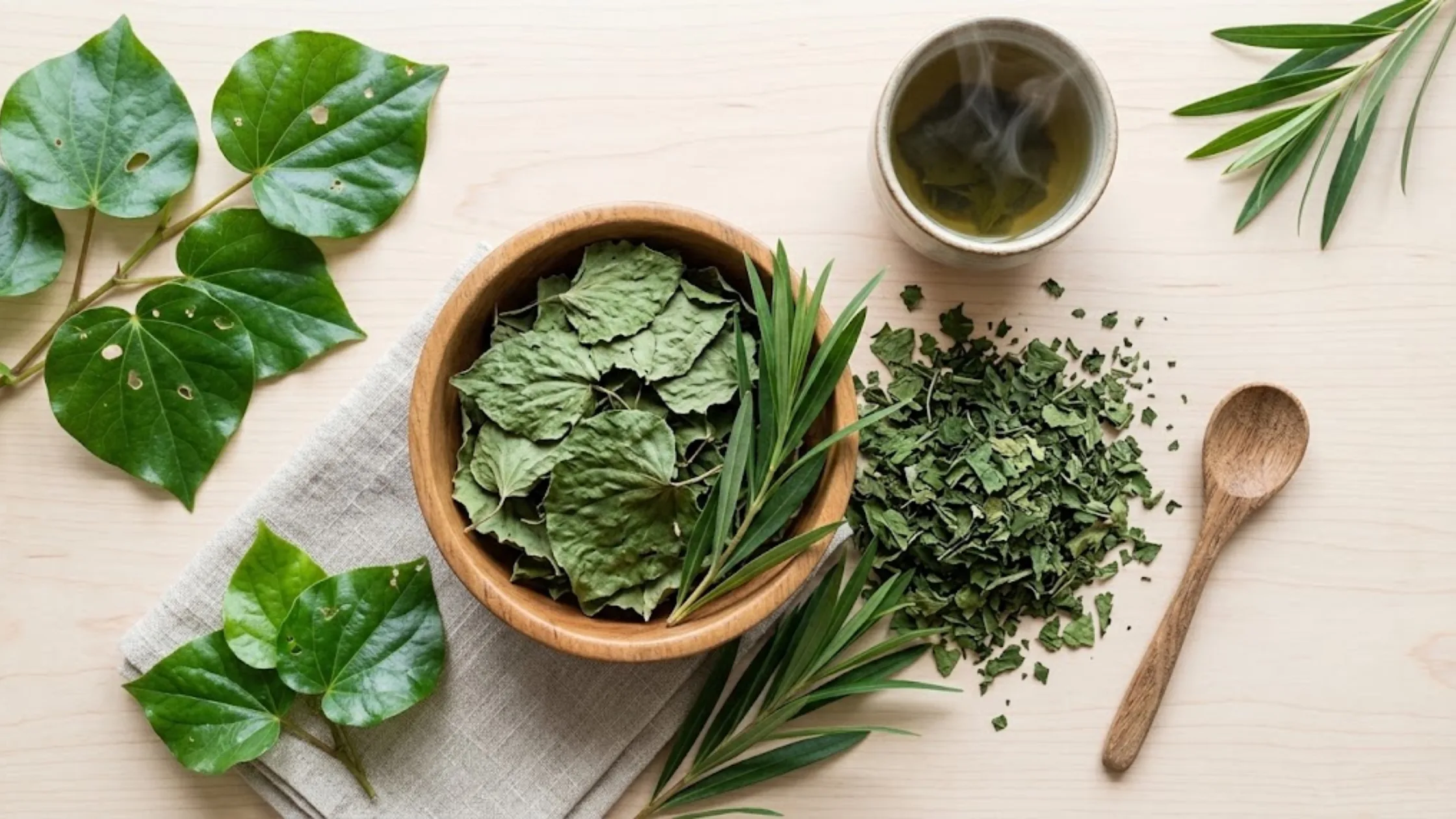
If horopito is the fiery cousin, kawakawa is the gentle, dependable one. Its glossy, heart-shaped leaves are among the most recognisable in rongoā Māori, and it’s been used for centuries as a tea, a poultice, and a general tonic.
What the Science Actually Says
This is where kawakawa pulls ahead of a lot of native herbs: it has real, peer-reviewed research behind it. A 2024 study from the University of Auckland’s Liggins Institute looked at how kawakawa tea affected gene activity linked to inflammation, and found measurable changes in markers such as IL-6 and IL-8 — two proteins the body produces during an inflammatory response. Researchers there have also identified more than 60 biologically active compounds in kawakawa leaves, including one called myristicin, which is thought to help trigger the release of nitric oxide, a molecule that plays a part in calming inflammation.
None of this means kawakawa is a cure for anything. The researchers themselves are careful to say more work is needed. But it does mean kawakawa isn’t just folklore — it’s one of the few native herbs where laboratory evidence and generations of traditional use are starting to line up.
How People Use It Today
Traditionally, kawakawa leaves were steeped as tea to soothe digestive discomfort and ease general aches, chewed for toothache relief, or applied as a poultice to calm irritated skin. Today, you’ll find it in balms, infused oils, and — increasingly — in everyday drinks, since the peppery, slightly warming flavour works surprisingly well chilled or sparkling.
Koromiko: The Quiet Astringent Healer
Koromiko doesn’t get nearly as much attention as horopito or kawakawa, but it deserves a place on this list. This native hebe shrub, found on hillsides and riverbanks across the country, was historically one of the most trusted plants in rongoā Māori for calming irritated tissue.
Traditional Uses Worth Knowing
Koromiko’s defining trait is its astringency — a gentle tightening action that helps tissue form a protective barrier. That’s why it was traditionally chewed for digestive upset, brewed as a soothing tea, and used topically as a poultice for skin conditions and minor wounds. During the Second World War, dried koromiko leaves were even sent to New Zealand soldiers overseas as a natural remedy for stomach complaints — a small but telling sign of how much trust this plant had earned.
Where the Modern Evidence Stands
Koromiko’s anti-inflammatory reputation comes mostly from its astringent action: by gently constricting tissue, it reduces weeping, swelling, and irritation, which is why it was historically favoured for skin conditions and sore, inflamed tissue. Formal clinical trials are still thin on the ground compared to kawakawa, but herbal practitioners consistently point to its antimicrobial and calming properties as the likely reason it worked so reliably for so long.
Mānuka and Kānuka: Beyond the Honey Jar
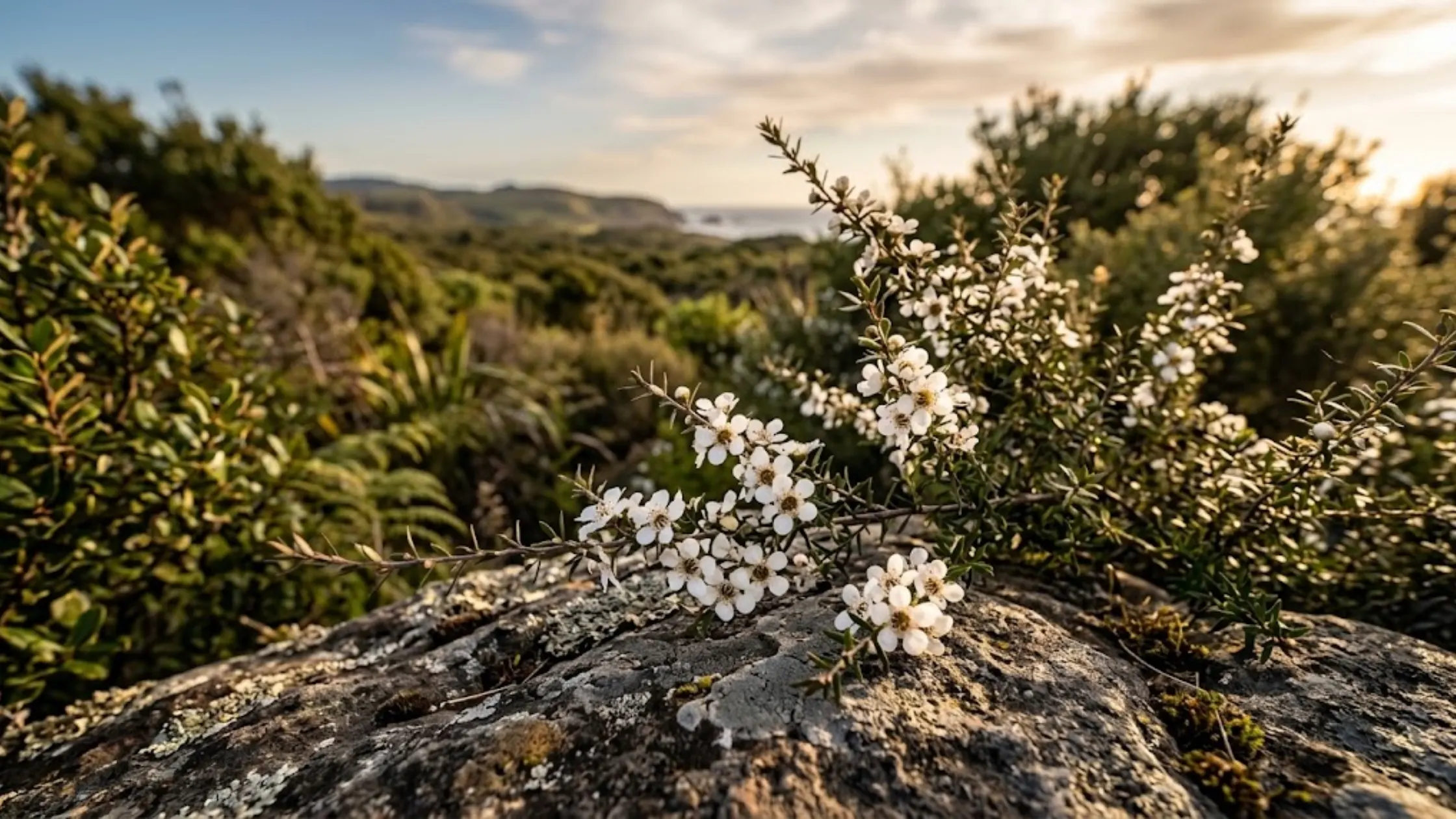
Everyone knows mānuka for its honey. Fewer people realise that the plant itself — leaves, oil, and all — has an anti-inflammatory story that stands on its own, and that its lesser-known cousin kānuka might actually be the stronger performer.
Triketones: The Compounds Doing the Work
Mānuka essential oil is unusually rich in a group of compounds called beta-triketones, including leptospermone and flavesone. These aren’t just responsible for the plant’s distinctive antibacterial punch — research shows they also have a genuine calming effect on inflamed and irritated skin, which is why mānuka oil turns up so often in balms for eczema, insect bites, and general skin redness.
Kānuka’s Emerging Edge
Here’s the twist: while mānuka gets the fame, several reviews of the research suggest kānuka may actually have the edge when it comes to anti-inflammatory strength, even though it’s had far less commercial attention. A New Zealand clinical trial on a kānuka oil-based treatment for adult eczema backed this up, showing real improvement in a condition that’s driven by chronic skin inflammation. Traditionally, kānuka leaves were also brewed as an infusion for fevers and general aches, alongside mānuka.
| Herb | Traditional Use | Key Compounds | Best Known For |
| Kawakawa | Tea, poultice, tonic | Myristicin, over 60 bioactives | Whole-body inflammatory response |
| Koromiko | Poultice, infusion | Tannins, flavonoids | Irritated skin and tissue |
| Mānuka & Kānuka | Infusion, topical oil | Beta-triketones (leptospermone, flavesone) | Skin redness and irritation |
Key Benefits of Bringing These Herbs Into Your Routine
Weaving native herbs into everyday life isn’t about chasing a miracle fix — it’s about stacking small, consistent habits that support your body over time. Kawakawa’s gentle warming action makes it a comforting everyday tonic, while koromiko’s soothing effect on skin and tissue makes it a natural fit for anyone dealing with recurring irritation. Mānuka and kānuka round things out with a calming effect that’s been trusted for generations and is now backed by clinical research on skin health specifically. Together, these three herbs offer a genuinely native alternative to imported “superfood” ingredients — grown, harvested, and understood right here in Aotearoa.
Bringing It Into Your Day
You don’t need to forage the bush or brew your own tea from scratch to benefit from this. That’s the whole idea behind Atutahi’s range — founder Reni Wereta-Gargiulo turned to kawakawa leaves herself when arthritic pain in her hands had her reaching for more and more artificial pain relief, and that personal experience became the starting point for a whole line of low-sugar drinks built around native New Zealand botanicals.
Every batch is harvested with tikanga (proper practice) and karakia (prayer) at key whānau sites across Te Waipounamu, so what you’re drinking carries the same respect for the plant that healers have always shown. If you’re curious how this fits into a wider wellness routine, Your Health walks through the thinking in more depth, and What We Value explains the principles behind how everything is grown and gathered.
Ready to Feel the Difference?
If aching joints, flare-ups, or that general “worn down” feeling have you looking for something more sustainable than another packet of tablets, native herbs are worth a proper look — not as a replacement for medical advice, but as a genuinely researched, culturally grounded option sitting right on our doorstep. Explore the full Atutahi product range, find out where to buy near you, or get in touch if you’ve got questions about which blend suits you best.
The Bigger Picture
Horopito opened the door, but it was never the whole story. Kawakawa, koromiko, mānuka, and kānuka each bring something different to the table — one backed by fresh university research, one trusted for generations as a gentle skin healer, and two working through compounds now studied in labs around the world. What ties them together is where they come from: the same whenua (land) that’s shaped Māori wellbeing practices for centuries.
If you’d like to keep exploring, the Atutahi wellness blog has more on individual native herbs, or you can head straight to About Atutahi to read the full story behind why this whānau-run brand exists in the first place.
Frequently Asked Questions
Kawakawa, koromiko, mānuka, and kānuka are the standout options. Kawakawa has university-backed research on inflammatory gene activity, koromiko is traditionally used for calming irritated skin, and mānuka/kānuka contain triketone compounds studied for their anti-inflammatory effects.
Early research is promising but not conclusive. A 2024 University of Auckland study found kawakawa tea changed the activity of inflammation-related genes and proteins. Researchers describe this as encouraging evidence, though larger studies are still needed to confirm the effects.
Koromiko was traditionally chewed or brewed as tea for digestive upset and used topically as a poultice for irritated or weepy skin. Its astringent, tissue-tightening action is thought to explain its long-standing reputation as a gentle skin and gut soother.
Mānuka’s fame rests on honey, but the plant’s essential oil contains beta-triketone compounds with genuine anti-inflammatory properties. These are commonly used in topical balms for skin redness, irritation, and minor wounds, separate from the honey itself.
Both belong to the same plant family and share triketone compounds, but several research reviews suggest kānuka may have a stronger anti-inflammatory effect, despite receiving far less commercial attention than its honey-famous relative.
Many people include kawakawa-based drinks or teas as part of a daily routine, similar to how others drink green tea. As with any herbal product, it’s worth checking with a healthcare professional first, particularly if you’re pregnant, breastfeeding, or on medication.
Atutahi crafts drinks using native ingredients like kawakawa, harvested with tikanga across Te Waipounamu. You can shop directly online or check the stockists page for retailers near you.
Generally, traditional preparations are considered gentle, but “natural” doesn’t automatically mean risk-free alongside prescription medication. Always check with your doctor or pharmacist before combining herbal products with existing treatment, especially for chronic conditions.
Rongoā Māori is the traditional Māori healing system, built around native plants (rongoā rākau), physical practices like massage, and spiritual elements such as karakia. It reflects a holistic view of wellbeing that connects the person, the land, and the water.
Atutahi’s founder began using kawakawa leaves personally for arthritic pain before turning that experience into a line of low-sugar drinks. Every batch is harvested with tikanga and karakia, honouring the same traditional respect these herbs have always been given.