

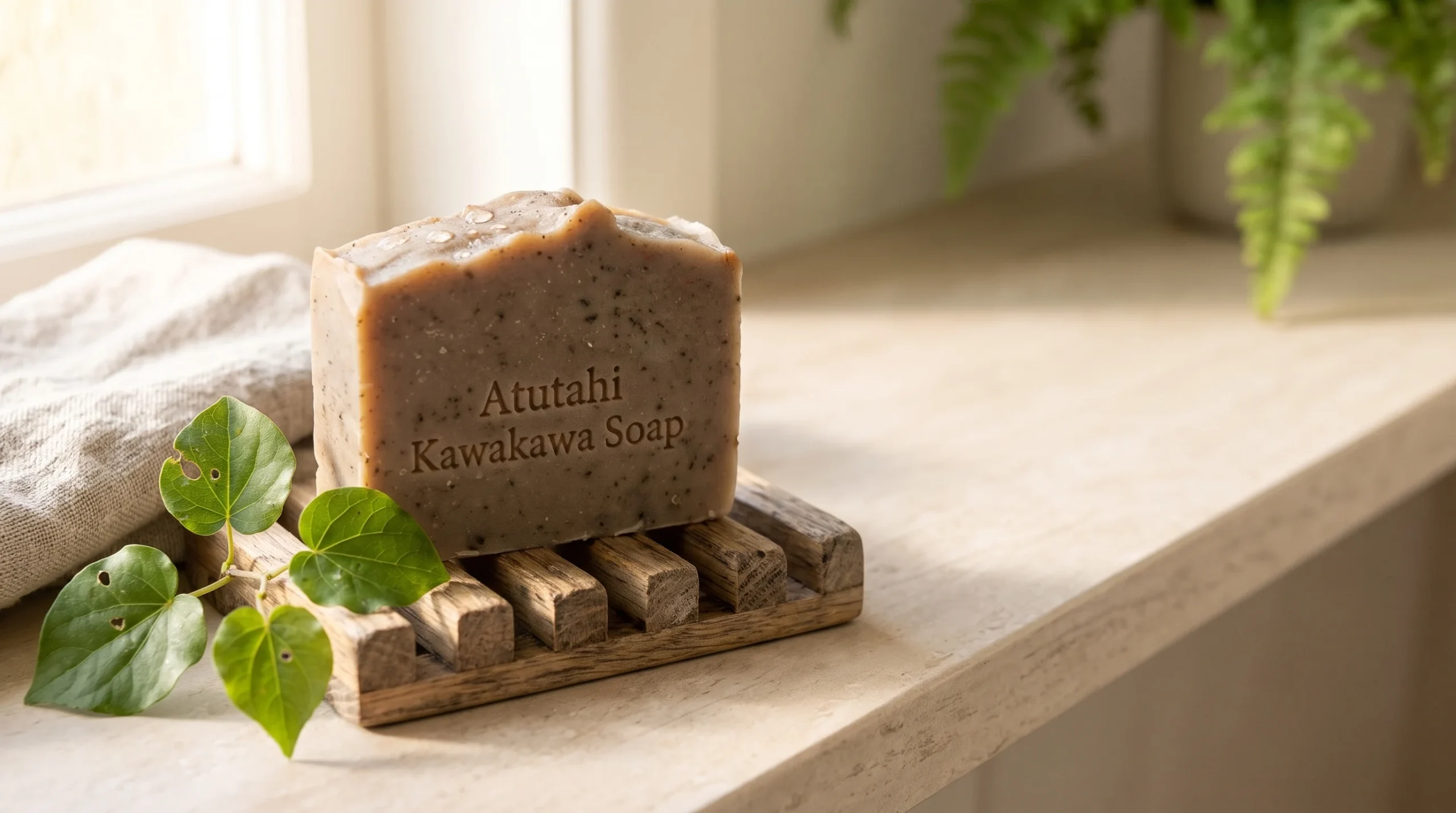
Why Your Handmade Soap Melts So Fast (and How to Stop It)
You buy a beautiful bar of handmade soap. It smells lovely and feels gentle on your skin. Then, two weeks later, it’s a soft, sad sliver sitting in a puddle. Sound familiar?
The honest truth is that natural soap wears away faster than supermarket soap, but only because of how it’s made. Handmade bars keep their natural glycerin, a moisturising ingredient that pulls water from the air. They also skip the hard synthetic fillers that mass-produced bars use. That’s great news for your skin. It just means your soap needs a little more care.
The good news? Learning how to make soap last longer takes no special skill. A few small habits can easily double the life of every bar.
If you only have 30 seconds, here’s what matters most:
- Keep it dry between uses. Water is soap’s biggest enemy.
- Use a soap dish that drains. Never let your bar sit in a puddle.
- Keep it out of the shower stream. Put it on a shelf away from running water.
- Cut big bars into smaller pieces. Use one piece at a time.
- Store spare bars somewhere cool, dry and airy. They’ll harden and last even longer.
- Lather with a cloth or soap bag, not by rubbing the bar under the tap.
Keep reading to see how each step works with Atutahi’s Kawakawa Soap.
Key Takeaways
- Natural soap melts faster because it keeps its glycerin and skips synthetic hardeners.
- Keeping your bar dry between uses is the number one way to make it last.
- A slatted or raised soap dish that drains is a must.
- Keep soap out of the shower stream and rinse your dish often.
- Cut large bars into pieces and use one at a time.
- Store spares somewhere cool, dry and airy, never sealed in plastic.
- Lather with a cloth or soap saver bag and rotate two bars.
- Shop Kawakawa Soap and give it the care it deserves.
What “Making Soap Last Longer” Really Means
Making soap last longer is about controlling one thing: how long your bar stays wet. Every minute your soap sits in water or steam, the outer layer softens and washes away. A bar that dries out fully between showers loses far less each day.
This matters even more with natural soap. Atutahi’s Kawakawa Soap is made by hand in small batches in Nelson using a slow process. It blends wild-harvested kawakawa leaf, mineral-rich black clay, frankincense and patchouli. There are no sulfates or harsh synthetic hardeners. If you’d like to know why that’s kinder to your skin, our guide on natural soap vs commercial soap for sensitive skin explains it well.
So, the care tips below aren’t about fixing a flaw. They’re about looking after something made with care. Think of it like a good wooden chopping board. It lasts for years if you dry it properly.
7 Simple Steps to Make Your Kawakawa Soap Last Longer
These steps are listed in the order you’ll use them, from the day your soap arrives to the last little sliver.
Step 1: Let New Bars Cure a Little Longer
Handmade soap gets harder and longer-lasting the more time it spends drying in open air. This process is called curing. Soap makers cure bars for weeks before selling them, but extra time at home still helps.
When a new bar arrives, unwrap it and leave it somewhere dry with good airflow for a week or two before you use it. A bookshelf or a linen cupboard works well. The bar will lose a little extra water and feel firmer in your hand. A firmer bar dissolves more slowly in the shower.
If you buy two or three bars at once, this becomes easy. You use one while the others cure.
Step 2: Choose a Soap Dish That Drains
A soap dish that drains is the single best thing you can buy to protect your soap. A flat dish traps water under the bar. The bottom turns into slimy paste, and that paste washes down the sink every time you rinse.
Look for a dish that lifts the soap up and lets water run away. Here’s a quick comparison:
| Soap Dish Type | How Well It Drains | Best For |
| Flat ceramic dish | Poor, water pools under the bar | Decoration only |
| Slatted wooden dish | Good, air flows underneath | Bathroom shelves and sinks |
| Raised ridge or “waterfall” dish | Excellent, water runs straight off | Busy family bathrooms |
| Natural loofah or sisal pad | Good, soaks up and dries fast | Eco-friendly homes |
| Soap dish with standing water | Very poor | Avoid completely |
Tip: tip out and rinse your soap dish every few days. Even a well-draining dish can collect soap residue that holds moisture.
Step 3: Keep Your Soap Out of the Shower Stream
Your soap should never sit where the shower water can hit it. Constant splashing is like slowly washing the bar while you’re not even using it.
Place your soap on a shelf or caddy on the opposite side of the shower from the showerhead. Better still, keep it just outside the shower on a sink or windowsill and bring it in only when you need it. Steam still reaches it there, but far less than direct spray.
It also helps to rinse the bar quickly after use and give it a gentle shake. Less water on the surface means it dries faster.
Step 4: Cut Large Bars Into Smaller Pieces
Cutting a bar in half or into thirds means only a small piece is exposed to water at once. The rest stays dry, firm and fresh until you need it.
Use a clean, sharp kitchen knife and a chopping board. Cut straight down in one smooth movement. If the bar feels hard, warm the knife under hot water first. A thin cheese wire also works well.
Smaller pieces fit nicely in your hand, dry faster on the dish and are less likely to slip and land on the shower floor. Store the extra pieces with your spare bars (see Step 5).
Step 5: Store Spare Bars the Right Way
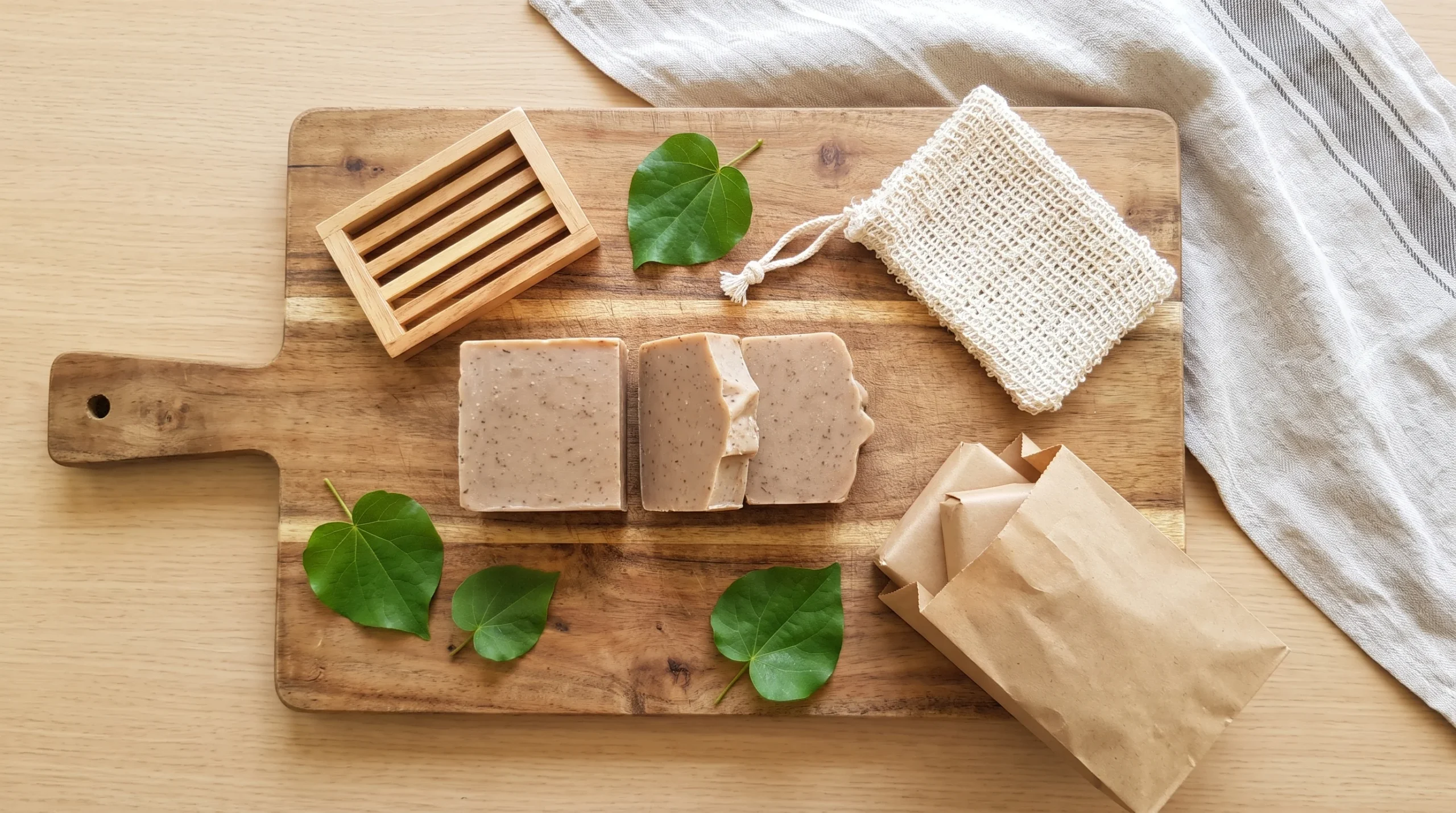
Spare soap lasts longest when it’s kept cool, dry and able to breathe. Heat can soften natural oils, damp air can make bars sweat, and sealed plastic traps moisture.
Here’s where to keep your spares:
| Storage Spot | Good or Bad? | Why |
| Linen cupboard or wardrobe | Great | Dry, dark, and your towels smell lovely |
| Open shelf away from windows | Good | Plenty of airflow, no direct sun |
| Paper bag or cardboard box | Good | Lets the soap breathe |
| Sealed plastic container | Not ideal | Traps moisture and can make bars sweat |
| Under the bathroom sink | Avoid | Damp, steamy and often warm |
| Sunny windowsill | Avoid | Heat and light can fade the scent |
A lovely bonus: tucking a bar of Kawakawa Soap among your sheets gives them a soft, earthy frankincense and patchouli scent.
Step 6: Lather With a Cloth or Soap Saver Bag
Rubbing a bar directly under running water uses far more soap than you need. A face cloth, sponge, loofah or soap saver bag creates a rich lather from just a few swipes.
A soap saver bag is a small mesh or sisal pouch. You pop your bar inside, wet it, and scrub. It helps the soap foam well, adds gentle exfoliation, and lets the bar drain when you hang it up. It’s also perfect for using up tiny leftover pieces.
Step 7: Rotate Two Bars So Each Can Dry Fully
If your household showers often, give each bar a full day to dry out. Use one bar on Monday, a second on Tuesday, then swap back. A fully dry bar is a hard bar, and hard bars last.
This trick works especially well in winter, when bathrooms stay steamy for hours. It’s also handy if you share a bathroom with whānau or flatmates.
Common Mistakes That Make Natural Soap Disappear
Most soap waste comes from a handful of everyday habits. If your bars still melt quickly after trying the steps above, check for these:
- Leaving soap on the edge of the bath where it sits in water for hours.
- Using a dish with no drainage holes or a dish that’s never emptied.
- Keeping your bar in a closed shower caddy right under the showerhead.
- Letting children “play” with soap in the bath (fun, but expensive).
Fix even one of these and you’ll notice the difference within a week.
What to Do With Leftover Soap Slivers
Those last little pieces are still perfectly good soap. Don’t throw them out.
You can press a damp sliver onto the face of a new bar and let them dry together overnight. They’ll fuse into one. You can also collect slivers in your soap saver bag and keep using them until they’re gone. Some people even pop small pieces into a drawer as a natural freshener.
This fits with the way Atutahi thinks about waste and respect for natural ingredients. You can read more about that on our What We Value page and in our post on how Atutahi chooses ingredients with integrity.
Key Benefits of Looking After Your Natural Soap
When you know how to make soap last longer, you gain more than just a few extra showers:
- You save money. One $8 bar of Kawakawa Soap can last weeks longer with the right care.
- You waste less. Less soap goes down the drain and into our waterways.
- Your soap stays nicer to use. A firm, dry bar lathers better and feels cleaner than a mushy one.
- The scent lasts longer. Proper storage protects the frankincense and patchouli notes.
- You get more from every native ingredient. Kawakawa is a taonga plant in rongoā Māori. Caring for the soap honours that. Learn more in our guide to rongoā Māori plants for daily wellness.
Ready to Try a Natural Bar That’s Worth Looking After?
Now that you know how to make your soap last, it’s the perfect time to choose one worth caring for. Atutahi’s Kawakawa Soap is made by hand in Nelson with wild-harvested kawakawa, black clay, frankincense and patchouli. It’s gentle, earthy, and free from sulfates and synthetic fragrance.
Curious about what kawakawa does for your skin? Read the hidden perks of Kawakawa Soap for your skin, discover why Kawakawa Soap is so popular in New Zealand, or see how it fits into a gentle daily wellness routine.
Pick up two or three bars so one can cure while you use the other. You can browse the full Atutahi range, find a stockist near you, or get in touch with our team if you have questions. Don’t forget to join the Atutahi community newsletter at the bottom of any page for new posts and seasonal specials.
Small Habits, Longer-Lasting Soap
Learning how to make soap last longer comes down to one simple idea: keep it dry. Let new bars cure, give them a dish that drains, keep them away from the shower spray, and store your spares where air can move around them.
None of these steps takes more than a few seconds. Yet together, they turn a soap that vanishes in a fortnight into one that keeps going for weeks. That means less waste, more value and more time enjoying the earthy scent of kawakawa in your daily shower.
Handmade soap is made with care. With a little care from you, too, every bar can go much further.
Frequently Asked Questions
Keep your soap as dry as possible between uses. Put it on a soap dish that drains, away from the shower spray, and rinse off extra water after each wash. Lather with a cloth or soap saver bag instead of rubbing the bar under the tap. If you shower often, rotate two bars so each one dries fully. These small habits can easily double the life of a natural, handmade bar of soap.
Shake off extra water after use, then place the bar on a slatted or raised dish so air can reach the bottom. Keep it out of the steamiest part of the bathroom, such as a sink or windowsill outside the shower. Opening a window or running the fan helps too. Turning the bar over once a day also lets both sides dry. Smaller cut pieces also dry much faster than one full-sized bar.
Long-lasting bars usually come from small-batch makers who cure their soap properly. Atutahi’s Kawakawa Soap is handmade in small batches in Nelson with kawakawa leaf, black clay, frankincense and patchouli, and it lasts well with good care. Whatever brand you pick, how you store and use the bar matters as much as the recipe. A dry, well-drained bar always goes further than one left in water.
Store spare bars somewhere cool, dry and airy, like a linen cupboard or an open shelf away from the window. A paper bag or cardboard box is fine because it lets the soap breathe. Avoid sealed plastic, which traps moisture, and avoid storing soap under the bathroom sink where it’s warm and damp. For the bar you’re using, a well-draining soap dish out of the shower spray is the key.
Handmade soap keeps its natural glycerin, which draws moisture from the air and helps keep your skin soft. Many supermarket bars remove the glycerin and add hardeners or synthetic fillers, which makes them firmer but often harsher on skin. So natural soap is a little softer by nature. That’s not a fault. It just means good drying and storage habits make a bigger difference to how long it lasts.
Yes, if you have time. Leaving a new handmade bar unwrapped in a dry, airy spot for one to two weeks lets it lose a bit more water. The bar becomes firmer and dissolves more slowly in the shower. Atutahi’s soap is already cured before it’s sold, so extra time is optional, but it’s an easy way to stretch your bars. Buying two or three bars at once makes this habit really simple to do.
Yes. Cutting a bar into halves or thirds means only one small piece meets water at a time, while the rest stays dry and firm. Use a clean, sharp knife on a chopping board and cut straight down in one movement. Warming the knife first helps with a harder bar. Smaller pieces are also easier to hold, dry faster on the dish and are much less likely to slip out of your hand in the shower.
They do. A soap saver bag is a small mesh or sisal pouch that holds your bar while you wash. It turns a few quick rubs into a rich lather, so you use less soap each time. It also adds gentle exfoliation. When you hang the bag up after showering, water drains away and the soap dries. It’s also a great way to use up small leftover slivers instead of throwing them in the bin.
It depends on how often you use it and how it’s stored. A bar used daily by one person might last around three to four weeks with no special care. With a draining dish, good airflow and the bar kept out of the shower spray, many people find the same bar lasts six weeks or more. Cutting the bar and rotating two pieces can stretch it further still, so you buy soap less often.
Don’t throw them away. Press a damp sliver onto a new bar and let them dry together overnight so they fuse into one. You can also drop slivers into a soap saver bag and keep using them until they’re gone. Small pieces tucked into a drawer or wardrobe make a gentle natural freshener too. With Kawakawa Soap, that means a soft, earthy scent of frankincense and patchouli wherever you put it.