
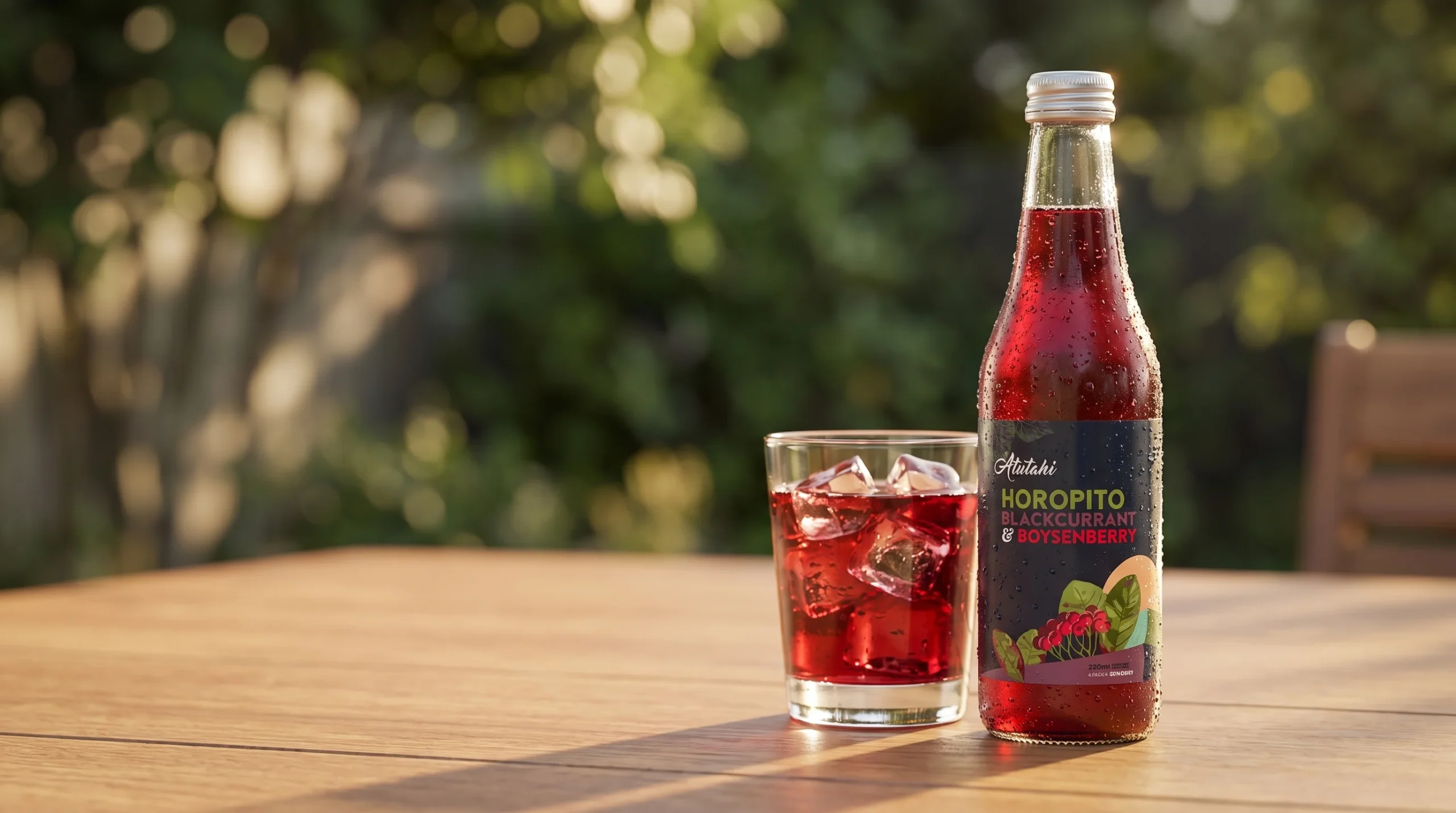
The Long Wind-Down: Why Your Glass Deserves Better Than a Soft Drink or a Sad Squash
It’s 7pm, the sun is still doing its stubborn late-summer thing over Nelson Tasman, and you’re on the deck wondering what to pour. A fizzy drink feels too sugary. Plain water feels too plain. And you don’t fancy a hangover just because it’s Friday. That gap — between “boring soft drink” and “full-strength alcohol” — is exactly where most Kiwis get stuck on a warm evening, and most of what’s sitting in the supermarket chiller doesn’t solve it. It’s either candy-sweet or flavourless.
- The best non-alcoholic drinks in NZ for late summer evenings are native-botanical functional drinks (kawakawa, horopito, kūmarahou blends), not standard mocktails or soft drinks.
- Look for real fruit, low or no added sugar, and NZ-grown ingredients over imported syrups.
- Match the drink to the occasion: something with more complexity for a dinner party, something light and hydrating for a solo evening, and something that still feels celebratory if you’re the designated driver.
- Atutahi’s Kawakawa Lemon & Lime and Horopito Blackcurrant & Boysenberry are two Nelson-made, sugar-conscious picks worth having in the fridge this season.
So, what actually belongs in that glass? Over the next few minutes, you’ll get a clear answer, along with the tasting notes, the occasion-by-occasion picks, and the reasoning behind why native botanicals are quietly becoming the go-to alternative for evening drinking in Aotearoa.
Key Takeaways
- Native-botanical drinks (kawakawa, horopito, kūmarahou) offer more flavour complexity than standard mocktails, closer to a spirit-based drink than a soft drink.
- Match your drink to the occasion: bold and fruity for dinner parties, light and citrusy for solo evenings, mild and approachable for designated drivers.
- Lower sugar content makes these drinks easier to enjoy more than once across a long evening.
- Choosing Atutahi supports a Māori-owned, Nelson Tasman-made brand using genuinely local ingredients.
- Start with a single flavour or the mixed pack if you’re not sure where to begin.
Finding Your Perfect Late Summer Evening Drink
Late summer evenings in New Zealand ask for something specific: a drink that’s refreshing without being watery, flavourful without being sickly sweet, and sociable enough to hand to a guest without an apology. This guide breaks that down into three parts. First, a straight answer to what’s actually worth drinking right now. Second, a proper look at the difference between a generic mocktail and a native-botanical functional drink, including what each one tastes like. Third, an occasion-based guide so you’re not guessing between a dinner party bottle, a solo evening can, and something suitable if you’re behind the wheel later.
What Are the Best Non-Alcoholic Drinks in NZ Right Now?
Beyond the usual mocktails, native-botanical functional drinks made with kawakawa or horopito offer a depth of flavour that sits closer to a spirit-based drink than to a soft drink. They’re peppery, herbal, slightly bitter at the edges, and built to be sipped slowly rather than skulled.
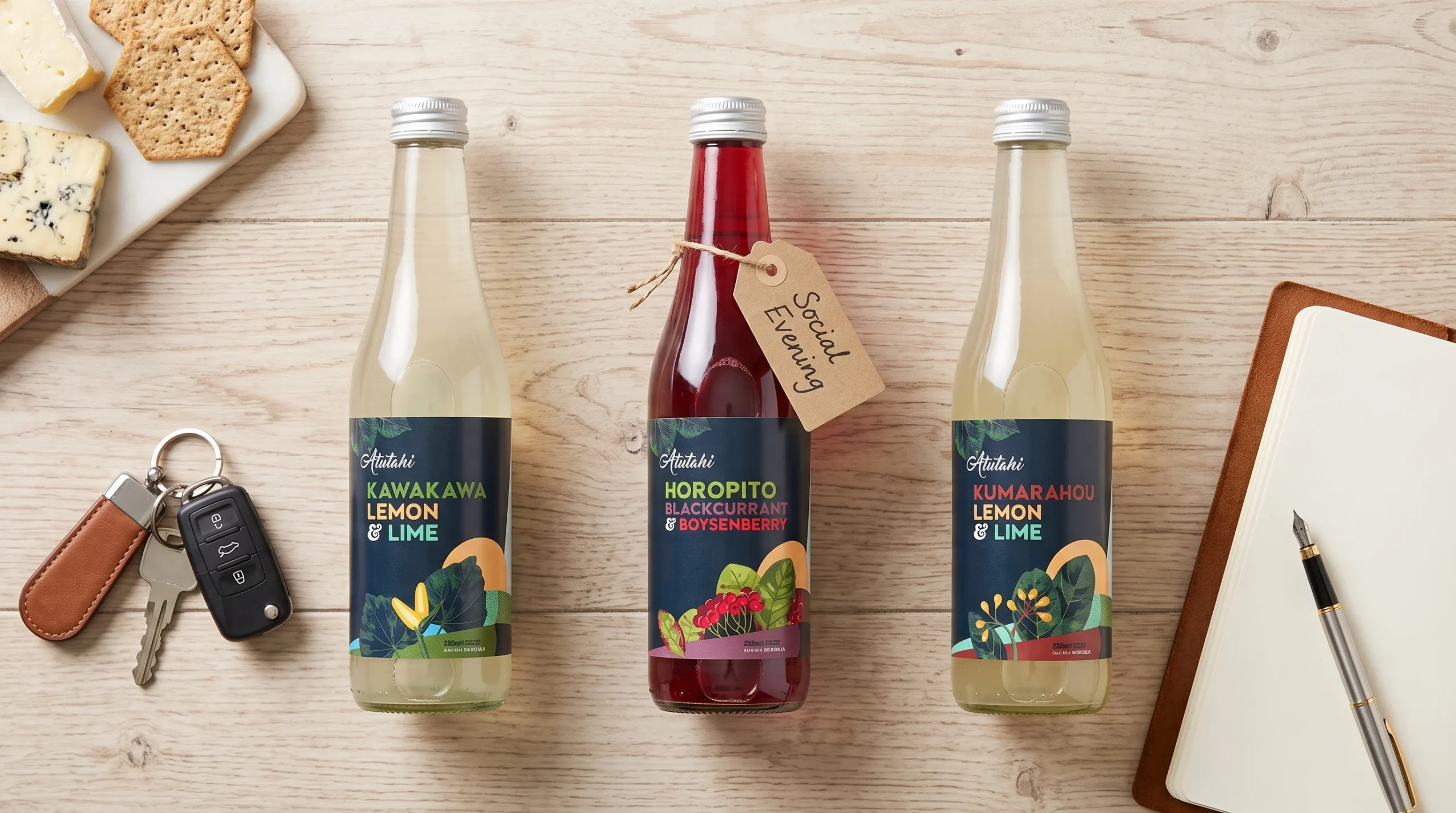
For a dinner party, Atutahi’s Horopito Blackcurrant & Boysenberry pours like a mocktail and holds its own next to a cheese board. For a quiet solo evening, Kawakawa Lemon & Lime is lighter and more citrus-forward, closer to a herbal soda. And if you’re the designated driver, the Kūmarahou Lemon & Lime gives you something to hold and sip that doesn’t scream “I’m not drinking” the moment someone glances at your glass.
This matters because most non-alcoholic options on New Zealand shelves fall into one of two camps: full-sugar soft drinks, or thin “zero” versions that taste like flavoured water. Native botanicals sit in a third lane altogether, and it’s worth understanding why.
Native Botanicals vs Everyday Mocktails: What’s the Real Difference?
A standard mocktail is usually built from juice, syrup, and soda water. It tastes pleasant, but it’s mostly sugar and dilution, and the flavour fades fast on the palate. A native-botanical drink starts from a completely different base: an actual plant with its own flavour compounds, brewed or infused rather than just flavoured.
Kawakawa tastes earthy and slightly peppery, with a green, almost tea-like backbone. Paired with lemon and lime, it turns into something bright but grounded — a drink you’d genuinely reach for at 6pm rather than only at a party.
Horopito carries a natural warmth and a mild peppery bite of its own, which is why it works so well against something rich and fruity like blackcurrant and boysenberry. The tartness of the berries and the herbal heat of the horopito balance each other out, so the drink never tips into cloying territory.
Kūmarahou is gentler and slightly more floral, which makes the lemon and lime version an easy, all-purpose choice for people who find kawakawa or horopito a bit bold on a first taste.
If you want the fuller story on how these ingredients compare, Kawakawa vs Horopito Drinks: Which Should You Choose? and Get to Know the Local Herbs That Give Our Drinks Their Taste go into more depth on each plant’s character and traditional use.
The Occasion-Based Decision Guide
Not every late-summer evening calls for the same drink. What suits a long dinner with friends isn’t what you’d reach for on your own after a swim, and neither is quite right if you’re driving home later. Here’s how to match the drink to the moment.
| Occasion | What you need | Best pick | Why it works |
| Dinner party or BBQ | Something that reads as “grown-up,” pairs with food, pours well | Horopito Blackcurrant & Boysenberry | Deep berry colour and complex, tart-and-warm flavour make it a natural stand-in for a red wine or dark spirit |
| Solo evening / winding down | Light, easy, not too sweet | Kawakawa Lemon & Lime | Citrus-forward and refreshing without being heavy, so it doesn’t feel like “extra” sugar at the end of the day |
| Designated driver | Something that still feels like a proper drink to hold | Kūmarahou Lemon & Lime | Mild and approachable, but distinctive enough that it doesn’t feel like a consolation prize |
| Sharing a table with mixed drinkers | Flexible enough to pair with wine drinkers | Mixed 15-pack | Everyone gets to choose their own flavour, and it plays fair alongside an alcoholic option without feeling like an afterthought |
Hosting a bigger gathering? The full Seasonal Drinking Guide: What to Sip in Spring, Summer, Autumn and Winter in NZ breaks this down further across the whole year, not just late summer.
Why Late Summer Evenings Need Their Own Approach
Late summer in New Zealand is different from the peak of the season. The days are still warm, but the light softens earlier, and evenings stretch out longer over dinner, drinks, and conversation. That’s a different kind of drinking occasion to a scorching afternoon at the beach, where you mostly just need to be cold and hydrated fast.
In the evening, you want something with more character. This is where a lot of “healthy” drinks fall short — they’re built for hydration, not for sipping slowly over an hour with good company. Native-botanical drinks were designed with exactly that gap in mind: real flavour complexity, genuine NZ-grown ingredients, and a lower sugar profile than a standard soft drink or juice-based mocktail.
If hydration is still part of your evening — say, you’ve come off a run or a swim before settling in — it’s worth reading Beyond the Bottle: Why Plain Water Isn’t Enough for NZ’s Late Summer Heat, which covers how botanical drinks support hydration without the sugar crash of a sports drink.
Key Benefits of Switching to Native-Botanical Drinks This Summer
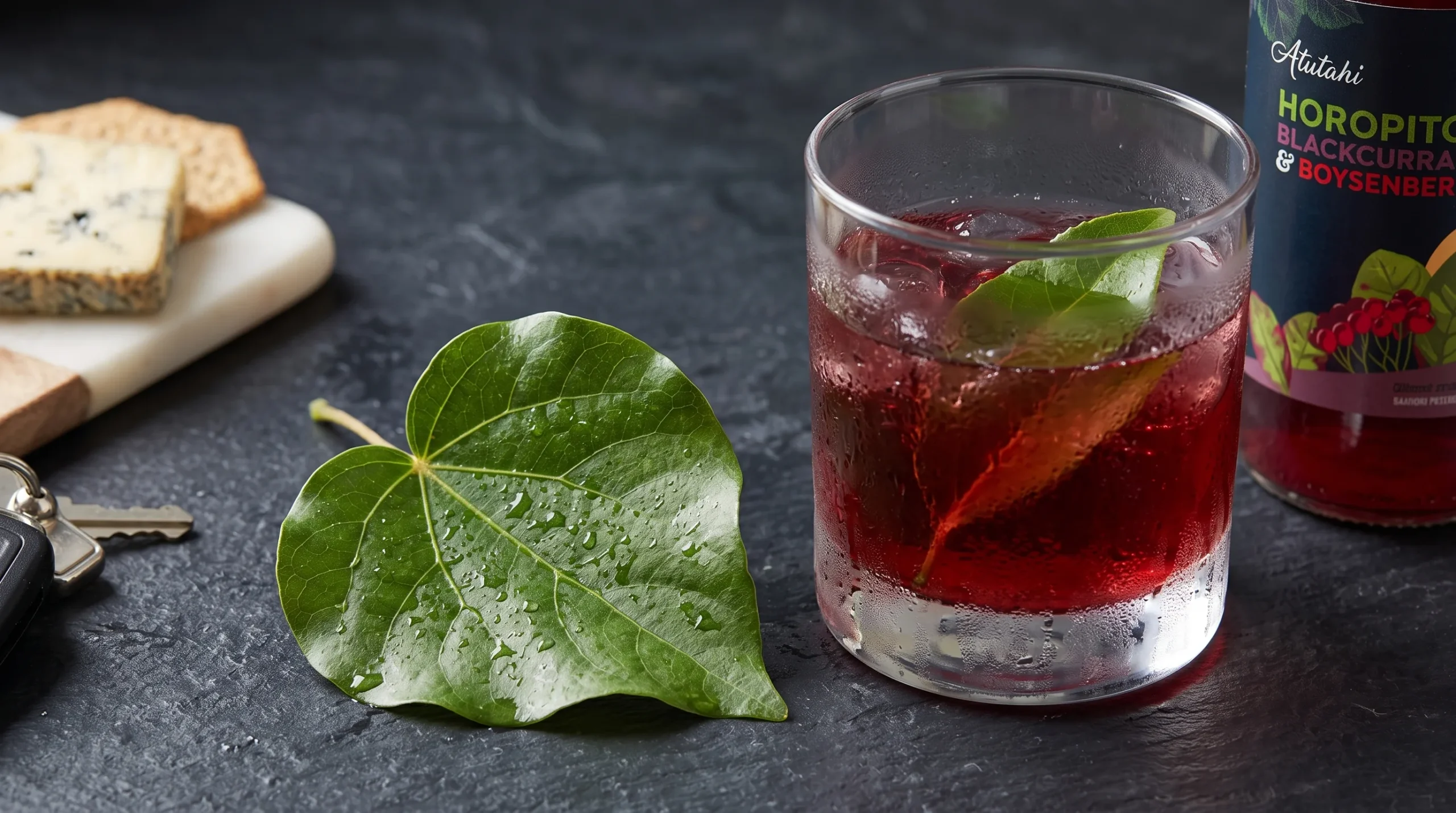
Choosing a native-botanical drink over a standard mocktail or soft drink brings a few real advantages to your evening. The flavour is more layered, so a single glass lasts longer without feeling repetitive. Most of Atutahi’s range carries less sugar than a typical soft drink, which matters if you’re pouring more than one over the course of an evening. And because the ingredients — kawakawa, horopito, kūmarahou — are grown and made in New Zealand, you’re supporting a Māori-owned, Nelson Tasman-based business rather than an imported syrup brand.
There’s also a health and sourcing angle worth knowing about, not just a taste one. If you’re curious how these native ingredients fit into everyday wellbeing, Your Health covers the traditional and nutritional background of kawakawa, horopito, and kūmarahou, while What We Value explains how Atutahi sources and grows its ingredients with integrity.
There’s also a social benefit that’s easy to overlook. A drink with genuine depth of flavour doesn’t need to be explained or apologised for at a gathering. It simply belongs on the table.
Bring the Evening Home: What to Do Next
If tonight’s the night you want to upgrade the glass in your hand, start with a single bottle or can rather than committing to a full case. Try the Kawakawa Lemon & Lime if you want something light and citrusy, or the Horopito Blackcurrant & Boysenberry if your evening calls for something with more depth. Not sure which flavour suits your household? The Mixed 15-Pack lets everyone try a bit of everything before you settle on a favourite, or browse the full range to see everything on offer at once.
For stockists across the country, find your nearest Atutahi stockist or check Where to Buy Atutahi Throughout New Zealand for the full regional list. If you’d rather order online, Where to Buy Māori Wellness Drinks Online in NZ: 2026 Guide walks you through the options. And if you’d like recipe ideas, seasonal pairing tips, or help choosing between flavours, you can get in touch with Atutahi directly, or browse more seasonal reading on the Māori Wellness Blog.
Wrapping Up the Search for a Better Evening Drink
The gap between “boring soft drink” and “full-strength alcohol” doesn’t have to stay empty. Native-botanical drinks fill it with something that actually tastes like it was made for the occasion, not just squeezed into a bottle to tick a “healthy” box. Whichever flavour you land on, the goal is the same: a drink that suits the moment, whether that’s a dinner party, a quiet night in, or a drive home later. Pour one, take it slow, and let the evening stretch out a little longer.
Frequently Asked Questions
Native-botanical drinks made with kawakawa, horopito, or kūmarahou are among the best options, offering more complexity than a standard soft drink or juice-based mocktail. They’re lightly sweetened, NZ-grown, and suited to slow sipping rather than skulling, which makes them a better match for a long summer evening than a sugary fizzy drink.
For a BBQ, look for something with enough character to sit alongside grilled food and wine drinkers. A berry-based botanical drink, like a horopito and blackcurrant blend, pairs well with smoky meats and salads, while a mixed pack lets guests choose their own flavour without you having to guess everyone’s taste.
Many native-botanical brands, including Atutahi, are stocked in independent grocers, health food stores, and select supermarket chillers across New Zealand. Availability varies by region, so checking a brand’s stockist page before you shop saves a wasted trip, especially outside the main centres.
Auckland has a growing range of specialty grocers and online retailers stocking NZ-made functional drinks suited to entertaining. Native-botanical options travel well for dinner parties, since their flavour profile is closer to a crafted drink than a basic soft drink, making them easy to serve without extra mixing or garnish.
New Zealand’s non-alcoholic drink scene includes a mix of native-botanical brands, sparkling water companies, and imported alcohol-free spirits. Māori-owned brands using ingredients like kawakawa and horopito, such as Atutahi, stand out for combining local sourcing with genuine flavour depth rather than relying on imported syrups or concentrates.
Yes. Local fruits like feijoa, boysenberry, and blackcurrant work well muddled into a botanical drink base with soda water and fresh mint or lemon. Using a flavoured functional drink as your starting point, rather than plain juice, adds more complexity to a homemade mocktail without needing extra syrups.
Several NZ wellness and beverage brands, including Atutahi, offer online ordering with nationwide delivery, so you can stock up on non-alcoholic options without visiting a physical store. Delivery times and minimum order sizes vary by retailer, so it’s worth checking before ordering ahead of an event.
Sparkling native-botanical drinks and flavoured sparkling waters both work well outdoors, as they stay refreshing in the heat without needing ice constantly topped up. A berry or citrus-based botanical drink adds more flavour than plain sparkling water while still feeling light enough for a hot afternoon.
NZ food and lifestyle sites regularly publish seasonal mocktail recipes using local ingredients like feijoa, kawakawa, and native berries. Many wellness drink brands, including Atutahi, also share pairing and recipe ideas on their own blogs, which can be a useful starting point if you want NZ-specific flavour combinations.
Non-alcoholic spirits are designed to mimic the ritual of a cocktail and usually need mixing with a tonic or soda. Native-botanical drinks like Atutahi’s range are ready to drink straight from the bottle or can, with their flavour built in, making them a simpler option if you want something poured and ready in under a minute.