
Standing at the Fridge: Can or Bottle?
You want a drink that tastes great, stays fresh and fits your day, but the packaging choice isn’t always obvious. Should you grab the glass bottle because it feels nicer, or the can because it’s lighter? Most of us pick on habit. Yet the container does change a few things: how well the drink is protected, how easy it is to carry and what happens to it after you’ve finished.
This guide compares cans vs glass bottles for botanical drinks in a simple, honest way. We look at taste, freshness, light protection, portability and recycling in New Zealand. Then we match each one to real life, from school lunchboxes to tramping trips. That’s also why Atutahi offers its native drinks in both formats: different days need different packs.
Neither cans nor glass bottles are “better” across the board. Each one wins in different places.
| If you care most about… | Better choice | Why |
| Blocking light | Can | Aluminium lets no light in at all |
| Pure, neutral taste | Glass (or either, poured into a glass) | Glass doesn’t react with anything |
| Carrying and lunchboxes | Can | Lighter, won’t shatter, chills fast |
| Gifting and the table | Glass | Looks and feels more special |
| Recycling in NZ | Both | Both go in kerbside bins nationwide |
| Lowest transport weight | Can | Much lighter to move around |
Short version: pick cans for on-the-go days and glass for gifting and sharing. Both keep the good stuff inside.
Key Takeaways
- Cans block all light, so they best protect delicate botanical flavours and colours.
- Glass gives the most neutral taste, but pouring either into a glass evens things out.
- Both seal out air well; heat and storage matter more than the container.
- Cans are lighter, safer and chill faster: ideal for lunchboxes and tramping.
- Glass feels premium: ideal for gifting and the dinner table.
- Both are recyclable kerbside across NZ; rinse them and recycle every time.
- Atutahi offers both: bottle 15-packs and can 18-packs.
What This Comparison Covers
Drink packaging does three jobs: it protects the drink, it gets the drink to you, and it ends up somewhere afterwards. A good choice does all three well. For a botanical drink, protection matters a lot. Native plants like kawakawa, horopito and kūmarahou bring delicate flavours, and those flavours can fade if heat, light or air get in.
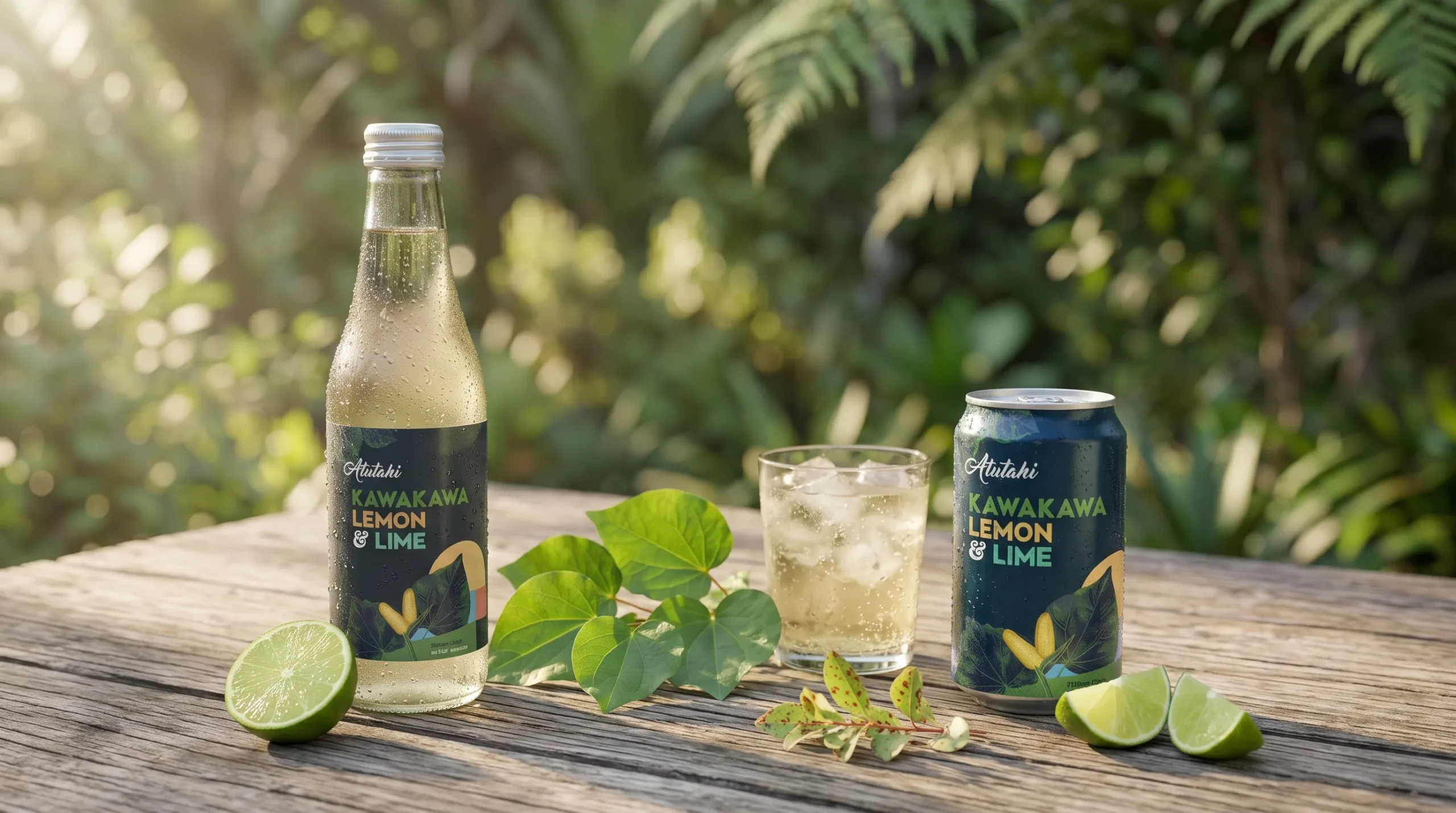
You’ll find Atutahi drinks in two main formats. There are 330ml glass bottles, sold in 15-packs like the Mixed 15 Pack, and cans, sold in mixed 18-packs like the Horopito Blackcurrant & Boysenberry and Kawakawa Lemon & Lime 18 pack. The drink inside is the same Nelson-brewed recipe. Only the container changes, so the rest of this guide is about how that container affects your experience.
Cans vs Glass Bottles: The Five Things That Matter
1. Taste: Does the Container Change the Flavour?
In a blind test, most people can’t tell a well-made canned drink from a bottled one. That surprises a lot of people, because “cans taste metallic” is a common belief. Modern drink cans have a thin, food-safe lining on the inside. Your drink touches that lining, not the bare metal.
So why do some people still notice a difference? It usually comes down to your nose and lips, not the drink. When you sip straight from a can, you smell the aluminium rim and feel the cold metal. That can colour what you think you taste. Glass is completely neutral, so there’s nothing extra to notice.
The easy fix is to pour it out. If flavour is your top priority, pour your can into a glass with ice. You’ll get the full aroma of the native herbs, and you’ll taste the botanicals the way they were meant to be tasted. Straight from the bottle, glass gives you the purest sip.
2. Freshness: Keeping the Fizz and Flavour In
Both cans and glass bottles are excellent at keeping air out of the drink itself. Glass doesn’t let oxygen pass through. Aluminium doesn’t either. The weak point for both is the seal at the top, where the cap or lid meets the container.
Cans have a slight edge here. A can is one sealed metal shell with a tightly folded lid, so there are very few places for air to sneak in or bubbles to sneak out. A glass bottle relies on its cap, which is very good but not quite as tight over long periods.
In everyday life, the difference is small. If you drink your Atutahi within its best-before date and store it well, both formats will taste fresh and lively. Heat matters far more than the container. Keep your drinks somewhere cool and they’ll stay at their best.
3. Light Protection: Why Sunlight Is the Hidden Enemy
Light is where cans clearly win. Sunlight and bright shop lights can slowly break down natural colours and delicate flavour compounds. That’s a real concern for drinks made with real fruit and plant extracts, because there are no artificial colours propping things up.
Aluminium blocks 100% of light. It doesn’t matter if a can sits on a sunny windowsill or a bright shelf; no light reaches the drink. Glass is different. Dark brown glass blocks most harmful light, green glass blocks some, and clear glass blocks very little.
This doesn’t mean glass is a bad choice. It just means you should treat it with a little care. Store glass-bottled drinks in a cupboard, carton or fridge, not on a sunny bench. Atutahi’s own storage advice says the same: keep drinks somewhere cool and dry, away from direct sunlight. Do that, and your bottles will taste just as good as the day they were filled.
4. Portability: Weight, Safety and Chilling Speed
Cans are the easy winner for anything that involves carrying. An empty can weighs only a fraction of an empty glass bottle. Multiply that across a 15 or 18-pack and you feel the difference in your arms, your bag or your chilly bin.
Cans also don’t shatter. That matters at the beach, on the sports field, at school and anywhere with bare feet or small children. Many campgrounds, events and pools also restrict glass for exactly that reason.
Cans chill faster, too. Thin aluminium moves the cold quickly, so a can in a chilly bin with ice gets cold sooner than a thicker glass bottle. On a hot Nelson afternoon, that counts for something.
Glass has its own strengths here. A bottle feels solid and satisfying in your hand, and it’s lovely to pour from at a table. It’s simply better suited to staying put than to travelling far.
5. Recyclability in New Zealand: Which Is Greener?
Here’s the good news: both cans and glass bottles go in your kerbside recycling bin, anywhere in New Zealand. Since February 2024, every council accepts the same core items, and that list includes glass bottles and jars plus aluminium drink cans. Just rinse them out first.
Both materials can be recycled again and again without losing quality. That’s a big advantage over plastic. The difference is in the details:
| Factor | Aluminium cans | Glass bottles |
| Kerbside recycling in NZ | Yes, nationwide | Yes, nationwide |
| Recycled endlessly? | Yes | Yes |
| Energy to recycle | Around 95% less than making new metal | Less than making new glass, but furnaces still run very hot |
| Where it’s recycled | Usually sent offshore to be remelted | Recycled onshore in Auckland into new bottles and jars |
| Weight to transport | Very light | Heavy, so more fuel per trip |
| Breakage risk in recycling | Low | Breaks easily and can contaminate other recycling |
Cans win on weight and energy, while glass wins on staying local. Recycling aluminium uses a tiny fraction of the energy needed to make it from scratch, and light cans mean lighter delivery trucks. Glass, on the other hand, is collected and turned back into containers right here in Aotearoa.
The greenest choice is the one you actually recycle. A can tossed in the rubbish wastes all of aluminium’s advantages. A bottle that breaks in a mixed bin can spoil other recyclables. Whichever you choose, rinse it, keep lids separate and put it in the right bin. This care for the whenua sits at the heart of what Atutahi values and its approach to sustainability.
Why Atutahi Offers Both Cans and Bottles
Atutahi offers both because real life isn’t one-size-fits-all. A drink you pack for a tramp has a different job from a drink you hand to someone as a gift. Rather than force you into one format, Atutahi lets you choose the pack that suits how you’ll actually use it.
The flavours stay the same in both. Every drink is made in small batches in Nelson using native botanicals and real fruit, with no artificial colours. You can read more about that journey in Behind the Bottle: The Journey of Atutahi Drinks. Whether you choose glass or aluminium, you’re getting the same Māori-owned, locally made drink.
Which Pack Suits Your Day?
[Mid-content image placement]
Lunchboxes: Go for Cans
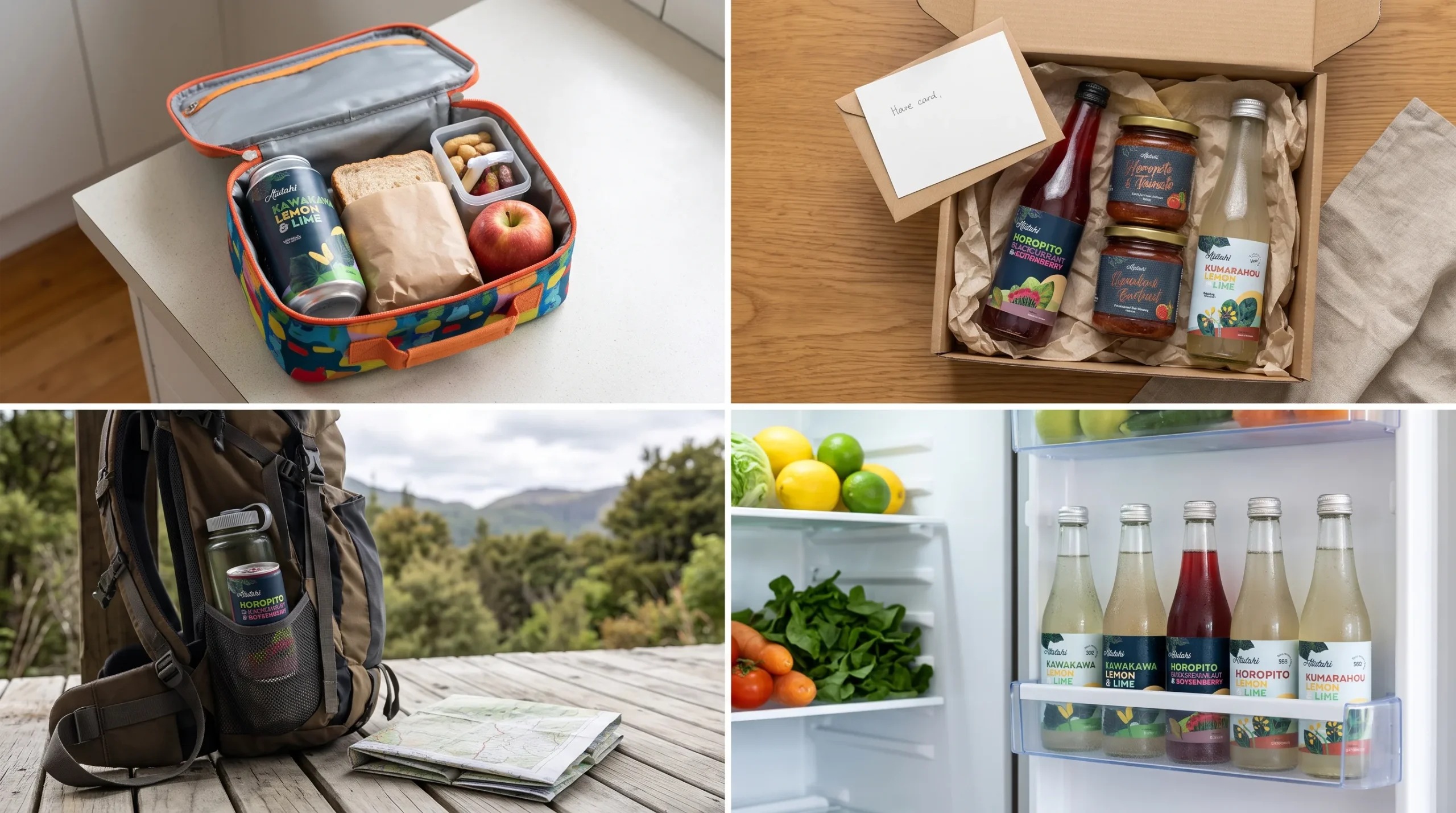
Cans are the safer, lighter pick for school and work lunchboxes. They won’t break if the bag gets dropped, and they’re light enough for small shoulders. Pop one in the fridge the night before and it’ll still be cool by morning tea. For fruity, family-friendly options, try the Horopito Blackcurrant & Boysenberry can pack, and see our low-sugar lunchbox drinks guide for more ideas.
Gifting: Choose Glass
Glass bottles make a gift feel special. They look beautiful, show off the label and feel weighty in your hands. They also pair naturally with jars of chutney in a hamper. The Gift Rua and Gift Wha packs combine bottled drinks with artisan chutneys, ready to give. Our wellness gifts guide and corporate gift packs guide have more inspiration.
Tramping and Outdoor Days: Pack Cans
Cans are made for the trail. Every gram counts when you’re carrying a pack up a hill, and cans weigh far less than glass. They won’t smash against your gear, and once empty, you can crush them flat and carry them out. Remember the outdoor rule of thumb: whatever you carry in, you carry out. A cold can at the hut after a long day is hard to beat. If you’re active, our guide to natural recovery drinks in NZ is worth a read.
The Home Fridge: Either Works Well
At home, choose whichever you prefer. Fridges are dark and cool, so glass bottles are well protected from light. Bottles look lovely lined up on a shelf, while cans stack neatly and save space. Many households keep a mix. The Mixed 15 Pack is a great way to try all three flavours, and our guide on how to build a home wellness fridge shows you how to set it up.
Key Benefits at a Glance
Cans give you light, tough and fully light-proof packaging that’s ideal for moving around. They protect the delicate colours and flavours of native botanicals from sunlight, chill quickly and travel without risk of breakage.
Glass bottles give you a pure, neutral taste and a premium feel that’s perfect for sharing. They’re recycled right here in New Zealand and look the part on a dinner table or in a gift box.
Both give you the same Atutahi drink inside. You get native kawakawa, horopito or kūmarahou, real fruit flavour and a low-sugar choice made in Nelson.
Find Your Pack Today
Ready to choose? Start with your day. If you’re out and about, grab a can pack. If you’re gifting or entertaining, go for glass. Not sure which flavour you’ll love? The Mixed 15 Pack lets you try them all, or you can browse the full range on the Atutahi shop page.
Prefer to buy in person? Check the Atutahi stockists page or read where to buy Atutahi in New Zealand. Have a question about packs, bulk orders or gifting? Contact the Atutahi team, and join the newsletter at the bottom of any page for new flavours and seasonal specials.
Pick the Pack That Fits Your Life
When it comes to cans vs glass bottles, the right answer depends on where your drink is going. Cans win for light protection, weight and toughness. Glass wins for pure taste, presentation and local recycling. Neither one spoils a good drink, as long as you store it cool and out of the sun.
So think about your day, not just the container. Throw a can in your pack for the Abel Tasman, slip one into the lunchbox, and save the glass bottles for gifts and long lunches with whānau. Whichever you pick, you’re enjoying a native botanical drink made with care in Nelson, and you’re doing your bit by recycling it afterwards. Explore the Atutahi range and find the pack that suits you.
Frequently Asked Questions
Both keep drinks fresh and tasty. Glass is completely neutral, so it gives the purest taste straight from the bottle. Cans have a food-safe lining, so the drink never touches bare metal, and they block all light, which protects delicate flavours. Cans also seal slightly tighter over time. For the best taste from either, keep it cool and pour it into a glass to enjoy the full aroma.
Both can be recycled endlessly and both go in kerbside bins across NZ. Cans are very light, so they need less fuel to transport, and recycling aluminium uses about 95% less energy than making new metal. Glass is heavier and needs very hot furnaces, but NZ glass is recycled onshore into new bottles and jars. The biggest impact comes from actually recycling your empties every time.
Many NZ drink makers now use both. Craft breweries and soft drink brands have moved heavily into cans for portability, while premium juices, kombucha and gift-style drinks often stick with glass. Atutahi, a Māori-owned Nelson brand, offers its native botanical drinks in both 330ml glass bottle 15-packs and mixed can packs, so you can choose the format that suits how you’ll drink it.
Usually not by much. Modern cans are lined, so the drink doesn’t touch the aluminium. Most of the “metallic” taste people notice comes from smelling the can rim and feeling cold metal on the lips. In blind tastings, many people can’t tell the difference. If you’re sensitive to it, pour your canned drink into a glass and the difference disappears for most people.
Supermarkets, dairies, cafés and specialty food stores across NZ stock both cans and bottles. For Atutahi drinks, check the stockists page on atutahi.nz to find a shop near you, or order online for delivery. Online is often the easiest way to get the full range, including bottle 15-packs, mixed can packs and gift packs, delivered straight to your door.
At NZ supermarkets, cans are often slightly cheaper per millilitre, especially in multipacks, because they’re lighter to ship and cheaper to make. Glass bottles can cost more because of their weight and premium feel. Prices vary by brand and specials, though. With Atutahi, the per-drink price of bottle packs and can packs has been much the same, so you can choose on use rather than cost.
Choosing cans usually means less transport fuel, because aluminium is so light, and big energy savings when the cans are recycled. Cans are also less likely to break and contaminate other recycling. The trade-off is that new aluminium takes a lot of energy to make, and NZ cans are often sent offshore for remelting. Cans come out ahead only when they’re reliably recycled.
There’s no single winner. Cans are lighter and very energy-efficient to recycle, which makes them great for drinks that travel. Glass is recycled locally in NZ and suits drinks enjoyed at home or given as gifts. Both beat plastic, as they can be recycled endlessly. The most sustainable choice is the format you’ll use well and recycle properly, every single time.
Canned drinks are generally more affordable in NZ supermarkets, particularly when bought in multipacks or on special. Their lighter weight keeps freight costs down, and cans are cheaper to produce in large volumes. Glass-bottled drinks often sit at a higher price point and feel more premium. Always check the price per litre on the shelf ticket to compare fairly between formats.
Yes. Sunlight can slowly fade the natural colours and delicate flavours in botanical drinks, especially in clear or lightly tinted glass. Store your bottles in their carton, a cupboard or the fridge rather than on a sunny bench or windowsill. Cans don’t have this problem because aluminium blocks all light. Keeping any drink cool and dark helps it taste its best.