

Why “Detox” Is Everywhere Right Now (And Why That’s a Problem)
Search “detox drinks NZ” and you’ll find a lot of bold promises. Flush the toxins. Reset your system. Cleanse from the inside out. It’s everywhere, from supermarket shelves to social media, and it sounds like exactly what your body needs after a heavy week.
Here’s the honest bit, though: your body doesn’t need a drink to detoxify it. It’s already doing that job, right now, whether you’ve had a green juice today or not. That’s not us being difficult — it’s just how your liver and kidneys work, and it’s worth understanding before you spend money on anything with “detox” written on the label.
That doesn’t mean these drinks are pointless. It means the marketing has got ahead of the science, and once you know what’s actually going on, you can pick drinks that genuinely help — for the right reasons.
- Your liver and kidneys detoxify your body. No drink, tea, or juice cleanse speeds this up or does their job for them.
- What “detox” drinks genuinely offer is hydration and digestive support, thanks to ingredients like native NZ botanicals, not toxin removal.
- Popular detox trends (juice cleanses, laxative teas, extreme fasting) have little supporting evidence and can carry real risks.
- Drinks made with whole-plant ingredients such as kūmarahou, horopito, and kawakawa have a long history of traditional use for digestion and everyday wellness, and pair that heritage with genuine hydration value.
- The better goal isn’t a “detox” — it’s building simple, repeatable habits that support the organs already doing the work.
Key Takeaways
- Detoxification is handled by your liver and kidneys, not by any drink, tea, or supplement.
- “Detox drinks” can still be worthwhile — for hydration and digestive support, not toxin removal.
- Juice cleanses, laxative teas, and extreme fasting carry real risks and little proven benefit.
- Native NZ botanicals like kūmarahou, horopito, and kawakawa have genuine traditional and practical value when used in a balanced, everyday way.
- Small, consistent habits (water, fibre, sleep, moderate alcohol) do more for your body than any short-term “reset.”
So, What’s a “Detox Drink” Actually Meant to Be?
Before going further, it helps to define the thing you’re being sold. A detox drink is usually a beverage — often fruit- or herb-based — marketed on the promise that it will help remove toxins from your body, aid weight loss, or “reset” your system after overindulging.
In practice, these drinks fall into a few camps: fruit and vegetable juice blends, herbal teas, water infused with lemon or apple cider vinegar, and branded “cleanse” beverages sold as part of a short-term programme. Some are genuinely refreshing and made from decent ingredients. Others lean heavily on the word “detox” to sell something that’s really just flavoured water with a premium price tag.
The rest of this guide walks through what the research actually says, where the “detox” framing breaks down, and what natural New Zealand ingredients can genuinely offer instead.
Do Detox Drinks Actually Detox Your Body?
Short answer: no. Your liver and kidneys handle detoxification — they filter your blood, break down waste products, and clear out what your body doesn’t need, continuously, without any help from a bottle. What “detox” drinks genuinely offer is something different but still worthwhile: hydration and digestive support from ingredients like native NZ botanicals, herbs, and fruit. That’s a real benefit — it’s just not the one the marketing usually claims.
How Your Body Actually Clears Toxins
Your liver processes everything you eat, drink, and breathe in, converting harmful substances into forms your body can safely remove. Your kidneys then filter your blood around the clock, sending waste out through urine. Your digestive system, skin, and lungs all play supporting roles too. This system runs whether you’re asleep, at work, or three days into a juice cleanse — it doesn’t switch off, and it doesn’t need a “detox” product to switch on.
Health bodies have looked closely at detox and cleanse claims and found little to back them up. A 2015 review found no compelling evidence that detox diets help the body eliminate toxins or manage weight in any lasting way, and health experts consistently note that the term “detox” is doing more marketing work than medical work — we’ve looked at what the science actually says about herbal drinks in more detail if you want to dig deeper. New Zealand health commentators have made the same point: what most of us actually need isn’t a dramatic reset, but consistent, boring habits like water, fibre, sleep, and moderate alcohol intake.
Where Genuine Value Comes From
None of this means every detox drink is a waste of money. Many are genuinely well-formulated beverages that happen to be marketed with an outdated word. If a drink contains real fruit, whole herbs, or native botanicals and minimal added sugar, it can support hydration and digestion perfectly well — the “detox” label is just along for the ride.
Common Detox Myths, Debunked
Before choosing a drink, it’s worth sorting the genuinely useful ideas from the ones that just sound convincing. Here’s where a few popular claims stand up to scrutiny.
Myth: Juice cleanses flush toxins out of your system. In reality, extended juice-only diets mostly cause short-term weight loss from eating fewer calories, not from removing anything harmful — and that weight tends to return once normal eating resumes. Because juice cleanses strip out fibre and protein, they can also leave you light-headed, irritable, or dealing with blood sugar swings.
Myth: Sweating it out through a sauna or hot yoga “detoxes” your body. Sweat is mostly water, salt, and a small amount of other compounds — it’s not a meaningful route for removing toxins, which is a job your kidneys and liver are already doing far more efficiently. Saunas and sweat sessions can be genuinely relaxing, but that’s a different benefit to “detoxification.”
Myth: Laxative teas clean out your gut. Laxative-based “detox” teas force your bowel to empty faster, which can look like a result on the scale, but it’s water loss, not fat loss or toxin removal — and frequent use can disrupt normal digestion and lead to dehydration.
Myth: You need to “detox” after a big weekend or holiday season. Your liver has already been quietly processing everything you ate and drank, no pause required. A period of eating more vegetables, drinking more water, and getting proper sleep will do more for how you feel than any short-term cleanse.
Myth: Natural or herbal automatically means safe in any quantity. Traditional ingredients like kawakawa and horopito have long, well-documented histories of use in rongoā Māori, but “natural” isn’t the same as “unlimited.” As with any food or drink, balance and moderation matter — we cover this properly in are botanical drinks safe for everyday use? — and it’s worth checking in with a healthcare provider if you have an existing health condition. This is also why sourcing matters — you can read more about how Atutahi chooses ingredients with integrity if you’d like to see what “natural” actually looks like behind the label.
What Detox Drinks Can Genuinely Offer
Once you set the toxin-removal claim aside, there’s a more honest — and more useful — question: what can a well-made natural drink actually do for you? Two things stand out, and they’re both worth having in your routine regardless of what you call them.
Everyday Hydration
Staying properly hydrated supports pretty much everything your body does, including the very organs responsible for filtering waste. A drink that tastes good enough to reach for regularly, rather than plain water you have to force down, makes hydration easier to keep up. This is one of the simplest reasons flavoured, low-sugar drinks made from real ingredients earn a place in a daily routine — see our guide on what actually makes a wellness drink “functional” for a closer look at what to check on a label.
Digestive Support From Real Ingredients
Certain native New Zealand botanicals have a long track record in rongoā Māori for supporting digestion and general wellbeing. Kūmarahou, for instance, has traditionally been used to support respiratory and digestive comfort, while kawakawa has a history of use for gut and skin health. These aren’t “detox” effects in the marketing sense — they’re the kind of gentle, ingredient-led support that comes from drinking something made with whole plants rather than concentrate and flavouring.
You can read more about the traditional and modern uses of these plants in our guides to how kūmarahou supports natural cleansing and the digestive and immune benefits of kawakawa, or visit our health and wellbeing page for a fuller picture of how these native ingredients support everyday wellness.

Natural Ingredients Kiwis Are Reaching For Instead
If you’re after a drink that supports your body honestly, rather than one riding on an overused word, a few native New Zealand botanicals are worth knowing.
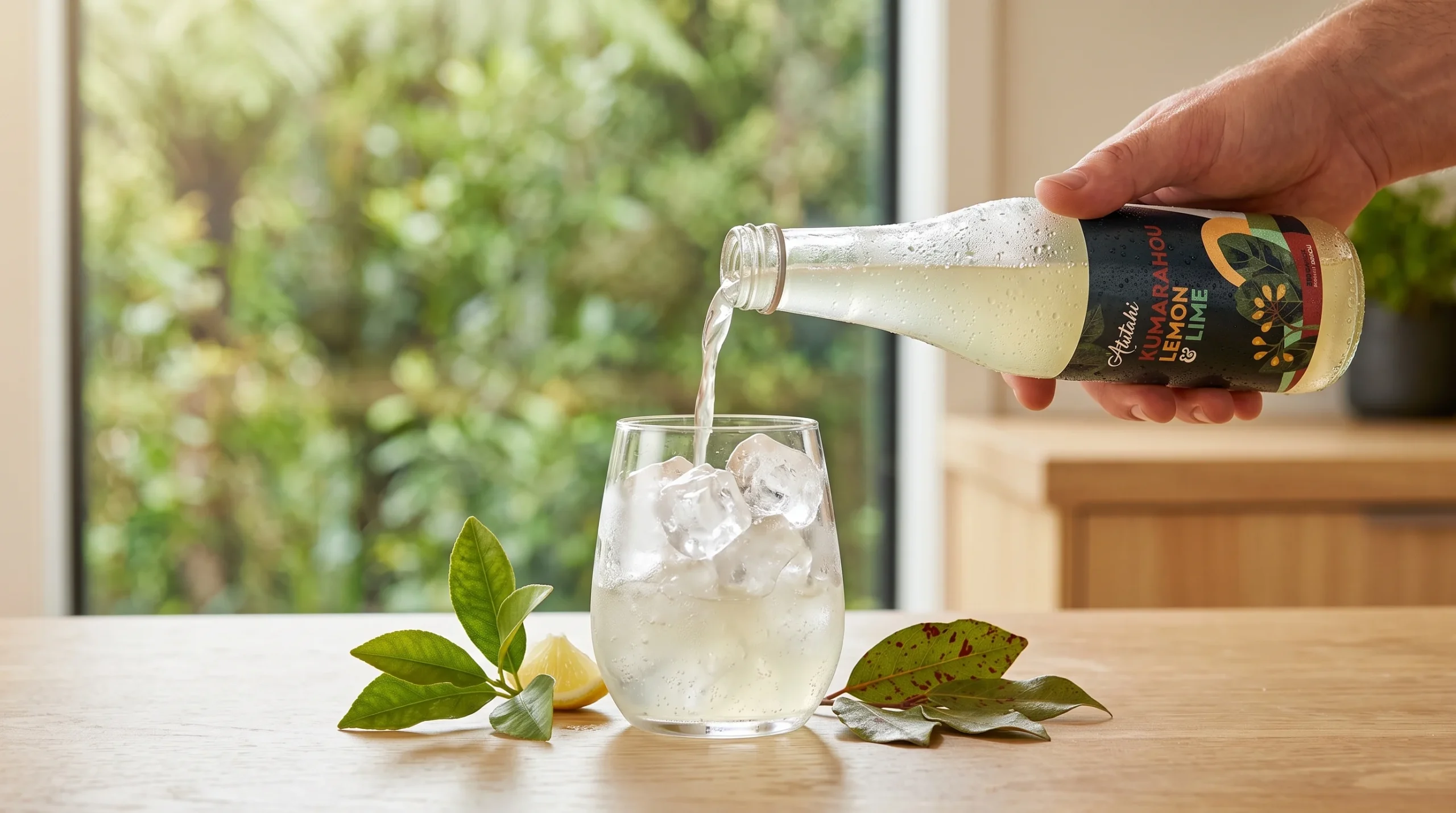
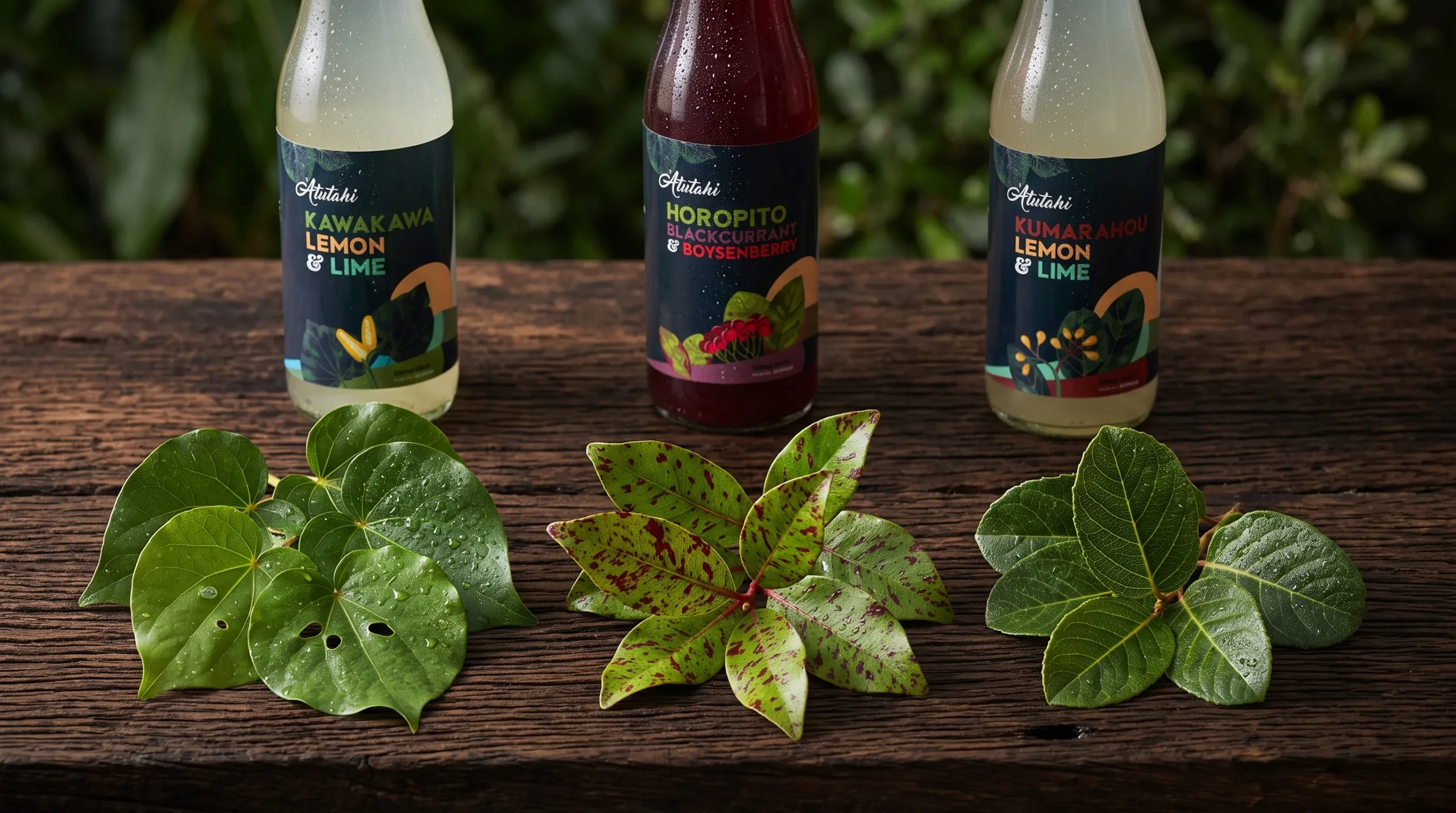
Kūmarahou, sometimes called “gumdigger’s soap,” has a long history in Māori tradition, particularly for respiratory and digestive comfort during colder months — see our deeper dive on kūmarahou and respiratory support for the full story. It’s got a naturally herbal, slightly bitter profile that mellows beautifully when blended with lemon and lime, which is exactly the pairing you’ll find in Atutahi’s Kūmarahou Lemon & Lime.
Horopito, New Zealand’s native “pepper tree,” brings a warming, peppery character and has traditionally been valued for its anti-inflammatory properties, alongside other native NZ herbs that combat inflammation. Paired with blackcurrant and boysenberry, it becomes a genuinely moreish drink rather than something you have to choke down for the sake of your health — see Atutahi’s Horopito Blackcurrant & Boysenberry for the everyday version, or read about how this exact blend can help ease you back into good habits after indulgent stretches.
Kawakawa, one of the most significant plants in rongoā Māori, has a long-standing reputation for supporting gut health and skin health alike. It has a soft, citrusy warmth that works well in an everyday drink like Atutahi’s Kawakawa Lemon & Lime, and you can dig into the tradition behind it in our piece on gut health through Māori traditional medicine.
If you’d rather try a few flavours before settling on a favourite, the mixed 15-pack is a straightforward way to taste your way through the range, or browse the full drinks range to compare every flavour side by side.
Building Habits That Actually Support Your Body
If the goal is genuinely feeling better, rather than chasing a “reset,” the most effective approach is also the least exciting one. Drink enough water throughout the day, and choose flavourful, low-sugar options when plain water feels like a chore. Eat plenty of fibre-rich vegetables and whole foods, since fibre supports the digestive system that’s already doing heavy lifting for you. Get consistent sleep, because your liver does much of its repair and processing work overnight. Moderate your alcohol intake, since alcohol is one of the main substances your liver has to work hardest to process. And keep moving, since regular movement supports circulation and digestion alike.
None of this requires a three-day programme or a restrictive juice-only week. It’s the kind of steady, repeatable routine that a good herbal drink can genuinely slot into — not because it “detoxes” you, but because it makes the healthy choice the easy one.
Ready to Support Your Body the Natural Way?
You don’t need a cleanse. You need a drink you’ll actually want to reach for, made with ingredients that have stood the test of time rather than a marketing trend. Explore the full Atutahi range of kūmarahou, horopito, and kawakawa drinks, made in New Zealand with real, native botanicals and no artificial nonsense. Shop online, find your nearest stockist, or get in touch with the team if you’ve got questions about which flavour suits your routine best. Curious about the people and story behind the bottle? Read about Atutahi.
The Bottom Line on Detox Drinks in New Zealand
“Detox” is a marketing word more than a medical one. Your liver and kidneys are already doing the job, day and night, with no help required from a bottle. What a genuinely good natural drink can offer instead is real: hydration you’ll actually stick to, and ingredients with a long history of supporting digestion the honest way. That’s a smaller promise than “flush your toxins” — but it’s the one that’s actually true, and it’s worth far more in the long run.
Frequently Asked Questions
No. Your liver and kidneys remove toxins continuously, regardless of what you drink. Detox drinks don’t speed this process up or replace it. What they can genuinely offer is hydration and, depending on the ingredients, some digestive support — a real but more modest benefit than the marketing term suggests.
Look past the “detox” label and check the ingredients list instead. Drinks made from real native botanicals like kūmarahou, horopito, and kawakawa, with minimal added sugar, offer more genuine value than juice-based cleanses. Atutahi’s range is a straightforward, NZ-made example worth comparing against supermarket options.
Common ingredients include lemon, ginger, apple cider vinegar, and green tea, alongside native NZ botanicals such as kūmarahou, horopito, and kawakawa. The native options carry a longer traditional history in rongoā Māori, particularly for digestive and respiratory support.
Health food stores, selected supermarkets, and pharmacies across NZ stock natural wellness drinks, and many NZ-made brands, including Atutahi, sell directly through their own websites with nationwide delivery. You can also check Atutahi’s stockist list to find a retailer near you.
Independent health food stores in most main centres, alongside larger retailers like Farro Fresh and select New World stores, typically stock a range of wellness and herbal beverages. Checking a brand’s own stockists page is also a reliable way to confirm current locations near you.
NZ shoppers increasingly favour brands built around native ingredients and transparent sourcing rather than generic “cleanse” marketing. Atutahi, a Māori-owned brand using kūmarahou, horopito, and kawakawa, is one example of this shift toward ingredient-first, locally made wellness drinks.
Yes — Atutahi is a Māori-owned NZ brand producing drinks from native botanicals including kūmarahou, horopito, and kawakawa. Choosing NZ-made options generally means shorter supply chains, fresher ingredients, and support for local and Māori-owned businesses.
Several smaller NZ brands focus specifically on native botanical beverages rather than mainstream “detox” products. Atutahi is one such company, drawing on rongoā Māori traditions and Nelson Tasman-grown ingredients rather than imported cleanse concentrates.
Juice-based cleanses tend to be high in natural sugar and low in fibre, offering short-term effects at best. Herbal and botanical drinks, particularly those using whole native plants, tend to offer steadier hydration and digestive support without the sugar spike or the restrictive eating pattern.
Yes, though “affordable” often means simpler ingredients. Bottled lemon water, herbal teas, and lower-cost juice blends are widely available, but checking the ingredients label matters more than the “detox” branding — genuine value comes from real ingredients, not the word on the front.