

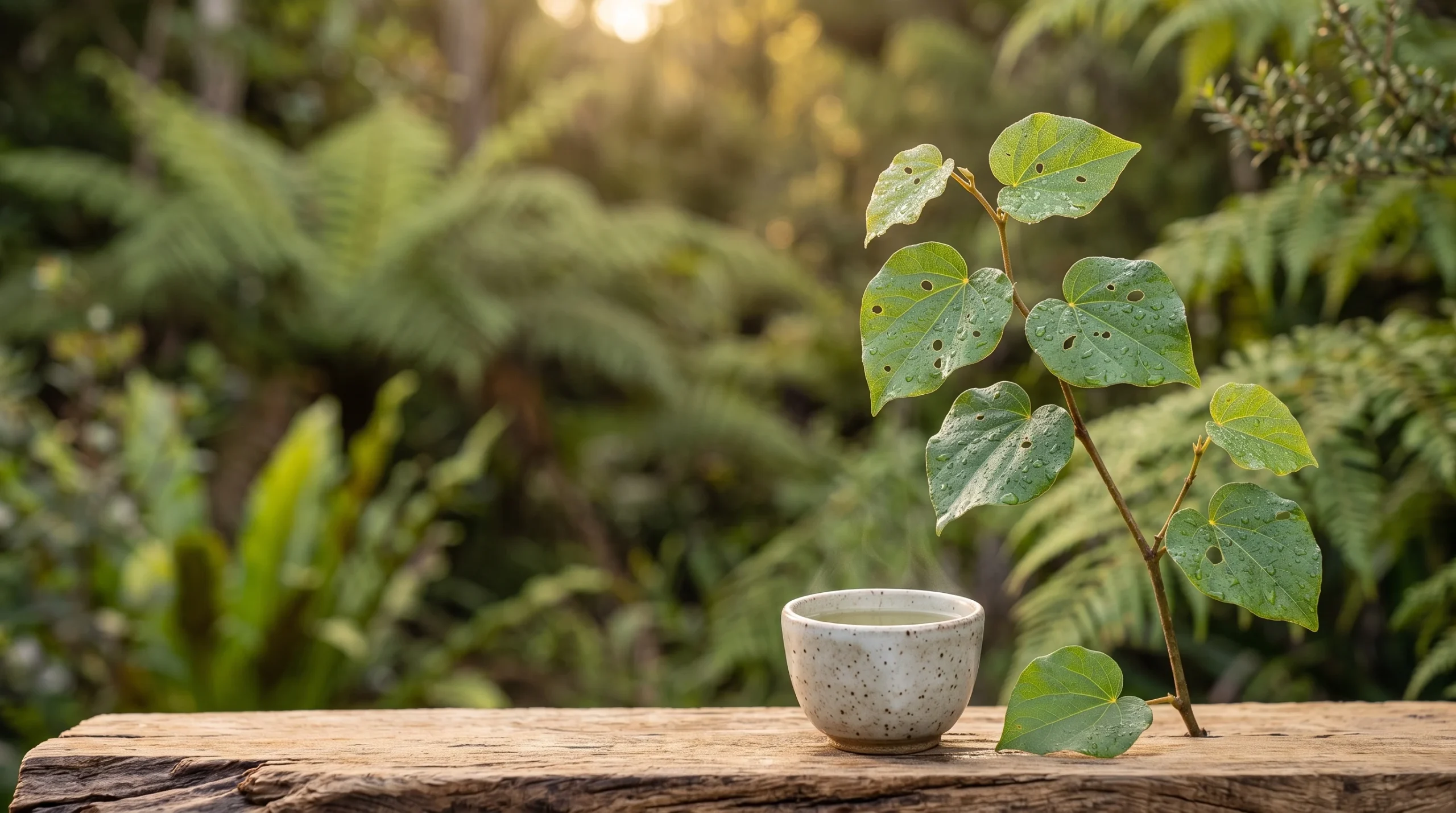
Your Gut Has Been Trying to Tell You Something for Centuries
Bloating after meals. That heavy, sluggish feeling by mid-afternoon. Stomach cramps that seem to come from nowhere. If any of that sounds familiar, you’re not alone, and you’re not broken. Your gut is simply asking for a kind of care that modern life rarely gives it.
Long before anyone in New Zealand had heard the word “probiotic,” Māori healers were already treating the gut as the root of overall wellbeing. Rongoā Māori, the traditional healing system of the Māori people, saw digestion as connected to everything else: your energy, your mood, even your spirit. That idea is now catching up with modern science, and it’s worth paying attention to.
- Rongoā Māori is a traditional healing system that treats gut health as part of a bigger picture, not an isolated problem.
- Native plants like kawakawa, horopito and kūmarahou have long been used to ease digestion, calm inflammation and support the whole body.
- Modern research is starting to confirm what tohunga rongoā (traditional healers) already knew about these plants.
- You don’t need to forage or brew your own remedies to benefit. Atutahi brings these same botanicals into everyday drinks you can enjoy right now.
- Explore Atutahi’s rongoā-inspired range to bring this ancient wisdom into your daily routine.
Key Takeaways
- Rongoā Māori treats gut health as connected to your whole self, not an isolated issue.
- Kawakawa, horopito, kūmarahou, koromiko and tātarāmoa are traditional plants long used to support digestion.
- Modern research is beginning to confirm the properties traditional healers already relied on.
- Simple, plant-based preparation was always at the heart of rongoā, mirroring good gut health advice today.
- You can bring this tradition into daily life through natural, low-sugar drinks like those from Atutahi.
What Is Rongoā Māori, and Why Does It Matter for Your Gut?
Rongoā Māori is the traditional Māori approach to healing, built up over hundreds of years and passed down by word of mouth from one generation to the next. It isn’t just a list of herbal remedies. It’s a whole way of understanding health, where your body, mind, family and spirit are all woven together rather than treated as separate parts.
This matters for gut health because it changes the question you’re asking. Instead of “what pill fixes my bloating?”, rongoā asks “what is out of balance, and how do I restore it?” Traditional healers, known as tohunga rongoā, built up this knowledge through generations of close observation of the land and its plants. Long before Europeans arrived in New Zealand, Māori already had a well-developed understanding of the body and how various native plants could support it.
This same thinking sits inside the Te Whare Tapa Whā model of health, developed by Māori health leader Sir Mason Durie. It pictures wellbeing as a wharenui, a meeting house, held up by four walls: taha tinana (physical health), taha hinengaro (mental and emotional health), taha whānau (family and social health) and taha wairua (spiritual health). When one wall weakens, the whole house becomes unstable. A troubled gut rarely stays a purely physical issue. Stress, poor sleep and disconnection from the things that ground you can all show up as digestive discomfort, and rongoā has always treated that connection as obvious rather than surprising.
If you’d like the fuller picture of this healing tradition, Atutahi’s Māori wellness blog is a good place to keep exploring.
The Native Plants Behind Traditional Digestive Care
A handful of native plants show up again and again in traditional Māori approaches to gut health. Each one plays a slightly different role, but together they paint a picture of a healing system built entirely from what grows in Aotearoa.
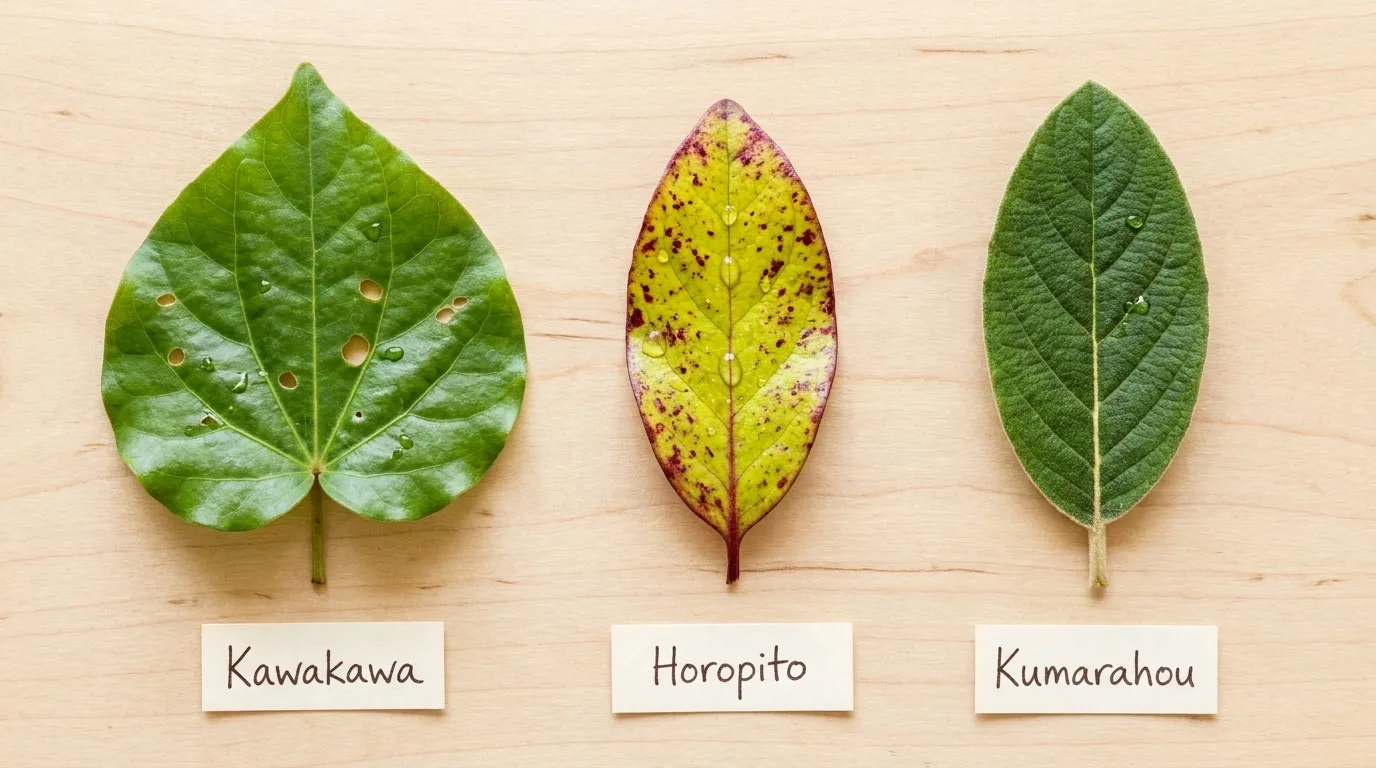
Kawakawa is often called the king of Māori medicine, and for good reason. Its heart-shaped leaves have long been steeped into tea to ease stomach cramps, bloating and general indigestion, and the leaves carry a naturally peppery, warming quality that settles the stomach. Compounds such as myristicin, found in kawakawa, have drawn scientific interest for their digestive and anti-inflammatory properties, giving modern weight to what traditional healers already knew.
Horopito, sometimes called the pepper tree, is one of the oldest flowering plants on Earth and has traditionally been used to soothe stomach upset and skin irritation. It contains polygodial, a compound studied for its natural anti-inflammatory and antifungal qualities, and today it’s increasingly recognised for supporting both immune and digestive health.
Kūmarahou is best known as “the lungs of the forest” for its role in easing coughs and colds, but its natural saponins and gentle cleansing qualities have also made it part of broader wellness routines that support the whole body, gut included.
Koromiko has a striking history here. During the Second World War, dried koromiko leaves were sent to New Zealand soldiers overseas to help with dysentery and diarrhoea when standard treatments weren’t available. The plant contains tannins, which have an astringent effect that can help tighten the gut lining and reduce fluid loss, a remedy born entirely out of practical, hands-on knowledge.
Tātarāmoa, also known as bush lawyer, has traditionally been used for vomiting, stomach ache and abdominal discomfort, often prepared alongside other native plants rather than on its own.
None of these plants were used in isolation from the rest of a person’s life. Traditional healers paired the physical remedy with attention to rest, relationships and state of mind, because in rongoā, the gut was never seen as separate from the rest of you.
How Traditional Preparation Methods Worked
Traditional rongoā remedies were rarely complicated. Leaves were steeped into wai rākau, plant tonics made by boiling or infusing leaves, bark or roots in water. Young leaf tips might be chewed directly, and their juices swallowed to calm an upset stomach. Balms and poultices were made for the skin, while teas and tonics were the go-to for digestive discomfort.
What stands out about this approach is how closely it mirrors advice you’d hear from a nutritionist today: simple, plant-based preparations, taken consistently, with real attention paid to how your body responds. Timing mattered too. Plants were often harvested in the morning, after the dew had lifted but before the heat of the day, when their properties were considered strongest. This wasn’t superstition. It reflected an intimate, practical understanding of how plants behave, built up through generations of careful observation.
Why This Ancient Wisdom Still Makes Sense Today
Modern gut health advice and traditional Māori wisdom overlap more than you might expect. Here’s why that matters for you.
Your gut doesn’t respond well to quick fixes, and rongoā never promised one. Traditional Māori medicine treated digestive discomfort as a signal worth listening to, not a problem to silence. That mindset lines up with what researchers now understand about the gut: that it’s deeply connected to inflammation, mood and immune function, not an isolated organ working on its own.
The native plants used in rongoā also happen to be rich in compounds that modern science is only now getting around to studying properly. Anti-inflammatory, antimicrobial and antioxidant properties in plants like kawakawa and horopito are being examined by researchers at New Zealand universities, adding scientific backing to remedies that were already trusted for generations. You’re not choosing between “traditional” and “evidence-based” here. Increasingly, they’re the same thing.
There’s also something to be said for a system of medicine that grew up alongside the exact environment it was meant to treat. These plants aren’t imported wellness trends. They’re taonga, treasures, that evolved in the same soil and climate as the people who used them, which is part of why they’ve stood the test of time.
Bringing Ancient Wisdom Into Your Daily Routine
Here’s the honest bit: most of us aren’t going to forage kawakawa leaves before breakfast, and that’s completely fine. The value of rongoā isn’t locked away in the forest. It’s in the plants themselves, and there are ways to bring their benefits into a modern routine without needing to become a herbalist.
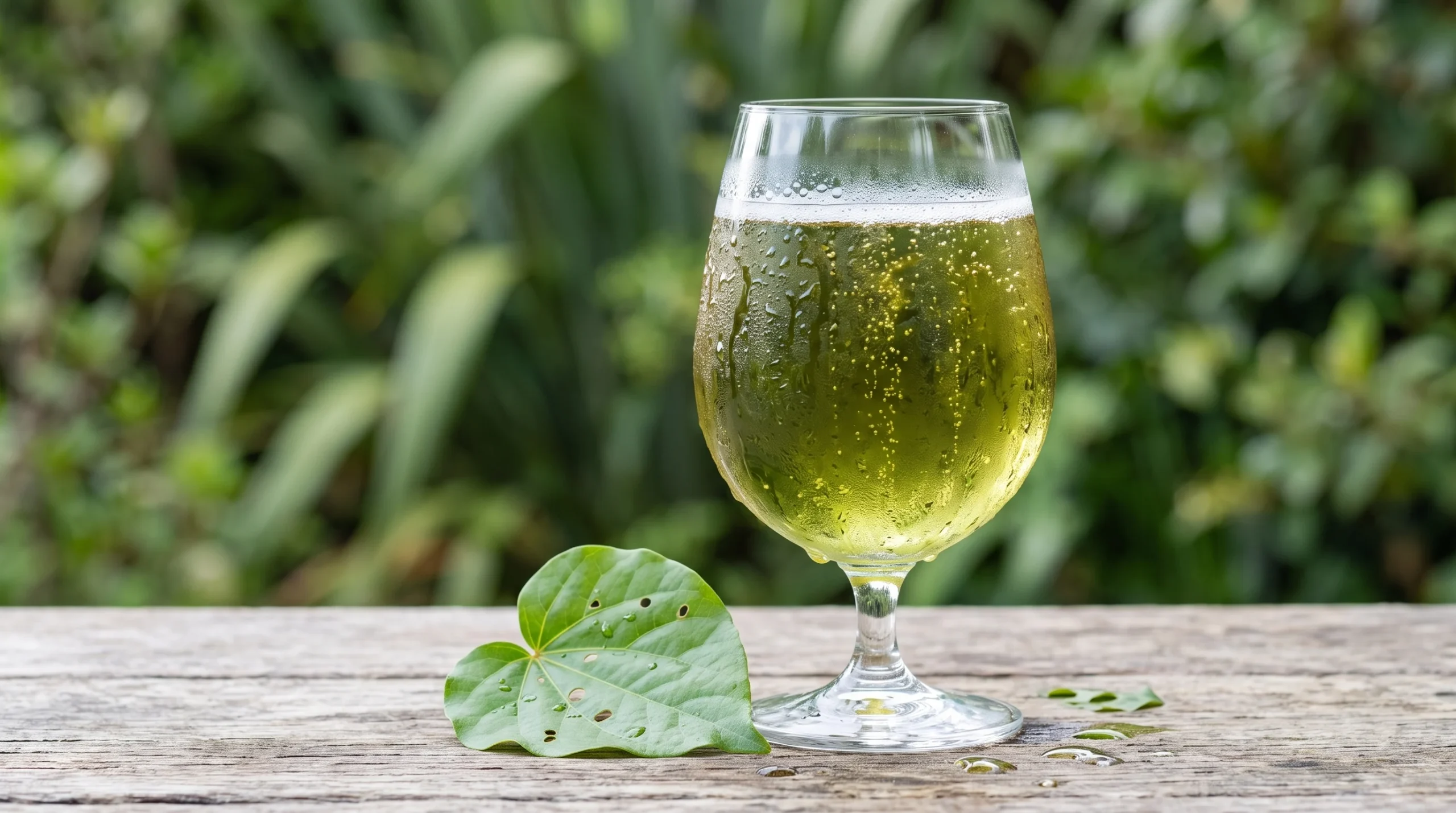
This is where a brand like Atutahi comes in. Atutahi takes the same native botanicals long used in rongoā Māori, kawakawa, horopito, kūmarahou, and infuses them into low-sugar, naturally crafted drinks designed for everyday life. It’s not a replacement for traditional practice. It’s a way of honouring it, respectfully and consciously, so that this knowledge stays accessible rather than fading into the background.
If you want to understand more about the values guiding that approach, Atutahi’s “What We Value” page is worth a read, and their Your Health section goes deeper into how these traditional ingredients support everyday wellbeing.
| Traditional Use | Modern Everyday Equivalent |
| Kawakawa leaf tea for stomach cramps and bloating | Kawakawa-infused sparkling drinks |
| Horopito used to soothe stomach upset | Horopito blended into low-sugar wellness drinks |
| Kūmarahou tonics for overall vitality | Kūmarahou-based functional beverages |
| Wai rākau (plant tonics) prepared at home | Ready-to-drink botanical beverages |
You can browse the full lineup on Atutahi’s product range to find where these traditional plants fit into your own routine.
Start Where Your Ancestors Did — With the Land
You don’t need to overhaul your entire diet overnight to feel the benefit of this approach. Start small. Swap one sugary drink for something rooted in centuries of traditional wisdom. Pay attention to how your gut responds when you slow down and choose plants that were designed, quite literally, for this land and the people on it.
If you’re curious to try it for yourself, explore Atutahi’s drinks range, or find out where to buy Atutahi near you. And if you have questions about which blend suits your needs, the team is always happy to help. You can get in touch with Atutahi here.
Old Wisdom, New Routine
Your gut has always been trying to tell you something, and for centuries, Māori healers were listening closely. Rongoā Māori offers something modern gut health advice often misses: a reminder that digestion isn’t separate from the rest of your life. It’s tied to how you rest, how you connect with others, and how closely you pay attention to your own body.
You don’t have to choose between honouring that tradition and living a modern life. Brands like Atutahi exist to bridge the two, bringing native New Zealand botanicals into drinks that fit naturally into your day. To learn more about the people and story behind this approach, visit Atutahi’s About Us page, or head straight to the product range to find your starting point.
Frequently Asked Questions
Traditional remedies include steeping kawakawa leaves into tea for cramps and bloating, chewing koromiko leaf tips for diarrhoea, and using horopito to ease stomach upset. These wai rākau (plant tonics) were prepared simply, using leaves, bark or roots infused in water.
Kawakawa, horopito, kūmarahou, koromiko and tātarāmoa are the plants most associated with digestive wellness in rongoā Māori. Each was traditionally used for slightly different digestive concerns, from bloating to diarrhoea and general stomach discomfort.
Brands like Atutahi offer drinks infused with traditional botanicals such as kawakawa and horopito. You can browse the full range on Atutahi’s product page or check their stockists page to find one near you.
Rongoā Māori sees the gut as connected to your whole wellbeing, not an isolated system. It combines native plant remedies with attention to rest, relationships and emotional balance, reflecting the holistic Te Whare Tapa Whā model of health.
Atutahi is a New Zealand brand that infuses traditional rongoā botanicals like kawakawa and kūmarahou into modern, low-sugar drinks, blending ancestral knowledge with everyday convenience.
Atutahi’s drinks range features kawakawa, horopito and kūmarahou sourced with respect for their traditional origins. Visit their drinks category to explore the full selection.
Yes. Atutahi is one such brand, using native botanicals long trusted in rongoā Māori and turning them into accessible, everyday beverages without losing sight of their cultural roots.
You can explore and purchase Atutahi’s full range directly through their products page, with stockist details also available on their stockists page.
Traditional practices combine plant-based remedies with a holistic view of health, addressing physical symptoms alongside emotional and spiritual wellbeing, since rongoā treats digestion as connected to the whole person rather than a symptom to isolate.
Yes, rongoā Māori practitioners across New Zealand, often called tohunga rongoā, continue this practice today, frequently working from marae-based clinics and community health services that blend traditional and modern care.