


Winter in Aotearoa hits hard. Cold snaps, dry air, and crowded indoor spaces create the perfect conditions for your immune system to struggle, and native plant-based immune boosters NZ brands like Atutahi are offering a genuinely effective, low-sugar answer rooted in centuries of Māori healing knowledge.
If you’ve been reaching for the usual vitamin C tablets or sugary sports drinks every June and July, it might be time to reconsider. There’s a growing body of evidence, and a long history of rongoā Māori practice, supporting the use of New Zealand’s native plants to strengthen the body’s defences. This article breaks down exactly how these plants work, why your gut health matters more than you think, and how to build a simple winter wellness routine that actually sticks.
Key Takeaways
- New Zealand’s winter conditions, less sunlight, dry indoor air, close contact, create specific immune challenges that benefit from targeted support.
- Kawakawa, kūmarahou, and horopito are three native plants with documented immune-relevant properties used in rongoā Māori practice.
- Gut health directly influences immune function, making fermented botanical drinks a dual-action approach to winter wellness.
- High sugar content in many commercial wellness drinks can actively suppress immune function, so checking labels is important.
- Building a consistent daily routine using low-sugar, native plant-based drinks is more effective than occasional intensive intervention.
- The immune boosters NZ consumers are increasingly choosing are plant-based, fermented, and free from artificial additives.
Why Your Immune System Struggles Every Winter
It’s not just bad luck that you seem to catch every cold going around between June and August. There are real physiological reasons your immune system is under more pressure during winter in New Zealand.
Cold temperatures cause blood vessels near the skin to constrict, which can reduce the efficiency of immune cells moving through your body. Indoor heating dries out the mucous membranes lining your nose and throat, which are your body’s first physical barrier against viruses. Reduced daylight hours in places like Dunedin or Wellington mean many Kiwis aren’t getting enough vitamin D, a nutrient that plays a direct role in immune cell activation.
Add in the fact that people spend more time in enclosed spaces with recycled air, and you have a recipe for bugs spreading rapidly. Schools, offices, and public transport become high-risk zones. This is precisely why so many New Zealanders start looking for practical immune support around this time of year.
The Native Plants Behind the Best Immune Boosters NZ Has to Offer
New Zealand’s native flora is genuinely extraordinary, and rongoā Māori has understood this for generations. Three plants in particular stand out for their immune-relevant properties: kawakawa, kūmarahou, and horopito. Each one brings something different to the table.
Kawakawa: The Forest Pharmacy
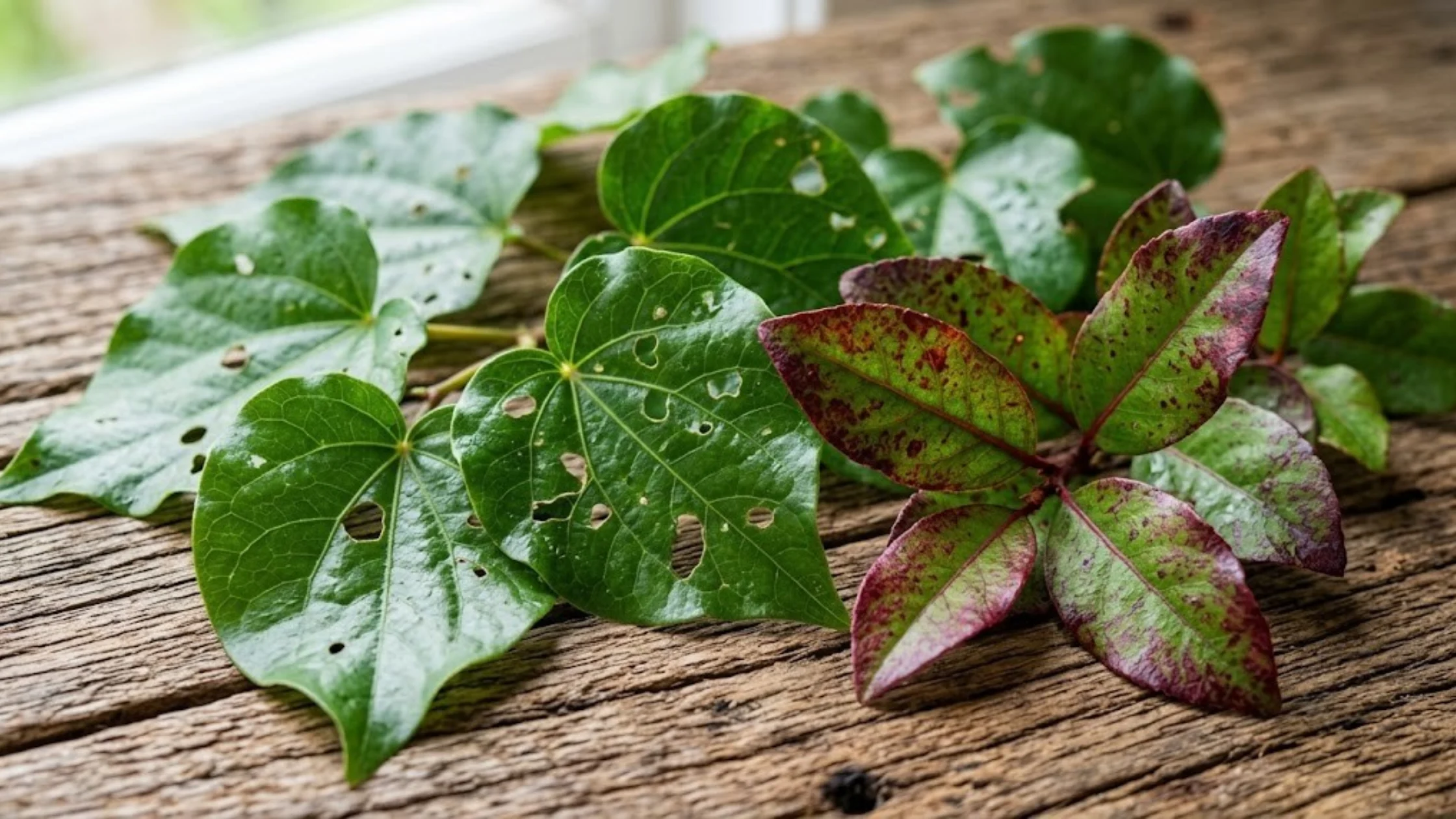
Kawakawa (Piper excelsum) is perhaps the most recognisable plant in rongoā Māori. You’ll spot its distinctive holey leaves used in ceremonial contexts, but its medicinal applications go much deeper. Kawakawa contains active compounds including myristicin and diayangambin, which have been shown in research to support anti-inflammatory activity and immune modulation.
In practical terms, this means kawakawa may help your body regulate its inflammatory response rather than overreact to pathogens. Chronic low-grade inflammation is one of the biggest drivers of immune dysfunction, so keeping that in check is genuinely useful. If you want to explore the science in more detail, this article on kawakawa tea benefits gut health explains how the plant also supports your digestive system, which as you’ll see shortly, is closely tied to immune function.
Kūmarahou: Breathing Easier This Winter
Kūmarahou (Pomaderris tenuifolia) has been used by Māori healers for generations to address respiratory complaints, particularly chest congestion and persistent coughs. Its natural saponins act as expectorants, helping to break up and clear mucus from the airways. During winter, when respiratory infections are at their peak, this is a significant benefit.
The plant’s traditional role is well documented, and you can read more about kumarahou traditional maori respiratory support to understand how it was used historically and how modern formulations are bringing it back into everyday use.
Horopito: Spicy, Antifungal, and Antioxidant-Rich
Horopito (Pseudowintera colorata) is the sharp, peppery native that contains high concentrations of polygodial, a compound with demonstrated antifungal and antioxidant properties. Antioxidants help neutralise free radicals in the body, reducing oxidative stress that can suppress immune function over time.
Polygodial has also shown some antimicrobial activity in research settings, which makes horopito one of the more versatile plants in the rongoā Māori toolkit. For more on how this plant is being used in modern winter wellness, check out this resource on horopito herb winter wellness new zealand.
Why Gut Health Is Central to Your Immune Defence
Here’s something many people don’t realise: roughly 70% of your immune system lives in your gut. The trillions of bacteria, fungi, and other microorganisms that make up your gut microbiome directly influence how your immune cells develop, communicate, and respond to threats.
When your gut flora is out of balance, due to stress, a poor diet, antibiotics, or alcohol, your immune response becomes less coordinated. You may find you’re slower to recover from illness, more prone to inflammation, or simply feeling run down without a clear reason.
This is where fermented drinks gain a real advantage over standard wellness beverages. Natural fermentation preserves beneficial bacteria and produces bioactive compounds that support gut lining integrity. Unlike pasteurised drinks, which destroy these organisms through heat, live-fermented products keep the good stuff intact.
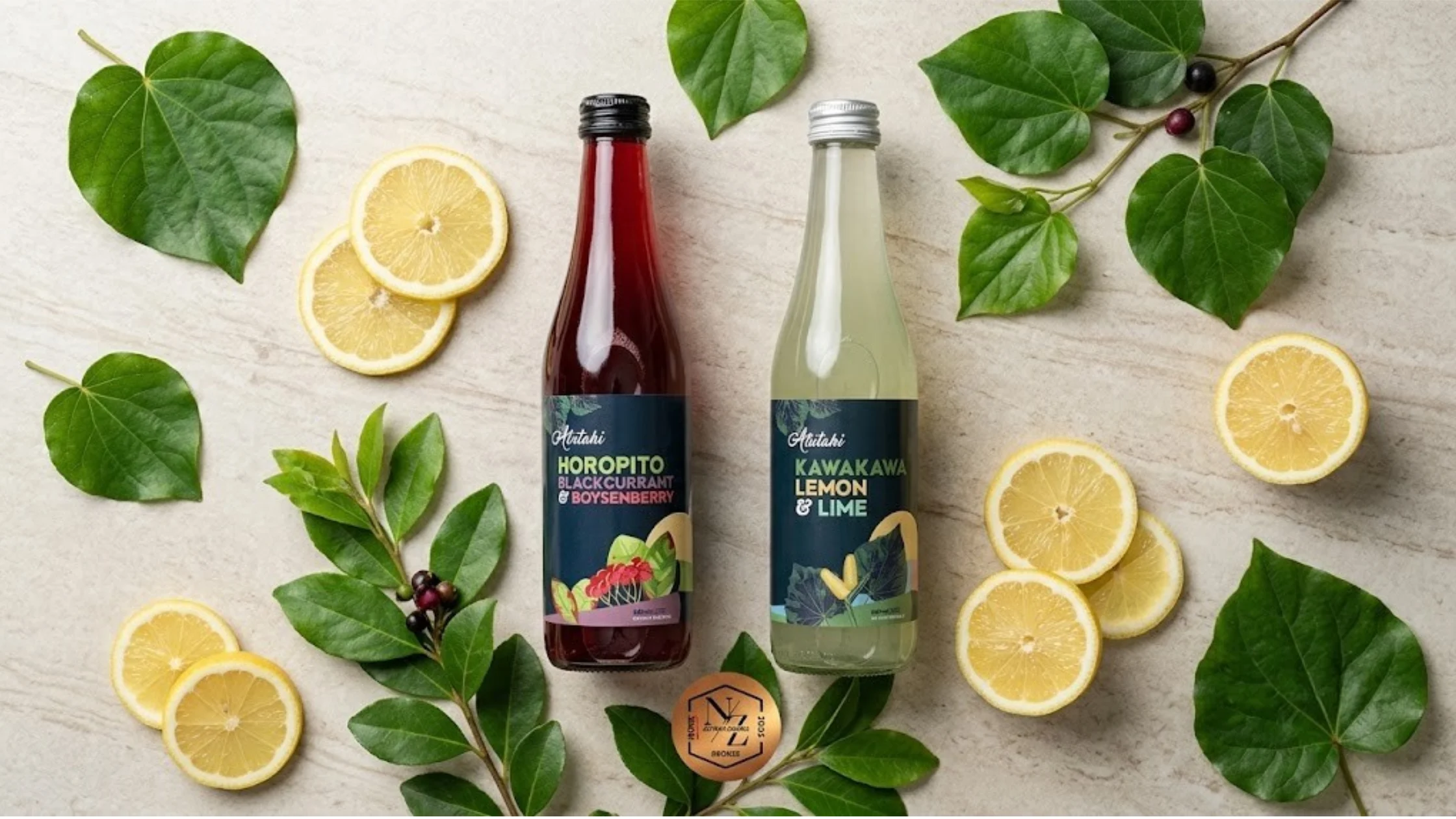
Atutahi is a New Zealand brand that combines natural fermentation with native plant botanicals, producing low-sugar drinks that work on both levels simultaneously. They’re not just delivering botanical compounds; they’re supporting the gut environment that determines how effectively those compounds work.
Comparing Common Winter Immune Support Options
Not all immune support products are created equal. Here’s a straightforward comparison of the most popular approaches:
| Option | Key Benefit | Drawback | Sugar Content |
| Native plant fermented drinks | Gut + botanical immune support | Less widely available | Low |
| Vitamin C tablets | Convenient, accessible | No gut support, synthetic form | None |
| Sugary wellness drinks | Tasty, widely available | High sugar suppresses immunity | High |
| Echinacea supplements | Some evidence for cold duration | Capsule form, no gut benefit | None |
| Manuka honey | Antimicrobial, soothing | High in natural sugar | High |
| Bone broth | Gut lining support | Time-consuming to prepare | None |
The key insight from this table is that sugar content matters more than most people realise. Excess sugar directly impairs white blood cell function for several hours after consumption, which means a high-sugar “health drink” can actually work against your immune system.
Things to Know
- Your immune system doesn’t need “boosting” in the sense of being permanently ramped up. What it needs is balance and good conditions to function properly.
- New Zealand’s native plants have been used medicinally for over 700 years. Rongoā Māori is a sophisticated system, not folk medicine.
- Natural fermentation and pasteurisation are fundamentally different processes. Only live fermented products retain active probiotics.
- Most commercial “immune support” drinks contain more sugar per serve than a standard soft drink, which can counteract any benefit.
- Consistency matters more than intensity. Drinking one beneficial product occasionally won’t achieve the same result as building it into a regular daily habit.
- Vitamin D deficiency is genuinely common in New Zealand during winter, particularly in the South Island. Diet and supplementation may both be needed alongside other immune support.
Ready to Build a Winter Wellness Routine?
Pick one specific time of day, morning with breakfast or early afternoon, and replace whatever you’re currently drinking with a native plant fermented drink for two weeks. That’s it. Start with that single swap, track how you feel, and build from there. Visit Atutahi to explore their range of native botanical drinks and find a product that fits your routine.

Frequently Asked Questions
Most native plant botanical drinks are food-grade and generally well-tolerated, but you should always check with your GP or pharmacist if you’re on prescription medications. Some plant compounds, including those in kawakawa, may interact with certain medications at high concentrations. At typical beverage serving sizes the risk is low, but it’s worth confirming with a health professional if you have specific concerns.
Most people notice changes in energy, digestion, and general resilience after two to four weeks of consistent daily use. This is because gut microbiome changes take time to establish. If you’re only drinking these products occasionally, you’re unlikely to see meaningful immune benefits.
Low-sugar, naturally fermented botanical drinks are generally suitable for older children, but you should consult your GP before introducing them for younger kids or those with specific health conditions. Always check labels for any allergen information and introduce new foods gradually.
Probiotic supplements deliver specific bacterial strains in concentrated form, while fermented botanical drinks provide a broader range of live cultures alongside plant bioactives that work synergistically. Neither is universally superior. The best approach often combines both, along with a fibre-rich diet that feeds beneficial bacteria already present in your gut.
Atutahi products are available online through their website and through selected stockists around New Zealand. Ordering directly online is the most reliable way to ensure you’re getting the full current range, particularly if you’re outside a main centre like Auckland or Christchurch.
The Bottom Line on Immune Boosters NZ
Winter in Aotearoa doesn’t have to mean three months of sniffles, fatigue, and sore throats. New Zealand is genuinely fortunate to have a native plant tradition with real, evidence-supported applications for immune health. Kawakawa, kūmarahou, and horopito aren’t just marketing buzzwords; they’re plants with centuries of use and growing scientific interest behind them.
The most effective approach combines consistent habits: low-sugar botanical drinks, adequate sleep, vitamin D awareness, and a fibre-rich diet that supports your gut microbiome. Start small, stay consistent, and choose products that are made with integrity in Aotearoa. Your immune system will thank you for it come August.