

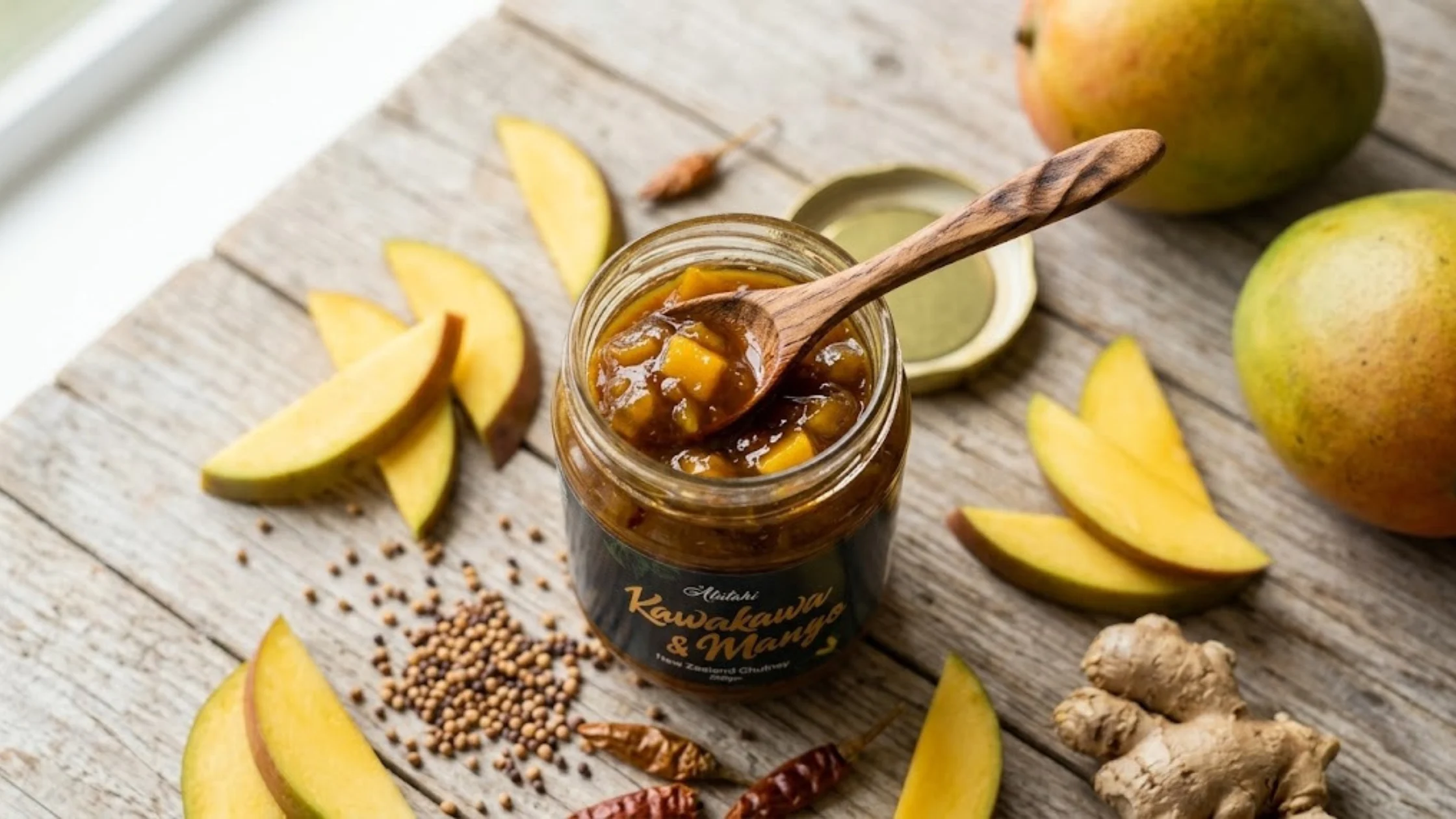
The Sweet Question On Every Curry Lover’s Mind
You’ve just spooned a generous dollop of mango chutney onto your plate, and a small voice in your head asks: is this actually good for you, or just a sugary treat in disguise? It’s a fair question. Chutney sits in that grey area between condiment and dessert, and most jars on supermarket shelves don’t make it easy to tell which side it falls on.
It’s a question worth taking seriously too, because chutney has quietly become a pantry regular for a lot of households, not just a special-occasion accompaniment to a Friday night curry. It shows up in lunchboxes, on cheese platters, stirred through weeknight traybakes, and spooned onto toast when nothing else in the fridge looks appealing. Given how often it ends up on your plate, it’s worth understanding what’s really in the jar.
Here’s the short answer, so you’re not left guessing.
Mango chutney can absolutely fit into a healthy diet when you choose one made with real fruit, minimal refined sugar and natural spices, and when you stick to a sensible one-to-two tablespoon serving. It offers vitamin C, vitamin A and plant antioxidants from the mango and spices, but many commercial versions are loaded with added sugar, so reading the label (or picking a small-batch maker like Atutahi) makes a real difference.
Key Takeaways
- Mango chutney gets its nutritional value from real mango, which supplies vitamin C, vitamin A and fibre.
- A typical tablespoon carries roughly 35–50 calories and 8–12g of sugar, so portion size matters.
- Spices like ginger, mustard seed and chilli add extra antioxidant and digestive benefits.
- Native ingredients such as kawakawa bring a distinctly New Zealand twist and traditional wellness value.
- One to two tablespoons is a sensible serving, best paired with protein or wholegrain foods.
- Compared with ketchup or jam, chutney offers a broader, more complex nutrient profile.
- Choosing a small-batch chutney with fruit listed first on the label is an easy way to eat better.
What Exactly Is Mango Chutney?
Mango chutney is a sweet, tangy condiment that started life in Indian kitchens, traditionally made by simmering ripe or green mangoes with sugar, vinegar and warming spices such as ginger, mustard seed and chilli. The slow cooking breaks the fruit down into a thick, glossy relish that’s equal parts fruity and savoury, which is why it works so well alongside rich, spiced dishes.
These days, you’ll find mango chutney doing a lot more than sitting next to a curry. It turns up on cheeseboards, in sandwiches, stirred through marinades and even spooned over roasted vegetables. In New Zealand, small producers have put their own spin on the classic, blending mango with native ingredients like kawakawa to create chutneys that carry a distinctly local character while keeping that familiar sweet-and-spiced backbone.
Because the recipe can vary so much from one jar to the next, the honest answer to “is mango chutney good for you” really depends on what’s gone into the pot.
Historically, chutney was a way of making the most of fruit before it spoilt, using sugar and vinegar as natural preservatives long before refrigeration was common. That practical origin still shapes how chutney is made today, which is partly why sugar remains such a central ingredient rather than an optional extra. Understanding this background helps explain why chutney isn’t quite a “health food” in the way a fresh salad is, but it also isn’t the empty-calorie afterthought some people assume it to be. It sits in its own category, and judging it fairly means looking at the whole ingredients list rather than a single number on the label.
What’s Actually Inside a Jar of Mango Chutney
Ripe mango is the backbone of any good chutney, and it brings a genuinely useful nutritional profile to the table. Fresh mango is rich in vitamin C, vitamin A (from beta-carotene) and dietary fibre, along with smaller amounts of potassium and folate. These nutrients support your immune system, skin health and eyesight, and they don’t disappear entirely once the fruit is cooked down.
Alongside the mango, most recipes include vinegar for tang and shelf life, along with spices like ginger, mustard seed, chilli or cumin. These aren’t just for flavour. Ginger has long been used to settle digestion, while chilli and mustard seed contain natural plant compounds that contribute to the antioxidant content of the finished chutney. Some makers, including Atutahi, go a step further by folding in native New Zealand botanicals such as kawakawa, kanuka or horopito, which bring their own traditional wellness associations on top of the mango’s natural goodness.
Onion, garlic and sometimes raisins or sultanas appear in some recipes too, adding extra fibre and a rounder, more savoury depth. None of these ingredients are unhealthy on their own; the concern only arises when a recipe leans heavily on sugar to compensate for underripe fruit or a lack of genuine spice character. This is exactly why two jars labelled “mango chutney” can taste, and nourish you, quite differently.
Then there’s sugar, and this is where chutneys start to differ wildly from brand to brand.
The Sugar Question: How Much Is Too Much?
This is usually the sticking point. Sugar is a traditional part of chutney-making, because it helps preserve the fruit and balances the sourness of the vinegar. A typical tablespoon of standard shop-bought mango chutney contains somewhere in the range of 35 to 50 calories and roughly 8 to 12 grams of sugar, which is a meaningful amount for such a small serving.
That doesn’t mean chutney is off the table. It means portion size and ingredient quality matter more than with a plain vegetable side. A chutney made with ripe, naturally sweet mango often needs less added sugar to taste balanced than one relying on underripe fruit padded out with syrup. Reading the ingredients list, and looking for one where fruit is listed before sugar, is a simple way to spot the better option.
Practical portion guide:
- One to two tablespoons is a satisfying serving that adds flavour without overloading your sugar intake for the meal.
- Pairing chutney with protein or fibre-rich foods, like grilled chicken or wholegrain crackers, slows sugar absorption and keeps you feeling fuller for longer.
- If you’re managing diabetes or watching added sugar closely, treat chutney the way you would jam: a flavour accent, not a base ingredient.
It’s also worth thinking about how chutney fits into your day as a whole, rather than judging it in isolation. If your meal already includes other sources of sugar, a smaller spoonful makes sense. If chutney is replacing a higher-sugar sauce or a creamy dressing elsewhere on the plate, it can actually work out as the better choice overall. Context matters just as much as the number on the nutrition panel.
Antioxidants and the Case for Mango Chutney
Mangoes aren’t just sweet, they’re genuinely rich in plant compounds called polyphenols, along with vitamin C and beta-carotene, all of which act as antioxidants in the body. Antioxidants help neutralise unstable molecules called free radicals, which build up naturally through everyday life and are linked to cellular ageing over time.
Cooking does reduce some vitamin C content, but a good portion of the mango’s antioxidant value survives the chutney-making process, especially when the fruit isn’t overcooked. Add in ginger, mustard seed and chilli, each of which carries its own antioxidant and anti-inflammatory compounds, and a well-made chutney becomes more than just a sweet spread. Chutneys built around native New Zealand ingredients, such as kawakawa, add another layer here, since kawakawa has a long-standing place in Māori rongoā (traditional medicine) as a soothing, restorative plant.
None of this makes chutney a substitute for fresh fruit and vegetables, and it shouldn’t be treated as one. But it does mean that reaching for a well-made chutney instead of a purely sugar-and-salt condiment is a small, genuinely worthwhile swap. Over a week of meals, small swaps like this add up, especially when the alternative you’re replacing offers little more than sweetness or salt.
Mango Chutney vs Other Condiments: How Does It Compare?
It helps to see mango chutney next to the condiments already living in your fridge door, so you can judge it fairly rather than assuming it’s automatically worse (or better).
| Condiment | Typical Sugar (per tbsp) | Key Nutrients | Best Used For |
| Mango Chutney | 8–12g | Vitamin C, vitamin A, antioxidants from spices | Curries, cheese, roasted meats |
| Tomato Ketchup | 4–5g | Lycopene (small amount) | Chips, burgers |
| Mayonnaise | 0g (mostly fat) | Vitamin E (small amount) | Sandwiches, salads |
| Fruit Jam | 9–13g | Vitamin C (varies by fruit) | Toast, baking |
| Soy Sauce | 0g (high sodium) | Minimal | Stir-fries, marinades |
Seen this way, mango chutney’s sugar content sits close to fruit jam, but it brings a wider spread of spices and a more complex nutrient profile than ketchup or mayonnaise. It’s genuinely a middle-ground condiment: more nutritious than a purely sugar-and-fat spread, but still one to enjoy in sensible portions rather than by the spoonful.
Where chutney really pulls ahead is in versatility. Mayonnaise and ketchup tend to sit in one lane, either creamy or sharply acidic, whereas chutney’s blend of sweet, sour and spiced notes lets it complement a much wider range of dishes. That flexibility is part of why so many people keep coming back to it, even once they understand the sugar trade-off.
How to Choose a Better Jar of Chutney
Not all chutneys are created equal, and a quick look at the label can tell you more than the marketing on the front of the jar ever will. The ingredients list is written in descending order by weight, so if sugar appears before mango, you’re looking at a chutney where sweetness has been prioritised over fruit content. A better jar will list mango, or another fruit, right at the top.
It also helps to glance at the length of the ingredients list itself. Traditional chutney doesn’t need thickeners, artificial colours or preservatives beyond the vinegar and sugar that are already doing that job naturally. A short, recognisable ingredients list is usually a good sign that the maker has kept things simple and let the fruit and spices do the work.
Texture is another clue worth paying attention to, even before you open the jar. Chutneys with visible chunks of fruit generally indicate a slower, more traditional cooking process, whereas a completely smooth, jam-like texture can sometimes signal that the fruit has been blended to disguise a lower overall fruit content. None of these checks take more than a few seconds once you know what to look for, and together they make it far easier to pick a chutney you can genuinely feel good about.

The Best Ways to Enjoy Mango Chutney
Once you’ve got a chutney you’re happy with, the fun part is putting it to work. Chutney’s sweet-tangy-spiced profile makes it one of the most versatile condiments in your pantry, and it earns its place well beyond the curry plate.
A classic pairing is alongside a strong cheese, where the sweetness of the mango cuts through the richness of the cheese beautifully. It’s equally at home stirred into a sandwich with roast chicken or ham, swapped in for mayonnaise on a burger, or used as a glaze brushed over roasted vegetables or grilled meat in the last few minutes of cooking. For something simpler, a spoonful alongside a curry or dahl rounds out the meal exactly the way it was traditionally intended to.
If you’re after ideas beyond the obvious, try whisking a spoonful into a vinaigrette for extra depth, folding a little through rice or couscous for a quick salad base, or serving it alongside grilled fish, where its sweetness balances the savoury char nicely. Summer barbecues are another natural home for chutney, since it holds up well next to smoky, chargrilled flavours and adds colour and brightness to an otherwise heavy plate. It’s this adaptability that makes a good jar worth keeping stocked year-round, not just when curry night comes around.
If you’re keen to try a New Zealand take on the classic, Atutahi’s Kawakawa Mango Chutney blends ripe mango with native kawakawa for a chutney that’s built with real fruit and thoughtful ingredients rather than sugar syrup. For a broader taste, the Kanuka, Beetroot and Kawakawa Mango mixed pack and the Horopito, Tomato and Kawakawa Mango mixed pack let you sample a full range of native-inspired flavours side by side.
Why Choose Atutahi for Your Chutney
If you’re going to enjoy chutney regularly, it’s worth choosing one that treats good ingredients with the respect they deserve. Atutahi’s chutneys are made in small batches using real fruit and native New Zealand botanicals, with a focus on flavour that doesn’t rely on excess sugar to carry the jar. That approach reflects a wider philosophy about food, one that values honest ingredients and traditional knowledge over shortcuts and shelf-stable additives.
Choosing a brand like this isn’t just about taste, either, even though the flavour is what keeps people coming back for more. It’s about supporting a smaller, more transparent way of making food, where you can actually picture the ingredients that went into the jar. You can browse the full chutney range, learn more about Atutahi’s approach, or read about what the brand values when it comes to sourcing and making its products. For a closer look at how everyday pantry staples fit into a healthier lifestyle, Atutahi’s health page is worth a read too.
Curious to taste the difference for yourself? Explore the Atutahi chutney collection, find your nearest stockist, or get in touch with any questions about ingredients or sourcing. You can also read more about wellness-focused pantry staples and seasonal chutney pairings on the Atutahi blog.
Taste the Difference
So, is mango chutney good for you? In sensible portions, made with honest ingredients, it genuinely can be. The trick is choosing a jar where real mango and thoughtful spices do the heavy lifting, rather than sugar syrup standing in for flavour. That’s exactly the gap Atutahi set out to fill, pairing ripe mango with native New Zealand botanicals for a chutney you can feel good about serving.
Ready to taste it for yourself? Browse the full chutney range, find a stockist near you, or head to Atutahi’s homepage to explore the whole collection.
Frequently Asked Questions
In small amounts, yes. A tablespoon or two a few times a week fits comfortably into a balanced diet. Eating it daily in large amounts adds up in sugar, so treat it as a flavour boost rather than a daily staple, and check the label for fruit-forward, lower-sugar options.
Most mango chutneys contain around 35 to 50 calories per tablespoon, depending on the recipe and how much sugar is used. Chutneys made with riper, naturally sweeter mango often need less added sugar, which can mean a slightly lower calorie count.
Yes, mango is naturally high in vitamin C, and some of this carries through into the finished chutney. Cooking does reduce vitamin C slightly, but chutney still contributes more to your intake than many other condiments.
It can be, in very small portions, but its sugar content means it should be eaten carefully. Pairing a small spoonful with protein or fibre, and checking the total sugar per serving on the label, helps keep blood sugar impact manageable.
Chutney includes vinegar and spices, giving it a tangy, savoury edge alongside the sweetness, while jam is purely sweet and fruit-based. This makes chutney more versatile for savoury pairings like cheese, curry and roasted meats.
Used sparingly, yes. A tablespoon adds meaningful flavour for relatively few calories, which can help you enjoy meals without reaching for higher-calorie sauces. Just be mindful of portion size, since it’s easy to add more than you realise.
Curries, roast meats, strong cheeses and sandwiches are classic pairings, since the sweetness balances rich or spiced flavours well. It also works as a glaze for grilled vegetables or as a simple topping for wholegrain crackers.
Often, yes, because you control exactly how much sugar goes in. Store-bought versions vary widely, so choosing a small-batch brand that lists mango before sugar on the ingredients label is a good middle-ground option.
Ginger, mustard seed, chilli and sometimes cumin or fennel are common additions, each bringing its own flavour and mild health benefits. Some New Zealand producers also add native botanicals like kawakawa for a distinctive local character.
Cooking does reduce some heat-sensitive nutrients like vitamin C, but minerals, fibre and many antioxidant compounds remain largely intact. This is why chutney still offers real nutritional value, even though it isn’t quite the same as eating fresh mango.