

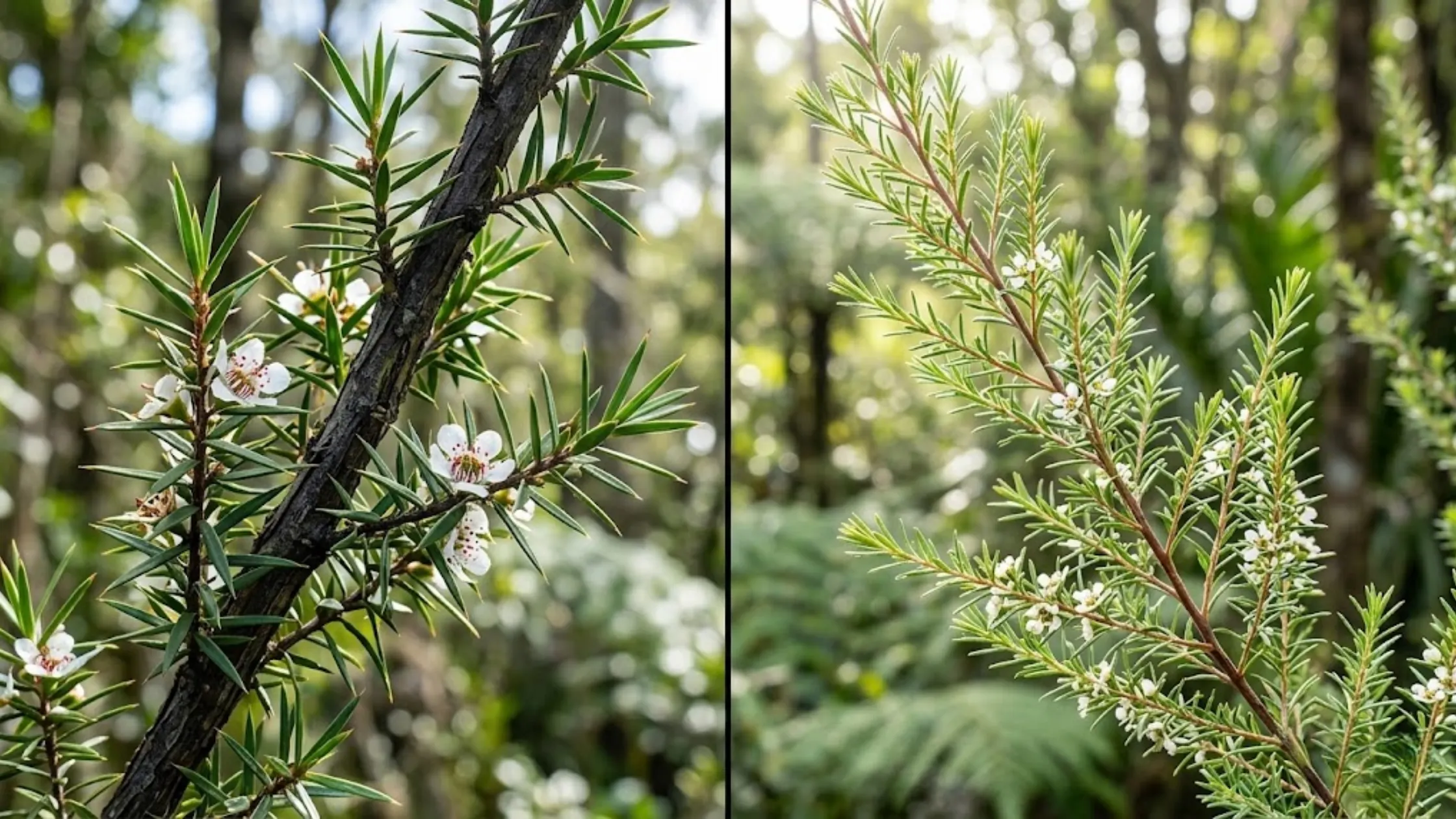
If you have ever walked through the beautiful New Zealand bush, you have stood right next to two of the most powerful plants in nature without even knowing it. They fill the air with a sweet fresh scent and cover the hillsides in a blanket of snowy white flowers. They look like twins to most people. However, these two native treasures known as Kānuka and Mānuka, are different plants with their own unique healing secrets.
For hundreds of years, these green guardians have been at the heart of natural wellness in Aotearoa. Today, health enthusiasts all over the world examine them closely to help protect their bodies and care for their skin. Choosing the right native remedy can feel confusing when they look so similar on the outside. Understanding their hidden differences helps you tap into the true power of New Zealand native medicinal plants to support your daily wellness path.
Key Takeaways
- Mānuka is a tough prickly shrub famous for its powerful antibacterial properties and rich dark honey.
- Kānuka grows into a tall soft tree known for its amazing anti-inflammatory benefits and skin-calming abilities.
- Identification is easiest by touch; Mānuka leaves feel sharp and spikey, while Kānuka leaves are soft and kind to your hands.
- Rongoā Māori relies on both plants using them for everything from soothing skin conditions to helping the body heal from coughs and colds.
What Is Kānuka?
Kānuka Tree Origins and Characteristics
Kānuka, known scientifically as Kunzea ericoides, is a beautiful native tree that loves the sunshine. It shows incredible resilience and often acts as a natural nurse plant. This means it grows in open spaces shielding the soil and creating a safe sheltered environment where slower-growing forest trees can sprout. Over time, a single plant can grow into a magnificent long-lived tree reaching up to thirty metres into the sky. It features long peeling strips of light brown bark and soft branches that weep gently toward the ground.
Traditional Māori Uses of Kānuka
In traditional Māori culture, every single part of the Kānuka tree had a special purpose. The wood itself is hard and strong, which made it the perfect material to carve durable tools, paddles and protective weapons. The clean-burning nature of the wood also meant it was prized for cooking fires. Beyond building traditional healers looked to the living tree for daily wellness support. They discovered that the leaves and bark held a natural magic capable of easing many common health troubles.
Kānuka Medicinal Uses and Health Benefits
When we look at kanuka health benefits, we find a remarkable natural healer. The leaves are packed full of special essential oils that act as a gentle shield for the body. , these leaves were steeped in hot water to create a soothing steam or a warm drink to help ease painful coughs and clear blocked airways. The inner bark can be boiled down to make a calming liquid used to soothe upset tummies. Modern natural wellness researchers are amazed at how well these traditional remedies work to ease discomfort.
Why Kānuka Is Valued in Natural Wellness
Kānuka is becoming a superstar in modern natural health because of how it works with the human body. While other plants can sometimes be too harsh on sensitive skin, this native plant offers a soft and calming touch. Its unique chemical makeup makes it a popular choice for people looking to calm redness, ease joint stiffness, and protect their skin without using artificial chemicals. It represents a beautiful bridge between ancient forest wisdom and modern and clean living.
What Is Mānuka?
What Does Mānuka Mean?
The word Mānuka carries a deep meaning that reflects the true spirit of the plant. In te reo Māori, the language of the indigenous people of New Zealand, it speaks to resilience, inner strength and adaptability. It describes a plant that can stand strong against harsh winds, poor soils and cold weather while still producing beautiful, life-giving flowers. It is a name that commands respect because of the incredible health properties hidden within its green leaves.
Mānuka NZ: A Native New Zealand Treasure
Mānuka, or Leptospermum scoparium, is a true icon of the New Zealand landscape. It spreads across coastal cliffs, windy hillsides and damp wetlands from the top of the North Island down to the bottom of the South Island. Unlike its taller cousin, it grows as a sturdy compact shrub or a small tree. It is adaptable and can survive in places where other plants would struggle to grow making it a crucial part of the New Zealand ecosystem.
Traditional and Modern Uses of Mānuka
Historically, the outer bark of this plant was used as a waterproof wrap for items, while the leaves were used to brew a refreshing herbal drink. When European explorers first arrived in New Zealand, they even used the leaves to make a comforting hot tea. In the modern world, this plant has global fame. Its leaves are harvested to create pure essential oils, and its flowers provide the nectar for some of the most sought-after wellness products on Earth.
Key Health Benefits of Mānuka
The manuka health benefits are famous worldwide due to its incredible ability to fight off bad germs. It contains natural compounds that act like an invisible shield helping the body defend itself against unwanted bugs. It is a fantastic choice for supporting your body’s natural defenses, helping wounds heal and keeping your digestive system happy and balanced. This makes it a staple ingredient for anyone focusing on proactive immune support.
Kānuka vs Mānuka: Key Differences Explained
Botanical Differences Between Kānuka and Mānuka
Even though they look identical from afar, they belong to different plant families and grow in different ways. Mānuka is a shorter, tough shrub that lives for a few decades. Kānuka is a grand tall tree that can live for more than a century. Their internal chemistry is also quite different, which means they create different types of essential oils and natural compounds to protect themselves from the environment.
Leaf Comparison: Mānuka vs Kānuka Leaves
The easiest way to tell these two plants apart is to look at the manuka vs kanuka leaves. Mānuka leaves are small, sharp and shaped like a tiny spear. If you press your hand against a branch, it will feel prickly and stiff. On the flip side, Kānuka leaves are longer, narrow and soft. Touching a Kānuka branch feels like a soft pleasant stroke because the foliage bends without poking your skin.
Flower and Growth Characteristics
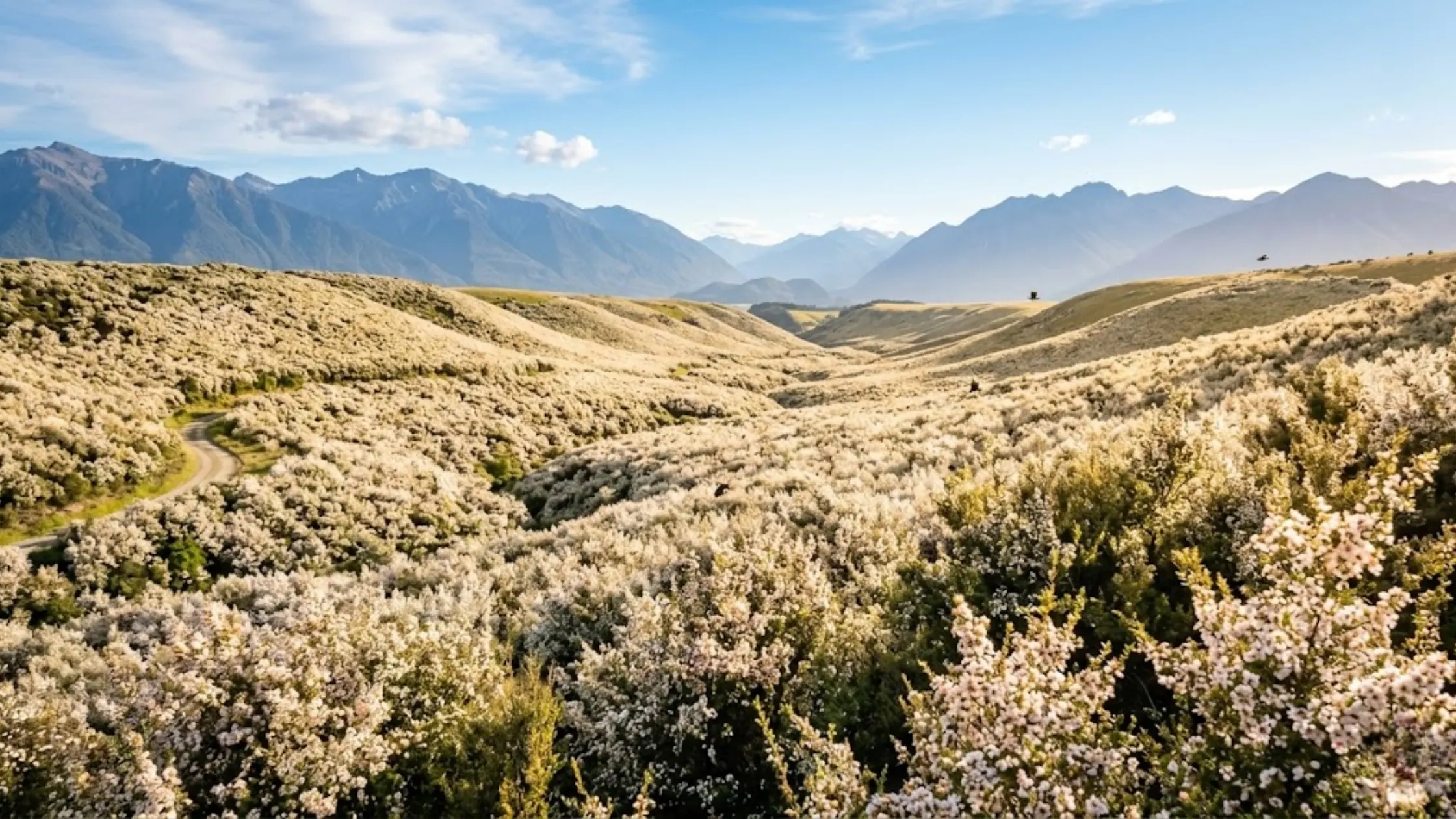
When spring arrives, both plants burst into beautiful white blossoms, but they do it quite . Mānuka flowers are large, sit on the branch all by themselves, and sometimes feature a lovely pink hue around their dark red centres. Kānuka flowers are smaller, creamy white, and grow in large fluffy clusters at the very ends of the branches. A flowering Kānuka tree looks like it is covered in giant tufts of soft snow.
Habitat and Distribution Across New Zealand
Both plants love New Zealand’s unique climate, but they prefer different neighborhoods. Mānuka is skilled at surviving in wet swampy areas and cold exposed hillsides. Kānuka prefers slightly drier warmer soils where it can spread its roots deep into the earth. You will often find them growing side by side along the edges of native forests working together to regenerate the land.
How to Identify Kānuka and Mānuka in the Wild
If you want to be a plant detective in the wild, use your senses. Remember the famous old New Zealand saying: “Mānuka is mean, and Kānuka is kind.” If the plant feels sharp and prickly to touch, you have found Mānuka. If it feels soft and silky, it is Kānuka. You can also look at how the flowers are arranged; single flowers mean Mānuka, while tight bunches mean Kānuka.
What Is the Difference Between Mānuka and Kānuka for Wellness?
Antibacterial Properties Compared
When it comes to fighting off harmful bacteria, Mānuka is the undisputed heavyweight champion. It contains a unique compound called methylglyoxal, which gives it an extra-strong ability to cleanse and protect. Kānuka also fights bacteria, but it uses different natural compounds that work in a lighter and more subtle way. This makes Mānuka the ideal choice when you need powerful and direct germ-fighting action.
Anti-Inflammatory Benefits Compared
While Mānuka wins the germ-fighting battle, Kānuka is the ultimate king when it comes to calming things down. Modern science has shown that Kānuka has special compounds that excel at reducing swelling, redness and heat in the body. If your body feels irritated, puffy or sore, the anti-inflammatory properties of Kānuka provide deep cooling relief that helps restore natural balance.
Skin Care Applications
Because they work , both plants have exciting roles to play in natural beauty and skin health. Mānuka is wonderful for clearing up breakouts, cleansing the pores, and helping minor spots heal without leaving marks. Kānuka is a dream for dry, sensitive, or irritated skin. It helps soothe red areas, calm down itchiness, and lock in moisture without causing any unwanted irritation.
Immune Support and General Wellness Benefits
Integrating these native New Zealand medicinal plants into your routine is a great way to look after your overall health. They work alongside your body’s natural defense systems to keep you feeling strong and energised. Whether you are looking for daily immune support to stay well during the colder winter months or a natural way to feel more vibrant, these plants offer a safe and time-tested solution.
Which Plant Is Best for Your Needs?
Deciding between them depends on what your body is asking for. If you are dealing with a stubborn skin issue or want intense protection against bugs, Mānuka is your best friend. If you want to calm down irritated skin soothe sore joints, or enjoy a gentle, relaxing wellness ritual, Kānuka is the perfect option. Many people find that using both together gives them the ultimate balance of protection and calm.
Difference Between Mānuka and Kānuka Honey
How Kānuka Honey Is Produced
Kānuka honey comes from hardworking New Zealand honeybees that visit the fluffy clusters of Kānuka flowers during the peak of summer. The trees bloom in huge bursts, so the bees can gather large amounts of this sweet nectar over a short period. The result is a beautiful pale yellow honey that carries the fresh light essence of the sunny New Zealand forest.
How Mānuka Honey Is Produced
Mānuka honey is created when bees collect nectar from the single, dark-centred Mānuka blossoms. The flowering season for Mānuka can be quite short and unpredictable, which makes the harvest of this honey a true art form. Beekeepers have to place their hives in remote pristine areas at the right time to catch the precious bloom making every jar valuable.
Unique Active Compounds in Each Honey
The difference between manuka and kanuka honey comes down to their secret internal ingredients. Mānuka honey is famous for its high levels of MGO, a compound that gives it its stable antibacterial power. Kānuka honey does not have high MGO but it contains a high concentration of special hydrogen peroxide compounds and unique plant proteins that scientists are finding beneficial to gut health and body wellness.
Taste, Texture, and Uses Compared
The two honeys look and taste different on your spoon. Mānuka honey is dark, thick, and has a strong earthy bitter-sweet flavor that stays on your tongue. Kānuka honey is much lighter in color, has a smooth liquid texture, and tastes sweet with a delightful subtle herbal finish. Mānuka is often used as a powerful remedy, while Kānuka is wonderful for everyday enjoyment and cooking.
Which Honey Should You Choose?
If you are looking for a powerful natural remedy to help soothe a sore throat or support wound healing, a high-quality Mānuka honey is an excellent choice. If you want a delicious premium honey to stir into your warm drinks, drizzle over breakfast, or use for daily digestive comfort and skin-glow face masks, Kānuka honey offers an incredible, versatile, and effective option.
Kānuka and Mānuka in Rongoā Māori (Traditional Māori Medicine)
Historical Healing Applications
In the sacred practice of rongoā Māori medicine, these plants were treated with immense respect. Māori healers understood that the forest holds the answers to keeping the body and mind in perfect harmony. They used the leaves, bark, and seed pods to create remedies for a wide range of ailments. The soothing properties of these plants helped treat everything from skin burns and insect bites to internal pain and respiratory issues keeping the community healthy and strong.
Cultural Significance of Native Medicinal Plants
To understand these traditional Māori healing plants, one must understand the concept of kaitiakitanga, or guardianship. These trees are not viewed as resources but as living ancestors and protectors of the land. Healers would offer a prayer of thanks before taking what they needed from a tree to ensure the plant remained healthy and vibrant for future generations. This deep spiritual connection ensures the remedies are prepared with love and respect.
How Kānuka and Mānuka Continue to Be Used Today
This ancient wisdom is more alive today than ever before. Modern New Zealanders are rediscovering the value of traditional practices and looking for ways to bring them into their busy modern lives. By combining traditional harvesting knowledge with clean modern preparation methods, these native botanicals are being transformed into convenient beautiful wellness products that respect the past while protecting our future health.
Kānuka Medicinal Uses Backed by Modern Research
Potential Benefits for Skin Health
Exciting new scientific studies are shining a bright spotlight on kanuka medicinal uses for skin care. Researchers have found that the natural extracts from Kānuka can reduce the symptoms of troublesome skin conditions like eczema and acne. By cooling down inflammation and clearing away unwanted skin bacteria, it has an influence on the skin’s natural repair process leaving it looking calm, clear, and healthy.
Anti-Inflammatory and Antimicrobial Properties
Laboratory tests have confirmed that Kānuka contains powerful natural compounds that help turn down the body’s inflammatory response. This is incredible news for anyone dealing with long-term redness or skin irritation. At the same time, its gentle antimicrobial action ensures that the skin barrier stays clean and protected from external irritants without stripping away the body’s natural protective oils.
New Scientific Studies
Scientists in New Zealand and around the world are exploring how Kānuka can help with internal wellness too. Early research suggests that its unique plant compounds might play a helpful role in supporting a happy balanced gut microbiome and assisting the body in managing daily stress. Every year we discover more reasons why this humble tree is one of nature’s greatest gifts.
Current Limitations of Research
While the initial findings are exciting, science takes time to understand everything. Most current studies have focused on how Kānuka works when applied to the skin or tested in a laboratory setting. More clinical trials are needed to map out how it behaves inside the human body. However, the combination of thousands of years of traditional use and positive modern testing gives us great confidence in its safety and power.
Choosing Between Kānuka and Mānuka Products
Best Uses for Kānuka-Based Products
Kānuka products are your absolute best option if you try to manage sensitive, red, or irritated skin. They work to soothe itchy spots, cool down sunburn, or create massage oils aimed at relaxing tired muscles and stiff joints after a long day. These products represent the best choice for anyone who seeks a gentle and nurturing wellness experience.
Best Uses for Mānuka-Based Products
Mānuka products shine brightest when you need strong protection and deep cleansing. Reach for Mānuka when you need to wash a minor scratch, clear up an oily or acne-prone patch of skin, or give your immune system a powerful boost when you feel a winter chill coming on. It is your go-to natural shield for active defense.
Factors to Consider Before Buying
When you look for native botanical products always look at where and how they were made. Make sure the ingredients are sourced from pristine New Zealand environments and respect traditional harvesting practices. When you choose pure and authentic formulations, you receive the full power of these plants just as nature intended.
Discover the Benefits of Authentic New Zealand Kānuka and Mānuka Products
Explore Premium Native Botanical Products
Now that you know the secrets of the New Zealand bush, it is time to have an experience of them for yourself. Bringing the balance of Kānuka and Mānuka into your daily routine can transform your approach to health. Pure natural care is the best way to respect your body and tap into the ancient wisdom of Aotearoa’s finest forests.
Find the Right Wellness Solution for Your Needs
Whether your skin is crying out for the gentle anti-inflammatory calm of Kānuka, or your body needs the resilient, immune-supporting defense of Mānuka, there is a perfect native solution waiting for you. Listen to what your body needs and choose a natural path that aligns with your personal wellness goals.
Shop Authentic New Zealand Kānuka and Mānuka Products Today
Do not wait to upgrade your daily health routine with the pure power of nature. Discover how traditional forest remedies can support your journey toward vibrant health and radiant skin. Head over to our main page to explore our story, learn more about our commitment to your health, or find your nearest stockists to experience true New Zealand wellness today.
Frequently Asked Questions
What Is Kānuka Used For?
Kānuka is used to calm inflammation, soothe sensitive or irritated skin, and support the body’s natural healing processes. Its gentle essential oils are popular in high-end skincare creams, muscle rubs, and aromatherapy blends designed to reduce stress and promote relaxation. On top of that, Kānuka honey is enjoyed as a delicious nutrient-rich food that supports digestive health.
What Is the Difference Between Mānuka and Kānuka?
The primary difference lies in their physical structure and their main health benefits. Mānuka is a sharp, prickly shrub famous for its strong direct antibacterial properties and rich dark honey. Kānuka is a tall soft tree known for its exceptional anti-inflammatory benefits, skin-calming properties, and light sweet herbal honey.
Is Kānuka Honey Better Than Mānuka Honey?
Neither honey is better; they shine at different things. Mānuka honey is unmatched for intense direct germ-fighting action and targeted wound care. Kānuka honey is often preferred for overall daily wellness, skin-brightening face masks, and general digestive comfort. It offers a smoother sweeter taste that is delightful for everyday consumption.
How Can You Identify Mānuka vs Kānuka Leaves?
You can identify them by touch. Mānuka leaves are short, sharp and spikey; if you squeeze a branch, it will prick your skin. Kānuka leaves are longer, narrower and soft to the touch. Squeezing a Kānuka branch feels smooth and pleasant, with no prickly sensations whatsoever.
Are Kānuka and Mānuka Related?
Yes, both plants belong to the Myrtaceae (myrtle) family and are native to New Zealand. Despite sharing similar geographic spaces and a resemblance from a distance, they belong to separate scientific genera—Kunzea for Kānuka and Leptospermum for Mānuka—which means they have distinct genetic profiles and chemical properties.
Which Plant Has Stronger Medicinal Properties?
Mānuka possesses stronger, more direct antibacterial and germ-killing properties, which makes it excellent for defense. Kānuka holds stronger anti-inflammatory and tissue-calming properties, which makes it better for reducing swelling and soothing irritation. The “stronger” plant depends on the specific health outcome you need.