

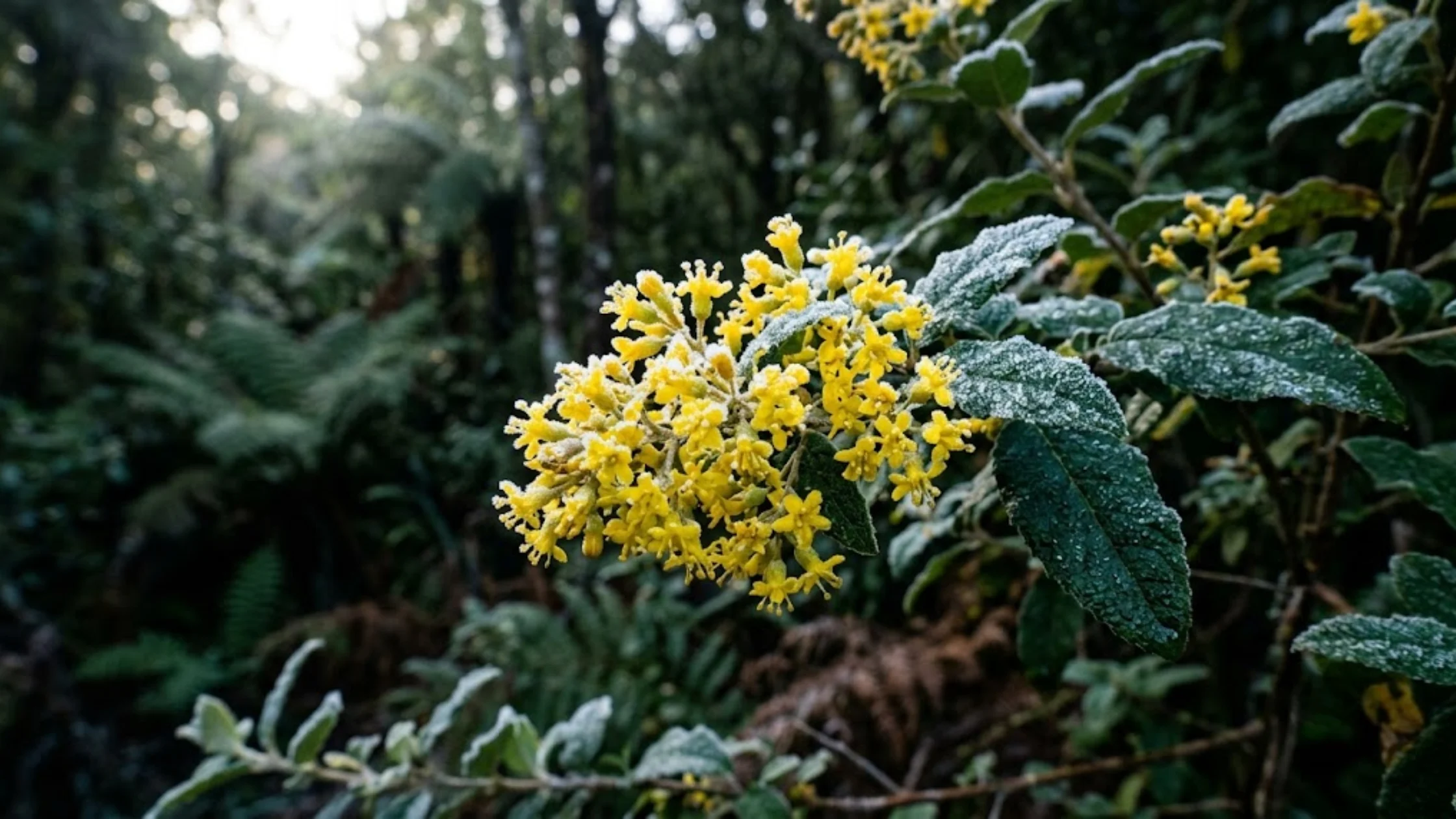
When June arrives in New Zealand, the air turns crisp and the mornings become coated in silver frost. Winter brings beautiful snowy mountains and cosy nights by the fire. But the drop in temperature also brings a familiar challenge. The cold air can make our chests feel tight, and the winter chills often leave us feeling under the weather. During this frosty season, we look for ways to stay warm and healthy. This is the exact moment when a special native plant steps into the spotlight.
For generations, the people of Aotearoa have turned to the forest to heal and find comfort. Among the many incredible plants in the native bush, kumarahou stands out as a true winter hero. If you want to support your health and breathe a little easier when the cold wind bites understanding this remarkable plant is a great place to begin. Let us explore the rich history of this plant how it thrives in the wild, and why it is the perfect companion for your seasonal wellness journey.
Key Takeaways
- Winter relief: Kumarahou is a traditional New Zealand plant used to help clear the chest and support easy breathing during cold months.
- Rich history: It has deep roots in Rongoā Māori, the traditional healing practice of Aotearoa.
- Natural soap: The flowers of this plant can be rubbed together with water to create a natural gentle lather.
- Daily wellness: You can enjoy the benefits of this plant today through made native botanical drinks.
The Magic of the Native Bush in Winter
Walking through the New Zealand bush in winter is a peaceful experience. The forest floor is damp, the air is fresh, and the trees stand tall against the grey sky. While many plants slow down and hide away from the cold, others are busy preparing to bloom. The native forest holds many secrets to good health. Long before modern shops existed, the bush was the local pharmacy.
When the winter cold settles in, our bodies have to work harder to stay well. The cold air can dry out our throats and make our lungs feel heavy. People have always needed something to soothe these uncomfortable feelings. The answer was found growing wild in the northern parts of the North Island. It is a plant that does not look dramatic at first glance but it holds powerful benefits within its leaves and flowers. Learning about our values and connection to these native plants helps us appreciate the natural gifts growing right in our backyard.
Getting to Know the Kumarahou Plant
If you have never seen kumarahou in the wild, it is a lovely sight. known as Pomaderris kumeraho, this native shrub loves growing in clay soils. You will often find it living on the edges of forests or along road banks in the upper North Island. It is a tough plant that thrives in areas where other plants might struggle growing.
The plant has distinct dark green leaves that feel rough on top but soft and pale underneath. But the real magic happens when it gets ready to flower. Just as the coldest days of winter begin to fade into early spring, the plant bursts into life. It produces heavy clusters of bright cheerful yellow flowers. These flowers are so bright and abundant that they look like sunshine trapped on a branch.
One of the most fun and famous facts about this plant is its hidden trick. If you take the blossoms add a little bit of water and rub them together in your hands, they create a soapy foam. Because of this clever feature early settlers often called it “gumdigger’s soap.” People working hard in the sticky kauri gum fields would use the plant to wash their dirty hands. But while the soap trick is fun, the real value of the plant lies deep inside its leaves when it comes to feeling well during the cold months.
Traditional Māori Healing and Respiratory Support
To understand why this plant is so essential, we must look back at history. The use of native plants for health is known as Rongoā Māori. This traditional practice is built on deep respect for nature and the understanding that the earth provides what we need to heal. In Rongoā Māori, kumarahou is treasured and respected.
When winter brought coughs, colds and tight chests to the villages, the healers knew what they needed to search for. They would gather the leaves of the plant. The preparation had to be done with care and respect. The leaves were boiled in water to create a dark bitter liquid. This liquid was then given to people who were struggling with easy breathing or who had heavy chests.
The traditional drink’s main goal was to provide respiratory support. When your chest feels tight, it is hard to feel energetic or happy. The bitter tea made from the plant was known to help loosen the chest and clear the airways. Even though the taste was very strong and bitter, people gladly drank it because they knew it worked. This long history of traditional use proves just how powerful the plant is for winter wellness. You can read more about this deep history in our detailed guide on traditional Māori respiratory support.

Why the Coldest Months Demand Better Care
June marks a turning point in New Zealand. The days reach their shortest and the nights stretch to their longest. During this period we spend more time indoors and share air with others. We move from warm heated rooms out into the freezing wind. These sudden shifts in temperature can be very harsh on our bodies. Our immune systems often need a helping hand to keep us feeling strong.
Modern life keeps us busy. We still need to go to work, take the children to school and manage our daily tasks even when it is freezing outside. We cannot just hibernate in bed all winter. This is why having a reliable way to support our bodies matters so much.
When your throat is tickly or your breathing feels a bit rough, it can ruin your whole day. You might feel tired faster or struggle to concentrate. Turning to a natural plant-based option feels good. It connects us back to the land. Instead of reaching for harsh chemicals, we can look to the gentle power of a native shrub that people have trusted for centuries.
The Science of Breathing Easier
While the ancient healers knew this plant worked from experience modern science also finds it interesting. The plant contains natural compounds that help the body manage mucus. When you have a cold, your body produces extra mucus, which makes your chest feel heavy. The special properties in the leaves help thin this mucus out making it much easier for your body to clear it away.
What’s more, the plant is known for its soothing properties. When you are coughing a lot, your airways can become irritated and sore. The natural compounds help to calm this irritation down. It is like wrapping a warm comforting blanket around your lungs. This calming effect is what you need when the sharp winter air makes your throat feel scratchy. It is a perfect example of how nature creates ideal solutions for seasonal problems.
Bringing Tradition into the Modern Day
In the past, to get the benefits of this amazing plant, you had to know how to identify it, harvest it , and brew the bitter tea yourself. Today, our lives are much faster and many of us live in cities far away from the native bush. But that does not mean we have to miss out on these incredible traditional benefits.
At Atutahi, we believe that everyone should be able to enjoy the wellness gifts of Aotearoa. We have taken the traditional knowledge and blended it with modern tastes. We know that the traditional brewed tea was very bitter and hard for some people to drink. So we worked hard to create a solution that tastes wonderful while still providing the native goodness.
We blend the native extract with familiar refreshing flavours like lemon and lime. This means you can give your winter health a boost by opening a bottle of a delicious drink. It strikes a perfect balance between deep history and modern convenience. By visiting our shop and viewing our drink range, you can see how we bring these ancient plants to your modern table.
Creating Your Winter Wellness Routine
Staying healthy in winter is all about creating good habits. You do not have to wait until you feel terrible to start looking after yourself. Building a daily wellness routine can help you stay strong all season long.
Start your day by wrapping up warm. Drink plenty of fresh water even if you do not feel as thirsty as you do in summer. Eat warm nourishing foods like soups and stews. And of course add a touch of native wellness to your day. Enjoying a refreshing Kumarahou Lemon & Lime drink with your lunch is an easy and tasty way to give your body a little extra support.
Because our drinks are crafted, they are gentle enough to be enjoyed every day. You can share them with your family. We are passionate about making sure these traditional plants are respected and shared in a way that honours their history. If you want to learn more about how we make this happen, you can read all about our story and mission.
Embrace the Season with Atutahi
Winter doesn’t have to be a season of feeling miserable. With the right support, you can enjoy the crisp air, the frosty mornings and the cosy evenings feeling healthy and bright. The secret has been growing in the New Zealand bush for hundreds of years. Kumarahou is a true gift from nature designed to help us breathe easier and stay well when the temperatures drop.
We invite you to make this native plant a part of your family’s winter routine. Experience the gentle soothing support that has been trusted by generations of Māori healers. Don’t let the winter chills slow you down this year. Head over to our online store to explore our mixed packs and diverse flavours. Take a step towards natural seasonal wellness and let the power of the native bush support you today.
Frequently Asked Questions
Kumarahou is recognised in traditional Māori medicine as the primary native plant to treat chest complaints. The leaves of this remarkable shrub are boiled to make a bitter liquid that helps clear mucus, soothe rough airways, and support easier breathing during severe winter colds and chest infections.
the large green leaves are gathered and boiled in water for around twenty minutes to create a dark bitter tea. This strong tea is then sipped to help loosen a tight chest. Today, you can also find it blended into natural wellness drinks with lemon and lime for a much better taste.
Yes when you prepare it or blend it into high-quality botanical wellness drinks, it is gentle enough for daily consumption. Drinking it during the cold winter months is a great way to give your body ongoing respiratory support and keep your immune system feeling strong and balanced.
This hardy native shrub thrives in the upper half of the North Island of New Zealand. It loves growing in poor, clay-heavy soils where other plants struggle. You will often spot its bright yellow flowers along sunny road banks, bush margins, and clearings during the late winter and early spring.
It earned this famous nickname from early New Zealand settlers and kauri gum diggers. If you take the bright yellow flowers add a tiny splash of water, and rub them between your hands, they produce a rich natural soapy lather. The workers used this natural foam to clean sticky dirt from their hands.
In its pure traditional brewed form, the tea is bitter and very earthy. The strong taste is a sign of its potent natural compounds. Because the traditional flavour is quite harsh modern wellness brands often blend the native extract with sweet citrus fruits or berries to make it delicious and easy to drink.
Yes crafted botanical drinks that blend this native extract with natural fruit juices are a safe and refreshing option for the whole family. They offer a fantastic low-sugar alternative to standard fizzy drinks while introducing the younger generation to the wonderful benefits of traditional New Zealand native plants.
Many people who experience tight chests during the cold winter air find gentle relief from using this native plant. While it should never replace prescribed asthma medication from a doctor, it has a natural ability to soothe irritated airways and thin out mucus, which makes it a helpful natural companion to support winter breathing.
The plant puts on a spectacular display just as winter comes to an end. in August and September, the shrub erupts in heavy bright yellow clusters of tiny flowers. This beautiful bloom signals the end of the coldest months, right when people needed its healing leaves the most to recover from winter.
Atutahi and sources native leaves from the New Zealand bush. We extract the beneficial properties and blend them with real fruit juices and pure water. This process honours the traditional Rongoā Māori uses while we create a refreshing modern drink that supports your wellness without the bitter traditional taste.