

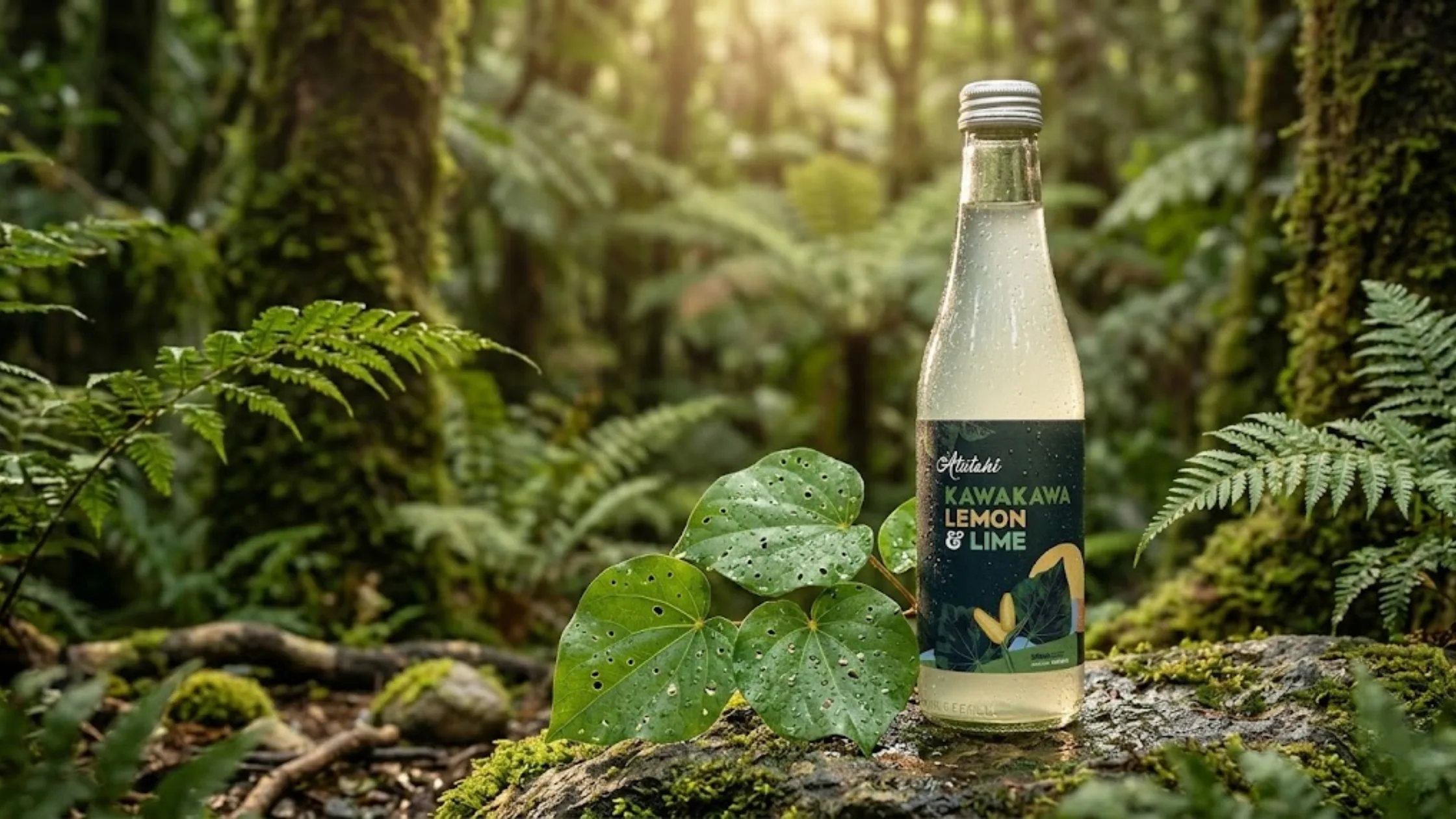
Have you ever walked through a deep, green forest and wondered if the plants around you could heal your body? For hundreds of years, the native forest of New Zealand has been a natural pharmacy. The plants growing here are not just beautiful to look at. They hold special powers that can help you feel strong, healthy, and full of life. Today, more people than ever are looking for natural ways to stay well, and the answers are hidden right inside the leaves of New Zealand native herbs.
Key Takeaways
- Māori herbs have been used for hundreds of years in New Zealand to heal the body.
- Kawakawa helps calm your tummy and supports your body’s immune system.
- Kūmarahou acts as a natural cleaner for your lungs and helps you breathe easily.
- Horopito fights bad bacteria and lowers swelling inside the body.
- Atutahi brings these ancient plant secrets into yummy, low-sugar daily drinks.
What Are Māori Herbs and Why Are They Important?
When we talk about Māori herbs, we are talking about unique plants that only grow in the special soil and clean air of New Zealand. These plants are a gift from nature. They are special because they have adapted over a very long time to protect themselves, which means they are packed with natural goodness that helps protect us too.
Understanding Rongoā Māori and Traditional Māori Medicine
Traditional Māori medicine is called rongoā Māori. This is a holistic way of healing that looks at the whole person, not just a sickness. It mixes the physical use of plants with a deep spiritual connection to the land. For generations, experts in the community used these plants to fix everything from tummy aches to cuts and bruises.
The Cultural Significance of Māori Ingredients in New Zealand
In New Zealand, these ingredients in Māori culture are treated with the highest respect. Plants are not just things to be picked. They are living teachers and friends. Māori communities always offer thanks before gathering leaves and only take what is needed. This keeps the forest alive and healthy for the future. You can learn more about these core beliefs on the Atutahi values page.
How Māori Herbs Support Modern Wellness
Today, life moves very fast, and our bodies often feel tired or stressed. This is where maori botanicals step in to save the day. Instead of turning to artificial pills and sugary drinks, people are choosing these old plant remedies to balance their bodies. They help us fight off colds, soothe our digestion, and make us feel clean from the inside out.
The History of Traditional Māori Medicine and Native Healing Plants
Long before modern doctors arrived in New Zealand, the forest was the only hospital available. Early Māori communities had to study every tree, bush, and flower to see how it affected the body. This wisdom was passed down from parents to children through stories and songs, creating a rich history of healing.
How Māori Communities Used Native Herbs for Healing
Māori healers used maori leaves in many clever ways. Sometimes they would boil the leaves in water to make a strong, healing tea. Other times, they would bruise the leaves and apply them directly to the skin like a natural plaster. They knew exactly which plant could stop a cough and which one could take away pain.
The Connection Between Nature, Wellbeing, and Rongoā Māori
True wellbeing means being in perfect harmony with the earth. Rongoā Māori teaches that if the forest is sick, the people will be sick too. By looking after the native nz medicinal plants, we look after our own health. It is all about balance, kindness, and respect for the world around us.
Why New Zealand Native Herbs Are Still Used Today
Even with modern medicine, these traditional methods have never been forgotten. People still use new zealand native herbs today because they work gently with the body without causing bad side effects. They are simple, clean, and exactly what our bodies need to stay in top shape.
Kawakawa Benefits: The Most Popular Māori Healing Leaf
If you walk into the New Zealand bush, the first plant you will likely notice is Kawakawa. It is famous because its beautiful leaves are shaped just like green hearts.
What Is Kawakawa?
Kawakawa is a small tree that loves to grow in the shade of larger forest giants. A fun fact about this plant is that its leaves are often full of little holes. These holes are made by a special native looper caterpillar. Māori wisdom teaches that the leaves with the most holes actually have the strongest healing power!
Traditional Uses of Kawakawa in Māori Medicine
In traditional maori medicine, Kawakawa was the go-to plant for almost everything. Healers used it to treat painful toothaches by asking people to chew on the fresh leaves. It was also used to make warm baths for people with sore muscles or itchy skin conditions.
Digestive, Immune, and Anti-Inflammatory Benefits
The true magic of kawakawa benefits lies in how it helps your inside systems. It acts like a warm hug for your tummy, easing bloating and helping you digest your food smoothly. It also boosts your immune system so you can stay strong against winter bugs and keeps swelling down across your whole body.
How Kawakawa Is Used in Modern Wellness Drinks
You do not have to forage in the woods to enjoy this plant anymore. Atutahi has captured these benefits in a delicious, bubbly form. You can enjoy a refreshing bottle of Atutahi Kawakawa Lemon and Lime to get your daily dose of wellness while enjoying a crisp, citrus flavor.
Kūmarahou Benefits: One of New Zealand’s Most Powerful Native Herbs
Kūmarahou is a stunning plant that blossoms with bright, golden-yellow flowers in the springtime. It holds a very special place in indigenous New Zealand herbs history.
What Makes Kūmarahou Unique?
Kūmarahou has a very cool trick. If you rub the fresh leaves together with a little bit of water, they start to foam up just like real soap! Because of this, early visitors to New Zealand called it the “Gumdigger’s Soap.”
Traditional Māori Uses for Respiratory Health
The main superpower of this plant is how it looks after your breathing. Māori elders always used Kūmarahou to help people who had heavy chests, bad coughs, or blocked airways. It is known as a powerful lung healer.
How Kūmarahou Supports Lung and Seasonal Wellness
When you look at kūmarahou benefits, it is all about clearing things out. It helps soothe the tubes in your lungs and makes it easier for your body to get rid of thick mucus. It is the perfect natural shield to use when the seasons change and everyone starts sneezing.
Modern Applications of Kūmarahou
Instead of drinking bitter herbal mixtures, you can now enjoy this lung-loving herb in a delicious way. Atutahi makes a wonderful Atutahi Kūmarahou Lemon and Lime drink that tastes great and keeps your airways feeling open and happy.
Horopito Benefits: The Native New Zealand Herb for Digestive and Immune Support
If you want a plant with a bit of a kick, Horopito is the one to look for. It is often called the New Zealand pepper tree because of its spicy taste.
What Is Horopito?
Horopito is an ancient shrub with green leaves that feature beautiful red spots. The plant actually uses its spicy flavor as a built-in shield to stop bugs from eating it.
Traditional Uses in Māori Herbal Medicine
Māori bushmen used Horopito to solve tummy troubles and skin problems. If someone had a sore tooth or a skin ache, the bruised leaves of Horopito were used to bring fast, warming relief to the area.
Anti-Inflammatory and Antifungal Properties
The primary horopito benefits come from its ability to fight off bad elements. It is amazing at stopping bad fungi and bacteria from growing in your gut. It also calms irritation and helps your stomach process food without creating uncomfortable gas.
Why Horopito Is Growing in Popularity
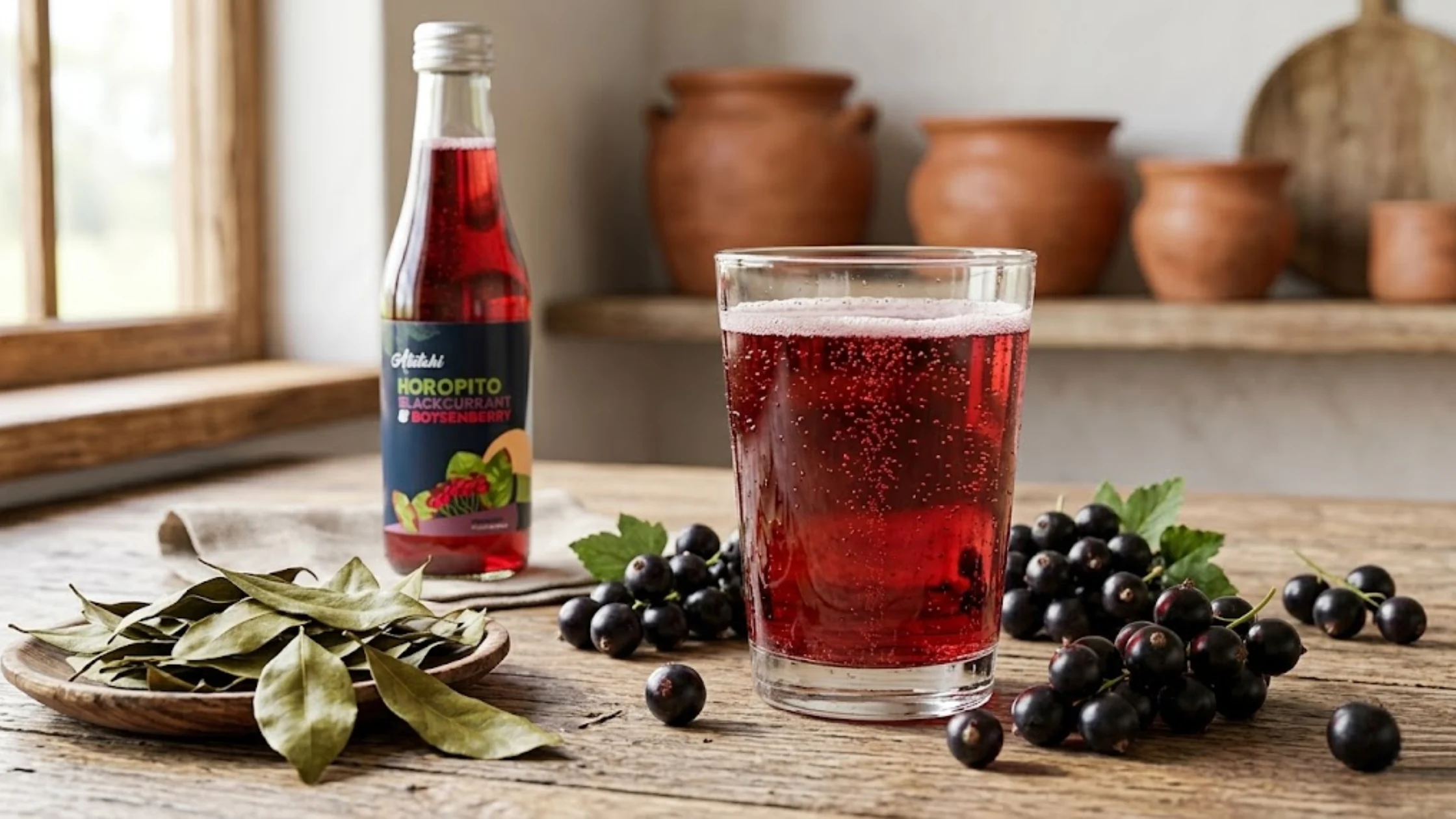
People around the world are realizing that a healthy life starts in the gut. Because Horopito keeps the stomach ecosystem balanced, it has become a superstar ingredient. Try the fruity and spicy blend of Atutahi Horopito Blackcurrant and Boysenberry to feel the difference yourself.
Kānuka and Mānuka: Two Important Māori Medicinal Plants
Most people have heard of Mānuka honey, but there is a twin sister plant called Kānuka that is just as wonderful for your health.
What Is the Difference Between Kānuka and Mānuka?
These two trees look very similar at first glance, but they have distinct personalities. Mānuka is a smaller tree with sharp leaves and large flowers, while Kānuka grows tall and proud with soft leaves and small clusters of white blossoms.
Traditional Healing Uses of Kānuka
Kānuka leaves were traditionally boiled to create a soothing liquid for sore, tired eyes and to help calm angry skin rashes. The hard wood of the tree was also used to make tools because it was so strong.
Mānuka’s Role in Māori Medicine
Mānuka medicinal uses are famous worldwide. The bark was used to calm down an overactive stomach, and the oil from the leaves was rubbed onto the body to keep bugs away and heal scratches fast.
Skin, Immune, and Wellness Benefits
Both of these plants act as a shield against germs. They clean the skin, support your body’s natural defenses, and help you heal quickly from day-to-day wear and tear.
Other Native New Zealand Herbs and Māori Ingredients Worth Knowing
The New Zealand forest has many more secrets beyond the most famous names. Let us look at a few other plants that play a major role in traditional life.
Harakeke (New Zealand Flax)
Harakeke is a large plant with long, strong leaves. While it was used to weave baskets and clothes, the sticky gum found at the bottom of the leaves was used as a cooling gel for burns and cuts.
Pikopiko Fern Shoots
Pikopiko are the curly young fronds of native ferns. They look like little green hooks and were picked fresh to be eaten as a delicious, green vegetable full of life-giving vitamins.
Pūhā and Other Traditional Māori Plants
Pūhā is a leafy green thistle that is packed with iron. It was traditionally cooked with wild foods to create a balanced meal that kept the warriors strong and energised.
How Māori Leaves and Botanicals Are Used Today
Today, these incredible plants are moving out of the forest and into our modern kitchens. Chefs use them to add unique flavors to meals, and wellness experts use them to create clean foods that make our bodies thrive.
Why Māori Herbs Are Becoming Popular in Modern Wellness
People are getting tired of artificial chemicals and confusing ingredient labels. There is a massive shift toward returning to the simple gifts that the earth provides.
Natural Alternatives to Artificial Supplements
Your body knows how to read nature much better than it reads a lab-made pill. Māori herbs give your body vitamins and minerals in a form that is easy to absorb and use immediately.
Growing Interest in Indigenous New Zealand Ingredients
People all over the world are looking at New Zealand because our nature is so clean and isolated. The plants here cannot be found anywhere else, making them exclusive superfoods for anyone wanting top-tier health.
Scientific Research Supporting Traditional Uses
Scientists are now testing these plants in big laboratories, and guess what? They are finding out that the ancient Māori stories were right all along! Science proves that these leaves really do fight germs and lower inflammation.
Sustainable and Ethical Sourcing of Native Herbs
When you choose these ingredients, you support companies that care for the earth. Proper harvesting means cutting the leaves carefully so the plant can grow back even stronger, keeping New Zealand green forever. Learn about how we value this balance on our sustainability page.
How to Add Māori Herbs to Your Daily Routine
Bringing the power of these ancient plants into your life is incredibly easy and fun to do.
Herbal Teas and Infusions
You can dry the leaves of plants like Kawakawa and steep them in hot water for a calming evening drink that relaxes your mind and settles your stomach before bed.
Functional Wellness Drinks
The easiest and most refreshing way to enjoy these benefits is through functional drinks. Instead of a sugary soda, opening a cold can or bottle of an herbal drink gives you fizz and flavor without any of the bad chemicals. You can browse the full range on the Atutahi drinks category page.
Cooking With Māori Ingredients
You can use these plants to spice up your regular meals. Think about trying unique condiments like a rich Kawakawa Mango Chutney or a spicy Horopito Tomato Chutney to add a healthy kiwi twist to your dinner plate.
Choosing High-Quality Native Botanical Products
Always look for brands that respect the plants and do not overload their products with sugar. True wellness products keep the herbs as the star of the show.
Experience the Benefits of Traditional Māori Medicine with Atutahi
You do not have to go on a long hike to connect with the incredible healing powers of New Zealand’s native bush. Atutahi brings the forest straight to you.
Discover Authentic Māori Botanical Drinks
Atutahi honors traditional knowledge by crafting beverages that let the natural power of Māori herbs shine through. Every sip connects you to the pure, clean energy of New Zealand nature.
Support Your Digestive, Respiratory, and Immune Health Naturally
Whether you need to clear your breathing with Kūmarahou or soothe your digestion with Horopito and Kawakawa, there is a flavor designed to help your body feel its best. It is simple, effective, and delicious self-care.
Explore Atutahi’s Range of Native New Zealand Herbal Beverages
Why choose just one flavor when you can try them all? To start your journey into natural wellness, you can grab an Atutahi Mixed 15-Pack or a larger Atutahi Mixed 24-Pack to find your absolute favorite blend.
Frequently Asked Questions
What are the most commonly used Māori herbs?
The most popular herbs are Kawakawa, Kūmarahou, and Horopito. Kawakawa is widely used for calming the stomach and boosting immunity. Kūmarahou is trusted for clearing the lungs and helping people breathe easily. Horopito is famous for its spicy taste and its ability to balance gut health by fighting off bad bacteria.
Are Māori medicines scientifically studied?
Yes, modern scientists are studying these plants more every year. Laboratory tests have proven that herbs like Kawakawa and Horopito contain active natural compounds. These compounds are scientifically shown to reduce inflammation, fight off harmful microbes, and support the body’s natural defense systems.
Can Māori herbs be consumed daily?
Most native New Zealand herbs can safely be enjoyed as part of your daily diet when prepared correctly. Enjoying them in balanced wellness drinks or light herbal teas is a fantastic way to give your body steady, gentle support for digestion and immune health every single day.
What is the difference between Māori herbs and other herbal remedies?
Māori herbs are completely unique because they evolved in New Zealand’s isolated environment. This means they developed special chemical defenses that are not found in plants from other countries, offering distinct wellness benefits rooted in centuries of traditional rongoā Māori practice.
Where can I buy products made with New Zealand native herbs?
You can find authentic native herb products directly through trusted local creators. To explore a range of low-sugar, refreshing drinks made with these wild botanicals, check out the Atutahi products page or look up local storefronts using the Atutahi stockists guide.