

Why Your Kitchen Might Be Missing Something Ancient
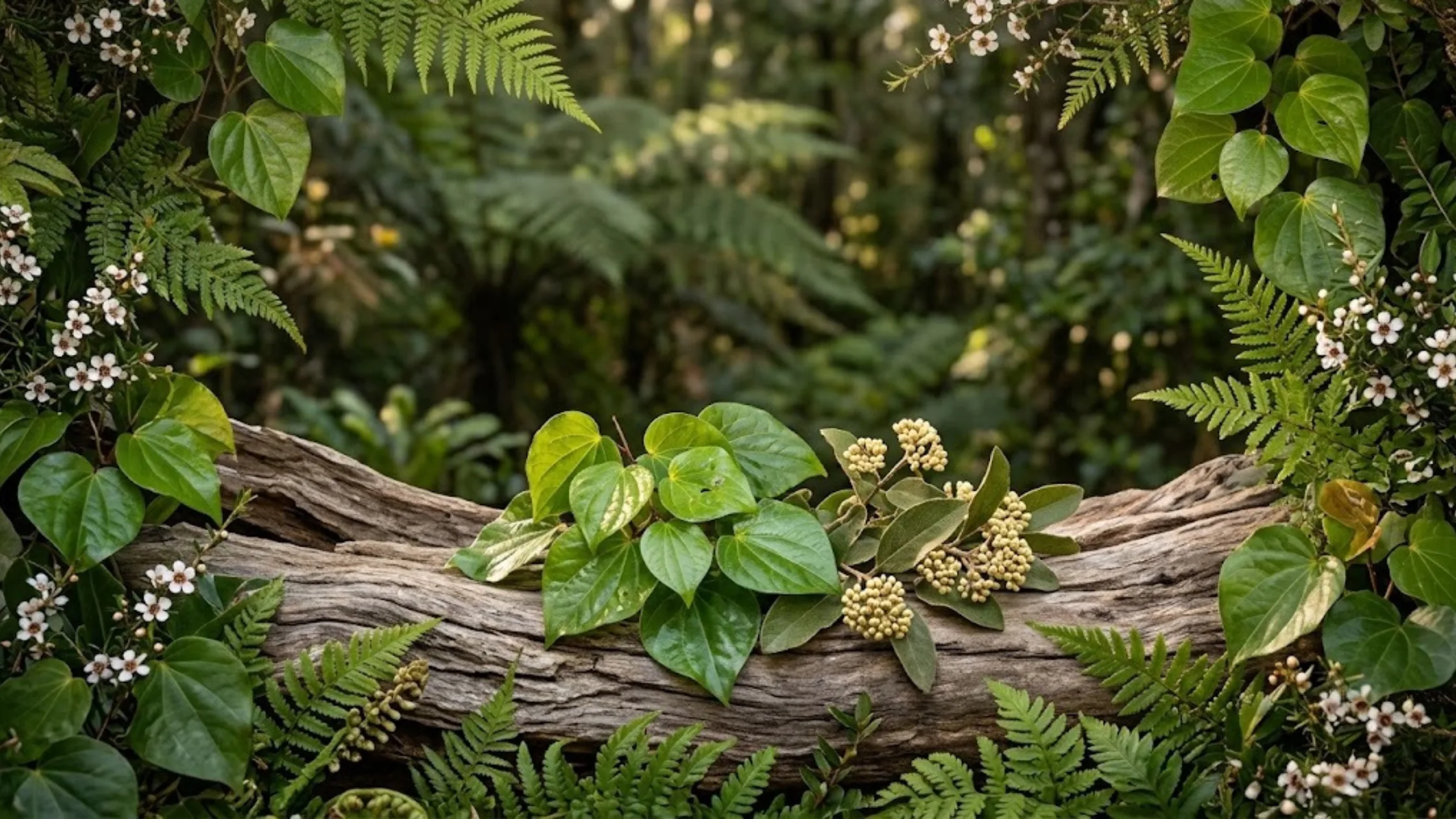
Here’s an honest problem: most of us are surrounded by “superfood” trends that come from the other side of the world, while some of the most powerful, time-tested foods have been growing right here in Aotearoa all along. Chances are, you’ve walked past kawakawa on a bush walk, or heard your nan mention horopito — without ever knowing these plants carry centuries of wellness knowledge behind them.
Māori superfoods wellness culture is the living tradition of using native plants such as kawakawa, kūmarahou, and horopito, for everyday health, passed down through rongoā Māori (traditional healing practice). Modern nutrition science is now backing up what Māori healers have known for generations: these plants are rich in antioxidants, vitamins and gut-friendly compounds. You don’t need to forage in the bush to benefit — brands like Atutahi bottle this heritage into everyday drinks and pantry staples you can pick up today.
What This Topic Is Really About
Māori superfoods wellness culture isn’t a diet trend. It’s a way of relating to food that treats plants as taonga (treasures) — things to be respected, understood and used with purpose. For hundreds of years, tohunga (expert practitioners) and whānau (families) have used native New Zealand plants not just to fill bellies, but to support the body through illness, injury and everyday tiredness.
What makes this different from a typical “superfood guide” is context. A leaf isn’t just a leaf — kawakawa, for instance, carries meaning tied to Papatūānuku (the earth) and is often the first plant taught to tamariki (children) as a natural first-aid remedy. When you understand the why behind these foods, the how to use them daily makes a lot more sense.
What Makes a Food “Māori Superfood”?
A Māori superfood is a native plant or ingredient that has been used within rongoā Māori for its nutritional or medicinal value, and that modern science is now studying and confirming. Unlike imported superfoods such as goji berries or chia seeds, these plants are grown in New Zealand soil, shaped by New Zealand seasons, and tied directly to mātauranga Māori (Māori knowledge systems).
Three things typically qualify a plant for this title:
- It has a documented history of use in rongoā Māori, often passed down orally through generations.
- It contains measurable levels of antioxidants, vitamins or anti-inflammatory compounds.
- It’s still grown, harvested and used today — this isn’t a forgotten practice, it’s a living one.
This combination of cultural depth and nutritional substance is what sets Māori superfoods apart from typical wellness marketing. You can read more about how this heritage informs everyday products on the Atutahi story page.
The Wellness Culture Behind the Kai
Food, health and identity have never been separate in te ao Māori (the Māori world). Wellbeing is often understood through the lens of hauora — a holistic model covering physical, mental, spiritual and family health. Rongoā Māori sits inside this framework, and plants are one of its main tools.
This is where the word “culture” matters as much as the word “superfood.” You’re not just looking at a list of ingredients — you’re looking at generations of careful observation. Long before laboratories existed, Māori healers noticed which leaves eased a sore stomach, which roots supported skin healing, and which plants helped clear the airways. That knowledge was tested, refined and handed down, hapū (sub-tribe) by hapū.
Today, that same knowledge underpins a wave of modern products that make this heritage easy to access, whether that’s a soothing tea, a native-botanical drink, or a condiment for your dinner table. You can explore how Atutahi approaches this on their what we value page.
Key Māori Superfoods You Should Know
Let’s get into the plants themselves. Each of these has its own story, its own traditional use, and its own place in modern nutrition science.
Kawakawa: The Everyday Healer
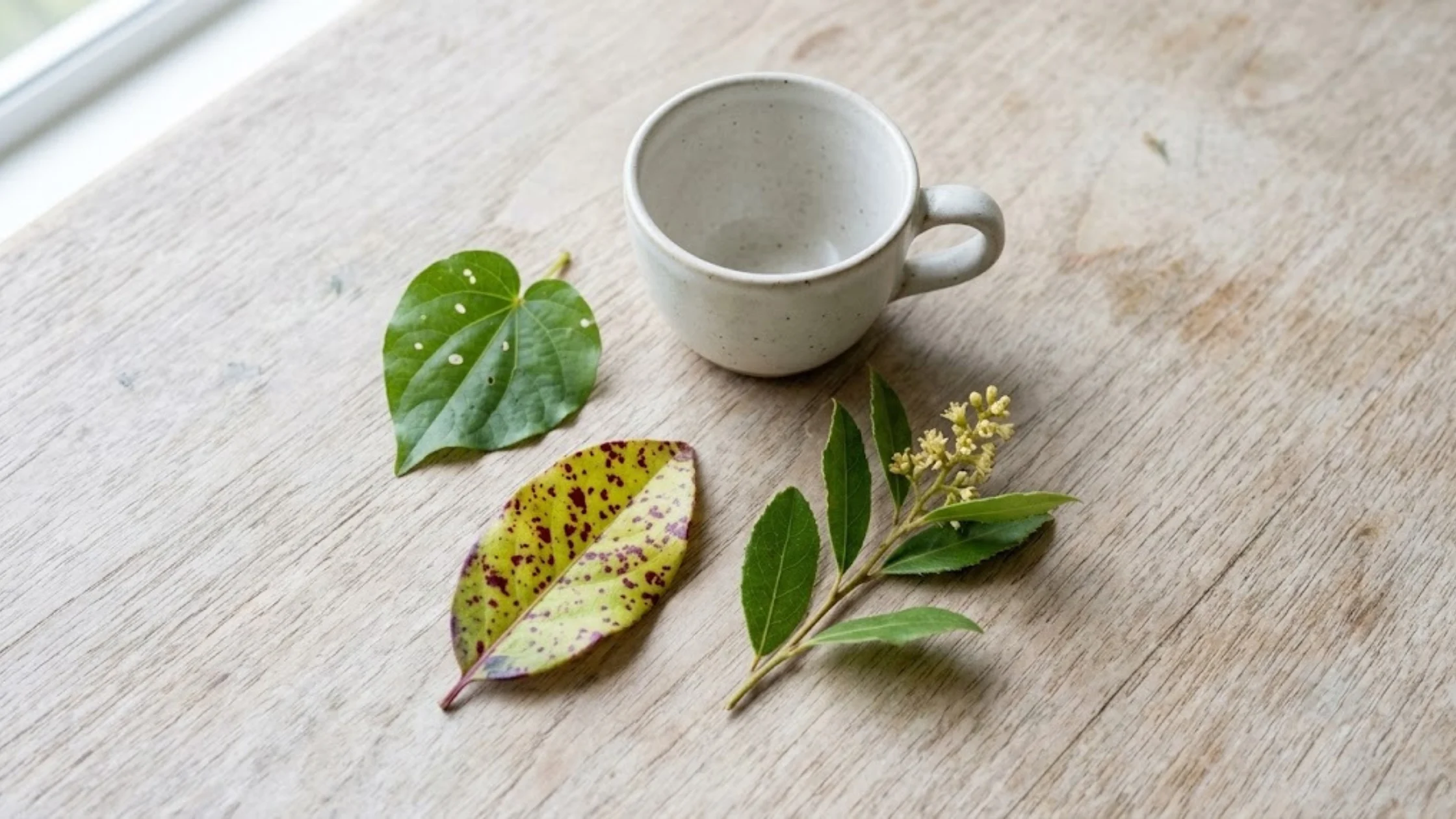
Kawakawa is often called the most commonly used rongoā plant in New Zealand, and for good reason. Its heart-shaped leaves have traditionally been chewed or brewed into tea to soothe upset stomachs, ease toothache and calm skin irritation. Nutritionally, kawakawa leaves contain antioxidant compounds that help the body manage everyday oxidative stress — the kind caused by pollution, poor sleep or a busy lifestyle.
Kūmarahou: The Breathing Plant
Sometimes called “gumdigger’s soap” because of its historic use for washing, kūmarahou is best known in rongoā Māori for supporting the respiratory system. Traditionally brewed as a tea, it was used to ease coughs and clear the chest, particularly through colder months.
Horopito: Nature’s Pepper
Horopito, or “bush pepper,” has a peppery bite and a long history of use for skin conditions and digestive discomfort. Modern research has taken an interest in horopito’s natural antifungal and antimicrobial properties, which line up neatly with its traditional use for skin healing.
| Plant | Traditional Use | Modern Nutritional Interest |
| Kawakawa | Digestive comfort, skin care | Antioxidants |
| Kūmarahou | Respiratory support | Anti-inflammatory compounds |
| Horopito | Skin and digestive support | Antimicrobial properties |
If you want to see these ingredients in action, Atutahi’s product range turns several of these plants into everyday drinks and chutneys.
How Ancient Wisdom Meets Modern Nutrition Science
It’s easy to romanticise traditional knowledge or, on the flip side, dismiss it until a lab confirms it. The more honest picture sits in the middle. Māori healers built their knowledge through generations of close, careful observation of what actually worked in real bodies over real time. Modern nutrition science is now catching up, using tools like chromatography and clinical trials to explain why these plants work, not just that they work.
This matters for your everyday choices. When you choose a product built on kawakawa or horopito, you’re not just following a trend — you’re tapping into a feedback loop that’s been running for centuries and is now being backed by contemporary research. That combination of lived experience and scientific validation is exactly what makes this wellness culture worth paying attention to, rather than just another passing fad.
Bringing Māori Superfoods Into Your Daily Life
You don’t need to become an expert forager to benefit from any of this. The easiest starting point is simply swapping one everyday item for a native alternative — your afternoon soft drink for a kawakawa-based beverage, or your usual chutney for one made with horopito or kānuka.
Here’s a simple way to think about it: start with taste, not obligation. If you enjoy a citrus soft drink, a kawakawa lemon and lime option gives you that familiar flavour with a native twist. If you love a good chutney with your Sunday roast, a kānuka beetroot version adds something genuinely different to your table. Small, enjoyable swaps are far more sustainable than a total overhaul of your pantry.
For those wanting to go deeper, reading about the culture itself — not just the ingredients — makes the whole experience more meaningful. Atutahi’s wellness blog is a good place to keep learning, and their health page breaks down how their ingredients connect to everyday wellbeing.
Key Benefits at a Glance
- Antioxidant support from kawakawa helps your body manage everyday oxidative stress.
- Respiratory comfort is a traditional strength of kūmarahou, especially through winter months.
- Skin and digestive support are longstanding traditional uses of horopito.
- Cultural connection gives these foods meaning beyond nutrition alone — you’re supporting a living tradition, not just a diet trend.
Ready to Taste the Tradition?
If this has sparked your curiosity, the easiest next step is simple: try it. Atutahi bottles this heritage into drinks, chutneys and gift packs designed for everyday New Zealand life, from the kawakawa lemon and lime range to the kūmarahou lemon and lime bottles and the horopito blackcurrant and boysenberry blend. Not sure where to start? The mixed pack lets you try a bit of everything, and you can find a stockist near you on the Atutahi stockists page. If you have questions about ingredients, sourcing or how these products fit into your routine, the team is happy to help via the contact page.
Where Ancient Meets Everyday
Māori superfoods wellness culture proves that you don’t need to look overseas to find powerful, meaningful nutrition. The plants have been here all along, growing in forests, gardens and backyards across Aotearoa, carrying knowledge that’s been tested by generations rather than by a single viral trend. Whether you’re drawn in by the flavour, the health benefits, or the story behind each plant, there’s an easy, genuine way to bring this culture into your everyday life — one bottle, one meal, one cup of tea at a time.
Frequently Asked Questions
Kawakawa, kūmarahou, and horopito, are the most widely recognised. Each has a long history in rongoā Māori and offers different benefits, from antioxidant support to steady energy and respiratory comfort.
Kawakawa tea is available at many New Zealand health stores, farmers’ markets and specialty wellness shops. You can also check the Atutahi stockists page to find nearby retailers stocking native botanical products.
Several New Zealand brands sell native botanical products online, including drinks, chutneys and gift packs. Atutahi’s full product range is available for online purchase with nationwide delivery.
Native health products are sold through brand websites, health food retailers and select supermarkets. Atutahi’s products page offers direct online ordering of native botanical drinks and chutneys.
Atutahi is one such company, crafting drinks, chutneys and gift packs from native plants like kawakawa, kūmarahou and horopito, rooted in Māori wellness culture and everyday nutrition.
Yes, many New Zealand health stores stock native-ingredient snacks and condiments. Look for kawakawa, horopito or kānuka-based products, including chutneys from brands such as Atutahi.
Common traditional medicinal plants include kawakawa, kūmarahou, horopito, kōwhai and harakeke. Each has specific traditional uses, ranging from digestive comfort to skin healing and respiratory support.
Kawakawa are both traditionally associated with immune support due to their antioxidant and antibacterial properties. Including them regularly, through teas or everyday drinks, is a simple starting point.