

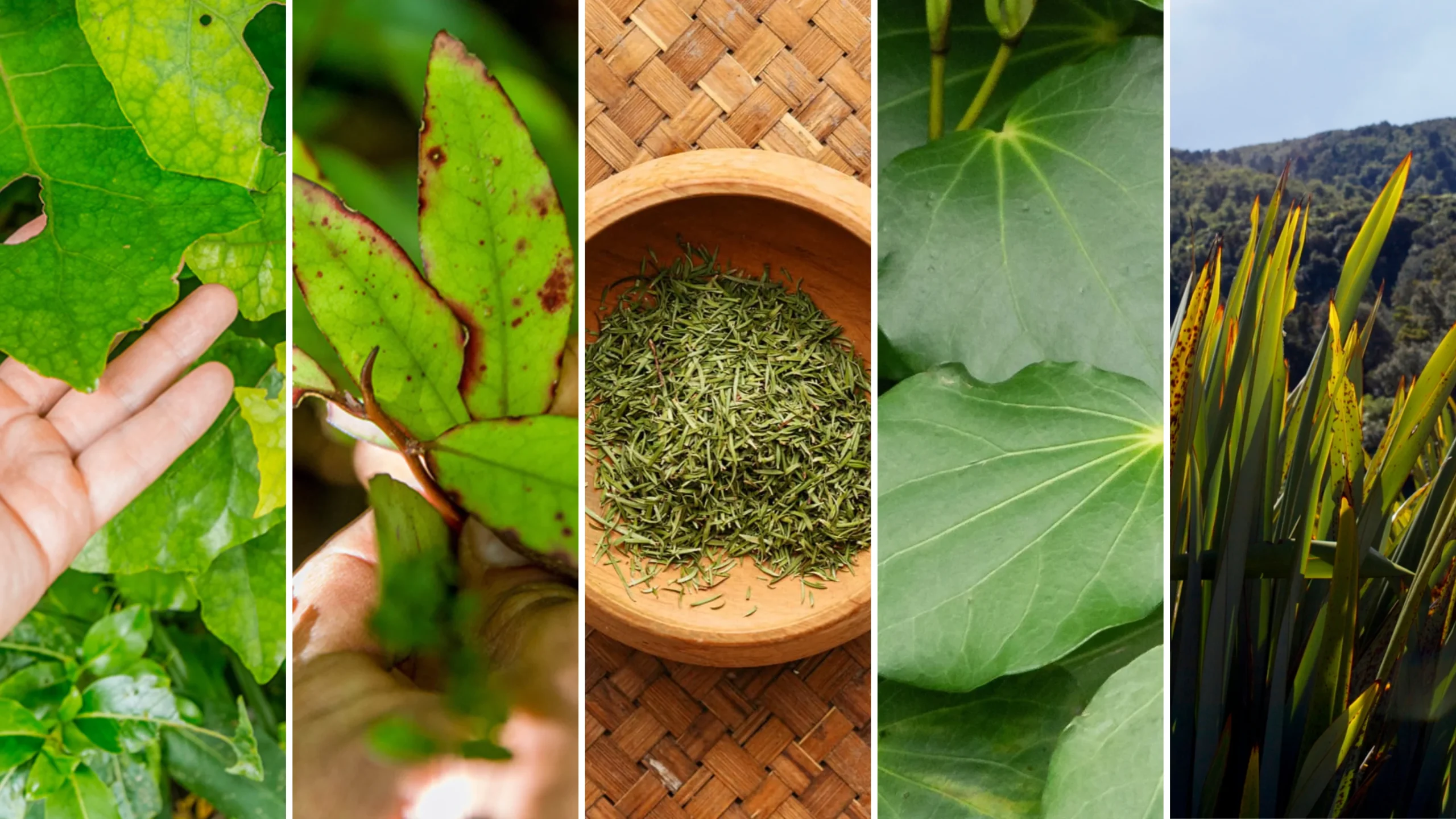
NZ native plants for health have been central to Māori rongoā (healing) practice for centuries offering real, documented benefits for digestion, immunity, skin repair, and respiratory function. Plants like kawakawa, kūmarahou, and horopito are not wellness trends but time-tested taonga that modern science is beginning to understand.
More Kiwis are turning back to the land for answers to everyday health challenges, and it makes sense. When you look at what these plants contain at a compound level, the case for including them in your daily routine becomes hard to ignore. Brands like Atutahi have made this accessible by infusing these botanicals into sparkling drinks that are both convenient and grounded in indigenous knowledge.
This article breaks down five of the most important native plants used in rongoā Māori, what each one does why the science supports traditional use, and how you can start benefiting from them today.
Why Rongoā Māori Still Matters in Modern Wellness
Rongoā Māori is not folk medicine in the dismissive sense of that phrase. It is a well-developed, observation-based system built over hundreds of years through intimate knowledge of Aotearoa’s ecosystems. Māori healers known as tohunga rongoā, understood plant chemistry through practice long before laboratories could confirm it.
Today, researchers at New Zealand universities are conducting validation of many of these traditional uses. Compounds like polygodial in horopito and myristicin in kawakawa have been studied to understand their antimicrobial anti-inflammatory and digestive properties. If you are serious about your health and want to move beyond synthetic supplements, these plants offer a deeply local alternative rooted in the whenua (land) you live on.
The 5 Key NZ Native Plants for Health and What Each One Does
1. Kawakawa: The Heart of Māori Plant Medicine
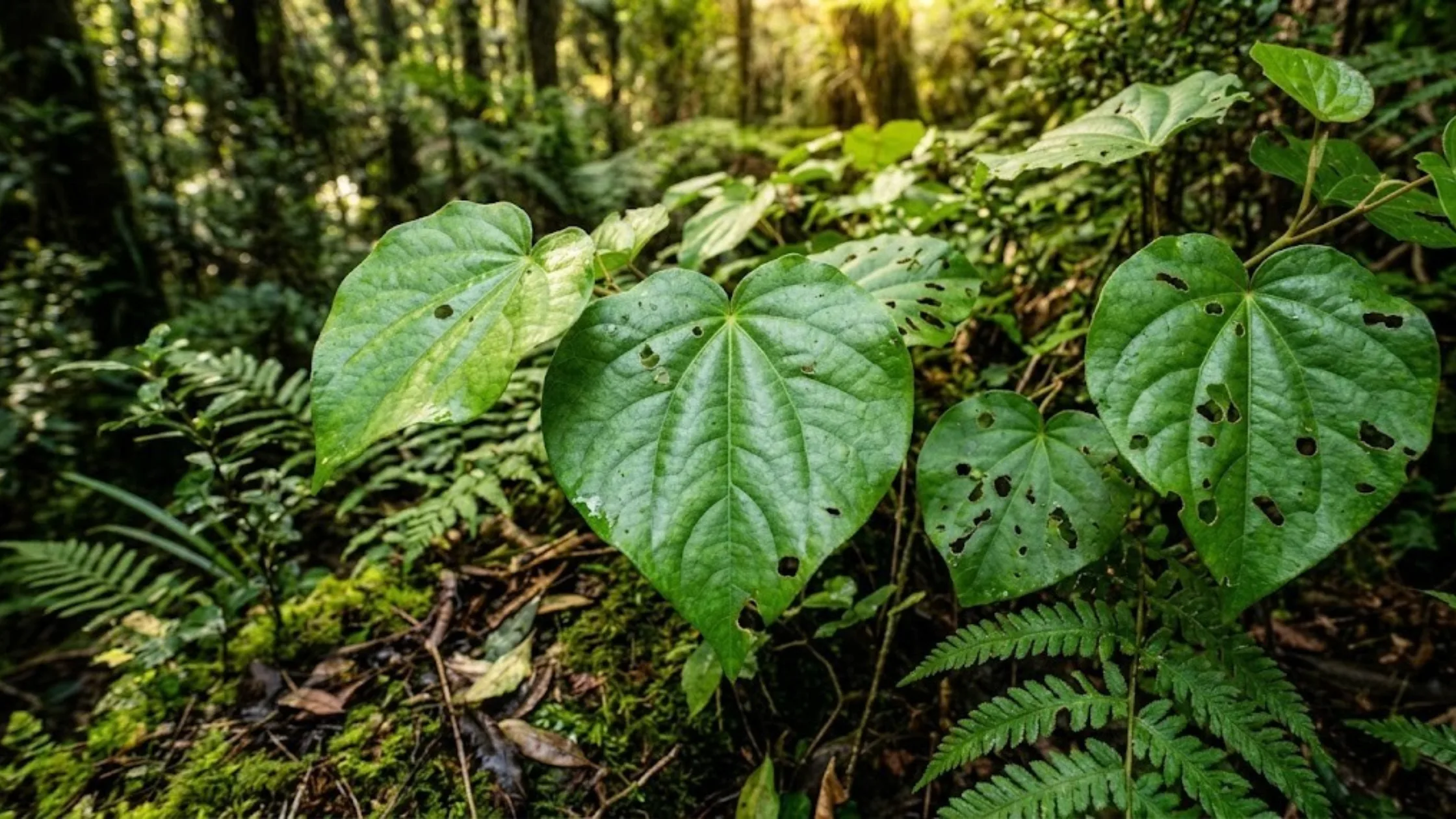
Kawakawa (Macropiper excelsum) is the most significant plant in rongoā Māori. Its heart-shaped, insect-nibbled leaves are recognisable and the warm peppery taste hints at the potency underneath. People used it for everything from digestive complaints to toothaches. Kawakawa has a broad therapeutic profile.
The active compounds include myristicin, a phenylpropanoid with anti-inflammatory properties and piperidine alkaloids that support gut motility. Studies published in New Zealand botanical research have linked kawakawa to reduced intestinal inflammation and improved circulation. If your gut health is a persistent issue, this is a plant worth taking .
Key benefits:
- Reduces gut inflammation and supports healthy digestion
- Acts as a mild natural pain reliever
- Improves blood circulation
- Supports detoxification pathways in the liver
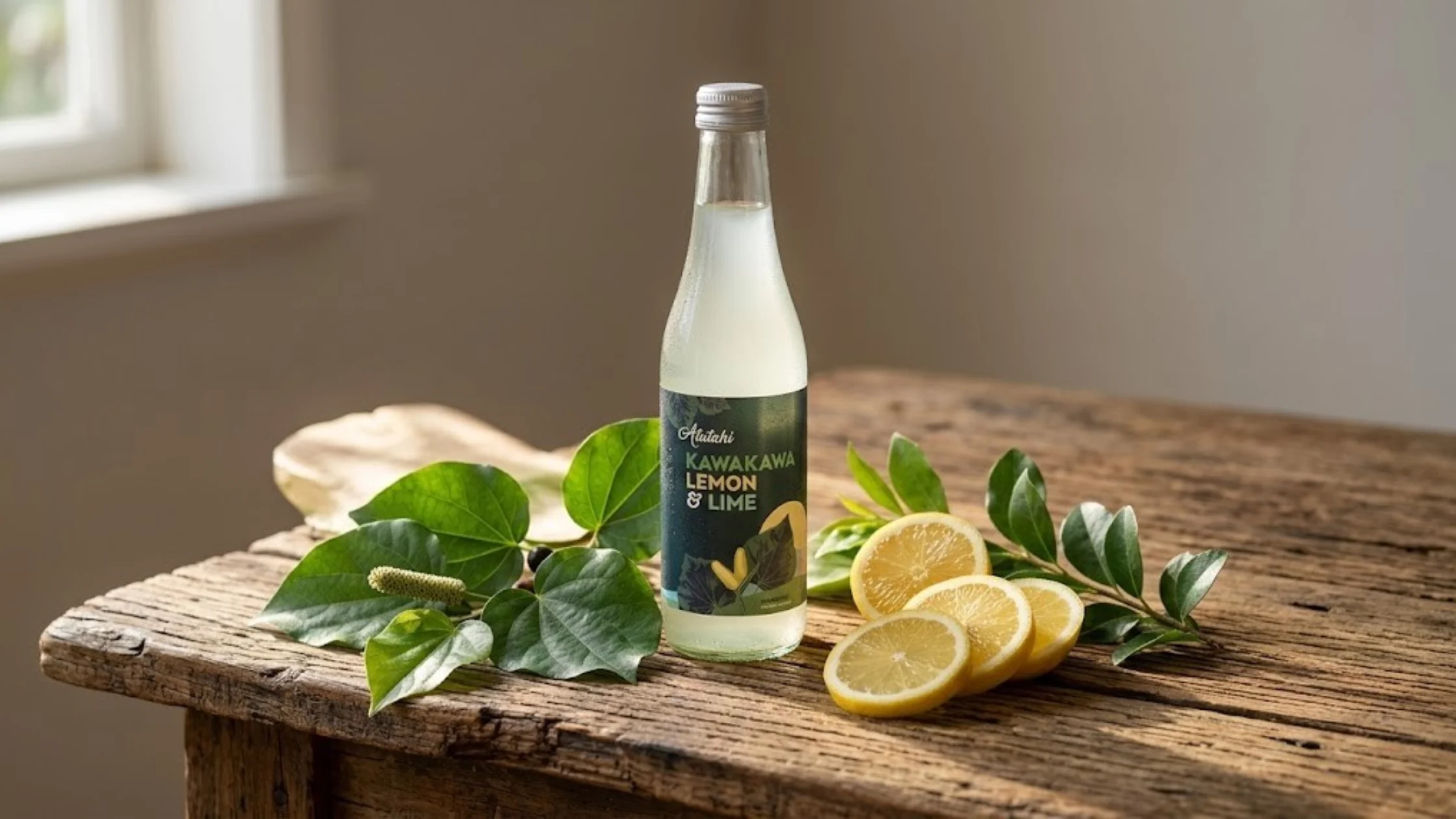
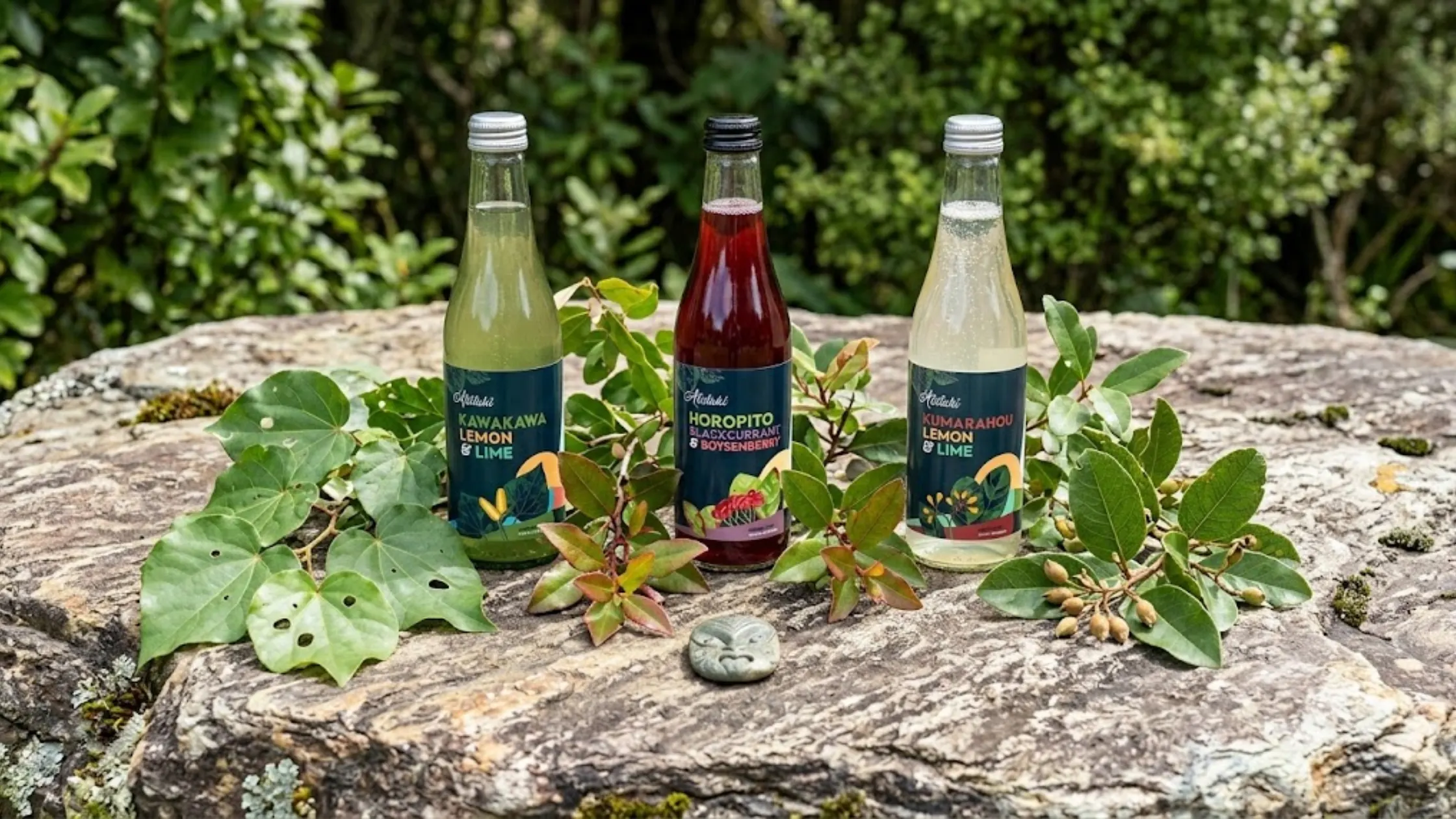
The atutahi kawakawa lemon and lime 15 x 330ml bottles is one of the most popular ways Kiwis are incorporating this plant into a daily routine without any preparation required.
2. Kūmarahou: The Natural Respiratory Cleanser
Kūmarahou (Pomaderris kumerahou) earned the nickname “gum-digger’s soap” because its leaves lather when wet, but its real value lies in its respiratory and detoxifying properties. Māori healers traditionally used kūmarahou to address chest congestion, coughs and bronchial irritation during winter months.
The plant contains saponins, compounds known to thin mucus and improve its clearance from the lungs. This makes kūmarahou relevant for anyone who suffers from seasonal respiratory issues, asthma flare-ups or general lung congestion. It also supports liver detoxification and has mild diuretic properties that support kidney function.
Key benefits:
- Thins and clears mucus from the respiratory tract
- Supports liver and kidney detoxification
- May contribute to clearer skin through improved internal cleansing
- Provides a distinctive bitter flavor that balances sweeter botanicals
If you want to try this plant in a ready-to-drink format, the atutahi kumarahou lemon and lime 15 x 330ml bottles pairs kūmarahou with citrus for a refreshing functional drink.
3. Horopito: Aotearoa’s Natural Antifungal Powerhouse
Horopito (Pseudowintera colorata) is hard to miss. Its red-speckled leaves look striking against the green of the bush, and one bite of a raw leaf tells you everything—it is hot and peppery. Māori valued horopito to fight infection, relieve toothache, and treat skin conditions.
The compound responsible for most of horopito’s therapeutic activity is polygodial, a sesquiterpene dialdehyde with well-documented antifungal and antimicrobial properties. Research from Massey University has shown that polygodial disrupts the cell membranes of fungal pathogens, including Candida albicans making horopito one of the most validated plants in rongoā Māori.
Key benefits:
- Prevents fungal and bacterial overgrowth particularly in the gut
- Supports immune defence at a cellular level
- Stimulates digestive enzyme activity
- Adds natural warmth and depth to botanical blends
The atutahi horopito blackcurrant and boysenberry 15 x 330ml bottles combines horopito’s heat with the antioxidant richness of blackcurrant and boysenberry creating a drink that is both bold and functional.
4. Kānuka: The Underrated Healer
Kānuka (Kunzea ericoides) often gets overshadowed by its better-known cousin mānuka, but practitioners of rongoā Māori have long recognised it as a taonga in its own right. The leaves, bark and steam from kānuka were used to reduce inflammation, treat skin irritation and support respiratory health.
Kānuka essential oil contains high levels of alpha-pinene and other monoterpenes with proven anti-inflammatory and antimicrobial effects. Unlike mānuka, kānuka is gentler and more suited to daily use, which makes it a practical wellness plant for ongoing support rather than acute treatment. It has a clean herbaceous flavour that adds a calming quality to botanical blends.
Key benefits:
- Reduces skin inflammation and supports wound healing
- Supports respiratory function and eases breathing
- Gentle enough for regular daily use
- Provides natural antimicrobial protection
5. Harakeke: The Gut-Friendly Flax
Harakeke (Phormium tenax) known to most Kiwis as New Zealand flax, carries enormous spiritual and practical significance in Māori culture. , the leaf gel was used to treat burns and wounds, while boiled roots functioned as a natural laxative and digestive aid.
From a modern nutritional standpoint, harakeke is notable for its prebiotic properties. Prebiotics feed beneficial gut bacteria and help maintain a healthy microbiome, which research links to immune function mental health and metabolic health. Including harakeke in your daily routine is one of the more straightforward ways to support your digestive system .
Key benefits:
- Supports healthy bowel function and regularity
- Contains natural prebiotic compounds that feed beneficial gut bacteria
- Hydrates and soothes the digestive tract
- trusted for skin repair and wound care

Comparing the Five Plants at a Glance
| Plant | Primary Benefit | Key Compound | Best For |
| Kawakawa | Digestion and pain relief | Myristicin, alkaloids | Gut inflammation, circulation |
| Kūmarahou | Respiratory and detox | Saponins | Chest congestion, cleansing |
| Horopito | Antifungal, immune support | Polygodial | Gut fungal issues, immunity |
| Kānuka | Skin and respiratory | Alpha-pinene | Inflammation, skin repair |
| Harakeke | Gut microbiome support | Prebiotic fibres | Digestion, bowel health |
How Atutahi Brings These Plants to Your Daily Routine
What sets Atutahi apart from generic health drinks is a genuine commitment to indigenous values and sustainable sourcing. You can read more about what we value on their website and it becomes clear this is not a branding exercise. The approach reflects real respect for rongoā traditions and the people who have carried that knowledge forward.
The full range of drinks uses balanced botanical combinations that make these plants accessible and enjoyable every day. Browse the full range of products to find blends that suit your specific health goals, whether that is respiratory support through winter or daily gut maintenance.
If you want to learn more about the team behind the brand, the about us page gives a clear picture of why this company exists and what drives their formulations.
Things to Know
- Looper moth larvae make the holes in kawakawa leaves, and traditional Māori practice sees them as a sign of the plant’s strength.
- Water best activates kūmarahou’s saponins, which explains why it performs well in liquid-based preparations like drinks.
- High temperatures break down polygodial in horopito so cold or processed preparations keep more of its antifungal activity.
- People should not confuse harakeke with Australian flax (Linum usitatissimum), which has a different nutritional profile.
- People often misidentify kānuka and mānuka, but kānuka grows taller and has smaller softer leaves.
- Rongoā Māori is a living tradition, not a historical one. Tohunga rongoā continue to practice today across Aotearoa.
Ready to Begin Your Native Plant Wellness Routine?
Pick one Atutahi drink this week to try. If digestion is your focus, start with the kawakawa lemon and lime blend. If you are heading into a cold New Zealand winter and want respiratory support, the kūmarahou option is a logical first step. If you want something bolder with immune-protective qualities, go for the horopito blackcurrant and boysenberry. Commit to one bottle a day for two weeks and pay attention to how your body responds. That is all it takes to begin. If you have questions about which blend suits your needs, contact us and the team can help point you in the right direction.
Frequently Asked Questions
Yes when used in formulated food-grade preparations, these plants are safe for daily consumption.
Atutahi’s drinks are formulated with appropriate levels of each botanical to support regular use. If you are pregnant, breastfeeding, or managing a specific medical condition, it is wise to check with your GP before you add any new botanical supplement to your routine.
Most people begin to notice digestive and energy-related changes within one to three weeks of consistent daily use.
Results change based on your starting gut health, diet and lifestyle. Consistency matters more than quantity here. One bottle is more effective than three bottles once a week.
No, Atutahi drinks are free from caffeine and artificial sweeteners.
They use minimal natural sugar and rely on the botanical ingredients for flavor complexity. This makes them appropriate for most adults and older children, though checking with a healthcare provider for young children is always sensible.
Mānuka is best known for its antibacterial methylglyoxal content, while kānuka offers broader anti-inflammatory and respiratory support through its monoterpene compounds.
They work in the body and complement each other rather than duplicate the same function. Kānuka is better suited for daily preventative use, while mānuka honey is more applied for acute antibacterial purposes.
Atutahi sources its botanicals from New Zealand suppliers committed to sustainable and respectful harvesting practices.
This ensures the plants are harvested at peak potency and that the mana (prestige and integrity) of rongoā traditions is maintained throughout the supply chain.
The Bottom Line on NZ Native Plants for Health
The five plants covered in this article kawakawa, kūmarahou, horopito, kānuka, and harakeke, represent the best of what Aotearoa’s natural environment has on offer for human wellbeing. They are not alternatives to medical care, but they are powerful daily allies for anyone serious about building a resilient supported body.
Atutahi has done the hard work of turning these plants into drinks that are easy to include in your everyday life. Your next step is simple: choose a blend, commit to drinking it , and let the whenua of Aotearoa do what it has always done, support the people who turn to it.