

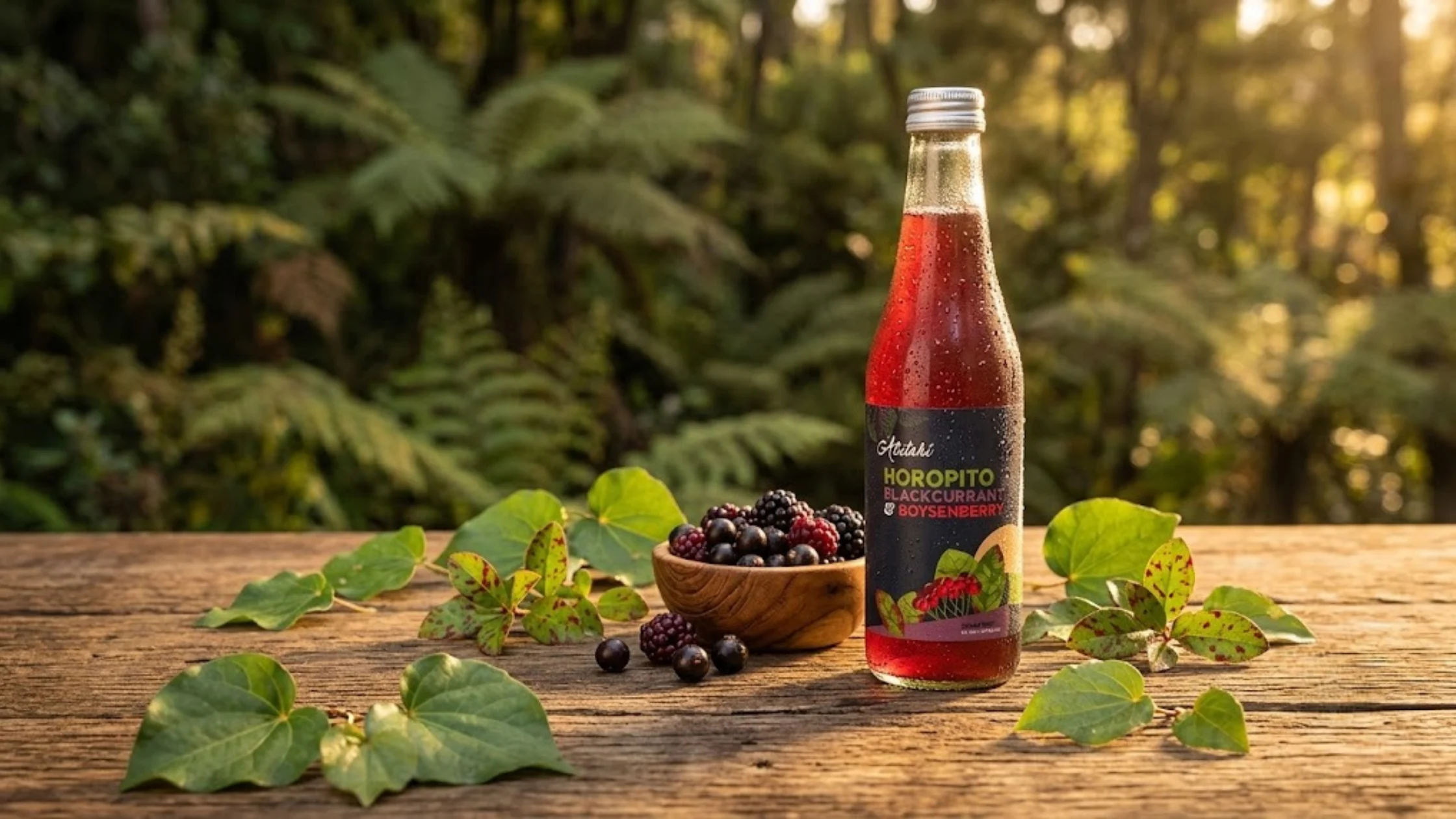
A Sip of the Past Is Changing How We Drink Today
Here’s the honest truth: most of us grew up drinking whatever was on the supermarket shelf, never once wondering what our great-grandparents actually drank to stay well. Fizzy drinks loaded with sugar. Energy drinks packed with mystery chemicals. Somewhere along the way, Aotearoa forgot its own backyard was full of answers.
New Zealand’s traditional drinks come from rongoā Māori (traditional healing) and lean on native plants like kawakawa, horopito and kumarahou. These plants were used for generations to support digestion, immunity and general wellbeing. Today, brands like Atutahi are bottling that heritage into modern, low-sugar sparkling drinks — which is why you’re suddenly seeing these Māori-inspired beverages everywhere from cafés to supermarket shelves.
If you’ve noticed kawakawa lattes on café menus or horopito showing up in wellness shops, you’re not imagining things. New Zealand’s traditional drinks are having a real moment, and it’s not just a trend for trend’s sake.
Key Takeaways
- New Zealand’s traditional drinks come from rongoā Māori, a healing system built around native plants.
- Kawakawa is calming and earthy, traditionally used for digestion and general wellbeing.
- Horopito brings a warm, peppery bite and was traditionally valued for its cleansing properties.
- Kumarahou is gentle and mild, traditionally linked to respiratory wellbeing.
- These drinks are resurging because people want transparency, cultural connection and genuine function — not just sugar and fizz.
- Brands like Atutahi are turning centuries-old rongoā knowledge into everyday, modern drinks.
What Exactly Are New Zealand’s Traditional Drinks?
New Zealand’s traditional drinks are beverages rooted in rongoā Māori, the traditional Māori system of healing that has been practised for centuries. Long before supermarkets and pharmacies existed, Māori communities looked to the native bush for everything they needed — and that included drinks made from plants growing right outside their door.
These aren’t drinks in the modern “grab and go” sense. They were prepared with intention, often as part of a wider practice of caring for the body, mind and spirit (what’s known as hauora, or holistic wellbeing). Each plant had its own purpose, its own season, and its own place in daily life. That knowledge was passed down through generations, kept alive by tohunga (healing experts) and whānau (family) alike.
What’s happening now is that this knowledge is being honoured and reintroduced — not replaced, but respectfully adapted into drinks you can actually pick up at your local stockist. It’s less a “new trend” and more a homecoming.
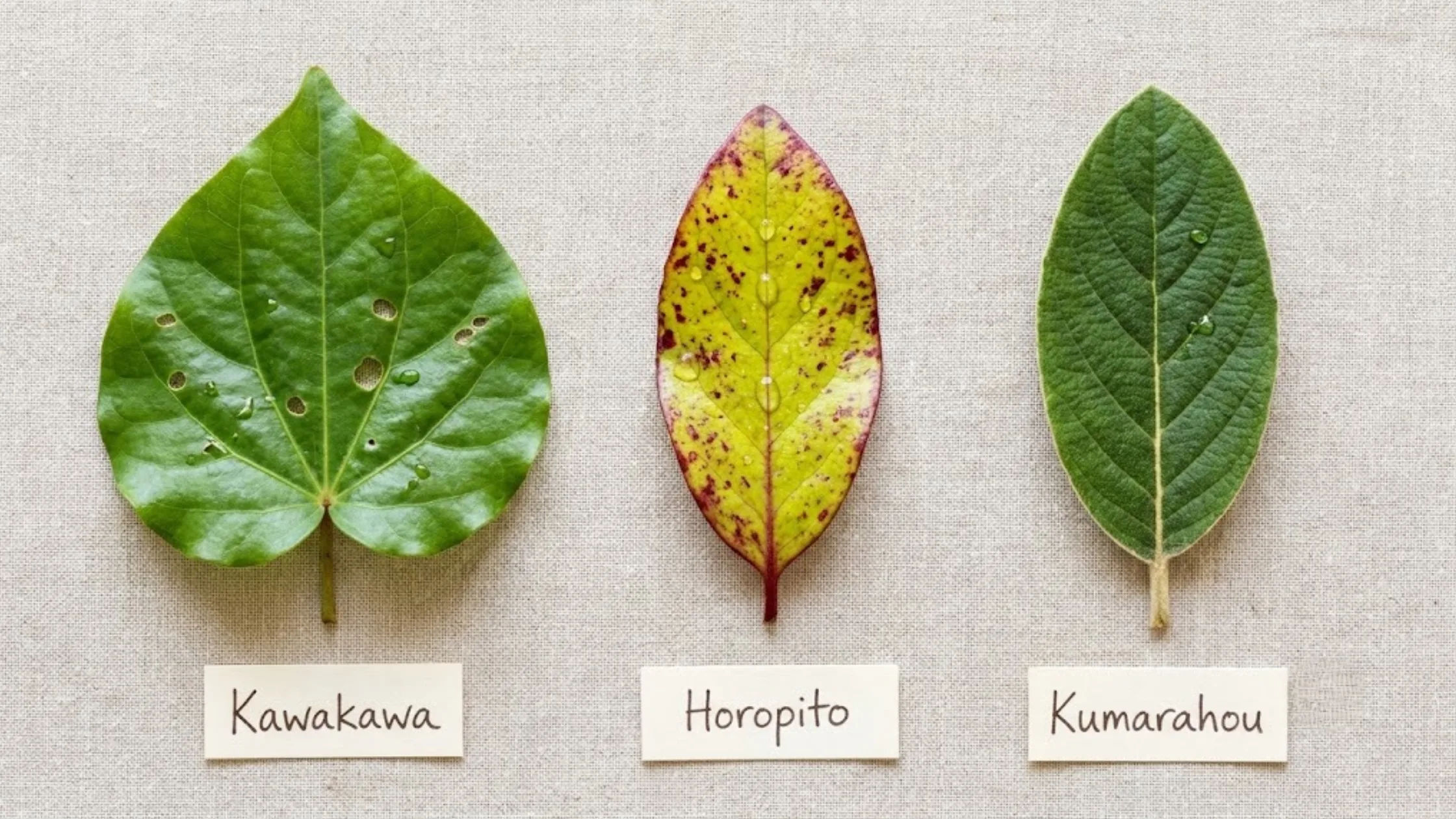
Kawakawa: The Heart-Shaped Leaf With a Big Reputation
Kawakawa is probably the most recognisable of New Zealand’s native healing plants, thanks to its distinctive heart-shaped leaves (often with tiny holes chewed by the kawakawa looper moth — a natural sign of quality, believe it or not). For generations, kawakawa leaves were steeped to make a soothing tea, valued for supporting digestion and offering a general sense of calm.
You’ll find kawakawa described as one of the most versatile rongoā plants, used both internally as a tea and externally in balms. Its slightly peppery, earthy flavour has made it a natural fit for modern drinks too — pair it with something bright like lemon and lime, and you get a refreshing, easy-drinking beverage with genuine heritage behind it. If you’re curious to try it, Atutahi’s Kawakawa Lemon Lime is a great everyday introduction.
Horopito: Aotearoa’s Native “Pepper Tree”
Horopito is sometimes called the New Zealand pepper tree, and one taste of the leaf tells you exactly why — it has a warm, peppery bite that lingers. Traditionally, horopito was used by Māori for its cleansing properties and was often applied to the skin as well as taken internally.
What makes horopito stand out today is how well it blends with fruit. Its natural spice pairs beautifully with rich berries, creating a drink that feels bold and grown-up rather than sickly sweet. This is exactly the kind of pairing you’ll find in Atutahi’s Horopito Blackcurrant & Boysenberry, which brings the plant’s traditional character into a drink that’s genuinely enjoyable, not just “good for you.”
Kumarahou: The Gentle Native Sometimes Called “Gumdigger’s Soap”
Kumarahou has an unusual nickname — gumdigger’s soap — earned because early settlers noticed its leaves would lather slightly when rubbed with water. But its real value in rongoā Māori goes much deeper than that. Kumarahou was traditionally valued for supporting respiratory wellbeing and was often prepared as a soothing tea, particularly during colder months.
Compared to kawakawa and horopito, kumarahou has a milder, gentler flavour profile, which makes it an approachable option if you’re new to native New Zealand botanicals. It’s a lovely reminder that not every traditional drink needs to be intense to be effective — sometimes gentle and consistent is exactly what your body needs. You can explore this in Atutahi’s Kumarahou Lemon Lime.
Why These Drinks Are Making a Comeback Right Now
There’s a genuine reason behind this resurgence, and it’s bigger than a passing wellness fad.
Firstly, people are increasingly tired of ultra-processed drinks packed with artificial sweeteners and vague “natural flavours.” There’s a growing desire for transparency — knowing exactly what’s in your glass and where it came from. Traditional New Zealand drinks answer that call directly, because their story is thousands of years deep and completely traceable to real native plants.
Secondly, there’s a cultural shift happening across Aotearoa and beyond. More New Zealanders are actively seeking out and celebrating te ao Māori (the Māori worldview) in everyday life, not just on Waitangi Day or in the classroom. Choosing a kawakawa or horopito drink becomes a small, everyday way of connecting with and supporting Māori heritage and knowledge systems.
Thirdly, the functional drinks movement has given these traditional plants a modern platform. Consumers today actively look for drinks that do something — support digestion, offer a gentle lift, or simply feel like a better choice than soft drink — rather than drinks that just taste sweet. Native New Zealand botanicals fit that brief perfectly, because rongoā Māori was essentially “functional wellness” long before the term existed.
Key Benefits of Choosing Traditional New Zealand Drinks
Choosing a native, rongoā-inspired drink over a standard soft drink brings a combination of cultural and everyday value that’s hard to find anywhere else.
| Benefit | What It Means for You |
| Cultural connection | Every sip carries generations of Māori knowledge and respect for the land |
| Lower sugar options | Many modern versions are crafted to be far lighter than typical soft drinks |
| Real, traceable ingredients | You know the plant, its history and its traditional purpose |
| Everyday functionality | Designed to fit naturally into your daily routine, not just special occasions |
| Supporting local | Choosing these drinks supports Aotearoa-based, Māori-founded businesses |
This is where brands like Atutahi — Made with Love by KiwiKai come in. Atutahi has taken these treasured native plants and reimagined them as sparkling, refreshing drinks that fit into modern life without losing sight of where they came from. It’s rongoā values, bottled with care.
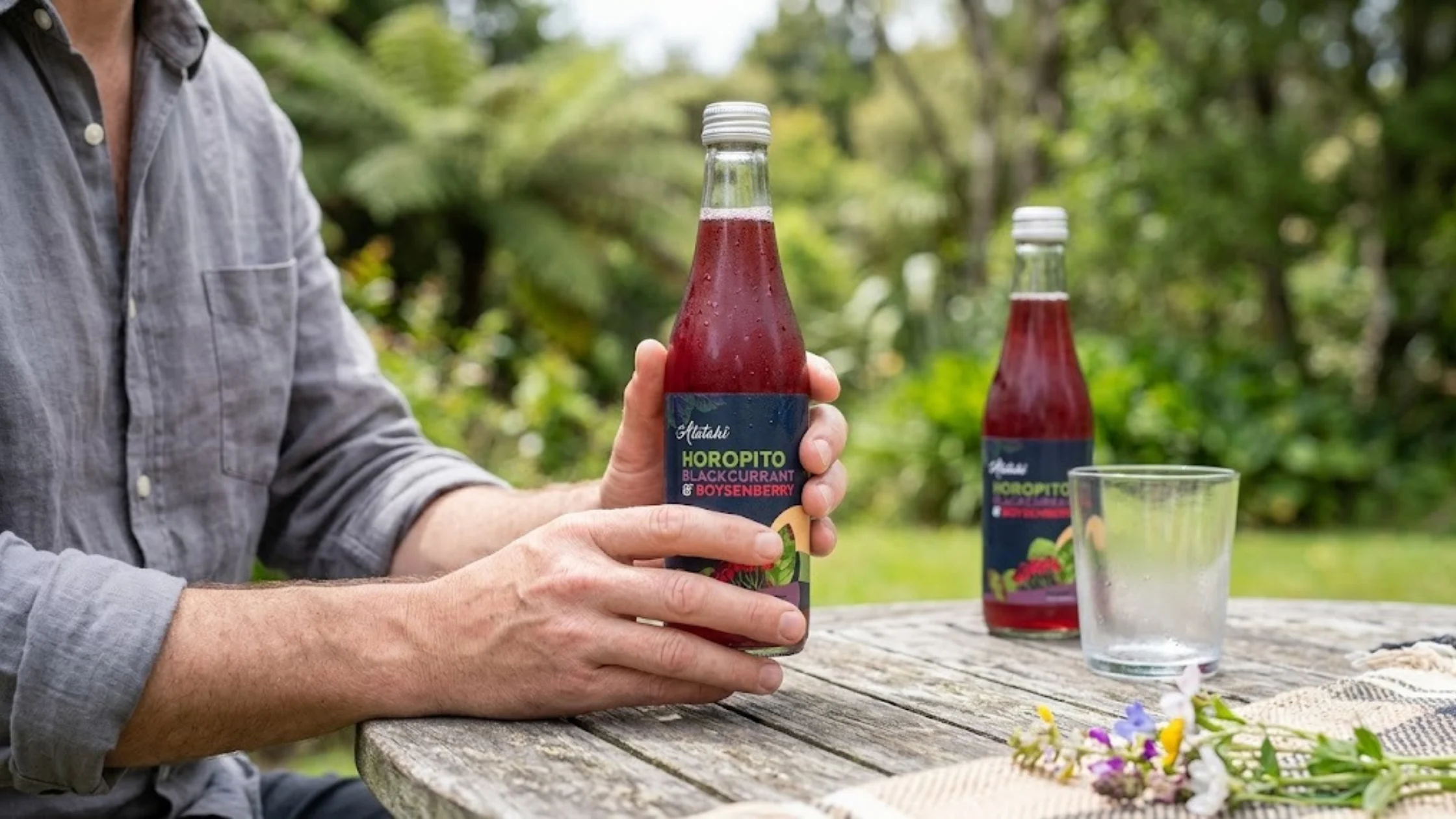
How to Bring Traditional Drinks Into Your Daily Routine
You don’t need to overhaul your entire pantry to enjoy the benefits of New Zealand’s traditional drinks. Start simply — swap your usual afternoon soft drink for a kawakawa lemon lime, or keep a bottle of horopito blackcurrant and boysenberry in the fridge for when you want something a little more interesting than plain water.
Many people find that once they try one flavour, they naturally want to explore the full range, since each plant offers its own distinct character and story. You can browse the complete range on Atutahi’s drinks collection and see which one speaks to you first.
Taste the Heritage for Yourself
Reading about kawakawa, horopito and kumarahou is one thing — actually tasting the difference is another entirely. If this has sparked your curiosity about rongoā Māori and New Zealand’s native beverage traditions, the next step is simple.
Head over to Atutahi’s official site to explore the full drinks range, learn more about the story behind the brand, or find out what Atutahi values as a company. Curious about the wellness side of things? Visit the Your Health page for more detail. And if you’d rather see the drinks in person first, check where to find Atutahi near you or simply get in touch with the team with any questions.
A Return to What Aotearoa Already Knew
New Zealand’s traditional drinks aren’t a passing trend — they’re a return to knowledge that was always here, waiting to be honoured properly. Kawakawa, horopito and kumarahou each carry their own story, their own purpose, and their own place in rongoā Māori. As more people search for drinks that are honest, meaningful and genuinely good for them, it makes sense that these native treasures are finally getting the spotlight they deserve.
Whether you’re new to rongoā Māori or you grew up with these plants in your own whānau, there’s something quietly powerful about choosing a drink that connects you to the land beneath your feet.
Frequently Asked Questions
They’re typically made from native plants used in rongoā Māori, such as kawakawa, horopito and kumarahou, often combined with fruit for a refreshing modern taste while honouring traditional roots.
Rongoā Māori is the traditional Māori system of healing, using native plants, spiritual practices and holistic wellbeing principles passed down through generations of tohunga and whānau.
Kawakawa has a mild, earthy and slightly peppery flavour. In drinks, it’s often paired with lemon and lime to create a light, refreshing taste that’s easy to enjoy daily.
No, horopito is a native New Zealand plant sometimes called the “pepper tree” because of its warm, spicy bite, but it’s botanically unrelated to true pepper and has its own unique rongoā history.
Early settlers noticed kumarahou leaves lathered slightly when rubbed with water, earning the nickname, though traditionally it was valued far more for respiratory wellbeing than cleaning.
Modern versions, like Atutahi’s range, are crafted with lower sugar and real native ingredients, making them a lighter alternative to typical soft drinks while celebrating Māori heritage.
People increasingly want transparency, cultural connection and genuine function from their drinks, and native New Zealand plants offer all three with centuries of proven tradition behind them.
You can explore Atutahi’s full range online or find a nearby stockist through their website, making it easy to try kawakawa, horopito and kumarahou drinks.
Yes, many people enjoy them as an everyday alternative to soft drinks, swapping in a native botanical drink for a refreshing, lower-sugar choice with a genuine story behind it.
Atutahi is made with love by KiwiKai and focuses on honouring rongoā Māori traditions, turning native plants like kawakawa and horopito into modern, everyday sparkling drinks.