
More Than Just Plants
Walk into the green landscapes of Aotearoa, and you’ll see beyond just pretty views. Here grows a living library of Māori botanicals —native plants rich in history, spirituality, and healing power. To Māori communities, plants like kawakawa, kānuka, horopito, and kūmarahou mean much more than greenery; they carry stories, traditions, and wellbeing benefits passed down through generations.
But why do people value these plants so much? They look stunning and their leaves smell great, but native plants have also played a key role in rituals, medicine, and everyday life for ages. They mean a lot in Māori culture representing ideas like whakapapa (genealogy), mana (authority and power), and kaitiakitanga (guardianship of the land).
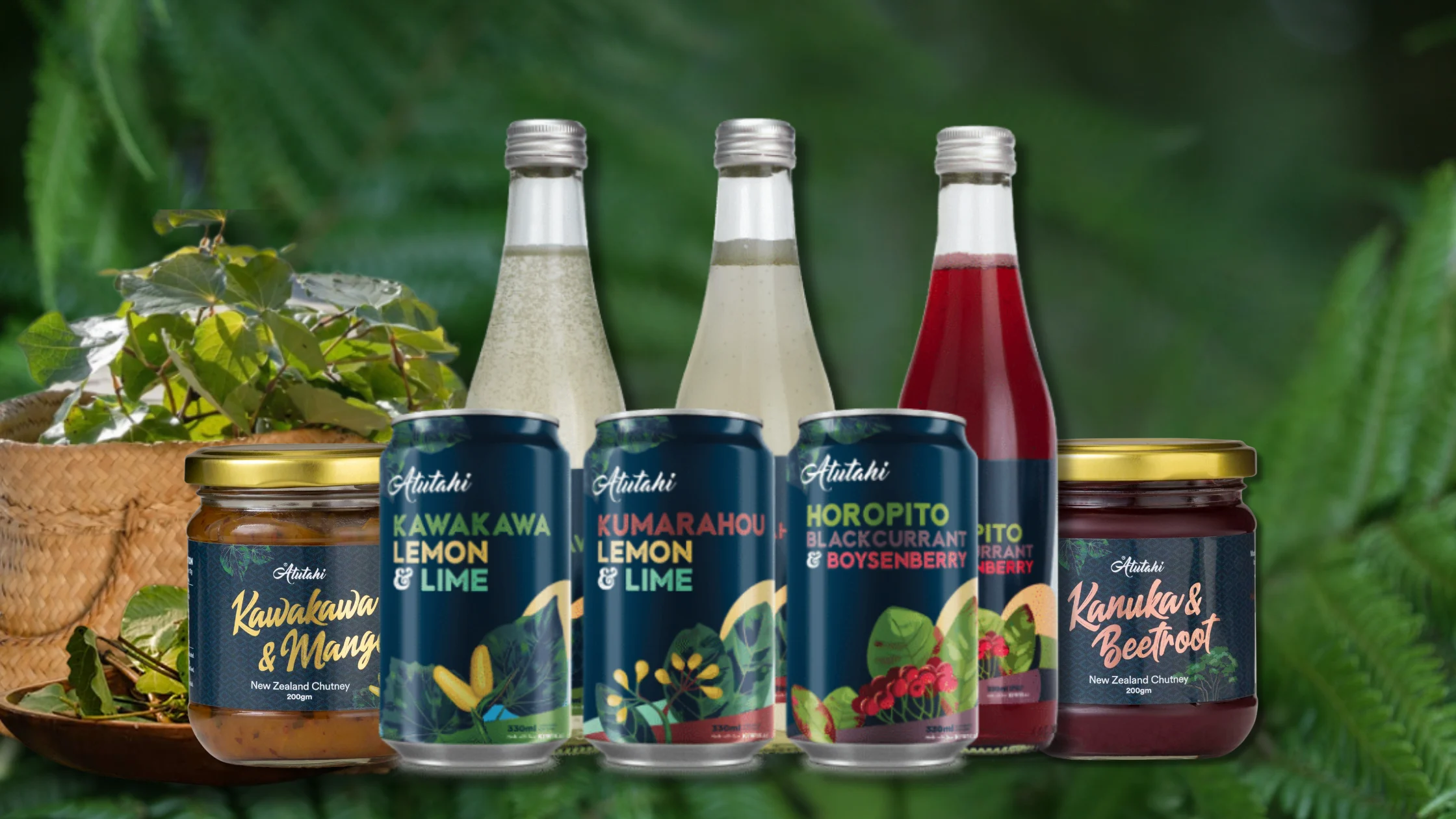
At Atutahi, we respect this rich history by using these plants in our modern drinks and foods. You can try our kawakawa lemon-lime drinks or kanuka beetroot chutney to taste a tradition that’s both yummy and important.
Meet the Native Heroes
Kawakawa – The Heart of Healing
People often call Kawakawa the “heart plant” because of its spiritual and medicinal importance. Māori tradition uses kawakawa leaves to make soothing teas, poultices, and ceremonial offerings. Its warm peppery taste isn’t just refreshing—it stands for care, protection, and community well-being.
Atutahi Kawakawa Lemon-Lime helps you connect with this tradition in a modern easy-to-use form great for get-togethers that value health and togetherness. You can even enjoy a sugar-free version without giving up on taste.
Kanuka – Purity and Protection
Kanuka, a close relative of the well-known manuka, is valued for its cleansing properties. People have long used its leaves and flowers to heal small injuries and purify areas. As a symbol, kanuka stands for protection and renewal reminding us of nature’s cycles and how we should look after our environment.
You can try kanuka in Atutahi’s kanuka beetroot chutney, a fresh take that brings the symbolic essence of this respected plant to your meals.
Horopito – Resilience in Every Leaf
Horopito, with its spicy leaves, is known for its toughness and ability to bounce back. People have long used it to boost health and help digestion. This plant stands for staying power and life force. Atutahi’s Horopito Blackcurrant Boysenberry drink mixes this plant with fruit flavors we all know. This makes it simple to bring Māori wisdom into our daily lives.
Kumarahou – A Ritual of Renewal
Kumarahou leaves and flowers have played a role in cleansing rituals and medicines throughout history to boost lung health. Its essence embodies new beginnings, vitality, and restoration. To experience a modern twist, check out Atutahi Kumarahou Lemon-Lime drinks or the sugar-free option, which bring old customs straight to your glass.
Bringing Tradition to Modern Life
These plants mean more than just cultural icons—they’re living health partners. Using them in everyday life helps connect with Māori roots natural remedies, and thoughtful eating. Picture offering a cool kawakawa drink at your next party, along with horopito-flavored chutney on fresh bread. This isn’t just food and drink—it’s sharing stories with every taste.
Atutahi simplifies this process. Our selection of drinks and chutneys allows you to reap these plants’ rewards without having to search for or cook them on your own. Options without sugar such as Atutahi Mixed Sugar-Free 330ml Bottles, let you savor the taste while keeping your health a priority.
Experience the Spirit of Native Botanicals
Linking up with native botanicals is now a breeze. You can use Atutahi’s lineup to boost your health, give a meaningful present, or spruce up a special event. Their products mix age-old Māori wisdom with today’s flavors. Check out their full selection of drinks and gift sets now and bring a piece of Aotearoa’s plant life into your space.
Every taste can take you back to the land, its inhabitants, and the insights they’ve passed down over time. Picking Atutahi means more than just enjoying natural tastes—it shows respect for a culture, backs up tradition, and promotes good health.
Frequently Asked Questions
Kawakawa has an influence on digestive health, skin repair, and overall well-being. People brew its leaves into tea or use them as poultices to treat ailments.
Kanuka and manuka are related plants, but kanuka has a lighter color and a milder smell. People use kanuka to purify, cleanse, and heal. Manuka, on the other hand, is well-known for its honey and its ability to fight bacteria.
Yes. Atutahi adds horopito and kumarahou to drinks and chutneys. This allows people to enjoy their traditional benefits in modern foods without expert preparation.
Atutahi offers many drinks in sugar-free versions. For example, their kawakawa lemon-lime sugar-free drink provides the same rich flavor with less sugar.
Plants native to New Zealand like kawakawa, kanuka, horopito, and kumarahou hold deep meaning in Māori culture. They tie people to their land, their ancestors, and their traditions of health and looking after each other. These plants play key roles in spiritual practices traditional medicine, and cultural customs.