
The Mystery Behind the Label
Have you ever picked up a bottle of your favourite sparkling drink, turned it around to read the label, and felt a bit lost? You see the words Natural Flavour and think, “Great! It comes from nature.” But then you wonder—if it’s so natural, why doesn’t it just say lemon juice or honey?
Understanding what are natural flavours is like being a detective. Most of us want to put good things into our bodies. We want drinks that make us feel refreshed and healthy, not like we are drinking a science experiment. At Atutahi, we believe you deserve to know exactly what you are sipping on. This guide is here to pull back the curtain on food labels so you can choose clean label drinks with total confidence.
Key Takeaways
- Natural flavours come from plants or animals but are often processed in labs.
- Artificial flavours are made entirely from chemicals.
- Clean label drinks have simple, easy-to-read ingredient lists.
- Transparency helps you trust that a brand cares about your health.
- Choosing whole ingredients is the best way to avoid hidden additives.
What Are Natural Flavours, Anyway?
In the world of food, the term “natural” can be a bit of a sneaky word. According to food standards, a natural flavour is something that starts its life as a plant or an animal. It could come from a fruit, a root, a leaf, or even bark. This sounds wonderful, right? It’s certainly better than “artificial flavours,” which are made entirely in a lab from chemicals.
However, there is a catch. Even though the flavour starts in nature, it often goes through a big process in a factory. Scientists use heat and different tools to extract the “essence” of that flavour. By the time it gets into a bottle, it might be mixed with other things like preservatives or solvents to make it stay fresh or mix better with water. This is why “natural flavour” doesn’t always mean the drink is as simple as nature intended.
Why Transparency Matters
When a company is transparent, it means they have nothing to hide. They want you to see every single ingredient. This builds food label transparency, which is a fancy way of saying honesty. When you know exactly what is in your drink, you can trust that it is good for your health.
At Atutahi, we value the connection between the land and the bottle. We think that if you are drinking something inspired by the beautiful plants of Aotearoa, like Kawakawa or Kumarahou, you should be able to taste the real thing. You can learn more about our mission on our About Us page.
Natural vs. Artificial: What’s the Difference?
It is easy to get confused between natural vs artificial flavours. Think of it like this:
- Artificial flavours are like a drawing of a strawberry. It looks like a strawberry, but it was made with pens and paper.
- Natural flavours are like a photograph of a strawberry. It’s based on the real thing, but it’s still just a picture, not the actual fruit you can bite into.
The best choice for a truly clean label drink is to look for ingredients that are whole. This means using the actual leaf, the actual fruit juice, and the actual honey. This is why we focus so much on what we value: keeping things as close to the earth as possible.
How to Spot a Truly Clean Drink
If you want to be an expert at reading labels, look for short lists. If a label has twenty words you can’t say out loud, it might not be the best choice. A clean label usually has ingredients you recognise from your own kitchen or garden.
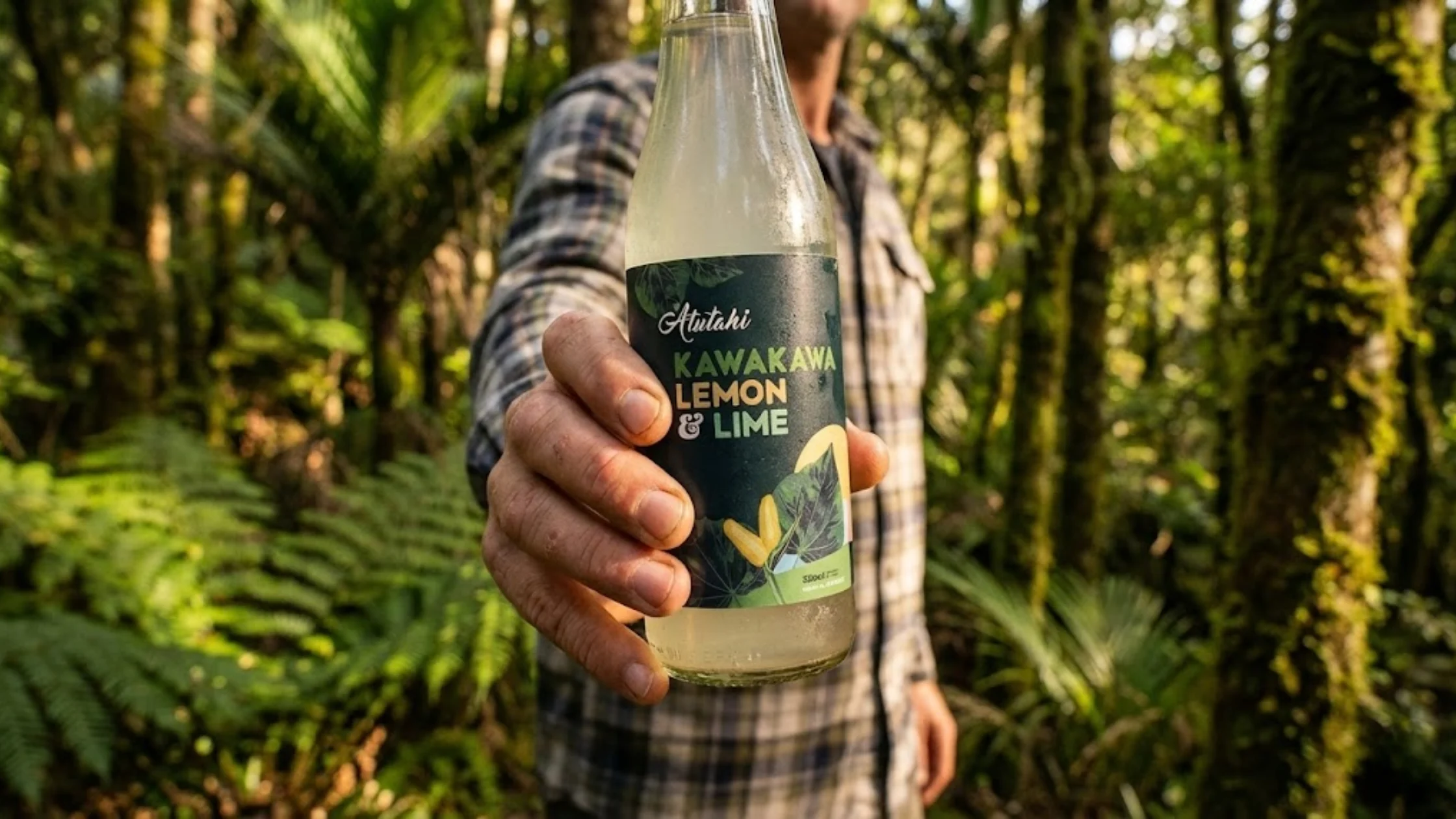
When you choose drinks that use real herbs and fruits, you aren’t just getting a nice taste. You are getting the goodness that those plants provide. For example, our Kawakawa, Lemon and Lime drink uses the power of native New Zealand plants to create a taste that is both refreshing and honest.
Join the Journey to Better Health
You have the power to choose what goes into your body. By asking what are natural flavours and looking for better options, you are taking a big step toward a healthier lifestyle. We invite you to explore our range of native leaf brewed drinks that celebrate the real flavours of New Zealand without the confusing labels.
Whether you are looking for a Mixed 15-Pack to share with friends or want to find stockists near you, we are here to make your choice easy.
Want to stay updated on how to live a cleaner, more transparent life? Contact us today or subscribe to our newsletter for more tips on health and nature!
Frequently Asked Questions
A natural flavour is a substance taken from a plant or animal source, such as a fruit, vegetable, herb, or spice. While it starts in nature, it is often processed in a laboratory to create a concentrated “essence” used to enhance the taste of food and drinks. Unlike artificial flavours, they must originate from organic matter rather than synthetic chemicals.
Generally, natural flavours are preferred because they come from real food sources. However, because they are highly processed, they may still contain additives like preservatives. Choosing “clean label” products that use whole ingredients instead of just “flavours” is often the healthiest choice for those wanting to avoid hidden chemicals.
It is often cheaper and easier for companies to use a concentrated flavour than to use large amounts of fresh fruit. Flavours also stay “tasty” on a shelf for much longer. Transparent brands, like Atutahi, prefer using real plant extracts and juices to ensure the highest quality and better health benefits for the consumer.
Most natural flavours are plant-based, but they can legally come from meat, dairy, or eggs. If you are vegan, it is important to look for a “vegan-certified” label or check with the manufacturer. Clean label brands usually make it very clear if their ingredients are purely plant-based to help their customers.
Natural flavours themselves are usually used in very small amounts and do not add significant sugar or calories. However, the drinks or foods they are added to often contain sweeteners. It is always best to check the “Your Health” section of a brand’s website to see how they sweeten their products.
While some natural flavours can contain compounds that act similarly to MSG (monosodium glutamate) to boost savoury tastes, they are not the same thing. If you are sensitive to MSG, look for brands that focus on transparency and simple ingredient lists to ensure you know exactly what you are consuming.
No, they are different. “Natural” just means it came from a plant or animal. “Organic” means the ingredient was grown without certain pesticides or chemicals. You can have a natural flavour that is not organic. For the best quality, look for drinks that prioritise organic and native ingredients.
Look for a short list of ingredients. A transparent label will list things you recognise, like “brewed kawakawa leaf” or “lemon juice.” If “natural flavour” is the only thing listed for taste, the brand might be hiding a more complex chemical process. True transparency means explaining where the taste comes from.
Real plants and fruits can change slightly depending on the season or the soil they grew in. This is a good sign! It means the company is using real ingredients rather than a lab-created chemical that tastes exactly the same every single time. It’s the difference between a garden tomato and a plastic one.
Clean label drinks are products made with simple, wholesome ingredients that are easy to understand. They avoid artificial colours, fake sweeteners, and confusing “flavour” terms. They focus on providing a refreshing experience using the best parts of nature, often focusing on health and environmental values.