
Why So Many Kiwis Are Reaching for a Different Kind of Drink
Here’s the honest truth: most of us are tired, wired, or both. You wake up needing coffee to function, then reach for wine or a soft drink in the evening to switch off, and somewhere in between your energy dips, your mind races, and neither drink actually helps. That’s the gap adaptogenic drinks are stepping into, and New Zealand’s own wellness brands are quietly leading the way.
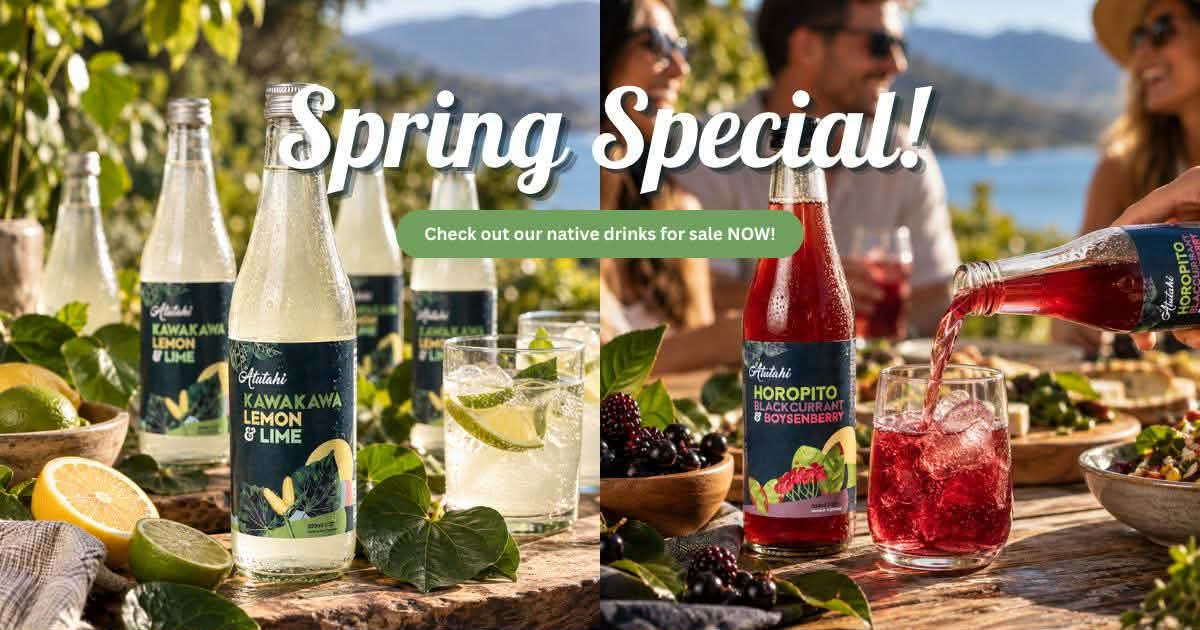
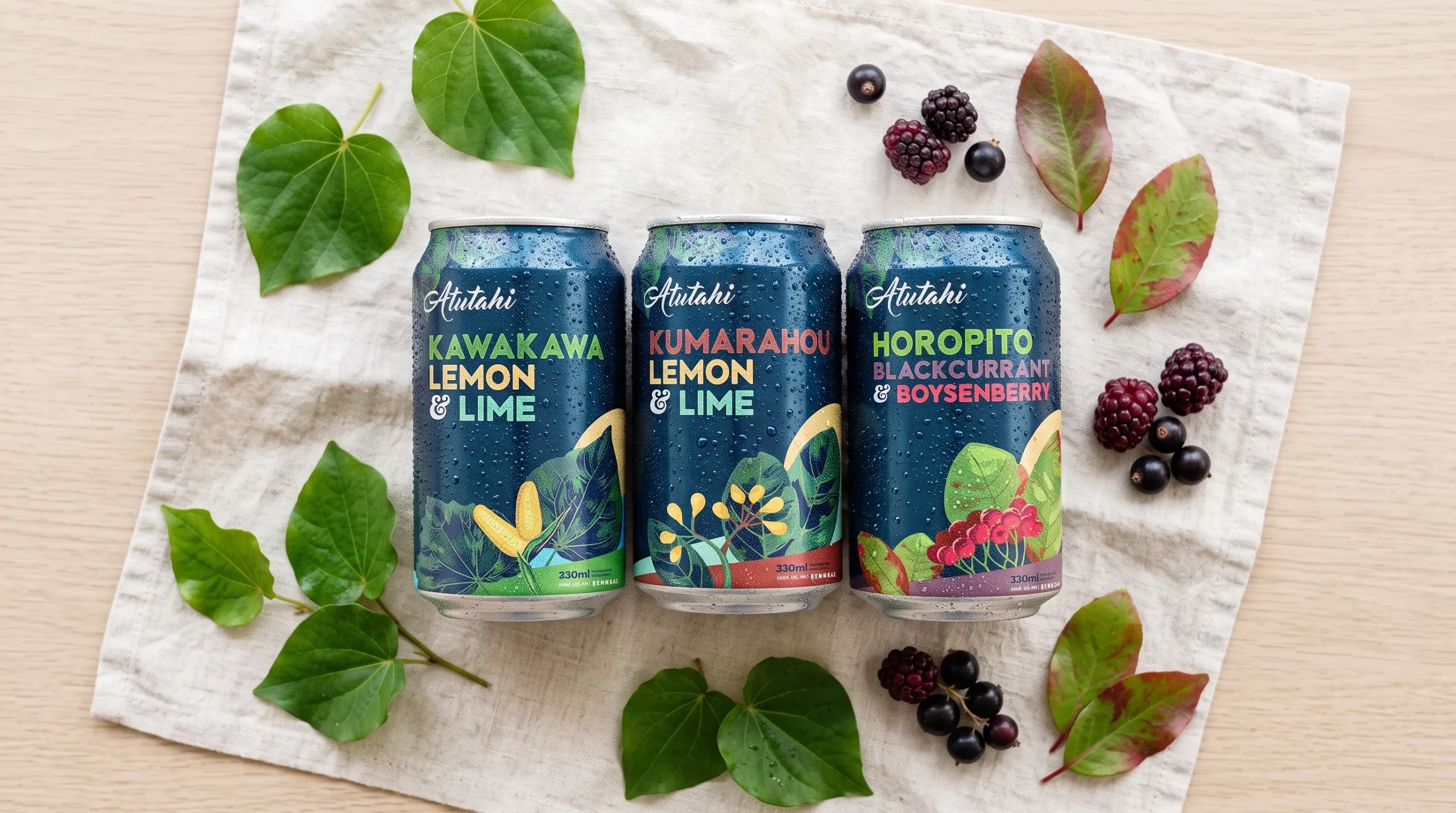
New Zealand is now home to a small but genuine group of brands making adaptogenic-style drinks for calm energy and stress support. This includes brands using classic adaptogens like maca, ginseng and L-theanine (such as Elta Ego), functional tonic brands like Terps & Co, and Māori-owned wellness brands like Atutahi, which draws on native NZ botanicals such as kawakawa, horopito and kūmarahou through the tradition of rongoā Māori. If you want a NZ-made drink that supports steadier energy without the caffeine crash or the alcohol comedown, this guide breaks down what’s actually in the bottle, which brands are worth knowing, and how to pick one that suits you.
Key Takeaways
- Adaptogenic drinks in NZ generally fall into two camps: imported adaptogens (maca, ginseng, L-theanine) and native NZ botanicals (kawakawa, horopito, kūmarahou).
- Local production usually means fresher ingredients, fewer preservatives and clearer sourcing.
- Atutahi represents the native botanical side of the category, rooted in rongoā Māori tradition.
- Elta Ego and similar brands represent the classic-adaptogen side, often in alcohol-free cocktail formats.
- Always check with a GP before combining these drinks with medication, pregnancy or existing health conditions.
What Are Adaptogenic Drinks, Exactly?
Adaptogenic drinks are beverages made with plants, roots, mushrooms or herbs that have traditionally been used to help the body cope with stress. The idea isn’t new — cultures around the world, including Māori communities here in Aotearoa, have used specific plants for generations to support calm, energy and balance long before “adaptogen” became a wellness buzzword.
What’s changed is how these ingredients now show up. Instead of steeping a tea or preparing a tonic yourself, you can grab a can or bottle that’s already been formulated, tested and made right here in New Zealand. That local part matters more than people realise. A drink made close to home usually means fresher ingredients, shorter supply chains, fewer preservatives, and a producer you can actually contact if you have a question about what’s inside.
Why “Made in New Zealand” Is Worth Paying Attention To
You don’t need to overthink this one. A can of something shipped from overseas has usually sat in a container for months before it reaches your fridge. A drink made in Nelson, Auckland or wherever the producer is based has a much shorter journey, which typically means the botanicals inside are fresher and the brand has more control over quality from harvest to bottle.
There’s also a trust factor. New Zealand-made wellness brands tend to publish exactly where their ingredients come from and how they’re grown or harvested. Atutahi, for example, is open about sourcing native plants like kawakawa and horopito by hand from specific regions of the South Island, and about what the brand values in how it’s produced. That kind of transparency is worth looking for in any adaptogenic drink, local or not.
The Ingredients New Zealand Brands Actually Use
This is where it gets interesting, because “adaptogenic” covers more ground than most people expect. Broadly, New Zealand brands are working with two different traditions.
Imported, Well-Studied Adaptogens
Some Kiwi brands use adaptogens that have been researched internationally for decades. Maca root, Panax ginseng and L-theanine are the most common examples, and you’ll find this exact trio in Auckland-made alcohol-free cocktails such as Elta Ego. Maca is generally associated with a grounding energy lift, ginseng with mood and stamina, and L-theanine (also found naturally in green tea) with calm, steady focus rather than drowsiness.
Native New Zealand Botanicals
The second tradition is uniquely local. Rongoā Māori, the traditional Māori healing system, has used native plants like kawakawa, horopito and kūmarahou for generations, not as a trend but because they’ve been observed to work within Māori communities over a very long time. Atutahi builds its entire range around these botanicals rather than imported ashwagandha or rhodiola, which makes it a genuinely different offering in the category. It’s worth being upfront here: these native botanicals aren’t identical to internationally classified “adaptogens,” but they sit in the same wellness tradition of supporting the body through natural, plant-based means, and you can read more about how NZ botanicals compare if you’re curious about the difference.
| Ingredient type | Common examples | Typically used for | Found in |
| Imported adaptogens | Maca, ginseng, L-theanine | Mood lift, calm focus, energy | Elta Ego (Auckland) |
| Native NZ botanicals | Kawakawa, horopito, kūmarahou | Digestion, antioxidant support, traditional wellness | Atutahi (Nelson) |
| Functional tonic blends | Ashwagandha, ginger, herbal extracts | Evening wind-down, anxiety support | Terps & Co and similar brands |
Meet the New Zealand Brands Leading the Category
Atutahi — Māori-Owned, Native Botanical Wellness
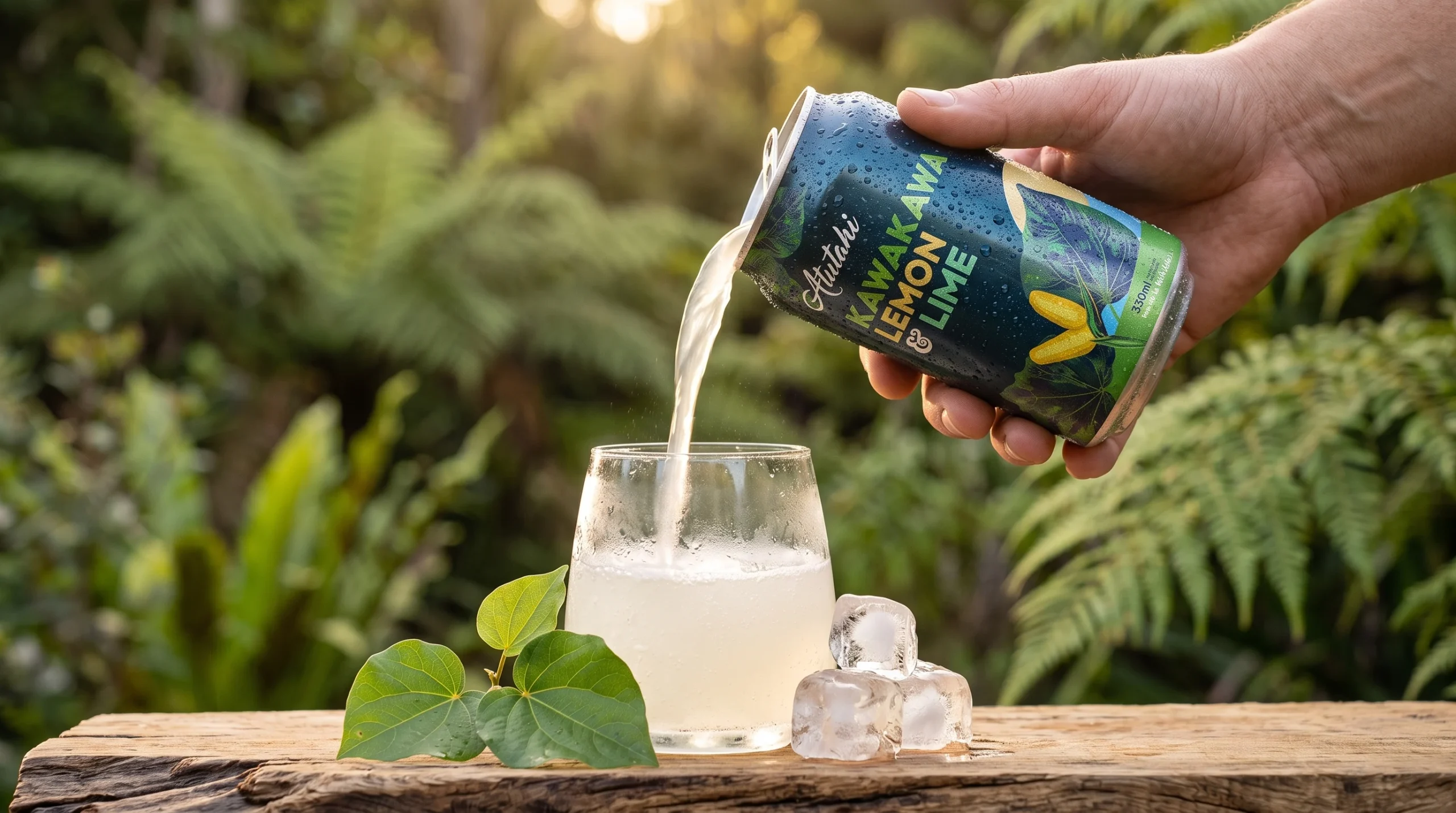
Atutahi is based in Nelson and takes a distinctly local approach. Rather than importing adaptogens, the brand works with native plants that have deep roots in Māori wellness tradition, paired with low-sugar recipes and real fruit. Kawakawa is used for its traditional link to digestion, horopito (sometimes called the “New Zealand pepper tree”) for its antioxidant and antibacterial reputation, and kūmarahou for respiratory support. If you want a drink that connects flavour, culture and everyday wellness in one can, it’s worth browsing Atutahi’s full drinks range or learning more about the people behind the brand.
Elta Ego — Adaptogen-Infused, Alcohol-Free Cocktails
Made in Auckland, Elta Ego takes a different angle: alcohol-free cocktails built around maca, ginseng and L-theanine. It’s a strong option if you’re cutting back on alcohol but still want a drink that feels like an occasion, with a gentle mood and energy lift built in rather than left out.
Terps & Co and Other Functional Tonic Brands
A newer wave of NZ tonic brands is blending herbal extracts like ashwagandha and ginger into ready-to-drink formats aimed at evening wind-down and everyday stress. These sit closer to the “functional tonic” end of the category and are worth comparing on dose transparency, since not every brand discloses how much of each ingredient is actually in the bottle.
Key Benefits of Choosing a New Zealand-Made Adaptogenic Drink
- Freshness: shorter supply chains mean fewer preservatives are needed to keep the drink stable.
- Lower sugar: most local brands lean into naturally low-sugar recipes rather than syrup-heavy formulas.
- Traceable sourcing: NZ producers are generally open about where and how ingredients are harvested.
- Cultural depth: brands like Atutahi connect you to a wellness tradition that’s genuinely local, not borrowed.
- Everyday support: a steadier alternative to caffeine spikes or an evening drink, without the crash or the comedown.
How to Choose the Right One for You
Start with what you’re actually trying to solve. If it’s afternoon fatigue, look for drinks built around maca or ginseng. If it’s evening overthinking or a busy mind that won’t switch off, native botanicals or L-theanine-led blends tend to suit better. If you simply want a healthier soft drink swap that still feels like a treat, low-sugar native fruit and botanical blends like Atutahi’s range are an easy everyday fit.
One honest note: adaptogens and traditional botanicals aren’t a cure and they won’t replace sleep, food or rest. If you’re pregnant, breastfeeding, on medication, or managing a health condition, it’s worth checking with your GP before adding a new botanical drink to your routine, the same way you would with any supplement. You can also read more about supporting your everyday health on Atutahi’s site for context on how the brand approaches wellness overall.
Ready to Try New Zealand’s Own Take on Adaptogenic Wellness?
If the idea of a locally made, low-sugar drink rooted in genuine Māori wellness tradition sounds like something your fridge is missing, Atutahi is an easy place to start. Browse the full range of drinks, find out where to buy Atutahi near you, or get in touch if you’ve got questions about ingredients, sourcing or which flavour suits you best. You can also head to the Māori wellness blog for more on the traditions behind every can.
The Bottom Line on NZ-Made Adaptogenic Drinks
New Zealand’s adaptogenic drinks category is still young, but it’s genuine. You’ve now got real options, from cocktail-style adaptogen blends to native botanical wellness drinks, all made closer to home than most imported alternatives. Whichever direction suits your day, the best next step is simple: try one, read the label, and see how your body responds. If you’d like to start with a brand built on New Zealand’s own wellness heritage, Atutahi’s range is a good place to begin.
Frequently Asked Questions
Adaptogenic drinks contain plants, roots or herbs traditionally used to help the body cope with stress. People choose them for calmer energy, steadier focus and support through busy or stressful periods, without the crash of caffeine or the comedown of alcohol. Results vary from person to person, so it’s worth trying a few to see what suits you.
Notable NZ-made options include Atutahi, a Nelson-based Māori wellness brand using native botanicals like kawakawa and horopito, Elta Ego, an Auckland brand making alcohol-free cocktails with maca, ginseng and L-theanine, and newer functional tonic brands such as Terps & Co.
Most NZ brands sell directly through their own websites with nationwide shipping. Atutahi, for example, ships North Island orders Monday to Wednesday and South Island orders Monday to Thursday, straight from its online store.
Auckland-made brands like Elta Ego are widely stocked in supermarkets, bottle shops and specialty alcohol-free retailers around the city. Nelson-based Atutahi also ships to Auckland and lists its current stockists on its website for anyone who prefers to shop in person.
Atutahi (Nelson), Elta Ego (Auckland) and Terps & Co are among the clearest examples currently making adaptogenic or adaptogen-style drinks in New Zealand, each with a different focus, from native botanicals to classic adaptogens to evening tonics.
Yes. Several NZ brands formulate specifically around stress and calm, using ingredients like L-theanine, native kawakawa or ginseng. Atutahi’s low-sugar native drinks and Elta Ego’s adaptogen-infused cocktails both fall into this space, with different flavour and format approaches.
Independent NZ wellness and drinks blogs, along with retailer product pages, are good starting points for genuine reviews. Look for reviews that mention actual ingredient doses rather than vague “wellness blend” language, as that’s usually a sign of a more transparent brand.
It depends on what you want. For an alcohol-free cocktail experience, Elta Ego’s maca, ginseng and L-theanine blend stands out. For an everyday low-sugar drink rooted in local tradition, Atutahi’s native botanical range is a strong, genuinely different option.