

The Honest Answer Nobody Prints on the Label
You’ve probably picked up a herbal drink, read “wellness” on the front, and wondered if it actually does anything. That’s a fair question. The drinks aisle is full of big promises, and very few of them come with proof you can check.
Here’s the real problem. Some herbal drinks benefits are backed by lab research and early human studies. Others come from hundreds of years of traditional use. And some are just clever marketing. Most labels mix all three together, so you can’t tell which is which.
This guide pulls them apart for you. You’ll see what scientists have actually found in two native New Zealand plants, kawakawa and horopito, what they haven’t found yet, and how to judge any herbal drink before you spend your money.
Some herbal drinks have real science behind their ingredients, but not every claim is proven. Horopito contains polygodial, a compound that stopped the growth of Candida yeast in University of Canterbury lab tests back in 1982. Kawakawa tea has been tested in small human studies in Auckland, with early results on insulin response after a meal. Neither plant has been shown to treat or cure any illness. Many wellness claims come from rongoā Māori (traditional Māori healing), which is valuable knowledge, but it isn’t the same as a clinical trial. The most dependable benefit? A good herbal drink is a tasty, low-sugar swap for a soft drink.
Key Takeaways
- Evidence varies by plant. Some claims are lab-tested; many are traditional.
- Horopito’s polygodial stopped Candida in 1982 lab tests.
- Kawakawa tea lowered insulin response in a 30-person Auckland study.
- No herbal drink is proven to cure or treat illness.
- “Proven to” on a label is a warning sign.
- Low sugar is the most dependable everyday benefit.
- Try the range with the Mixed 15 Pack.
What Herbal Drinks Are and What “Benefits” Really Means
A herbal drink is any drink made with plant parts such as leaves, roots, bark, flowers or berries. It might be a hot tea, a cold infusion or a sparkling drink in a can. What makes it “herbal” is that the plant brings its own flavour and its own natural compounds into the drink.
When people talk about herbal drinks benefits, they usually mean one of three things. There are nutrition benefits, such as less sugar or a little vitamin C from fruit. There are compound benefits, where a plant chemical has been studied by scientists. And there are traditional benefits, where a plant has been used for healing by the same people for generations.
All three matter. They’re just different kinds of evidence, and you deserve to know which one you’re getting. That’s the approach Atutahi takes as a Māori-owned business. You can read more about how the brand thinks about your health and what it values.
Is There Scientific Evidence Herbal Drinks Work?
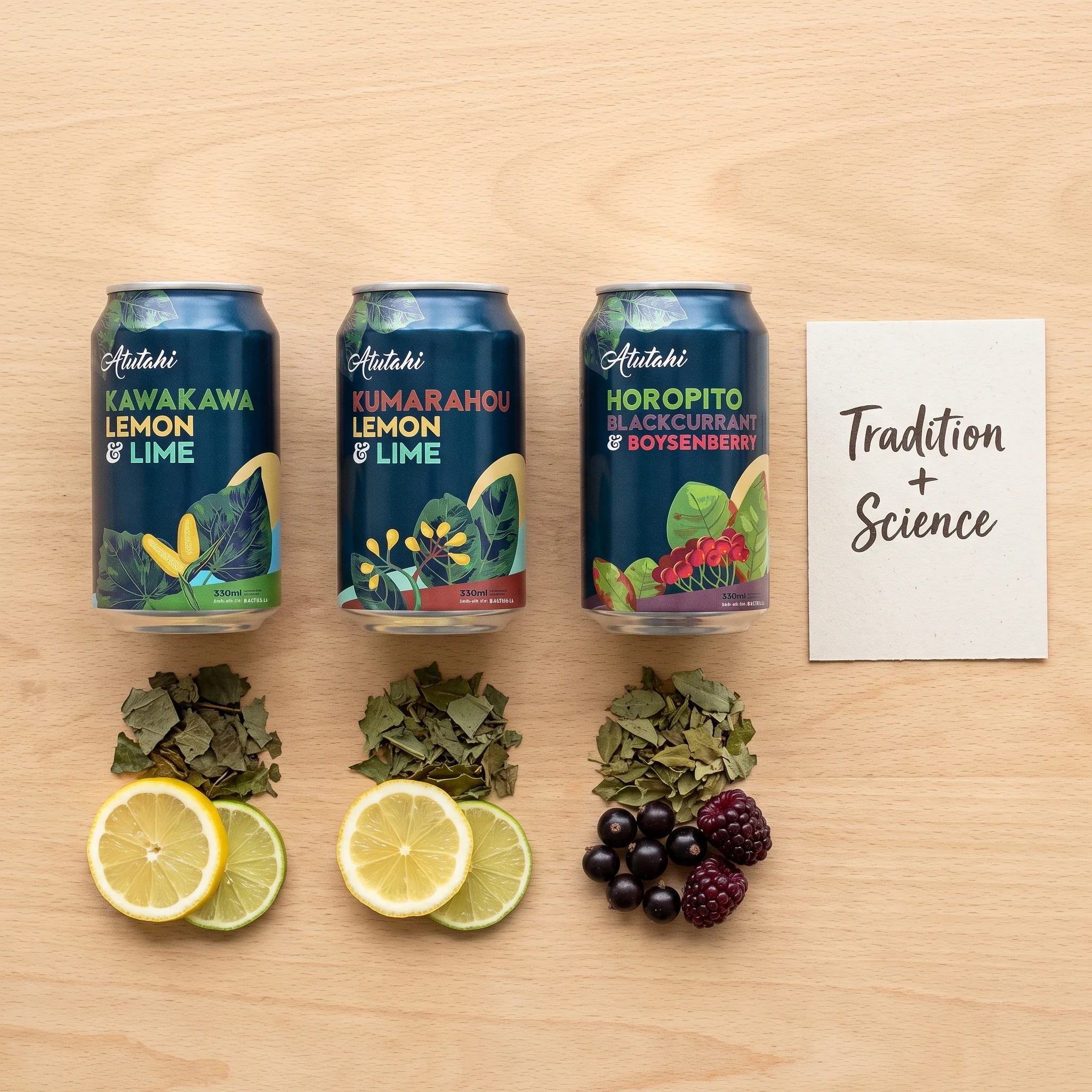
Evidence varies by compound. Some native New Zealand botanicals, like horopito, have documented antimicrobial compounds in peer-reviewed research. Broader “wellness” claims are mostly based on traditional use (rongoā Māori) rather than clinical trials. Atutahi is transparent about which claims are traditional and which are backed by evidence.
It helps to picture evidence as a ladder. On the bottom rung is traditional use, knowledge built over many generations. Next come lab studies, where scientists test a compound on cells or germs in a dish. Above that are animal studies, then small human studies, and right at the top are large clinical trials with hundreds of people.
Most herbal ingredients sit on the lower rungs. That doesn’t mean they don’t work. It means we don’t yet know how well they work in people, at the amount you’d get from a drink.
Why “Proven to” Is a Red Flag
If a herbal drink label says it’s “proven to” fix something, be careful. Very few plant drinks have the large human trials needed to back that up. In New Zealand, food and drink labels also can’t claim to prevent or cure disease. Honest brands use softer, clearer words like “traditionally used for” or “contains a compound studied for”. If you want to get better at spotting the difference, this guide on how to read wellness drink labels is a good place to start.
Kawakawa: The Most Studied Native Leaf in Your Glass
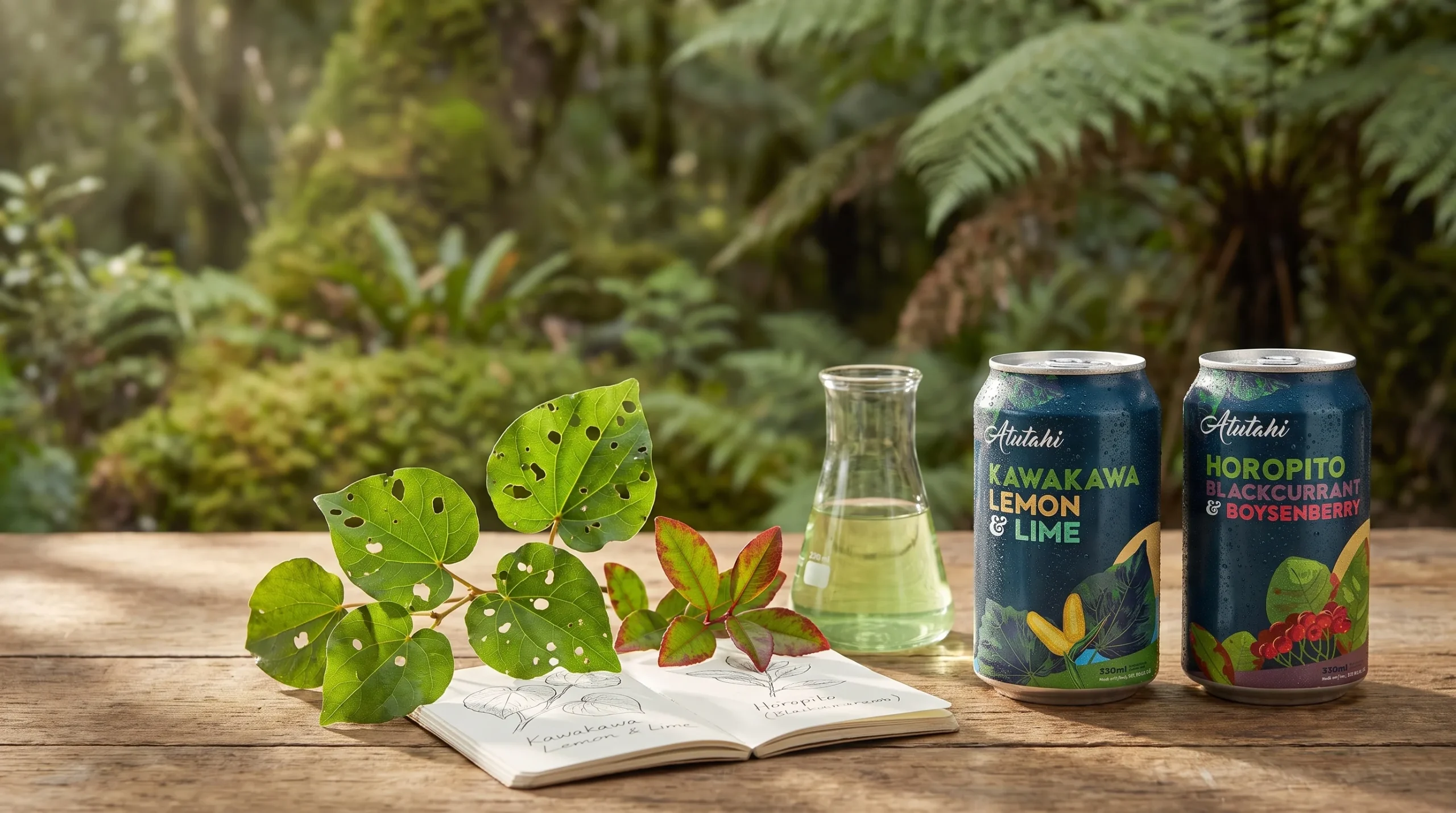
Kawakawa (Piper excelsum) has more human research behind it than almost any other native New Zealand plant used in drinks. You’ll know it by its heart-shaped leaves, often dotted with little holes from a native caterpillar. In rongoā Māori, kawakawa has long been used for tummy troubles, toothache, skin problems and more. It’s a taonga, a treasured plant, not just an ingredient.
What’s Actually Inside a Kawakawa Leaf
Scientists have now mapped kawakawa’s chemistry in detail. A 2022 study in the journal Nutrients by Jayaprakash and colleagues found 64 different compounds in leaves from eight sources, including lignans, flavonoids, amides and phenylpropanoids. The mix changed a lot depending on where the leaves came from. Importantly, the levels of active compounds you’d get from a traditional kawakawa tea were well below known safety limits.
An earlier 2019 study by Butts and colleagues (Journal of Ethnopharmacology) named the main compounds as diayangambin, elemicin and myristicin. That team also tested kawakawa tea in rats over 14 and 28 days to check its safety.
What Human Studies Have Found So Far
This is where kawakawa gets exciting. Researchers at the University of Auckland’s Liggins Institute ran two small studies (Ramzan and colleagues, Nutrients, 2022). In a pilot with six men, a strong kawakawa tea lowered blood sugar and insulin an hour after a sugary breakfast. In a follow-up with 30 adults (15 men and 15 women), the tea lowered the insulin response to the same kind of meal, but the blood sugar effect didn’t show up again.
The researchers were honest about it. They called the results early and said longer studies are needed.
What the Science Doesn’t Show Yet
There’s no clinical proof yet that kawakawa soothes digestion or calms inflammation in people. A 2026 review by Hu and colleagues (a preprint that hasn’t finished peer review) concluded that kawakawa is a promising source of useful compounds, but the evidence isn’t strong enough to call it a treatment. Most of the anti-inflammatory findings come from cells in a lab.
Also, those human studies used a strong brew of 4 grams of dried leaves in 250 ml of water. A flavoured drink won’t necessarily match that. So when you enjoy Kawakawa Lemon & Lime, you’re enjoying a plant with a rich tradition and a growing research story, not a medicine. For more on its traditional role, read about kawakawa and gut health.
Horopito: The Pepper Tree With a Lab Record
Horopito (Pseudowintera colorata) has the strongest lab evidence of any plant in this guide. Nibble a leaf and your tongue will tingle with heat. That peppery kick comes from polygodial, the very compound scientists got excited about.
The 1982 Study That Put Horopito on the Map
In 1982, a team at the University of Canterbury, led by researchers including R.F. McCallion and J.R.L. Walker, isolated polygodial from horopito leaves. Their paper in Planta Medica (volume 44, pages 134 to 138) showed that polygodial stopped the growth of Candida albicans, a yeast behind thrush, in lab tests.
Later work backed this up. A 1999 study by Lee and colleagues, also in Planta Medica, found polygodial worked against a range of yeasts and fungi in the lab. This is real, peer-reviewed science, and it matches how Māori traditionally used horopito on skin complaints.
Why the Red Leaves Matter
Here’s something most drinks blogs miss. Horopito leaves have red blotches and red edges. A 2012 study by Cooney and colleagues in New Phytologist found that leaves with red margins contain more polygodial. The red acts like a warning sign to insects and animals: “I’m hot, don’t eat me.”
That’s a lovely example of tradition and science meeting. Harvesters who know the plant well can read the leaf itself. You’ll find horopito growing wild in forests right across the country, including the bush around Nelson Tasman.
What This Means for a Drink
A result in a lab dish is not the same as a result in your body. The 1982 and 1999 studies used concentrated compounds, not a sparkling drink. No clinical trials have tested horopito drinks for gut health, circulation or immunity. Those uses come from rongoā Māori and should be read as traditional.
So what does Horopito, Blackcurrant & Boysenberry give you? A warming native botanical with a genuine scientific story, paired with blackcurrants, which are naturally rich in vitamin C. If you’d like to go deeper, read horopito’s traditional role as an anti-inflammatory.
Kūmarahou and Why Traditional Knowledge Still Matters
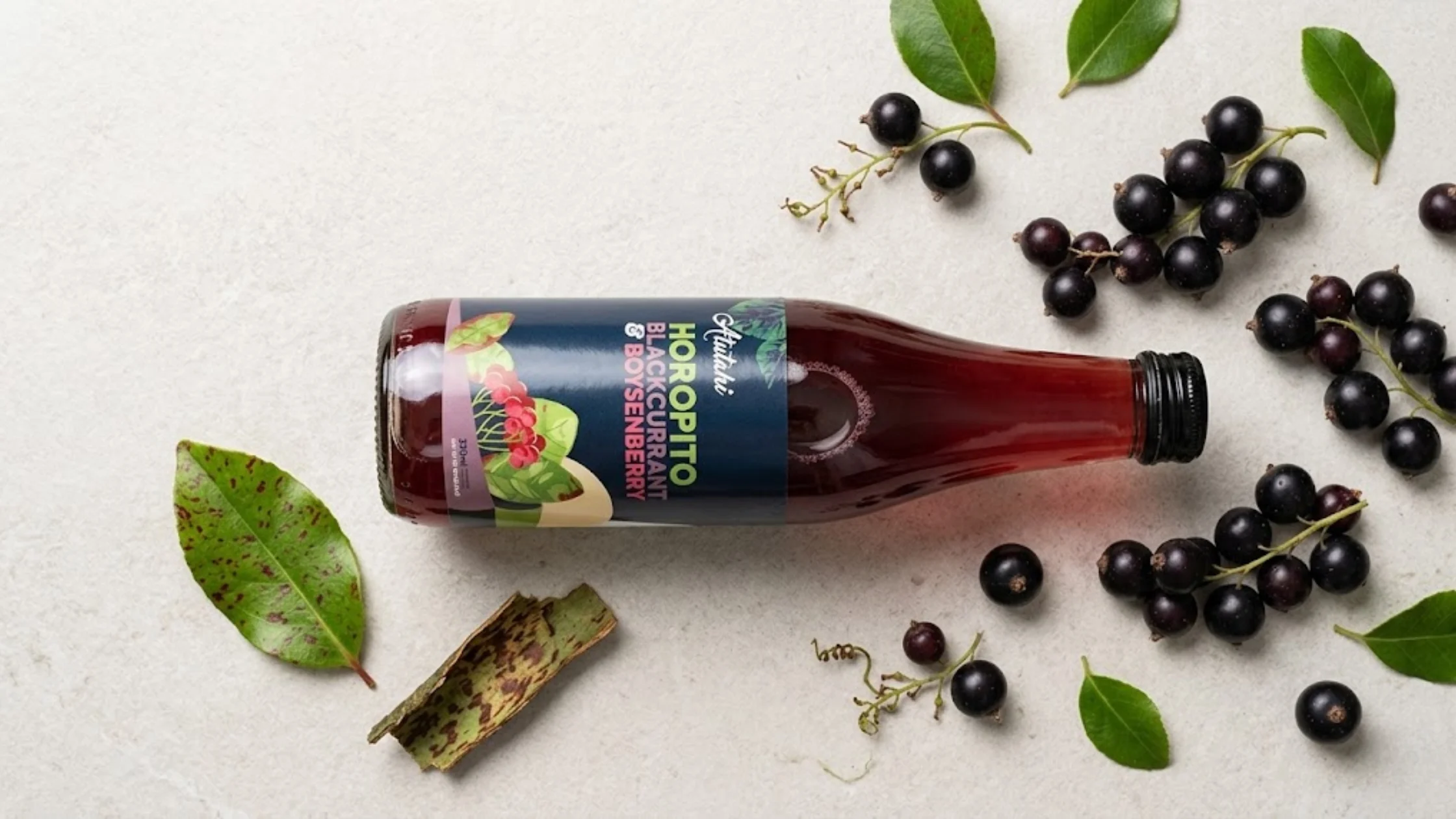
Kūmarahou has far less published research, and its reputation rests mainly on traditional use. Also called gumdigger’s soap, it has long been used in rongoā Māori for chest and breathing complaints. You can taste it in Kūmarahou Lemon & Lime and read about its traditional respiratory role.
“Traditional” doesn’t mean “made up”. It means knowledge tested through lived experience over many lifetimes. Even scientists agree the next step is partnership: the 2026 kawakawa review called for future trials to be done alongside Māori, respecting these plants as taonga. You can learn more about rongoā Māori and modern drinks.
Herbal Drinks Evidence at a Glance
| Ingredient | Key compounds | What research shows | Type of evidence | Honest limit |
| Kawakawa | Diayangambin, elemicin, myristicin, lignans | Lowered insulin response after a sugary meal; tea compounds below safety limits | Small human studies (n=6 and n=30), animal safety tests, lab studies | Not proven to aid digestion or reduce inflammation in people |
| Horopito | Polygodial | Stopped Candida yeast and other fungi growing in the lab | Peer-reviewed lab studies (1982, 1999) | No human trials on horopito drinks |
| Kūmarahou | Not well studied | Long use for chest and breathing | Traditional use (rongoā Māori) | Very little published research |
| Blackcurrant | Vitamin C, anthocyanins | Naturally rich in vitamin C | Well-established nutrition science | Amount per can depends on recipe |
Key Benefits You Can Actually Count On
The most reliable herbal drinks benefit is what you’re swapping out. Choosing a low-sugar botanical drink instead of a regular soft drink cuts your sugar intake straight away. That’s a benefit you don’t need a trial to believe.
There’s more. Real plant ingredients bring flavour that makes staying hydrated more enjoyable. You get native compounds that scientists are actively studying. And every can supports a Māori-owned, New Zealand business that treats these plants with care, a value known as kaitiakitanga, or guardianship of the land.
Want to know if botanical drinks are fine to enjoy every day? This article on whether botanical drinks are safe for daily use covers it. One sensible tip: if you’re pregnant, breastfeeding or taking medication, check with your GP or pharmacist before adding any new herbal product to your routine.
Taste the Evidence for Yourself
The best way to find your favourite is to try them side by side. The Atutahi Mixed 15 Pack gives you kawakawa, horopito and kūmarahou in one box. Already know you love the two most researched plants? Grab the Horopito and Kawakawa combo pack.
You can browse the full range of drinks, find a shop near you on the stockists page, or contact Atutahi with any questions about ingredients. Curious about the people behind the bottle? Meet them on the About Us page.
Tradition and Science, Side by Side
So, do herbal drinks actually work? The honest answer is: some parts clearly do, some parts might, and some parts we’re still learning about. Horopito has solid lab evidence. Kawakawa has early human results. Kūmarahou carries generations of traditional knowledge. None of them is a cure, and anyone who says otherwise is overselling.
That honesty is the point. When you know which claims are traditional and which are tested, you can choose drinks with your eyes open. You can enjoy the flavour, cut back on sugar and support a brand that respects both rongoā Māori and good science. Next time you reach for a cold drink, explore the Atutahi range and taste the story for yourself.
Frequently Asked Questions
The most reliable benefit is simple: many herbal drinks contain far less sugar than soft drinks, so swapping helps you cut back. Beyond that, benefits depend on the plant. Horopito contains polygodial, which stopped yeast growth in lab tests. Kawakawa tea lowered insulin response in a small Auckland study. Most other claims come from rongoā Māori tradition, not clinical trials, so read labels closely.
Regular herbal infusions can help you drink more fluid, especially if plain water feels boring. Unsweetened infusions add flavour without sugar, and many plants contain polyphenols, natural compounds studied for antioxidant activity. Effects are usually gentle and vary by plant and strength. Treat infusions as part of a healthy diet rather than a treatment, and check with your GP if you take medication.
Several NZ brands use natural botanicals, including Māori-owned Atutahi, which makes drinks with native kawakawa, horopito and kūmarahou. If organic matters to you, look for a certification mark such as BioGro or AsureQuality Organic, because “natural” alone isn’t a certification. Read the ingredient list too. Real plant extracts should appear by name, not just as “flavours”, so you know what you’re drinking.
Auckland has plenty of health food stores, organic grocers and specialty tea shops stocking herbal and wellness teas. For ready-to-drink native botanicals, check the Atutahi stockists page for a retailer near you, or order online. Choose products that name each herb clearly and explain where it comes from, and skip any that promise to cure illness. Honest, clear labels are always a good sign of quality.
No drink can “boost” your immune system on its own, so be wary of that promise. You can find drinks made with plants traditionally used for winter wellness, such as horopito and kūmarahou, plus fruits naturally high in vitamin C like blackcurrant. Atutahi’s range is available online and through stockists. Good sleep, a varied diet, regular exercise and rest still matter most for immunity.
Horopito drinks bring polygodial, which is antimicrobial in lab tests but untested in human immune trials. Kūmarahou is valued in rongoā Māori for chest and breathing support, based on traditional use. Blackcurrant adds vitamin C, a nutrient your immune system needs. Ginger and echinacea teas are popular too, but human study results are mixed. None replaces good sleep, a varied diet or medical care.
Kawakawa is the native plant most linked to digestion in rongoā Māori, and Atutahi’s Kawakawa Lemon & Lime is sold online in NZ. Peppermint and ginger teas are also popular for tummy comfort and easy to find. Keep in mind that kawakawa’s digestive reputation is traditional. Human studies so far have measured blood sugar and insulin, not digestion directly, so more research is still needed.
Ready-to-drink options for sleep usually feature chamomile or lemon balm, herbs with a long history of use for relaxation and some small studies behind them. Results vary from person to person. Whatever you choose, check the label for caffeine, green tea or guaraná, which can keep you awake. A calm bedtime routine and less screen time often make the biggest difference to how well you sleep.
Drinks with chamomile, lemon balm and native kawakawa are popular choices for winding down, and many people enjoy a low-sugar botanical drink in place of coffee or fizzy drinks. Remember that reviews describe personal experience, not proven effects, and part of the calm may come from simply pausing. If stress feels constant or heavy, talk to your GP or a health professional for proper support.
In New Zealand you’ll find ginger, peppermint and fennel teas, kombucha, and native drinks made with kawakawa, which rongoā Māori has long used for stomach complaints. Ginger has good research for nausea, and peppermint oil for IBS symptoms. Kawakawa’s digestive use is traditional. If you have ongoing bloating, pain or changes in bowel habits, please see your GP for proper, personal advice.