

When Your Joints Ache, Nature Has Been Waiting
Sore knees after a long day. A stiff back in the morning. A stomach that never quite settles. If that sounds familiar, you have probably tried the usual fixes, and you are still looking for something gentler.
Horopito (Pseudowintera colorata) is a native New Zealand shrub that Māori have used for centuries in rongoā (traditional healing) for pain, skin irritation and upset stomachs. Its peppery bite comes from a compound called polygodial, which lab studies link to antifungal, antibacterial and anti-inflammatory activity. Traditional use and early scientific findings both point the same way, but large human trials are still limited, so think of horopito as a well-supported traditional remedy rather than a proven medical cure. Atutahi blends real horopito leaf into its Horopito Blackcurrant & Boysenberry drink and Horopito & Tomato Chutney, so you can enjoy it the easy way.
Key Takeaways
- Horopito is a native NZ shrub used in rongoā Māori for centuries, nicknamed the pepper tree.
- Its polygodial compound is linked to antifungal, antibacterial and anti-inflammatory activity in lab studies.
- Traditional use and early science point the same direction, but large human trials are still limited.
- You can try horopito as tea, in cooking, or ready-made in Atutahi’s horopito drinks and chutney.
- It is safe for most people in normal food and drink amounts; check with a doctor if pregnant, breastfeeding, or on medication.
Is Horopito a Natural Anti-Inflammatory?
Yes. Horopito has been used in rongoā Māori for its warming, anti-inflammatory qualities for generations, and modern lab research has identified compounds in the leaf, including polygodial, with documented antimicrobial and anti-inflammatory activity. Atutahi uses real horopito leaf in its horopito-blackcurrant-boysenberry drink so you can enjoy this traditional benefit in a simple daily bottle, rather than needing to forage or brew your own.
What Is Horopito?
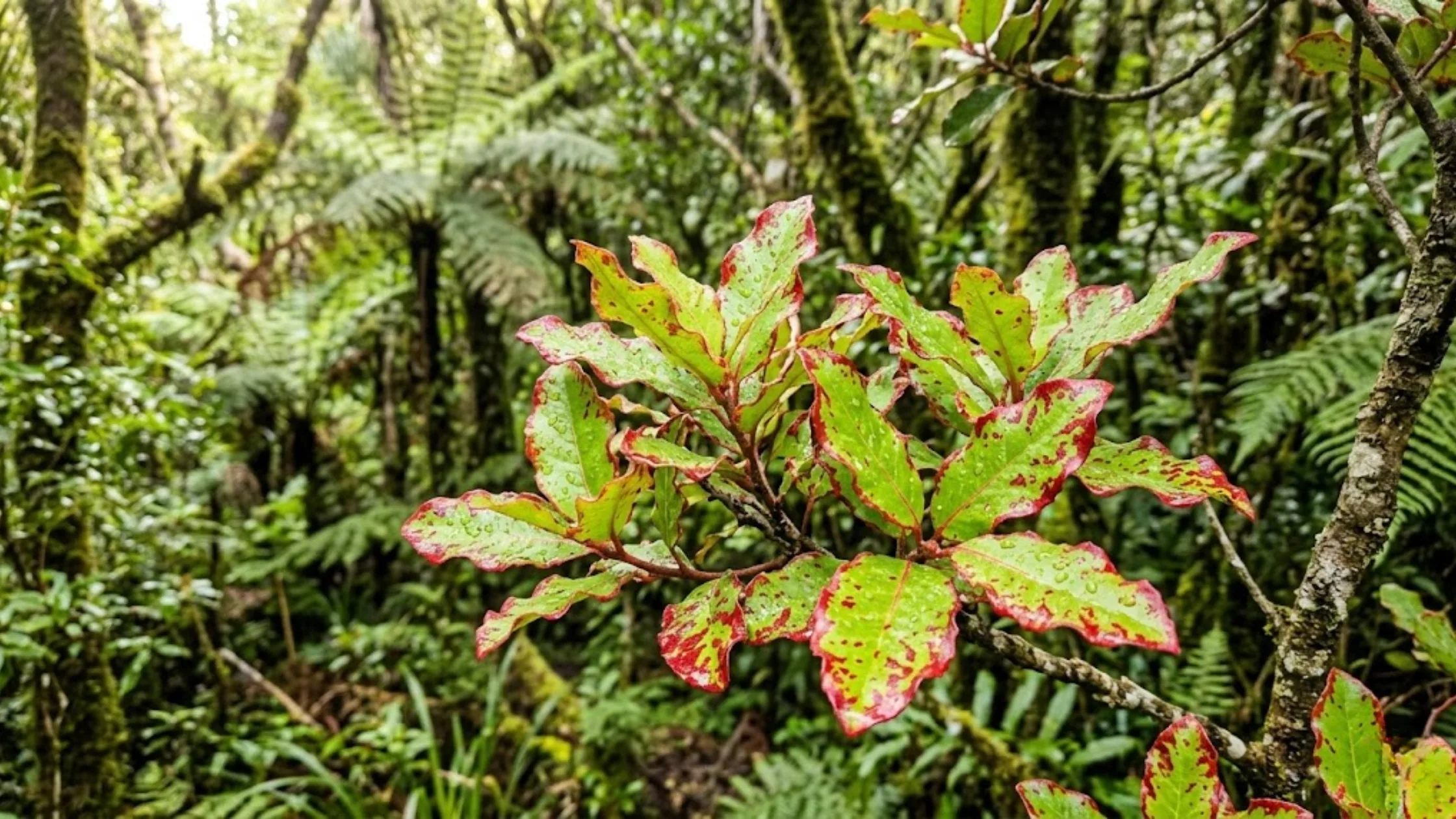
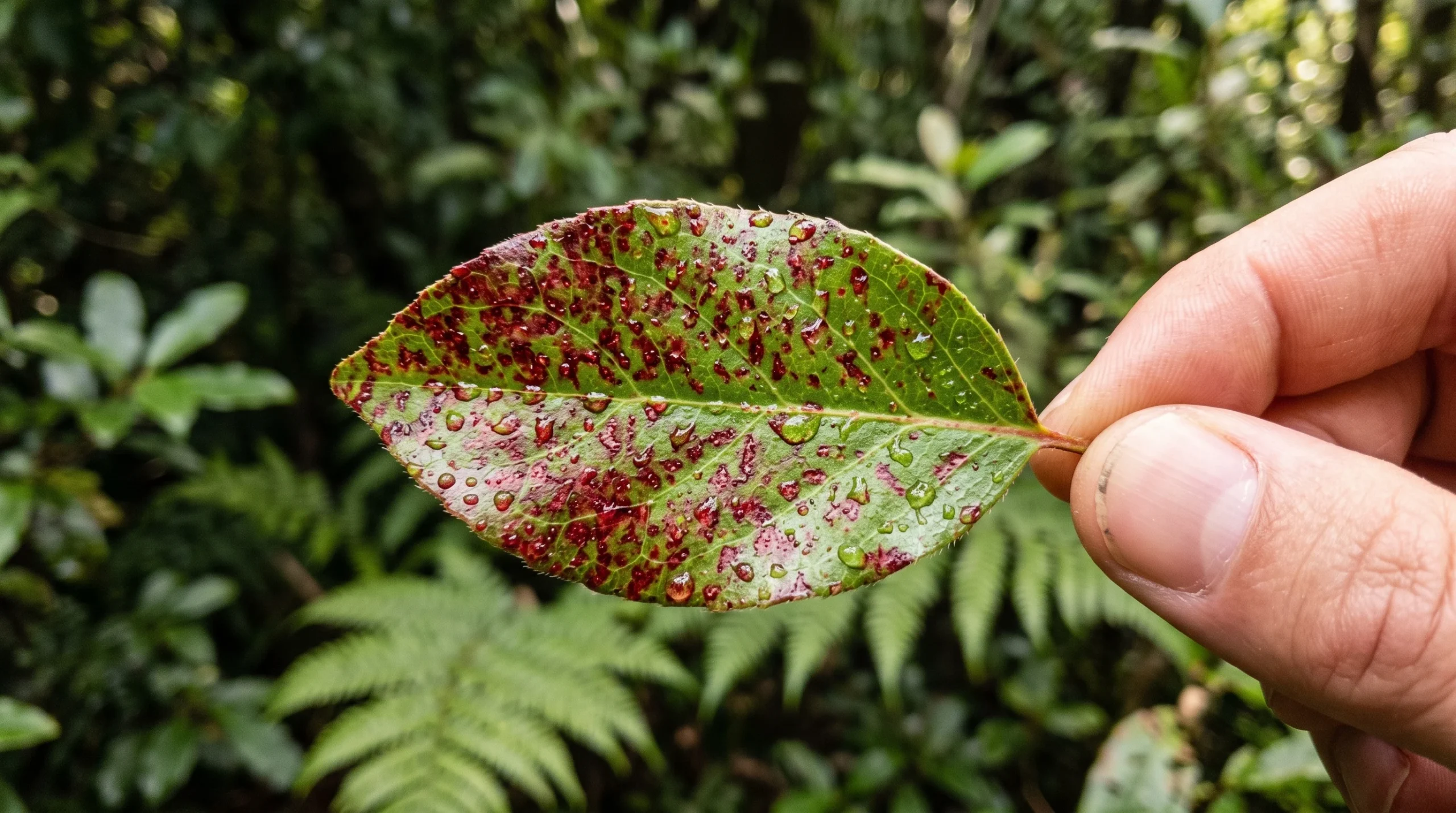
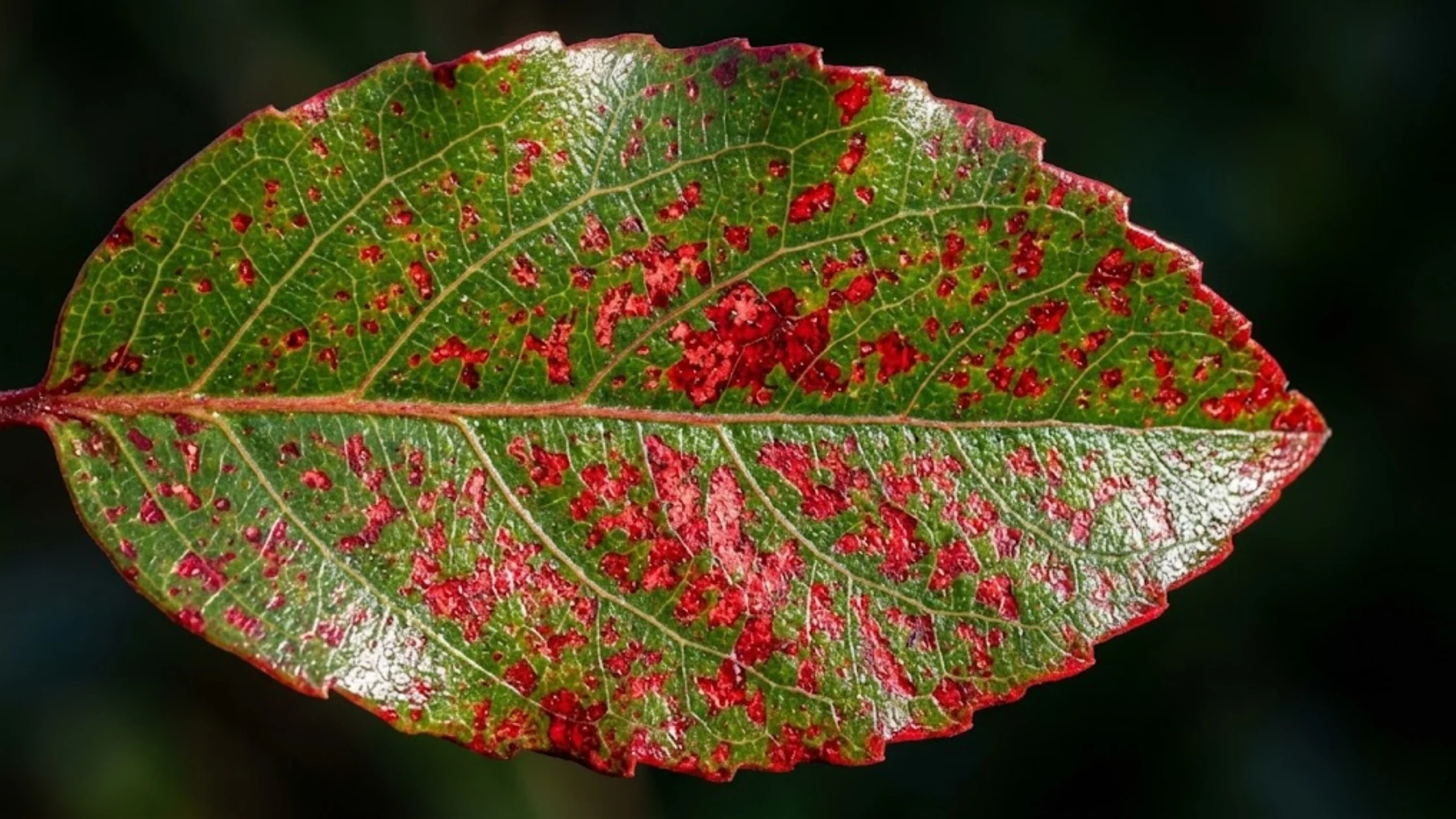
Horopito is a small native New Zealand shrub with striking green and red-blotched leaves. Its proper name is Pseudowintera colorata, and it belongs to one of the oldest flowering plant families on Earth. You will find it growing wild in cool, damp forest along both islands, from Northland down to Fiordland.
Bite into a fresh leaf and you will understand its nickname straight away: the New Zealand pepper tree. That hot, tingling burn is not just for show. It is the plant’s own natural defence system, and it is also the reason healers have valued horopito for hundreds of years. If you would like a wider introduction to horopito alongside its native neighbours, our guide to kānuka, horopito and kūmarahou is a good place to start.
The Story of Horopito in Rongoā Māori
Long before pharmacies existed, Māori healers built deep knowledge of the native bush around them. Horopito became one of the most trusted plants in rongoā Māori, the traditional Māori healing system. Healers bruised fresh leaves and applied them to the skin for cuts and irritation. They steeped the leaves in hot water to make a warming drink for stomach pain and colds. Some accounts also describe horopito being used to ease toothache. This knowledge has been passed down through generations, and it still shapes how the plant is used today, including as a favourite traditional winter remedy in rongoā Māori during the colder months.
Meet Polygodial: The Compound Behind the Burn
The chemical responsible for horopito’s peppery taste is called polygodial. Scientists have studied this compound closely, and published research links it to antifungal, antibacterial, anti-inflammatory and pain-related (antinociceptive) activity in laboratory studies. It is genuinely one of the more well-documented native plant compounds in New Zealand, which is part of why horopito keeps attracting attention from researchers and wellness brands alike.
Why People Reach for Horopito
Traditional Uses in Rongoā Māori
Within rongoā Māori, horopito has long been used to settle the stomach, ease joint stiffness, and calm irritated skin. It has also been used as a warming remedy during the colder months, alongside other native plants such as kūmarahou and kawakawa. If you would like to understand the wider rongoā tradition, our guide to rongoā Māori plants for daily wellness covers several of these plants side by side, and our piece on native New Zealand herbs that combat inflammation looks at how horopito compares with others in the same family of remedies.
What Modern Research Actually Shows
It is worth being honest here, because this matters. Most polygodial research has been carried out in laboratory (in vitro) settings, not large human trials. These lab studies are genuinely promising: they show polygodial acting against fungi and bacteria, and behaving in ways associated with reduced inflammation and pain signalling. What they do not yet show is a confirmed, clinically proven effect in humans drinking horopito tea or beverages. So the honest picture is this: centuries of traditional use, backed by encouraging early science, but not yet backed by large-scale human trials. That is a good, trustworthy place for a traditional remedy to sit, and it is worth knowing the difference before you try it.
Horopito Compared with Turmeric and Ginger
People often compare horopito with other well-known anti-inflammatory plants. Here is how they stack up on a few practical points.
| Feature | Horopito (NZ native) | Turmeric | Ginger |
| Origin | Native to New Zealand | Imported (South Asia) | Imported (South Asia) |
| Traditional use | Rongoā Māori, centuries of use | Ayurvedic and global cuisine | Traditional medicine worldwide |
| Key compound | Polygodial | Curcumin | Gingerol |
| Taste | Hot, peppery | Earthy, slightly bitter | Sharp, zesty |
| Best known for | Antimicrobial and warming properties | Joint comfort | Settling the stomach |
Each of these plants has its own strengths, and many people happily use more than one. Horopito’s advantage is that it is grown right here in New Zealand, which means shorter supply chains and a direct connection to a living tradition. See how it stacks up against imported options in our piece on horopito versus common winter superfoods.
How to Bring Horopito Into Your Day
Horopito Tea and Cooking
The simplest way to try horopito is as a tea. Steep dried leaves or a tea bag in hot water for around five minutes. The longer you leave it, the spicier it gets. You can also use dried horopito leaf as a peppery seasoning for roasted vegetables, meat or gravy, much like you would use black pepper. For more ideas, our roundup of 5 warming ways to enjoy horopito is worth a look, especially once the weather turns cold.
Horopito in Ready-Made Drinks and Chutneys
If foraging and brewing is not for you, horopito is easy to enjoy ready-made. Atutahi’s Horopito Blackcurrant & Boysenberry drink blends real horopito leaf with sweet native berries, so the peppery bite is balanced by fruit rather than overwhelming your palate. If you prefer something savoury, the Horopito & Tomato Chutney is a lovely way to add a native kick to cheese boards, sandwiches and roast dinners, or try it alongside kānuka and beetroot in our mixed chutney three-pack. We have also written about how horopito blackcurrant and boysenberry drinks support natural immunity, which is a handy read if you are drinking it for that reason. For a wider taste of rongoā-inspired flavours, our kawakawa benefits for digestion and immunity article is a natural next read, and if you are curious how the two native herbs differ, see our kawakawa versus horopito comparison.
Is Horopito Safe to Use?
Horopito is considered safe for most people in normal food or drink amounts, and it has been part of everyday Māori life for generations. Because the leaf is naturally hot and peppery, eating a large amount of raw leaf can cause a brief, harmless burning feeling in the mouth or stomach. If you have active stomach ulcers, the peppery quality may feel too intense. Pregnant or breastfeeding people, and anyone on prescription medication such as blood thinners, should have a quick chat with their doctor before starting regular use, simply because the research base in these groups is still limited. This is general information, not medical advice, so check with a healthcare professional if you are unsure.
Try Horopito the Atutahi Way
You do not need to forage in the bush to bring this native taonga into your week. Atutahi grows, blends and bottles real horopito leaf so the tradition is easy to enjoy at home. Explore the Horopito range, find your nearest stockist, or get in touch with our team. You can also join our newsletter below for new drops and seasonal wellness tips.
A Living Taonga for Modern Wellbeing
Horopito shows how old knowledge and new science can sit comfortably side by side. Generations of Māori healers found real value in this plant long before anyone had studied polygodial in a lab, and today’s research is starting to explain why. Whether you steep the leaves yourself or reach for a bottle already blended for you, you are taking part in a tradition genuinely native to Aotearoa. To go deeper into how this fits within wider Māori wellness practices, our guide to gut health through Māori traditional medicine is a great next stop.
Frequently Asked Questions
Horopito has traditionally been used in rongoā Māori for joint pain, upset stomachs, colds and irritated skin. Today it also appears in teas, seasonings, skincare and ready-made drinks, backed by lab research linking its polygodial compound to antimicrobial and anti-inflammatory activity.
Yes, horopito is commonly called the New Zealand pepper tree because chewing a fresh leaf produces a hot, peppery, tingling taste. This nickname comes directly from the plant’s natural flavour, which is caused by the compound polygodial found throughout its leaves.
Polygodial is the active compound in horopito responsible for its hot, peppery taste. Published lab research links it to antifungal, antibacterial, anti-inflammatory and pain-related activity, making it one of the better-studied compounds found in native New Zealand plants.
Laboratory studies show polygodial has anti-inflammatory activity, and rongoā Māori has used horopito this way for generations. However, large human clinical trials are still limited, so it is best understood as a well-supported traditional remedy rather than a medically proven treatment.
Steep dried horopito leaves or a tea bag in freshly boiled water for around five minutes. The longer it steeps, the spicier and stronger the flavour becomes. Many people enjoy it warm in the evening or as a peppery pick-me-up during colder months.
Yes, dried horopito leaf can be used as a peppery seasoning on meat, vegetables and gravies, similar to black pepper. Eating a large amount of raw fresh leaf can cause a brief, harmless burning sensation in the mouth, so most people use it dried and in moderation.
Horopito is generally considered safe in normal food and drink amounts, but pregnant or breastfeeding people should speak with their doctor before using it therapeutically. This is simply because research on horopito in these groups is still limited, not because of any known specific risk.
Horopito grows wild in cool, damp native forest across both the North and South Islands, often along bush margins where some light reaches the forest floor. It is a hardy shrub that has survived largely unchanged for millions of years.
Horopito has a hot, peppery, slightly numbing taste, similar to chilli or strong black pepper with a lingering tingle. This is why it earned the nickname pepper tree, and why it is often paired with sweet fruit in drinks to balance the heat.
Both are native rongoā plants, but horopito is known for its hot, peppery leaf and polygodial content, while kawakawa has a milder, earthier taste linked more closely to digestion. Many people use both, for different purposes.