

Natural on the Label: But Is It Safe Every Day?
You pick up a drink, spot a native plant on the label and think, “Natural, so it must be fine.” Then a small voice asks: can I really drink this every day? That’s a fair question. Herbal drinks are made with real plants, and real plants can affect your body. Most of the time that’s a good thing. Sometimes it means you should stop and check first.
So what are we talking about? Herbal drinks are drinks made or flavoured with leaves, roots, flowers or bark. Some are teas you brew at home. Others, like Atutahi’s kawakawa, horopito and kūmarahou drinks, come ready to sip. Some brands call these “botanical drinks”, but in this guide we use “herbal drinks” for all of them. The honest problem is that online advice swings between “totally fine, drink loads” and “avoid it, it’s risky”. The truth sits in the middle, and we’ll walk you through it.
For most healthy adults, one or two 330ml herbal drinks a day, or one to three cups of brewed kawakawa leaf tea, is a sensible amount. Check with your GP or pharmacist first if you are pregnant, breastfeeding, take regular medicine (especially blood thinners) or live with a health condition. Read the label, start small, and stop if something feels off.
Key Takeaways
- Most healthy adults can enjoy one or two 330ml herbal drinks a day, in normal servings.
- Brewed kawakawa leaf tea suits one to three cups a day, and strong brews can tingle or numb the tongue.
- Check with your GP or pharmacist first if you are pregnant, breastfeeding, on medicine (especially blood thinners) or have a health condition.
- Natural doesn’t mean unlimited. More isn’t better.
- Choose drinks with full ingredient lists, named plants, visible sugar and a maker who answers questions.
- Start with one serving and listen to your body.
What’s Really in Your Herbal Drink?
Before we talk about safety, let’s look at what’s in the glass. Three things matter most: the plant, the recipe and the dose.
The Plants: Kawakawa, Horopito and Kūmarahou
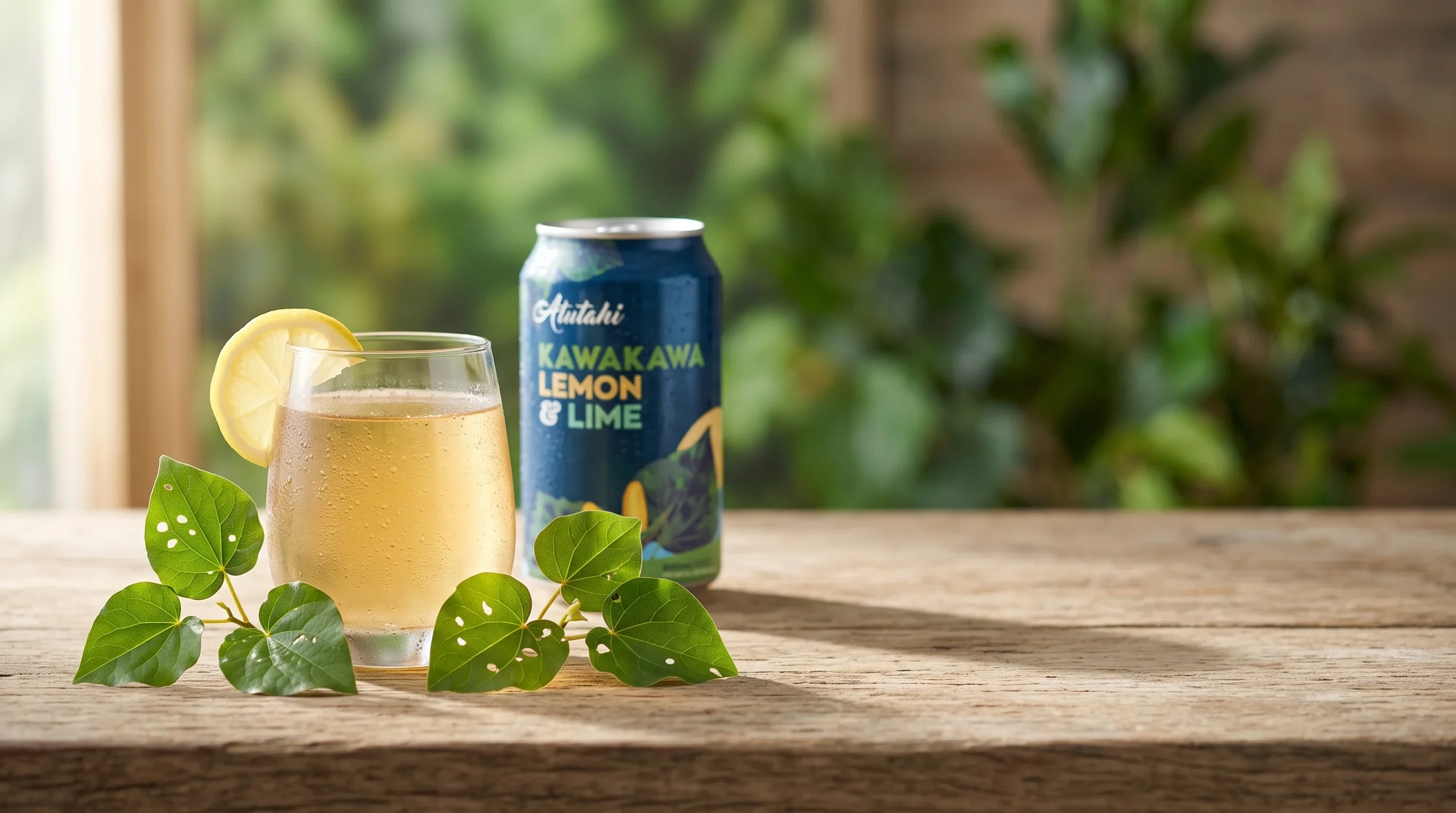
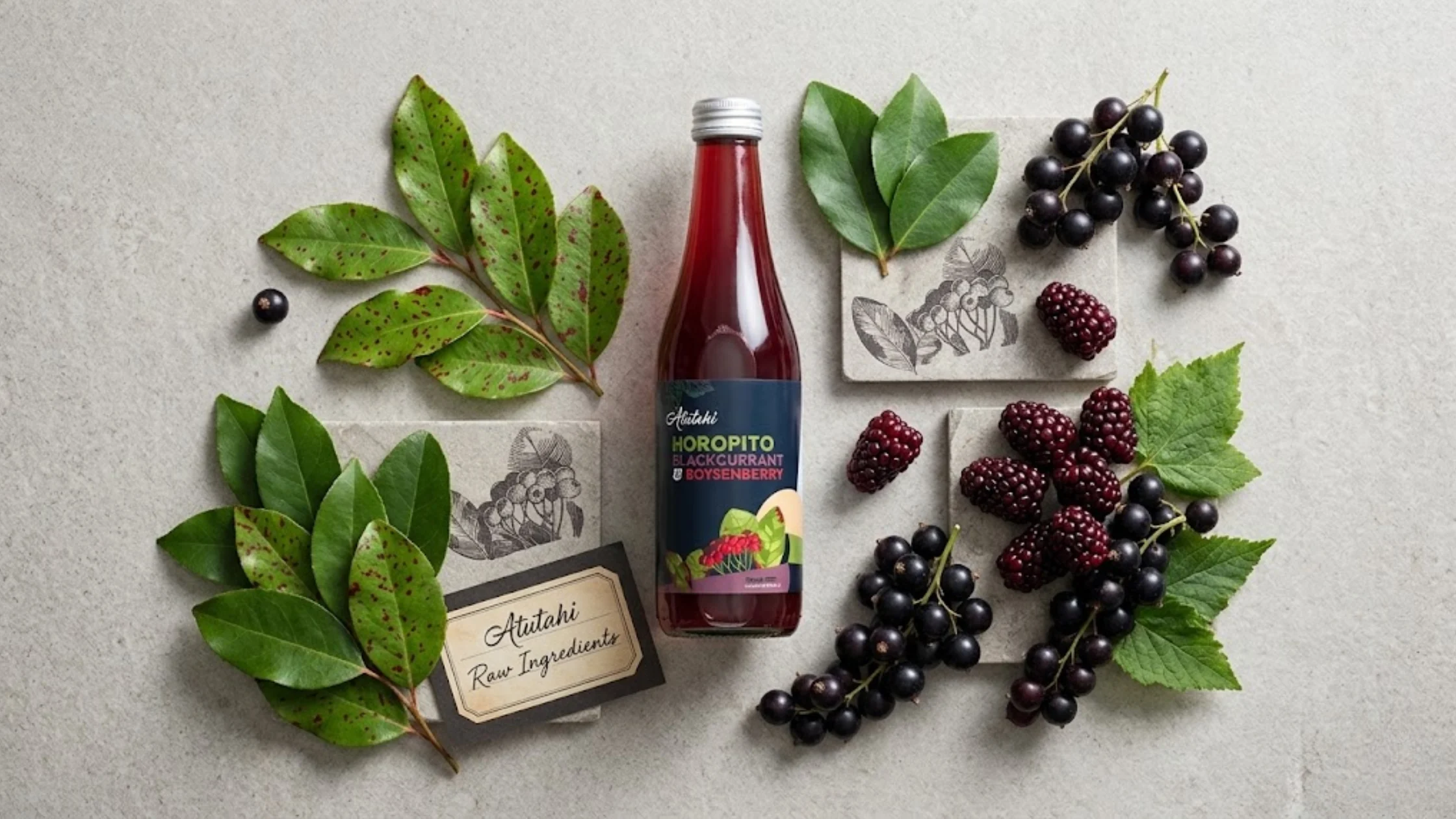
Kawakawa is the plant with heart-shaped leaves, often dotted with holes made by hungry caterpillars. It has a long history in rongoā Māori and a mild, peppery taste. Horopito, sometimes called the New Zealand pepper tree, has a hot, spicy bite. Kūmarahou is a native shrub with a long traditional history too, and it adds an earthy note. You can taste each one in Atutahi’s Kawakawa Lemon and Lime, Horopito, Blackcurrant and Boysenberry and Kūmarahou Lemon and Lime drinks.
The Recipe: How the Plants Become a Drink
Plants don’t jump from the forest into a bottle. They are picked, prepared and blended with water and fruit juice. That matters, because the strength of a drink depends on how it is made. A ready-to-drink bottle is usually much milder than a strong brew of fresh leaves. If you’re curious about the steps, our guide to how botanical ingredients are prepared for drinks takes you from leaf to label.
The Dose: Why Serving Size Changes Everything
Apples are good for you, but twenty in one sitting would give you a tummy ache. Herbs follow the same rule. A small serving of a mild herb is one thing. A large, strong dose every single day is another. This one idea sits behind every safety tip in this guide.
Are Herbal Drinks Safe to Drink Every Day?
Most native-botanical functional drinks are safe for daily use in normal serving sizes. But if you are pregnant, breastfeeding, taking medication or living with a health condition, check specific ingredients, such as kawakawa, with a healthcare provider first.
That answer has two halves, and both matter. The first half is good news. Herbal drinks made from food-grade plants, in normal servings, are part of many people’s day. Kawakawa has been used in rongoā Māori for generations, and plenty of Kiwis enjoy it without any trouble. The second half is a gentle warning. “Natural” doesn’t mean “right for everyone”. Your age, health, medicines and stage of pregnancy can all change the answer.
Why “Normal Serving Size” Is the Key Phrase
Plants contain active compounds. That is why they smell and taste the way they do. In small amounts, those compounds are usually no problem. Trouble is more likely when the dose gets big, when the brew gets very strong, or when the plant meets a medicine. So keep to the amounts on the pack, and use the guide in the next section.
Why Your Body Isn’t Anyone Else’s
Two people can drink the same herbal drink and feel different afterwards. One feels calm and settled. The other gets a bit of a flutter in the tummy. Age, size, other medicines and even what you’ve eaten all play a part. So when you try something new, start with one serving, see how you feel, and then decide if it suits you.
How Much Is Too Much? Your Simple Daily Guide
Here is a general guide for healthy adults. It isn’t personal medical advice, so treat it as a starting point.
| What you’re drinking | A sensible daily amount | Good to know |
| Ready-to-drink herbal drink (330ml) | One to two | Check the label for sugar and juice content. |
| Brewed kawakawa leaf tea | One to three cups | A very strong brew can tingle or numb your tongue. |
| Mild herbal tea bags (mint, ginger, lemon balm) | A few cups | Always check the pack for stronger herbs. |
| A new herbal drink you haven’t tried | Start with one | Wait a day and see how you feel. |
Why one or two ready-to-drink servings? Those drinks are made to be enjoyed, not to act like medicine. They also count towards your daily fluids and, depending on the recipe, your daily sugar. Two is plenty for most people. If you feel great and want more, that’s a good moment to chat with your GP rather than simply pouring another glass.
Kawakawa Safety: What to Expect
The Gentle Side
Kawakawa has been used in Aotearoa for a very long time, and many people find it soothing. If you’d like to know what it may do for your tummy and general wellbeing, read our guide to kawakawa benefits for digestion and immunity. This section answers a different question: is it okay to drink it daily? For most healthy adults, in normal servings, yes.
The Side Effects Worth Knowing
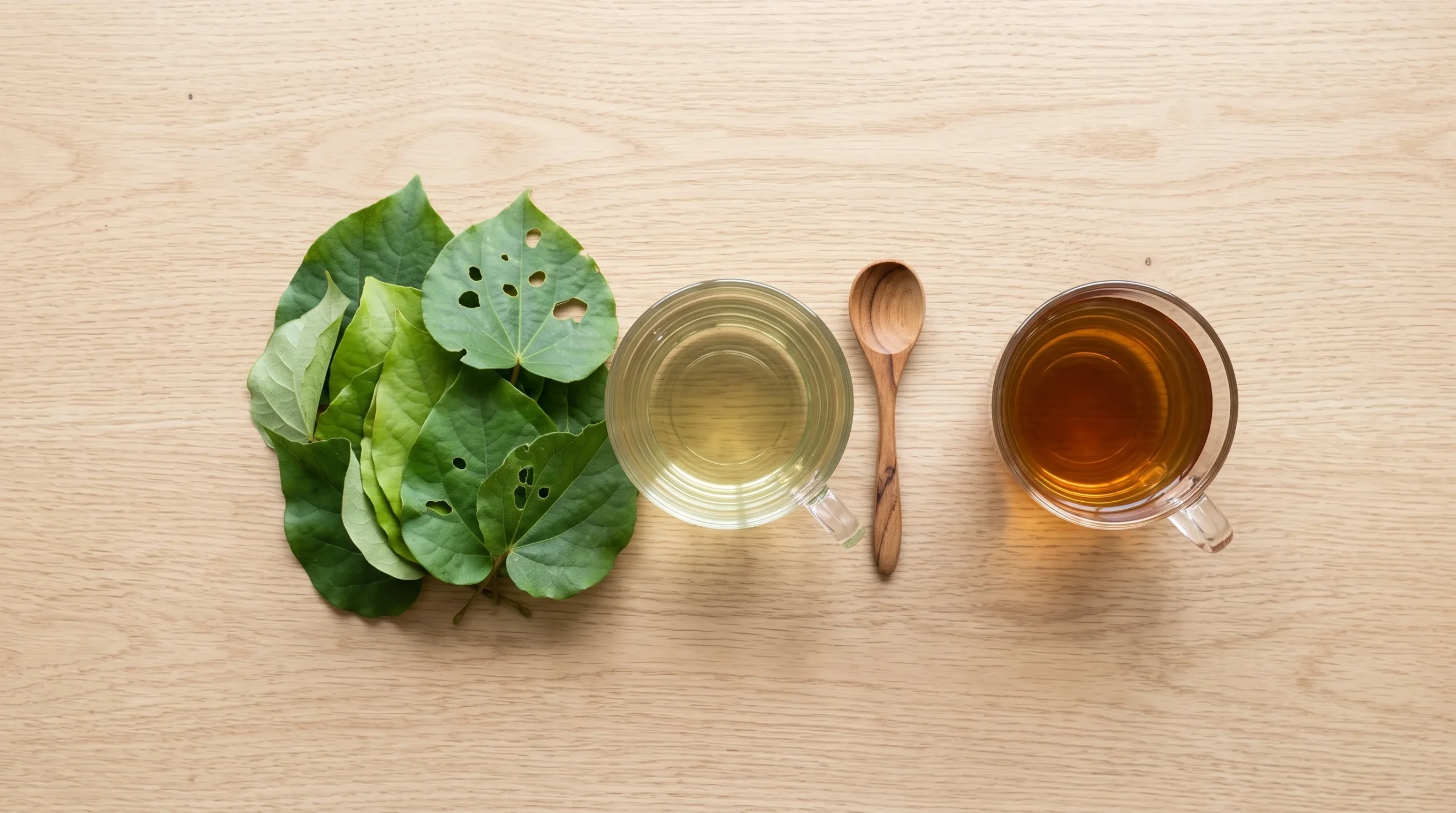
The most common one is simple. A very strong kawakawa brew can leave your tongue tingly or a little numb, and it may cause a mild flutter in your tummy. These effects are uncommon and usually come from making leaf tea too strong. If it happens, make your next cup weaker or take a break.
Blood Thinners, Pregnancy and Other “Check First” Moments
Kawakawa is traditionally linked with circulation, and there is little research on how it behaves alongside blood-thinning medicines such as warfarin. So if you take a blood thinner, ask your GP or pharmacist before you make kawakawa a daily habit. The same goes if you are pregnant or breastfeeding. It’s a quick chat, and it takes the guesswork out.
What About Horopito and Kūmarahou?
Horopito has a peppery heat that can feel too strong for sensitive tummies, so go slowly if spicy food doesn’t agree with you. Kūmarahou has a long traditional history, but there is less modern human research on it, so the same “start small and check first” rule applies. If you’re curious about how these plants have been studied, our plain-English look at the science behind herbal drinks is a good next read.
Who Should Check First?
Some people should speak to a health professional before making any herbal drink a daily habit. That’s not because herbal drinks are dangerous. It’s because your situation might change the advice.
| If this is you | Why it matters | What to do |
| Pregnant or breastfeeding | Your body is more sensitive, and research on native plants is limited. | Ask your midwife or GP. |
| Taking regular medicine, such as blood thinners, blood pressure tablets, diabetes medicine or antidepressants | Some herbs can change how medicines work. | Show the ingredient list to your pharmacist. |
| Living with a liver, kidney, heart or digestive condition | Your body may handle herbs differently. | Ask your GP first. |
| Prone to allergies or hay fever | You could react to a new plant. | Try a small serving first. |
| Having an operation soon | Some herbs can affect bleeding or other medicines. | Tell your surgical team. |
| Giving a drink to a young child | Small bodies handle things differently. | Ask your GP or Plunket nurse. Our guide to sugar-free drinks for kids can help too. |
If you’re not sure which row sounds like you, Healthline on 0800 611 116 is a free New Zealand service that can point you in the right direction.
Common Myths, Cleared Up
| Myth | The reality |
| “If it’s natural, I can drink as much as I like.” | Plants contain active compounds. More isn’t better, so keep to normal servings. |
| “Herbal drinks taste like grass.” | Not at all. A blend like Horopito, Blackcurrant and Boysenberry is bright and fruity, with a little peppery zing. |
| “They’re only for when you’re unwell.” | Drinks like these are made for enjoyment. They aren’t medicine. |
| “Caffeine-free means risk-free.” | Not quite. No caffeine is a plus, but the herbs themselves still matter. |
How to Choose a Herbal Drink You Can Trust
Not all herbal drinks are made the same way, so it pays to check four things before you buy. First, look for a full ingredient list. If a label hides what’s inside, that’s a red flag. Second, look for named plants. “Kawakawa” tells you far more than “herbal extract”. Third, check the sugar. Some drinks pack in hidden sugar, so read the numbers. Fourth, choose a maker who answers questions. A brand that’s proud of its plants will happily tell you where they come from. Our guide to reading wellness drink labels shows you exactly what to look for, and you can see how we think about sourcing on our what we value page.
Why Kiwis Are Making Herbal Drinks a Daily Habit
Used sensibly, herbal drinks can be a lovely addition to your day. Here is what people tend to enjoy most:
- A tasty swap for fizzy drinks. Read the label for sugar, but many people find these a refreshing change.
- No tea or coffee. Atutahi’s drinks are made without either, so there’s no caffeine kick to worry about.
- A taste of Aotearoa. Kawakawa, horopito and kūmarahou grow here, and you can taste that sense of place.
- A drink with a story. Atutahi is a Māori-owned New Zealand brand, and the plants are treated with respect from forest to bottle.
Ready to Try Them? Start Small and See How You Feel
If you’d like to see how herbal drinks fit into your day, start with a taste test. The Atutahi Mixed 15 Pack lets you try different flavours before you pick a favourite. Already know what you like? Grab a single flavour such as Kawakawa Lemon and Lime or Kūmarahou Lemon and Lime, or try a nine-of-each mix like Kawakawa and Kūmarahou.
Living in Nelson or Tasman? Our stockists page shows where you can pick up a drink locally. Still have safety questions? Ask the team through our contact page, and explore your health to see how these plants fit into everyday life. To hear from us, join our community using the email box at the bottom of any page.
Enjoy Them With a Little Common Sense
So, are herbal drinks safe daily? For most healthy adults, yes, when you keep to normal servings, read the label and listen to your body. The people who should pause and check first are those who are pregnant, breastfeeding, on regular medicine or living with a health condition. That isn’t a scare. It’s just good sense, like checking a new food when you have an allergy. Herbal drinks made from native plants like kawakawa, horopito and kūmarahou can be a tasty, thoughtful part of your day. Start small, stay curious and ask questions when you’re unsure. If you’d like help choosing a flavour or have a question about ingredients, the Atutahi team is always happy to help.
Frequently Asked Questions
For most healthy adults, mild herbal drinks made from familiar plants, such as mint, ginger, lemon balm or rooibos, are fine every day in normal servings. Native plant drinks with kawakawa, horopito or kūmarahou follow the same rule. Keep to one or two servings, read the label, and check with your doctor or pharmacist first if you are pregnant, breastfeeding or on medication.
No. “Herbal” doesn’t automatically mean “safe for everyone”. Some herbs, such as liquorice root, senna and St John’s wort, can cause problems when used daily or alongside medicines. Mild blends are usually fine for healthy adults. Always read the ingredient list, stick to the serving on the pack, and ask your pharmacist if you take regular medicine or have a health condition.
There isn’t one “best” brand, so it helps to judge them yourself. Look for a full ingredient list, named plants, sugar you can see, and a maker who answers questions. Atutahi, a Māori-owned New Zealand brand, makes kawakawa, horopito and kūmarahou drinks with fruit and without tea or coffee. Whichever brand you choose, read the label first and start with one serving.
Most healthy adults can enjoy peppermint, ginger, lemon balm and rooibos daily, usually one to three cups. Kawakawa leaf tea is also traditional, and Atutahi’s kawakawa guide suggests one to three cups a day. A very strong brew can tingle the tongue, so keep it mild. Rotate your blends now and then, and check with a health professional if you have a condition or take medicine.
If you live in Nelson or Tasman, start with the Atutahi stockists page to find a café or shop near you. You can also order Atutahi drinks online, including the Mixed 15 Pack, which lets you try several flavours. Wherever you buy, choose drinks with a clear ingredient list and a New Zealand maker you can contact if you have questions about what’s inside.
The main risks are clashes with medicines, very strong brews and allergic reactions. Some herbs can affect blood pressure, blood thinning or blood sugar, and a few aren’t advised in pregnancy. A very strong kawakawa brew can numb the tongue or upset your tummy. With normal servings the risk is low, but stop and speak to a doctor if you feel unwell after drinking anything herbal.
Some New Zealand brands offer regular deliveries, but options change, so check each brand’s shop page before you sign up. Whether a drink is “daily-safe” depends on its ingredients and how much you drink, not on the delivery plan. With Atutahi, the multipacks make it easy to keep a stock at home, and you can ask the team about regular orders through the contact page.
You can find herbal drink mixes at health food shops, some supermarkets, cafés and online. Look for a clear ingredient list, a stated serving size and a best-before date. If you’d like ready-to-drink native plant options, the Atutahi Mixed 15 Pack lets you try several flavours before choosing a favourite, and the stockists page shows where you can find the range in person.
Yes, some can. Herbs may change how blood thinners such as warfarin, blood pressure tablets, diabetes medicines or antidepressants work. There is very little research on native plants like kawakawa alongside medicines, so a careful approach is wise. Show the ingredient list to your pharmacist or GP before you make a herbal drink a daily habit. Healthline (0800 611 116) can also advise for free.
Reputable companies share their full ingredients, explain where their plants come from, follow New Zealand food labelling rules and welcome your questions. Atutahi shares its values and sourcing on its website, and you can contact the team directly. When comparing any brand, check who makes it, how they treat their plants, and whether they give clear serving advice and tell you who should check with a doctor first.