

Winter Chests, Old Answers
It’s the middle of a Nelson Tasman winter, and your chest feels tight again. You’ve had the cough for a week. The kettle’s on, but you’re tired of the same tea that doesn’t quite cut it. Here’s the honest truth: there’s no single herb that “cures” a cough overnight, and anyone who tells you otherwise is stretching things. But there is a native New Zealand plant that Māori have turned to for this exact feeling for generations — and it’s worth understanding properly before you write it off or over-trust it.
Kūmarahou (Pomaderris kumeraho) is a native New Zealand shrub long used in rongoā Māori as a chest and respiratory support, usually as a boiled leaf tea. It’s traditionally believed to loosen mucus and soothe irritated airways, thanks to plant compounds called flavonoids. It’s a traditional remedy, not a clinically proven medicine, so think of it as gentle daily support rather than a treatment for illness. Atutahi bottles it with lemon and lime for a modern, drinkable format you can build into your winter routine. If symptoms are severe or don’t improve, see a doctor.
You’re about to learn what kūmarahou actually is, what’s inside it, why Māori have relied on it for so long, and how it fits into a modern wellness routine — including how Atutahi uses it.
Key Takeaways
- Kūmarahou is a native NZ plant traditionally used in rongoā Māori as a chest and cough support, usually as a boiled leaf tea.
- Its flavonoids (including quercetin and kaempferol) are believed to give it expectorant, mucus-loosening properties.
- It’s a traditional remedy, not a clinically proven treatment — evidence is based on generations of recorded use, not lab trials.
- Kūmarahou is often paired with kawakawa in rongoā routines rather than used alone.
- Atutahi’s Kūmarahou Lemon & Lime turns the traditional tea into an easy, repeatable daily drink.
- See a doctor for severe, worsening, or long-lasting respiratory symptoms.
Meet Kūmarahou: Aotearoa’s Traditional Chest Herb
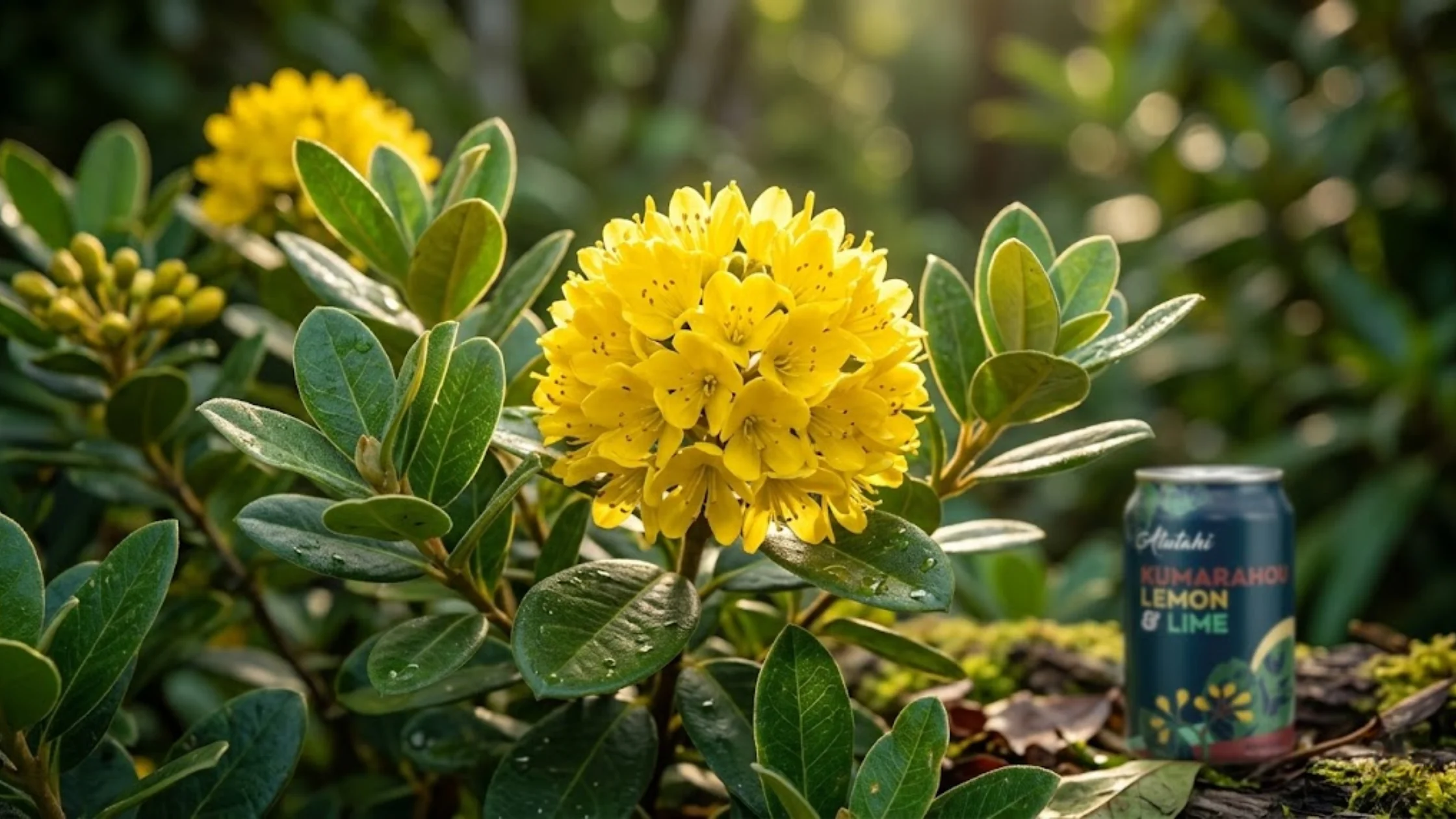
Kūmarahou is a bushy native shrub that grows wild across the top half of the North Island, bursting into bright yellow flowers each spring. You might also hear it called “gumdigger’s soap,” a nickname from the days when kauri gum diggers rubbed the flowers with water to create a natural lather for washing their hands.
But its real reputation isn’t as a cleanser — it’s as a chest remedy. For generations, Māori have boiled the leaves into a strong, bitter tea used specifically for coughs, colds, bronchitis, and general chest tightness. It sits alongside other well-known native plants like kawakawa and horopito in the rongoā Māori tradition, which treats plants not as quick fixes but as part of an ongoing relationship with wellbeing.
If you’ve spent any time exploring native New Zealand herbs, you’ve probably already come across kūmarahou’s cousins in this space. It’s worth understanding how kūmarahou fits alongside kawakawa and other native herbs used in rongoā Māori, since many wellness routines use them together rather than alone. You can also see where kūmarahou sits within Atutahi’s broader approach to native, health-focused ingredients on our Your Health page.

Does Kūmarahou Actually Help With Respiratory Support?
Kūmarahou has a long history of traditional Māori use for chest and respiratory complaints, most often prepared as a boiled leaf tea for coughs, colds, and bronchitis. It’s traditionally used rather than clinically proven — there isn’t strong modern scientific research confirming how well it works. Atutahi’s Kūmarahou Lemon & Lime brings this traditional plant into a modern, ready-to-drink format alongside citrus, so you can build it into your day without brewing anything.
That answer matters more than it sounds. Being upfront about what’s tradition and what’s proven science is exactly what separates an honest wellness brand from an overhyped one — and it’s why we’re spelling it out plainly rather than dressing it up.
What’s Inside Kūmarahou? The Compounds Behind the Tradition
So why has this particular plant earned such a strong reputation for chest support, when so many other native shrubs haven’t? Part of the answer sits in its chemistry.
Flavonoids and Why They Matter
Kūmarahou leaves and flowers contain flavonoids — plant compounds including quercetin and kaempferol — along with ellagic acid and saponins. According to the Herb Federation of New Zealand, these flavonols are found at their highest concentration in the flowers, and the plant has traditionally been classed as an expectorant, meaning it’s believed to help loosen and move mucus out of the respiratory tract.
That’s a genuinely useful piece of information gain, because it explains why the tradition exists rather than just repeating that it does. Flavonoids like quercetin are widely studied across plant science for their antioxidant properties, and they’re a large part of why bitter native herbs like kūmarahou carry such a strong folk reputation for chest and skin conditions alike.
It’s important to say clearly: this is traditional ethnobotanical knowledge, not a clinical trial result. The Herb Federation of New Zealand itself notes that very little formal scientific investigation has been done on kūmarahou specifically, so its reputation rests mostly on generations of recorded traditional use rather than laboratory testing. That doesn’t make the tradition meaningless — it just means you should treat kūmarahou as supportive, not medicinal.
How Māori Traditionally Used Kūmarahou for Chest Health
The traditional method is simple and has barely changed in over a century. Dried kūmarahou leaves and young shoots were placed in a billy, covered with water, and boiled down until the liquid turned a dark, brownish-red. This strong, bitter brew was taken for coughs, colds, bronchitis, and even historically for more serious chest complaints, and was also considered gentle on the kidneys.
Kūmarahou rarely stood alone. It was, and still is, often paired with kawakawa — another native plant used for skin and digestive wellness — reflecting a broader rongoā Māori principle: plants work best as part of a considered routine, not as an isolated fix reached for only when you’re already unwell. If you’re curious about that wider tradition, our guide to rongoā Māori plants for daily wellness covers how several native herbs are traditionally used together.
The plant’s connection to New Zealand’s seasons runs deep too. Its yellow blossoms were historically read as a seasonal signal — a sign that kūmara planting time had arrived. That’s the kind of detail that tells you this isn’t a trend-driven ingredient. It’s one that’s been woven into daily Māori life for a very long time, well before “natural wellness” was a marketing phrase — you can read more about the principles behind this on our What We Value page.

From Rongoā to a Modern Can: How Atutahi Uses Kūmarahou
Boiling leaves in a billy isn’t exactly a realistic Tuesday-morning routine for most of us. That’s the gap Atutahi set out to close — you can read the full story of how the brand got started on our About Us page.
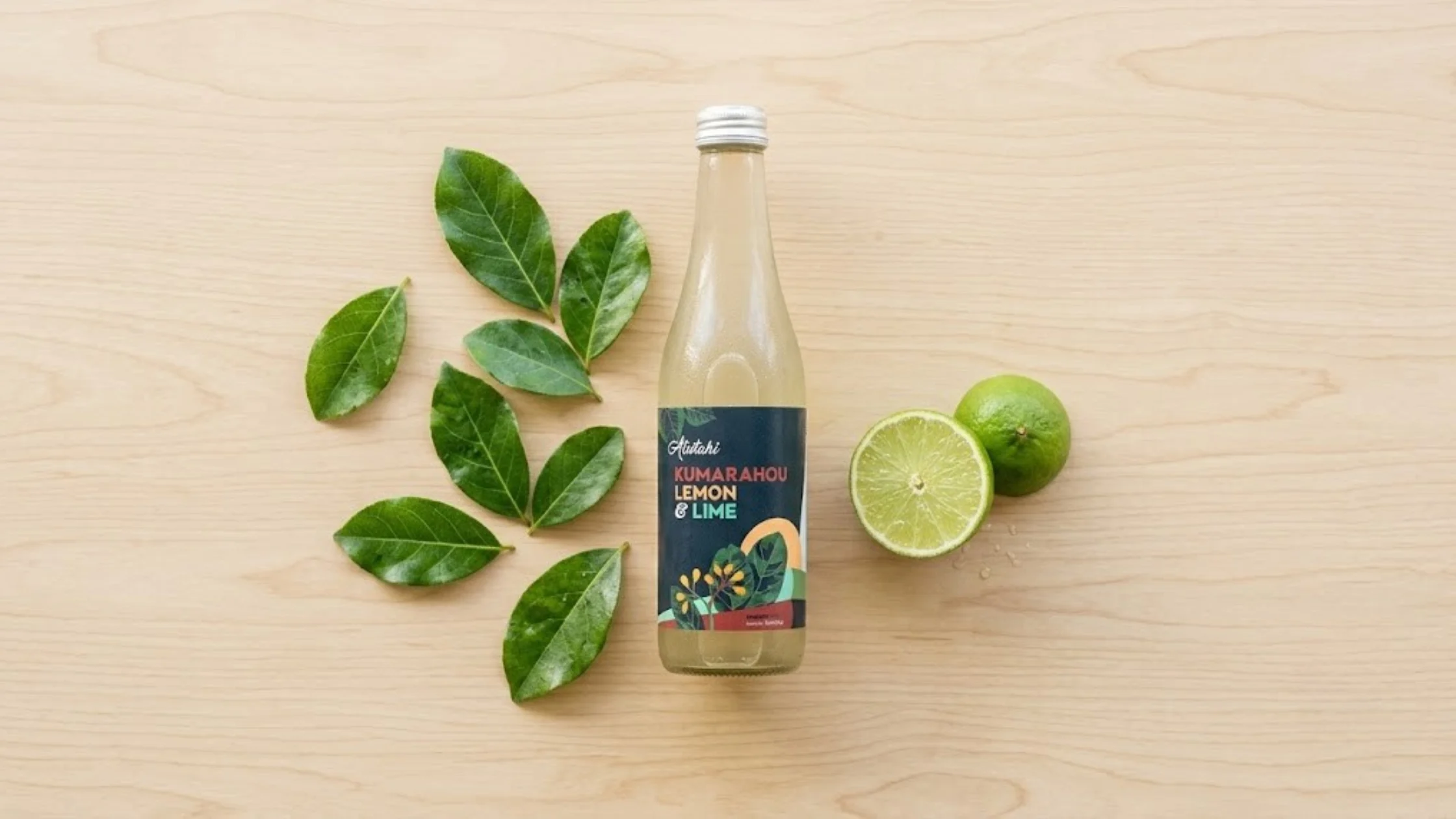
Atutahi’s Kūmarahou Lemon & Lime takes the same traditional plant and prepares it as a lightly carbonated, ready-to-drink beverage, balanced with real lemon and lime so the natural bitterness of kūmarahou doesn’t dominate the flavour. It’s designed to sit in your fridge as an easy, repeatable habit — something you reach for through the colder months rather than only when a cough has already set in.
This matters for how you actually use it. A tea you have to brew tends to get skipped after day three. A can you can grab on the way out the door is far more likely to become a genuine daily habit, which is really the whole point of traditional wellness plants in the first place — consistency over time, not a single big dose when you’re already unwell.
What a Practitioner Says
“I grew up with kūmarahou tea on the stove every winter — my nan swore by it for chest colds. What I appreciate about seeing it in a modern drink is that it respects where the plant comes from while making it something people will actually keep drinking. That consistency is half the value.” — a Nelson-based rongoā practitioner familiar with Atutahi’s ingredients.
Key Benefits of Kūmarahou Respiratory Support
Here’s a straightforward look at what kūmarahou is traditionally associated with, and how that translates into Atutahi’s drink.
| Traditional Use | What It’s Believed to Do | How Atutahi Delivers It |
| Chest and cough support | Traditionally used as an expectorant to help loosen mucus | Kūmarahou steeped into every can of Kūmarahou Lemon & Lime |
| General wellness tonic | Supported the body during cold and flu season | A daily, repeatable drink rather than an occasional remedy |
| Paired with other native herbs | Worked alongside kawakawa in rongoā routines | Available in mixed packs alongside Atutahi’s Kawakawa Lemon & Lime |
| Gentle, plant-based approach | An alternative to synthetic cold remedies | No added nasties — kūmarahou, citrus, and natural carbonation |
How to Add Kūmarahou to Your Daily Routine
You don’t need to overhaul your morning to get the benefit of a habit like this. Keep a few chilled in the fridge and reach for one instead of a sugary soft drink when the weather turns. Many people in the Nelson Tasman region treat it as their go-to cold-morning drink from the first frosty week of autumn right through to the end of winter, rather than waiting until they’re already feeling unwell.
If you’re new to kūmarahou’s flavour, know that the plant itself is naturally quite bitter — which is exactly why Atutahi balances it with lemon and lime rather than serving it straight. If you enjoy it, it’s worth exploring the fuller Kūmarahou Lemon & Lime range, including the 15-bottle case for stocking up before winter properly sets in.
Kūmarahou and Your Wider Wellness Routine
Kūmarahou is rarely the only native plant worth knowing about if you’re building a winter wellness habit. Kawakawa is commonly paired with it for both chest and skin support, and horopito brings a different, warming quality that many people rotate in alongside it. If you’d like the fuller picture of how these three fit together, our overview of kawakawa and kūmarahou benefits and our roundup of native immune-supporting plants for winter both go into more detail.
Kūmarahou also has a lesser-known traditional use worth a brief mention: outside of chest support, it’s been used topically for skin conditions and as a gentle natural cleanser, thanks to those same plant compounds. If that angle interests you, our piece on kūmarahou and natural cleansing covers it in more depth.
When to See a Doctor
Kūmarahou is a traditional support, not a medical treatment, and it shouldn’t replace advice from a GP or pharmacist. If your cough lasts more than a few weeks, you’re bringing up blood, you’re struggling to breathe, or you have a high fever that isn’t settling, please see a doctor rather than relying on any herbal drink. Kūmarahou is best thought of as something you build into ordinary, healthy weeks — not something you reach for instead of medical care when you’re genuinely unwell.
Ready to Breathe Easier This Winter?
If you’ve been relying on the same tired cold-season routine, it might be time to add something with real Māori heritage behind it. Try a can of Atutahi Kūmarahou Lemon & Lime for yourself, stock the fridge with the 15-bottle case ahead of winter, or explore the mixed Kawakawa and Kūmarahou pack if you’d like to try both native herbs side by side. Prefer to browse everything at once? Visit the full Atutahi shop, or find us in stores near you via our stockists page. Have a question first? Get in touch with the Atutahi team — we’re always happy to talk through which drink suits your routine.
The Real Verdict on Kūmarahou Respiratory Support
Kūmarahou isn’t a miracle cure, and it was never meant to be one. It’s a native New Zealand plant with a genuinely long, well-documented history of use for chest and cold-season support, built on generations of Māori knowledge rather than a single trend cycle. Understanding what it is, what’s actually in it, and where the evidence stops and tradition begins puts you in a much better position to use it well — as a gentle, consistent part of your winter routine, alongside proper medical care when you need it. Atutahi’s job has simply been to make that tradition easy to keep up with, one chilled can at a time.

Frequently Asked Questions
Kūmarahou is a native New Zealand plant traditionally used in rongoā Māori to support chest and respiratory health. It’s most often prepared as a boiled leaf tea for coughs, colds, and bronchitis, and has also been used topically for skin conditions and as a natural cleanser.
No. Kūmarahou has strong traditional and ethnobotanical support but very little formal scientific research. It’s traditionally believed to act as an expectorant thanks to its flavonoid content, but this isn’t backed by clinical trials, so it should be treated as gentle support, not medicine.
On its own, kūmarahou tea is quite bitter and earthy, which is why traditional brews were often strong and taken sparingly. Atutahi balances this bitterness with real lemon and lime, giving it a refreshing, citrus-forward taste rather than a medicinal one.
Many people include a kūmarahou drink as part of their regular winter routine rather than saving it for when they’re already unwell. As with any herbal product, it’s sensible to have it in moderation and check with a healthcare provider if you’re pregnant, breastfeeding, or on medication.
Kūmarahou is traditionally associated with chest and respiratory support, while kawakawa is more commonly linked to skin and digestive wellness. They’re frequently used together in rongoā Māori, which is why Atutahi offers both in a mixed pack.
Kūmarahou (Pomaderris kumeraho) is native to the North Island of New Zealand, where it grows wild in open, poor-quality soils and along roadsides. It flowers bright yellow each spring, historically used as a seasonal marker for kūmara planting.
Kūmarahou contains flavonoids, including quercetin and kaempferol, along with ellagic acid and saponins. These plant compounds are believed to support its traditional reputation as an expectorant and mild anti-inflammatory herb.
There’s limited research on kūmarahou’s safety for children, so it’s best to check with a doctor or pharmacist before giving it to kids, particularly in concentrated tea form. Always read product labels for age guidance.
Kūmarahou flowers create a natural lather when rubbed with water, so 19th-century kauri gum diggers used them as an emergency soap. It’s a nickname that reflects the plant’s practical history in New Zealand, separate from its respiratory reputation.
Atutahi’s Kūmarahou Lemon & Lime uses the same traditional plant but prepares it as a lightly carbonated, ready-to-drink beverage balanced with citrus. It’s designed to make a traditional ingredient part of an easy daily habit rather than something you have to brew from scratch.