

Stuck in the Condiment Aisle? Here’s the Honest Truth
Most people can’t explain the difference between chutney, relish and pickle, and that’s not your fault. The labels overlap. A jar called “tomato relish” in one shop can taste just like a chutney in another. Some “pickles” are sweet and brown, while others are sour and crunchy. So when you’re building a cheese board or topping a burger, it’s easy to grab the wrong jar.
The good news is that there’s a simple way to tell them apart. Once you know what to look for, you’ll never stand in the condiment aisle confused again.
Chutney is cooked low and slow until soft and jammy, with a sweet and tangy flavour. Relish is cooked for a shorter time, so it stays chunky and crunchy, with more tang and less sugar. Pickle is food kept whole or in big pieces in vinegar or brine, and it’s usually the most sour and the crunchiest of the three. In short, the chutney vs relish question comes down to how long it cooks and how sweet it ends up.
Key Takeaways
- Chutney is slow-cooked, soft, sweet and gently tangy.
- Relish is quick-cooked, chunky, brighter and less sweet.
- Pickle is preserved in vinegar or brine, firm, crunchy and sour.
- In NZ, many “relishes” are really chutneys, so check the texture, not just the label.
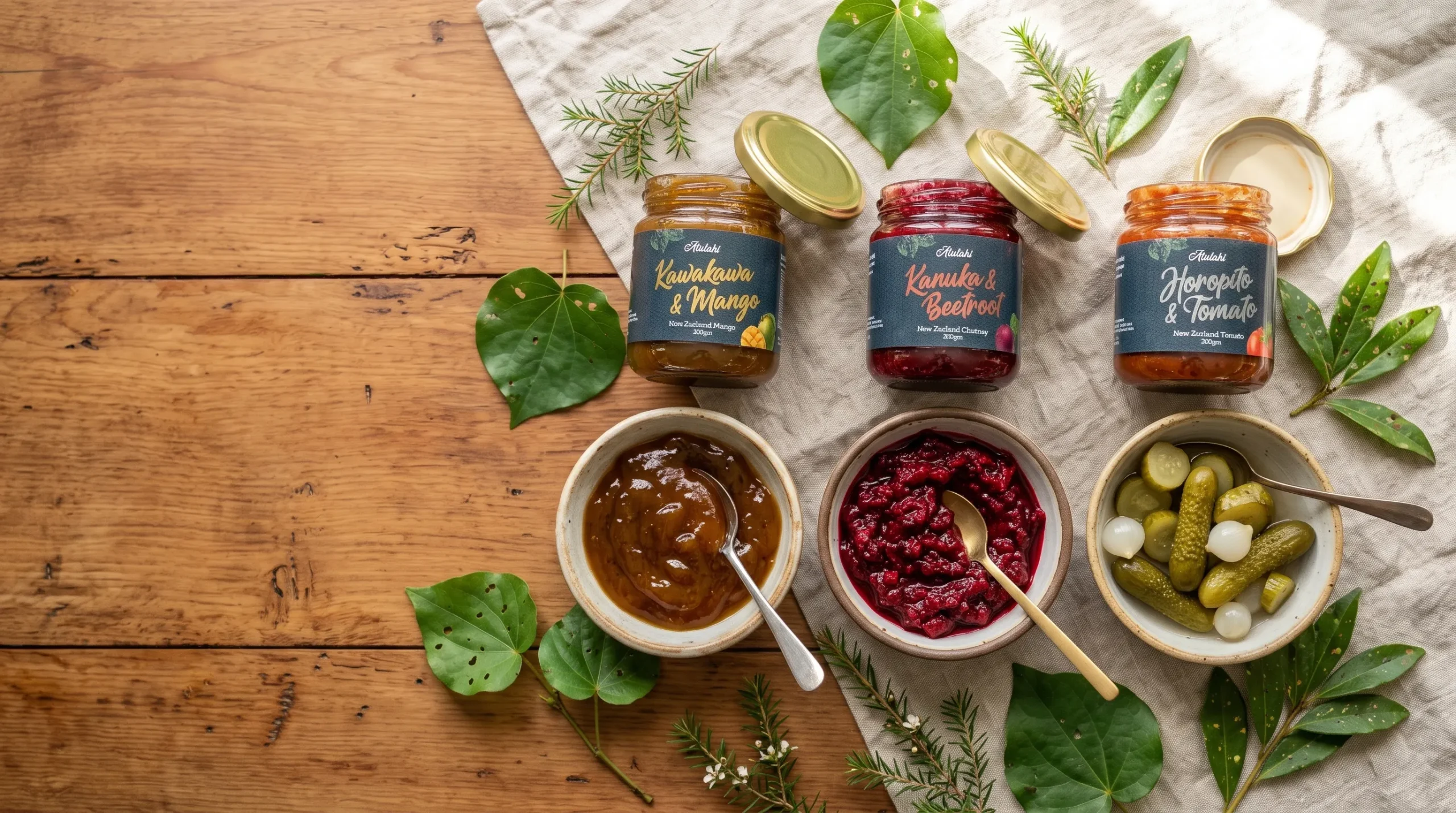
- Kawakawa Mango is the sweet, fruity one.
- Kānuka Beetroot is the rich, earthy one.
- Horopito Tomato is the savoury one with a relish-style tang.
Chutney, Relish and Pickle: What These Pantry Staples Really Are
Chutney, relish and pickle are all ways of preserving fruit or vegetables so they last longer and taste brighter. Each one uses some mix of vinegar, sugar, salt and spice. That shared toolkit is exactly why they get mixed up. The real differences show up in four places: texture, cooking method, sweetness and acidity.
Think of them as three cousins in the same family. They share the same grandparents, but each has its own personality. Chutney is the warm, mellow one. Relish is the zesty, chatty one. Pickle is the sharp, punchy one. Knowing which personality you need makes every meal easier to plan.
Chutney vs Relish vs Pickle at a Glance
Here’s the side-by-side comparison you can come back to any time.
| Feature | Chutney | Relish | Pickle |
| Texture | Soft, thick and jammy | Chunky, with a little crunch | Firm and crunchy, often whole pieces |
| Cooking method | Simmered slowly for a long time | Cooked quickly, or sometimes not at all | Soaked in vinegar or brine, often uncooked |
| Sweetness | Medium to high | Low to medium | Usually low (except sweet pickles) |
| Acidity | Gentle tang, mellowed by sugar | Bright and tangy | Sharp and sour |
| Main base | Often fruit, plus some vegetables | Often vegetables, plus some fruit | Vegetables, sometimes fruit |
| Best for | Cheese boards, curries, roasts | Burgers, sausages, sandwiches | Sides, salads, cutting rich food |
What Is Chutney?
Chutney is a slow-cooked mix of fruit or vegetables, vinegar, sugar and spices that turns soft and spreadable. The word comes from the Hindi chatni, which describes a fresh, crushed relish of herbs and spice. When the British brought the idea home, they turned it into the cooked, jar-friendly preserve most Kiwis know today.
How Chutney Is Made
Chutney gets its rich flavour from time. The ingredients simmer gently for an hour or more. As the liquid cooks away, the fruit breaks down and the sugars start to caramelise. The vinegar softens, too. What’s left is thick enough to hold its shape on a spoon. Many cooks also say chutney gets better after a few weeks in the jar, as the flavours settle and blend.
What Chutney Tastes and Feels Like
Good chutney is a balance of sweet, sour and spice. It’s usually smoother than relish, though small pieces of fruit can still show through. Because it’s mellow and rounded, it sits beautifully next to sharp cheese, cold meats and spicy curries. If you want a deeper look at fruit-based chutneys, our guide Is Mango Chutney Good for You? is a great next read.
What Is Relish?
Relish is a chopped, tangy condiment that keeps more bite and crunch than chutney. It’s made from finely diced vegetables or fruit, mixed with vinegar, a little sugar and spice. Classic examples include sweetcorn relish, cucumber relish and the green hot dog relish you see in the United States.
How Relish Is Made
Relish cooks for a much shorter time than chutney, which is why it stays chunky. The pieces are often cut small and cooked just long enough to soften slightly, sometimes only 15 to 30 minutes. Some fresh relishes aren’t cooked at all. Because less liquid cooks off, relish feels looser and lighter, with a fresher taste. It also tends to use less sugar, so the vinegar comes through more.
Why “Relish” Gets Confusing in New Zealand
In Aotearoa, many jars sold as “relish” are really closer to chutney. Classic Kiwi tomato relish, for example, is often cooked for a long time and is fairly sweet. That’s why the chutney vs relish debate feels so blurry here. A handy rule: if it’s thick, jammy and sweet, it behaves like a chutney, whatever the label says. If it’s chunky, bright and tangy, it’s acting like a relish.
What Is Pickle?
Pickle is fruit or vegetables kept in vinegar, brine or oil, usually in whole or large pieces. Think gherkins, pickled onions, pickled beetroot and dill pickles. The main goal is preservation, so the flavour is sharp and sour. The texture stays firm and crisp, because the food often isn’t cooked, or is only blanched before going in the jar.
Vinegar Pickles vs Indian Pickles (Achar)
The word “pickle” means different things in different kitchens. In New Zealand and the UK, it usually means vinegar or brine pickles. There’s also the brown, chunky sweet pickle that’s popular in ploughman’s lunches, which sits somewhere between relish and chutney. In India, achar is something else again: fruit or vegetables preserved in oil with bold spices like mustard seed and chilli. These are often fiery, salty and intense, so a little goes a long way.
The Four Things That Really Set Them Apart
Now that you know each one, let’s look at the four clues that help you tell them apart in seconds.
Texture
Texture is the quickest giveaway. Chutney is soft and spreadable. Relish is chunky with some crunch. Pickle is the firmest, often in whole slices or spears. If you can spread it like jam, it’s almost certainly a chutney.
Cooking Method
The longer it cooks, the closer it gets to chutney. Long, slow simmering makes chutney. A short cook makes relish. Little or no cooking, with a vinegar or brine soak, makes pickle.
Sweetness
Chutney is usually the sweetest of the three. The long cook concentrates the natural sugars in the fruit. Relish is lighter on sugar. Most pickles are barely sweet at all, unless they’re bread-and-butter pickles or a sweet brown pickle.
Acidity
Pickles are the sharpest, relish sits in the middle, and chutney is the gentlest. All three use vinegar, but sugar and long cooking soften chutney’s tang. That’s why chutney feels round and mellow, while pickle makes your mouth pucker.
Where Atutahi’s Native Chutneys Sit on the Scale
All three Atutahi chutneys are true chutneys, but each one sits at a different spot between sweet and savoury. They’re handmade in small batches in Whakatū (Nelson), using native botanicals that Māori have valued for generations. Each one adds a flavour you simply won’t find in a standard supermarket jar. You can read more about where they come from in From Kai to Condiment: The Story Behind Atutahi Māori Chutneys.
| Chutney | Sweetness | Acidity | Texture | Native botanical note | Leans towards |
| Kawakawa Mango | High | Gentle | Thick and fruity | Cool, peppery kawakawa | Classic sweet chutney |
| Kānuka Beetroot | Medium-high | Gentle | Rich and jammy | Light, floral, smoky kānuka | Deep, earthy chutney |
| Horopito Tomato | Medium | Bright | Thick and chunky | Warm, slow-building horopito “bush pepper” | Savoury chutney with relish-style tang |
Kawakawa Mango Chutney: The Sweet, Fruity End
Kawakawa Mango Chutney is the sweetest of the three and the most classic chutney in style. Ripe mango gives it a thick, fruity body. Kawakawa, often called the New Zealand pepper tree, adds a cool, peppery tingle that cuts through rich food. It’s lovely with creamy cheeses, grilled chicken and fish tacos. For snack ideas, see Why Kawakawa Mango Chutney Is the Perfect Healthy Snack Addition.
Kānuka Beetroot Chutney: Rich, Earthy and Jammy
Kānuka Beetroot Chutney sits right in the heart of chutney territory. It’s simmered slowly so the beetroot’s natural sugars caramelise, giving a deep crimson colour and a rich, jammy texture. Kānuka leaf adds a soft floral, slightly smoky lift. Try it with sharp cheddar or brie and you’ll see why it’s a cheese board favourite. Learn more in Kānuka Beetroot Chutney: A Natural Superfood Pairing.
Horopito Tomato Chutney: The Savoury One That Leans Towards Relish
Horopito Tomato Chutney is the most savoury of the range, with a tang and chunkiness that nods to a relish. Ripe tomatoes are reduced the traditional way, so it’s still a proper chutney. But the brighter acidity and chunky texture make it feel at home where you’d normally reach for tomato relish. Horopito, Aotearoa’s native “bush pepper”, brings a warm heat that builds slowly rather than burning like chilli. It’s brilliant on burgers, sausages and steak.
Why a Native-Botanical Chutney Earns Its Place in Your Pantry
A good chutney does more work than almost any other jar in your fridge. Here’s why Atutahi’s range is worth keeping on hand:
Real ingredients you can recognise. Each jar is made from fruit or vegetables, vinegar, sugar, spice and native leaves, with no artificial colours or flavours.
Flavours you won’t find anywhere else. Kawakawa, kānuka and horopito bring peppery, floral and warming notes that set these chutneys apart from mainstream brands. If you’re curious about these plants, Meet NZ’s Native Herbs: Kānuka, Horopito and Kūmarahou is a friendly introduction.
One jar, many meals. Chutney lifts a cheese toastie, glazes roast veges and turns a plain weeknight dinner into something special. Our 5 Easy Weeknight Dinners Elevated with Artisan Chutneys shows you how.
Made with care in Aotearoa. Every batch is small and handmade, which means more attention to balance and flavour, and more support for a Māori-owned Kiwi business.
Ready to Taste the Difference for Yourself?
The best way to understand chutney vs relish is to taste them side by side, and Atutahi makes that easy. Try a mixed six-pack like the Kānuka Beetroot and Horopito Tomato Chutneys or the Horopito Tomato and Kawakawa Mango Chutneys. Want all three flavours in one go? The Gift Rua pack includes the full chutney trio, plus native drinks and crackers.
Browse the whole range on the Atutahi shop, find a local shop on our stockists page, or get in touch with the team if you have questions about pairings or bulk orders. You can also join the Atutahi community via the newsletter sign-up at the bottom of any page for new recipes and offers.
The Last Spoonful: Choosing Your Jar With Confidence
Once you know the four clues (texture, cooking time, sweetness and tang), the chutney vs relish vs pickle question becomes simple. Reach for chutney when you want something mellow and rich. Pick a relish when you want crunch and zing. Grab a pickle when you need a sharp, sour bite to cut through something heavy.
And when you want a chutney with a story, Atutahi’s native range gives you three very different personalities from one Kiwi kitchen. Start with the flavour that matches your next meal, then build your perfect platter with our Native NZ Cheese Board Guide.
Frequently Asked Questions
The main differences are texture, cooking time and sweetness. Chutney is simmered slowly until it’s soft, thick and jammy, so it tastes sweeter and more mellow. Relish is cooked quickly or not at all, so it stays chunky and crunchy, with a brighter, tangier flavour and less sugar. Chutney often uses fruit, while relish often uses chopped vegetables, though both can use either. Texture is your quickest clue.
The fundamental difference is how long each one is cooked. Long, slow cooking breaks fruit and vegetables down and caramelises the sugars, which turns a mix into chutney. Short cooking keeps the pieces firm and the vinegar sharp, which gives you relish. Everything else, like texture, sweetness and tang, follows from that one choice in the kitchen. Cooking time is the real dividing line between them.
Most NZ supermarkets, including Woolworths, New World and PAK’nSAVE, stock a wide range of chutneys and relishes in the condiment aisle. For artisan and small-batch jars, delis, cheese shops, farm shops and weekend markets are your best bet. Atutahi chutneys are sold through selected specialty stockists around the country, listed on the Atutahi stockists page, and online with delivery to your door.
No, that’s a common myth. Chutneys are often fruit-based, but plenty use vegetables, like beetroot or tomato. Relishes are often vegetable-based, but fruit relishes exist too. The real difference is the cooking method and texture, not the main ingredient. Atutahi’s Kānuka Beetroot and Horopito Tomato chutneys are good examples of vegetable-led chutneys that are still slow-cooked and jammy.
New Zealand has a strong preserve tradition. Long-standing supermarket names include Barker’s of Geraldine and Anathoth Farm, which are easy to find. If you want something different, small-batch makers offer more unusual flavours. Atutahi, a Māori-owned business in Nelson, makes chutneys with native botanicals like kawakawa, kānuka and horopito that you won’t find in mainstream jars on the shelf.
A spicy tomato relish or chutney shines on burgers, sausages, steak and bacon sandwiches. It’s great stirred into mince, spread on a cheese toastie, or served with eggs and hash browns. You can also use it as a glaze for meatballs or roast vegetables. Atutahi’s Horopito Tomato Chutney adds a warm, slow-building pepper heat that works well in all of these, without overpowering the food.
You can buy artisan chutneys online straight from small NZ makers, which often gives you fresher stock and better value packs. Atutahi sells its Kawakawa Mango, Kānuka Beetroot and Horopito Tomato chutneys online at atutahi.nz, as six-packs, mixed packs and in gift boxes. Ordering direct also supports the maker and gives you access to bundles and gift packs you won’t usually see in stores.
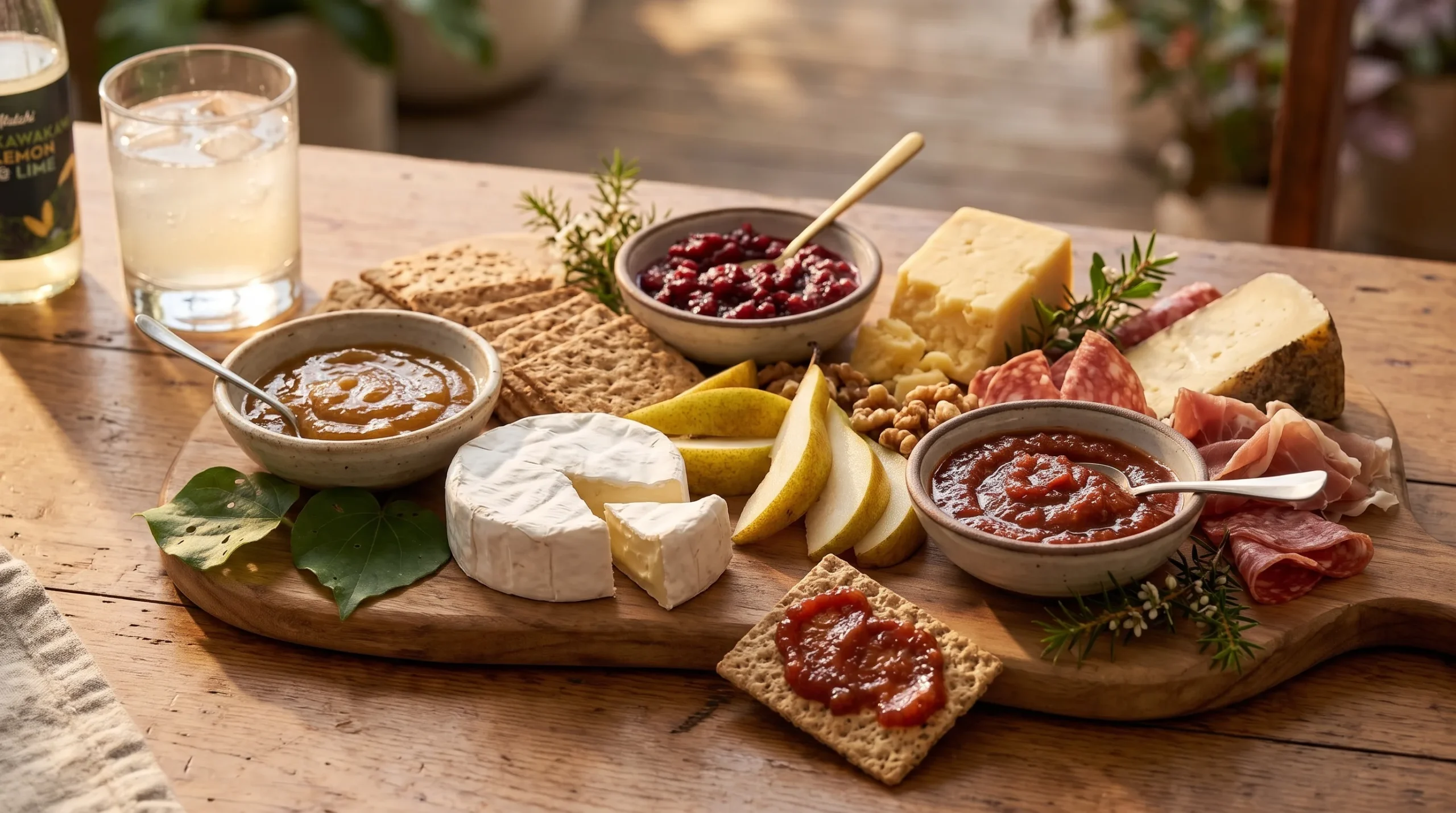
Chutney is usually the better choice for a cheese board. Its sweet, jammy texture balances salty, creamy and sharp cheeses, and it spreads easily on crackers. Relish can work too, but its sharper tang suits burgers and sausages more. A good board often has two chutneys, one fruity and one earthy, so guests can try different pairings with each cheese and find a firm favourite.
Look for chutneys with a clear sweet and savoury balance. Fruity mango chutney suits brie, camembert and soft goat’s cheese. Earthy beetroot chutney is lovely with sharp cheddar and blue cheese. A peppery tomato chutney works with aged cheddar and cured meats. Atutahi’s Kawakawa Mango, Kānuka Beetroot and Horopito Tomato chutneys cover all three of these roles neatly on one board.
In Christchurch, try local delis, specialty food stores, farmers’ markets and cheese shops, which often carry small-batch NZ chutneys. Atutahi doesn’t currently list a Christchurch stockist, but its nearest Canterbury stockist is Geraldine Cheese Company. The easiest option is to order online at atutahi.nz and have Kawakawa Mango or the other native chutneys delivered to your door.