

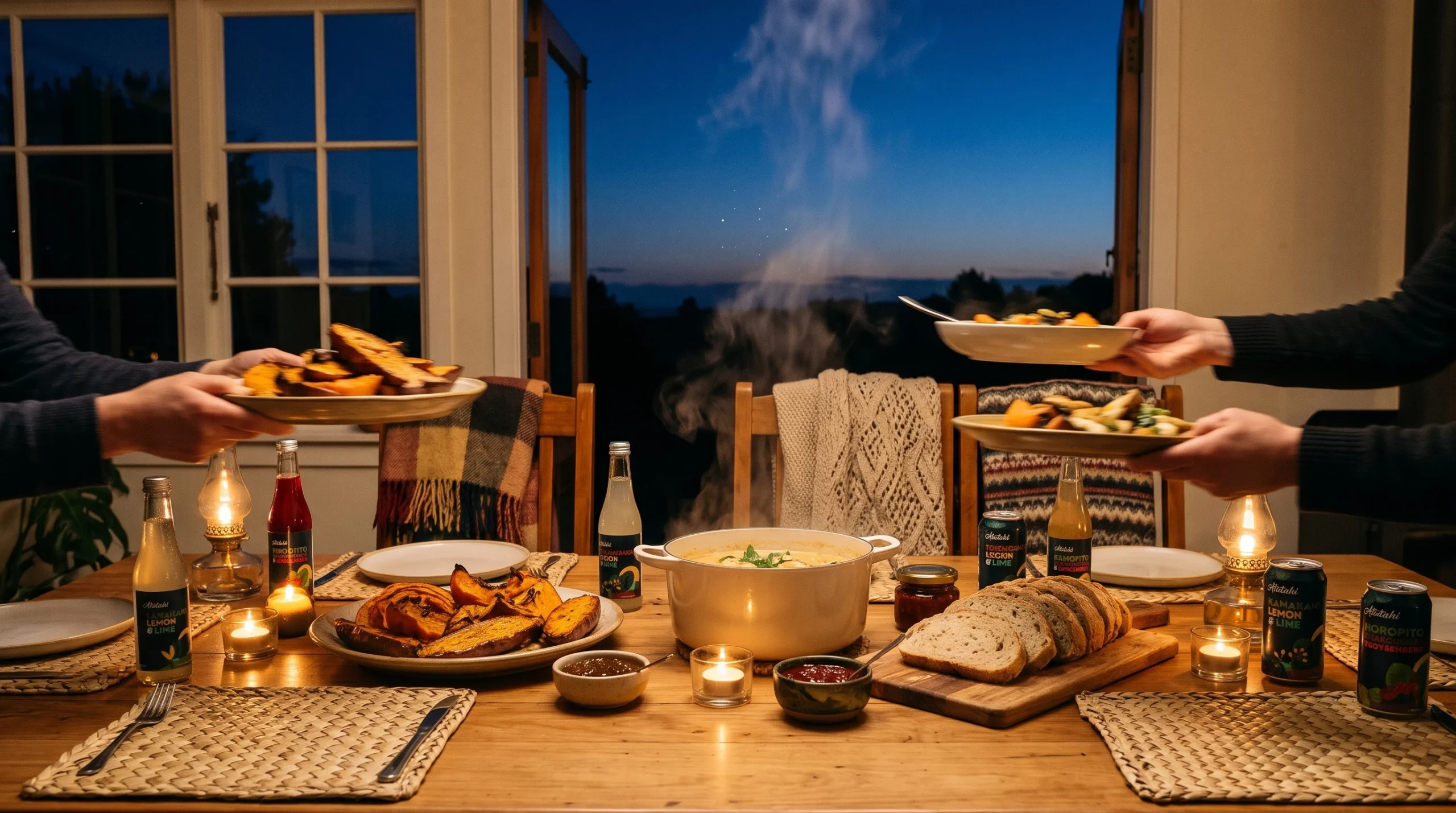
Why Your Matariki Table Matters More Than You Think
Here’s the honest problem: lots of us want to mark Matariki at home, but we’re not sure what to serve. You might feel unsure about which foods have real meaning, or worried about getting it “wrong”. So the day comes and goes with an ordinary dinner, and the chance to connect slips past.
The good news is that Matariki kai isn’t about a strict menu. It’s about gathering, giving thanks and sharing food with the people you love. Once you know the stories behind the stars, finding Matariki food ideas that feel right becomes easy and fun.
Matariki is the Māori New Year, marked when the Matariki star cluster rises in the winter sky in June or July. Food sits right at its heart. Traditionally, kai from the land, sea, fresh water and sky was cooked and offered to the stars in a ceremony called hautapu. Today, you can honour that by sharing seasonal winter food like kūmara, kaimoana, rēwena bread and hearty boil-ups, plus modern touches such as native-ingredient chutneys and botanical drinks. The 2027 public holiday falls on Friday 25 June, so now is a great time to start planning.
Key Takeaways
- Matariki is the Māori New Year, a time to remember, celebrate and plan ahead.
- The 2027 Matariki public holiday is Friday 25 June.
- Stars like Tupuānuku, Tupuārangi, Waitī and Waitā each link to a food source.
- The hautapu ceremony offers cooked kai to the stars as thanks.
- Classic kai includes hāngī, boil-up, rēwena bread, kūmara and kaimoana.
- Modern spreads can add native chutneys and botanical drinks.
- Sharing kai is about manaakitanga, not a perfect menu.
Understanding Matariki and Why Kai Brings Whānau Together
Matariki is a time to remember those who have passed, celebrate the present and plan for the year ahead. It’s named after a cluster of stars (known elsewhere as the Pleiades) that reappears in the dawn sky in midwinter. For many iwi, its rising signals the start of a new year.
You’ll hear the whakataukī “Matariki hunga nui”, which means Matariki brings people together. That’s where food comes in. Sharing kai is one of the clearest ways to show manaakitanga, the value of caring for and hosting others. If you’d like to understand this value more deeply, our guide to the art of Māori entertaining and sharing kai is a lovely place to start.
Matariki and Puanga
Some iwi mark the new year with a different star called Puanga. In places where Matariki is hard to see, Puanga (the bright star Rigel) is used instead. It’s a good reminder that traditions vary around Aotearoa, so it’s always worth asking your own whānau or local marae how they celebrate.
When Is Matariki in 2027?
The Matariki public holiday is always on a Friday, and the date moves each year. It follows the maramataka, the Māori lunar calendar. In 2027, it falls on Friday 25 June, giving you a long weekend to gather.
The Matariki Stars and the Kai Linked to Each One
Several of the Matariki stars are directly connected to food sources. Learning which star looks after which kai is one of the most meaningful Matariki food ideas you can bring to your table. It turns a meal into a story your tamariki will remember.
Here’s a simple guide to the nine stars and what each one represents:
| Star | What It Represents | Kai Connection |
| Matariki | Health and wellbeing of people | The whole shared meal |
| Pōhutukawa | Those who have passed | Remembering loved ones at the table |
| Tupuānuku | Food grown in the ground | Kūmara, potatoes, pumpkin, root veg |
| Tupuārangi | Food from above | Birds, berries, fruit from trees |
| Waitī | Fresh water | Tuna (eel), freshwater fish, kōura |
| Waitā | The ocean | Kaimoana such as mussels, pipi, fish |
| Waipunarangi | Rain | Water, the drinks you share |
| Ururangi | Winds | The weather for the year ahead |
| Hiwa-i-te-rangi | Wishes and hopes | Setting goals for the new year |
Tupuānuku and Tupuārangi: Food From the Land and Trees
Tupuānuku looks after everything that grows in the soil. Kūmara is the classic example, along with potatoes, pumpkin and other root vegetables. Tupuārangi is linked to food from up high, like fruit, berries and birds. A tray of roasted kūmara and a bowl of winter fruit honour both stars beautifully.
Waitī and Waitā: Food From Fresh Water and the Sea
Waitī connects to rivers and lakes, while Waitā connects to the ocean. Traditionally that meant tuna (eel), freshwater crayfish and fish from lakes, plus kaimoana like mussels, pipi and snapper from the sea. A simple seafood chowder or a plate of steamed mussels is a perfect nod to these two stars.
Hiwa-i-te-rangi: The Wishing Star
Hiwa-i-te-rangi is the star you send your hopes to for the year ahead. It isn’t tied to one food, but many families use the meal to share their wishes out loud. Try going around the table and asking everyone to name one goal. It’s a small ritual that makes the meal feel special.
What Is the Hautapu Ceremony?
The hautapu is a traditional ceremony where food is cooked and offered to the Matariki stars. It usually happens before dawn, as the cluster rises. Kai from the land, sea, fresh water and sky is cooked in an umu or hāngī, and the steam rises up to “feed” the stars.
Leading Māori astronomer Dr Rangi Matamua has done a huge amount to bring this practice back into everyday knowledge. You don’t need to hold a formal hautapu at home, but understanding it helps you see why food matters so much at this time of year. It’s about gratitude for what the land and sea provide.
Traditional Kai Shared at Matariki Today
The most common Matariki kai is warm, hearty and made for sharing. It’s midwinter, after all. These dishes have been passed down through generations and still turn up at marae, schools and family homes every year.
Hāngī and Boil-Up
A hāngī, where food is cooked in an earth oven, is the heart of many big Matariki gatherings. Meat, kūmara, pumpkin and stuffing come out smoky and tender. At home, a boil-up of pork bones, pūhā or watercress, potatoes and doughboys is just as loved and far easier to make.
Rēwena Bread
Rēwena is a Māori potato bread made with a fermented potato starter called a bug. It’s slightly sour, soft inside and perfect with butter or soup. If you have a whānau recipe, Matariki is the ideal time to bake it together.
Kaimoana and Seasonal Vegetables
Fresh kaimoana and in-season vegetables keep the meal tied to Waitā and Tupuānuku. Mussels, pipi and fish sit well alongside roasted kūmara, pumpkin and greens. If you want more ideas for cooking with native flavours, have a look at Māori flavours you can cook with.
Modern Matariki Food Ideas for Your Home
You can honour tradition and still keep things easy. Modern Matariki food ideas often blend classic kai with simple, shareable dishes and native ingredients. Here are a few ways to do it.
Build a Native Grazing Board
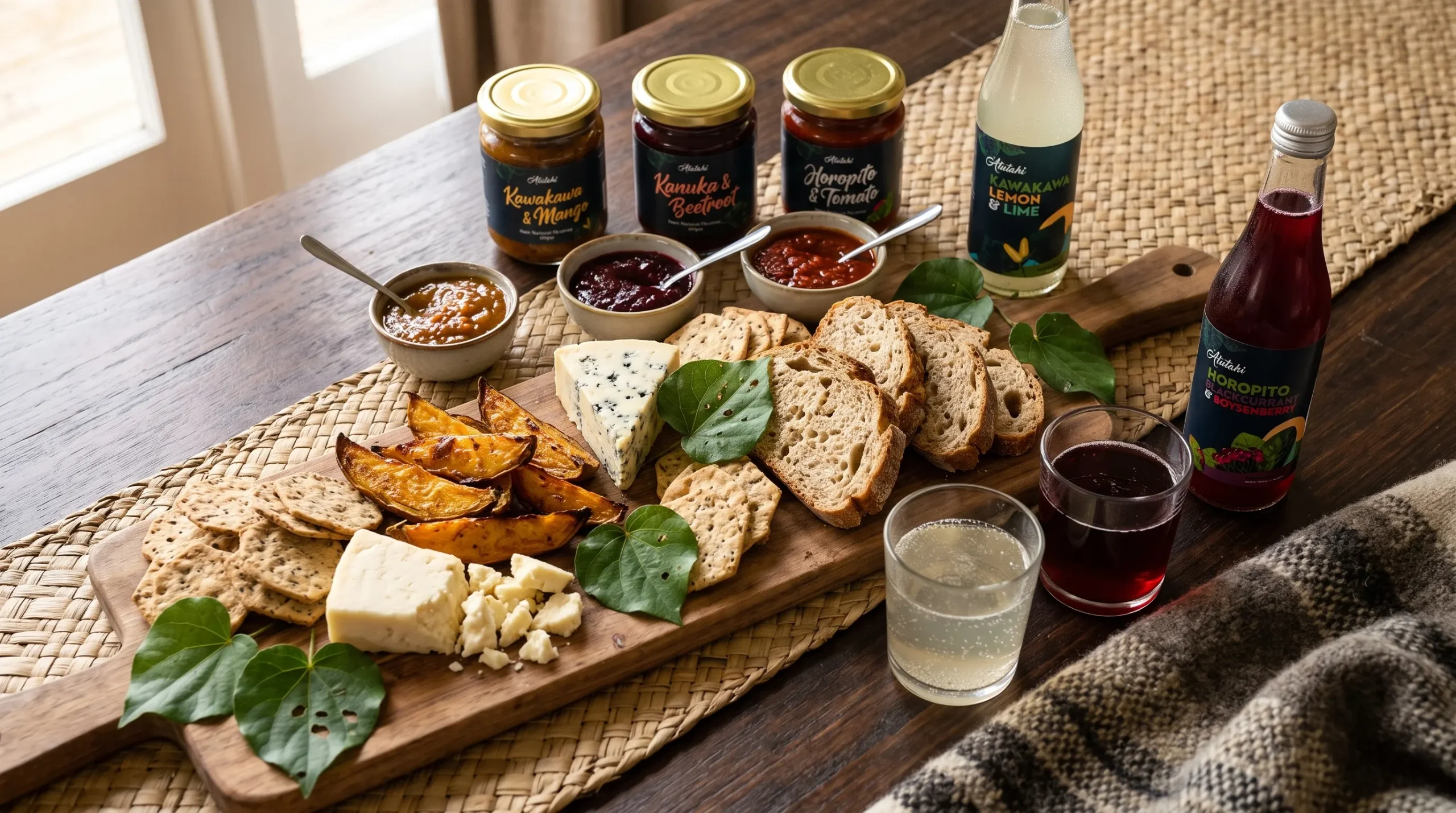
A grazing board is one of the simplest ways to feed a crowd without spending all day cooking. Add cheeses, crackers, cold meats, roasted kūmara wedges and fresh bread. Then bring in native flavour with chutneys. The Kawakawa & Mango Chutney adds a gentle, peppery sweetness, while the Kānuka & Beetroot Chutney brings an earthy colour that suits the season. For a step-by-step layout, our native NZ cheese board guide walks you through it.
Add Chutney to Your Hot Dishes
Chutney isn’t just for cheese. The Horopito & Tomato Chutney has a warm, subtle spice from horopito, New Zealand’s native pepper plant, which works brilliantly with roast pork, sausages or a hāngī-style tray bake. Spoon it beside your meat and watch it disappear.
Plan a Shared Potluck
A potluck takes the pressure off one host and makes the meal truly communal. Give each guest a “star” and ask them to bring a dish linked to it. One person brings something from Tupuānuku, another from Waitā, and so on. It’s fun, it teaches everyone the stories, and you end up with a full table.
What to Drink at Matariki
Water is the traditional drink, and it links to Waipunarangi, the star of rain. Today, many families also want something special that suits a whānau gathering with tamariki and kaumātua. Low-sugar, alcohol-free drinks work well because everyone can share them.
Native botanical drinks are a natural fit. The Kawakawa Lemon & Lime is fresh and zesty, the Kūmarahou Lemon & Lime draws on a plant long valued in rongoā Māori during winter, and the Horopito Blackcurrant & Boysenberry has a rich berry flavour kids love. Grab the Mixed 15 Pack so guests can try all three. You can learn more about these plants in our post on why kūmarahou matters in winter.
For a warm option, steep a few dried kawakawa leaves in hot water for a simple tea. Our guide to the best non-alcoholic drinks in NZ has more ideas too.
Key Benefits of a Native-Ingredient Matariki Spread
Bringing native ingredients to your Matariki table does more than add flavour. It helps you connect the meal to the land and the stories behind it.
First, it makes the meaning easy to share. When your tamariki taste horopito or kawakawa, you can tell them where those plants grow and why they matter. Second, it saves time. A few good chutneys and ready-to-pour drinks turn a simple spread into something that feels thoughtful. Third, it supports Māori-owned businesses, which is a practical way to live Matariki values all year round. You can read more about this in our guide to Māori-owned wellness brands in NZ.
| Your Goal | Simple Matariki Idea |
| Feed a big group easily | Grazing board with native chutneys |
| Teach tamariki the stories | Star-themed potluck |
| Keep it alcohol-free | Botanical drinks and kawakawa tea |
| Honour tradition | Boil-up, rēwena and roasted kūmara |
| Bring a koha | A native gift pack |
Ready to Set Your Matariki Table?
You don’t need a perfect plan, just good kai and the people you love. Start with one traditional dish, add a native chutney or two, and pour a drink everyone can share.
If you’re heading to someone else’s home, a gift pack makes a thoughtful koha. The Gift Rua and Gift Whā packs combine chutneys and drinks in one box. You can shop the full range online, find a store near you on our stockists page, or contact the Atutahi team if you’re planning a larger gathering and need help with quantities.
Bringing Matariki Home, One Shared Plate at a Time
Matariki kai is simple at its core: good food, shared with care, under the winter stars. Whether you cook a full hāngī or set out a grazing board with chutneys and botanical drinks, what matters is gathering your whānau and giving thanks.
Use the stars as your guide. Pick a dish from the land, one from the sea, and a drink everyone can enjoy. Share a memory for Pōhutukawa and a wish for Hiwa-i-te-rangi. Then plan ahead, because Matariki will be here sooner than you think. When you’re ready, explore the Atutahi range and bring a taste of Aotearoa to your table.
Frequently Asked Questions
Easy Matariki food ideas include a pork-bone boil-up with watercress and doughboys, roasted kūmara and pumpkin, steamed mussels or a seafood chowder, and fresh rēwena bread. For almost no cooking, set out a grazing board with cheese, crackers, roast veg and native chutneys. Pair it with low-sugar botanical drinks so the whole whānau can share the same table. Keep it simple and enjoy the gathering.
Traditional Māori foods for a Matariki feast include hāngī meat and vegetables, kūmara, pūhā or watercress, boil-up, rēwena bread and kaimoana like mussels, pipi and fish. Tuna (eel) and freshwater kōura connect to the star Waitī. These foods link back to the stars that look after the land, sea and fresh water, which gives your feast real meaning. Ask your whānau which dishes they grew up with, too.
You can find kūmara, pumpkin, watercress and kaimoana at supermarkets, farmers’ markets and local fishmongers across New Zealand. Māori food producers and marae-led markets often sell pūhā, rēwena and native products. For native-ingredient chutneys and botanical drinks, you can shop online at Atutahi or visit one of their stockists around the country. Buy kaimoana fresh and close to the day.
You can find modern Matariki kai recipes through Te Papa, local councils, Māori food writers and cooking shows that celebrate Te Ao Māori. Many schools and kura also share whānau recipes each year. Blogs from Māori-owned food brands, including Atutahi, offer ideas like native grazing boards and chutney pairings that blend traditional kai with easy modern dishes. Your own whānau recipes count too.
Several New Zealand meal kit companies release Matariki-themed boxes each winter, usually featuring kūmara, kaimoana or slow-cooked meats with simple recipe cards. Check the big national meal kit providers and local Māori food businesses from May onwards, as options change each year. You can also build your own kit with seasonal produce plus native chutneys and botanical drinks. It’s often cheaper.
For a large Matariki gathering in Auckland, look for caterers who offer hāngī, kaimoana platters or Māori-inspired menus. Many Māori-owned caterers and marae-based kitchens provide hāngī for big groups. Book early, as June and July are busy. Ask about dietary needs, delivery and serving staff. Adding native chutneys and alcohol-free drinks can round out any catered menu. Get quotes from a few providers.
Many New Zealand restaurants run special Matariki menus each winter, often featuring native herbs like kawakawa and horopito, kūmara, kaimoana and seasonal game. Search your city’s Matariki event listings, local council websites and booking apps from May onwards to see what’s on near you. Book early, as Matariki weekend tables fill quickly, especially in main centres. Weekday lunches are often easier to book.
Give each guest one of the Matariki stars and ask them to bring a matching dish. Tupuānuku could be a kūmara salad, Waitā a fish pie, and Tupuārangi a fruit crumble. Add a native grazing board with chutneys and serve botanical drinks for Waipunarangi. Finish by sharing wishes for Hiwa-i-te-rangi. It’s simple, meaningful and great fun for all ages. Ask the kids to explain what their star means.
Yes, some New Zealand businesses sell Matariki food boxes and hampers online each year. These may include native-ingredient sauces, chutneys, drinks, kūmara treats or baking. If you can’t find a dedicated Matariki box, a native gift pack works just as well. Atutahi gift packs combine chutneys and botanical drinks, making them an easy koha to bring to a gathering. Order early for winter delivery.
Matariki falls in midwinter, so in-season produce includes kūmara, pumpkin, potatoes, parsnips, leeks, cabbage, silverbeet, broccoli and cauliflower. Winter fruit like mandarins, oranges, lemons, kiwifruit, apples and tamarillos are also easy to find. Kaimoana such as mussels are widely available. Cooking with what’s in season honours the stars Tupuānuku and Tupuārangi. It’s usually fresher and cheaper.