

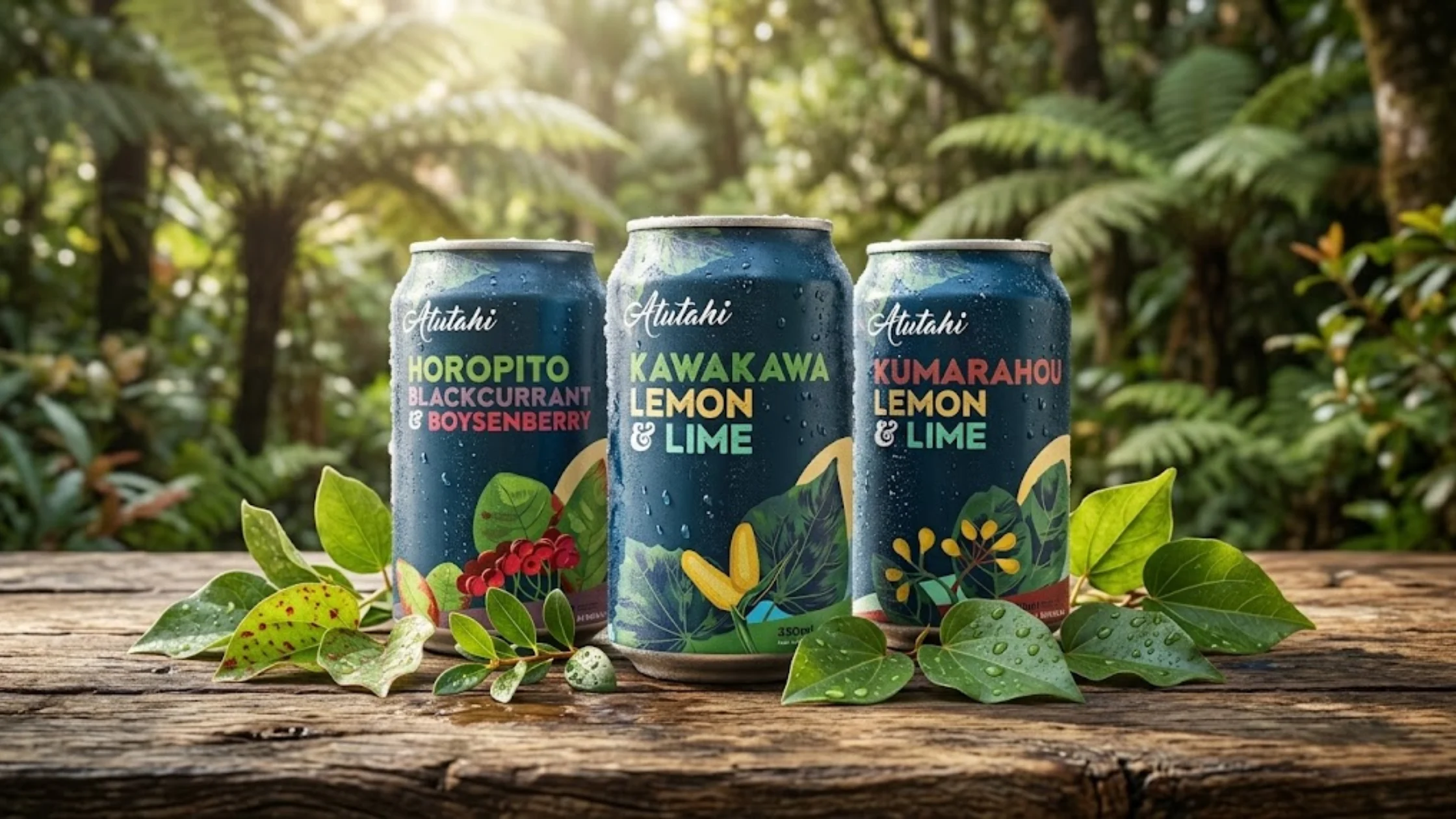
Why This Story Matters Right Now
Here’s the honest problem: most “natural” wellness drinks on New Zealand shelves borrow the look of nature without any of its knowledge. A leaf on the label doesn’t mean a plant was chosen with care, harvested with respect, or understood at all. For a country sitting on centuries of Rongoā Māori — one of the oldest continuous healing systems in the world — that’s a real gap. You deserve better than borrowed imagery.
Rongoā Māori is the traditional Māori healing system built on rākau rongoā (plant remedies), physical therapies, and wairua (spiritual wellbeing). It’s not a wellness trend — it’s mātauranga passed down through generations, and it’s now shaping how New Zealanders think about natural health, with ACC reporting that 40% of people who access rongoā through them are non-Māori. Atutahi’s drinks are built on this foundation, starting with founder Reni Wereta-Gargiulo’s own kawakawa story, and using ingredients like kawakawa, kūmarahou, and horopito the way her whānau always has. Keep reading to see what rongoā Māori actually involves, how it shapes every Atutahi bottle, and how you can bring it into your own routine.
Key Takeaways
- Rongoā Māori is a traditional healing system built on rākau rongoā (plant remedies), physical therapies, and wairua (spiritual wellbeing)
- Around 40% of people accessing rongoā through ACC-funded services are non-Māori, showing its growing mainstream reach
- Atutahi’s founder, Reni Wereta-Gargiulo, began the brand after using kawakawa for her own arthritic pain
- Kawakawa, kūmarahou, and horopito each have centuries of documented use within rongoā rākau
- Ingredients are harvested from Te Waipounamu with karakia and tikanga, not mass-produced from a supplier catalogue
- Interest in rongoā Māori is expected to keep growing as more whānau reclaim and share this knowledge
What Is Rongoā Māori?
Rongoā Māori is the traditional Māori system of healing. It brings together rākau rongoā (herbal remedies made from native plants), physical therapies such as mirimiri (massage), and wairua (spiritual) elements like karakia (prayer). It isn’t one single treatment — it’s a whole way of understanding health, where illness is seen as an imbalance between a person and the natural world around them, and healing means restoring that balance.
This knowledge was traditionally passed down orally, whānau to whānau, alongside a tohunga (an expert healer), rather than written in textbooks. That’s part of why sourcing matters so much when anyone writes about rongoā online — it isn’t generic folklore, it’s living, specific knowledge that belongs to particular people and places.
Atutahi draws specifically on kawakawa, kūmarahou, and horopito in its wellness drinks, three plants with a long, documented history in rongoā rākau. Later in this article, you’ll see exactly how each one is used and why the brand’s founder chose them.
A Quick History Worth Knowing
Rongoā Māori has not had a smooth, unbroken run. The Tohunga Suppression Act of 1907 pushed traditional healing underground for decades, and much of that knowledge was protected quietly within whānau rather than shared openly. The Act wasn’t repealed until 1962, and it’s only in the past few decades — alongside a broader resurgence of te ao Māori — that rongoā has been able to step back into the light.
Today, Rongoā Māori is recognised by Health New Zealand and supported through ACC-funded services, with growing evidence that it plays a meaningful role in whānau wellbeing, cultural connection, and recovery from injury or illness. That history is worth knowing, because it explains why authenticity and correct attribution matter so much when a brand says it’s “inspired by” rongoā. It’s not just marketing language — it’s someone’s inheritance.
From Ngahere to Bottle: How Atutahi Connects to Rongoā Māori
This is the part a generic wellness brand can’t copy, because it’s a specific story about specific people.
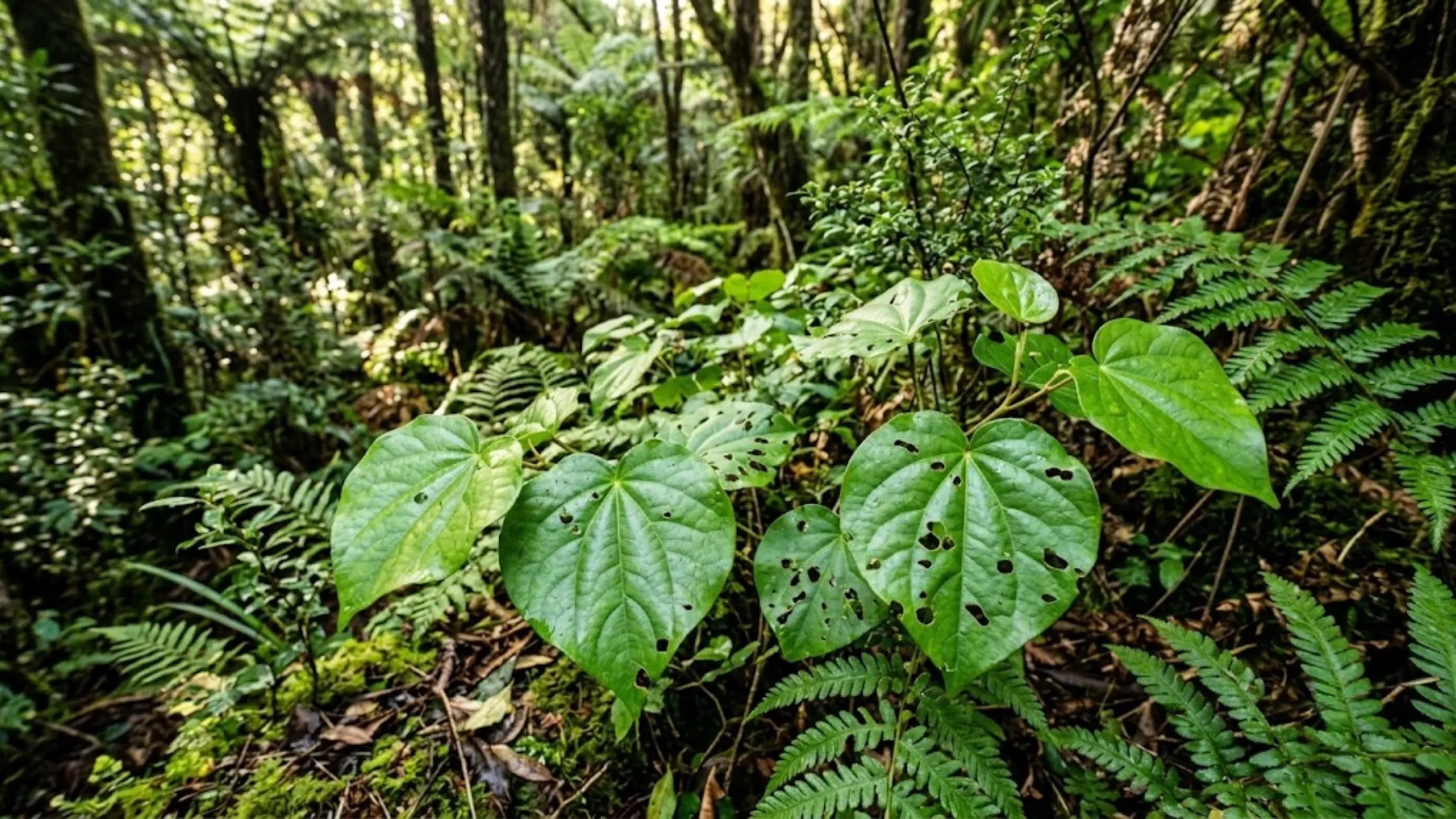
Atutahi’s founder, Reni Wereta-Gargiulo, didn’t set out to build a drinks company. She turned to kawakawa leaves — the same plant her ancestors had used as rongoā for generations — when arthritic pain in her hands had her reaching for more and more artificial pain relief. Kawakawa had long been valued for easing stomach and rheumatic pain and helping heal cuts and skin complaints, so Reni began testing it as a tonic, experimenting with different flavours until something worked. She shared it at her local market, the feedback was glowing, and from there Atutahi grew — with her partner Andrew and, eventually, their wider whānau joining the harvest.
That whānau still gathers kawakawa, kūmarahou, and horopito from key sites across Te Waipounamu (the South Island), guided by tikanga. A karakia is performed when leaves and other ingredients are harvested, before anything ever reaches a bottle. That’s a genuinely different starting point to a lab sourcing “botanical extract” from a supplier catalogue, and it’s the kind of first-hand, brand-specific detail that no generic summary of rongoā Māori could ever reproduce.
Kawakawa, Kūmarahou and Horopito — The Plants Behind Every Bottle
Each plant in Atutahi’s range has its own place within rongoā rākau, and its own reason for being there.
Kawakawa has been used by Māori for centuries for its anti-inflammatory, antimicrobial, and pain-relieving properties. Traditionally brewed as a tea or tonic, it has been used for everything from digestive discomfort to toothache, and it’s naturally rich in antioxidants and vitamin C — useful support during cold and flu season.
Horopito contains a compound called polygodial, which gives it strong antifungal and antibacterial properties. It has long been used as a tonic for coughs, colds, and respiratory complaints, and the leaves can also be steeped to ease tooth and stomach pain.
Kūmarahou is prized for its flavonols and ellagic acid, which support digestive and seasonal health. Traditionally taken as a tonic for bronchial and digestive complaints, it’s considered a gentle, natural way to help the body clear congestion.
None of these are presented as miracle cures, and neither is Atutahi’s range. They’re ingredients with genuine, centuries-long track records, used the way they’ve always been used — just carried into a modern bottle instead of a traditional tonic cup.
Key Benefits of Choosing Rongoā-Based Wellness Drinks
Once you understand what’s actually behind these plants, the appeal is easy to see:
| Benefit | Why it matters to you |
| Whakapapa-backed sourcing | Every ingredient has a documented history in rongoā rākau, not a marketing invention |
| Karakia-guided harvesting | Ingredients are gathered with tikanga, not stripped from the whenua at scale |
| Multi-generational testing | These plants have been used and refined by Māori for centuries, not tested in a single lab study |
| Real cultural connection | You’re supporting a Māori-owned, whānau-run business rooted in Te Waipounamu |
| No sugar overload | Rongoā-based drinks give you flavour and function without relying on sugar to do the work |
This is the difference between a drink that mentions Māori ingredients and one that’s genuinely shaped by rongoā Māori from the ground up.
Why Rongoā Māori Is Shaping the Future of Wellness in Aotearoa
You’re not imagining it — interest in rongoā Māori is growing fast, and not only within Māori communities. ACC has reported that around 40% of the people accessing rongoā through their funded services are non-Māori, a sign that this knowledge is increasingly seen as a genuine, mainstream pathway to wellbeing rather than a niche alternative.
Researchers, including work coming out of the University of Canterbury, point to a similar future: as more whānau reclaim and share rongoā knowledge, and as health providers look for culturally grounded, sustainable approaches to wellbeing, rongoā Māori is positioned to grow rather than fade. For a wellness drinks category that’s often chasing the next imported “superfood” trend, that’s a meaningful shift — the most powerful ingredients might already be growing here in Aotearoa.
For Atutahi, that future looks like more people discovering kawakawa, kūmarahou, and horopito not as buzzwords, but as plants with a real story, a real whānau, and a real place in New Zealand’s wellness culture.
There’s also a practical side to this shift. As more whānau reconnect with rongoā knowledge, sustainable harvesting practices are becoming part of the conversation too — how much is taken, from where, and with what care for the whenua left behind. That’s not a side issue for a brand like Atutahi; it’s built into how the ingredients are gathered in the first place, with only what’s needed taken from each site and karakia performed before harvesting begins. It’s a slower, more deliberate way of working than large-scale agriculture, but it’s also the only way this knowledge stays intact for the next generation to inherit.
Bringing Rongoā Māori Into Your Daily Routine
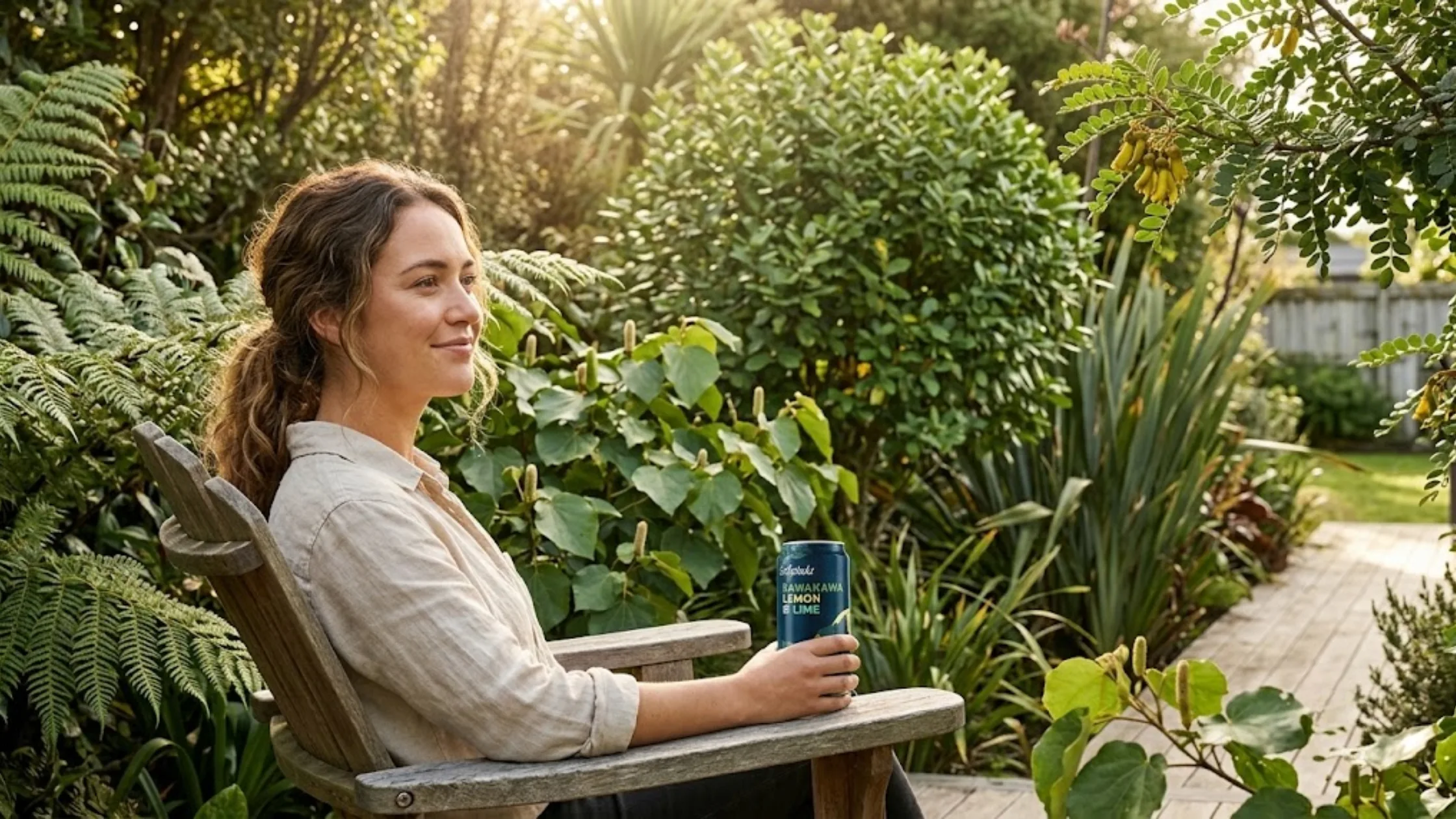
You don’t need to overhaul your whole lifestyle to bring a bit of rongoā-inspired wellbeing into your week. A kawakawa-based drink alongside breakfast, a horopito tonic on a cold morning, or a kūmarahou drink after a workout are all simple, low-effort ways to start. The idea isn’t to replace anything in your routine overnight — it’s to swap out one habit at a time, the same way Reni first swapped artificial pain relief for a kawakawa tonic, and see how it feels.
If you’re curious to go deeper, our guide on rongoā Māori plants for daily wellness walks through more ways to weave these ingredients into everyday life, and our piece on how rongoā Māori connects to modern wellness explores where traditional and contemporary health thinking overlap. For a broader look at the herbs behind New Zealand’s wellness culture more generally, Māori ingredients and their benefits is a useful next read, alongside deeper dives into kawakawa tea and gut health, kūmarahou and respiratory support, and horopito as a natural anti-inflammatory.
If you’d like to understand the full family of native ingredients Atutahi works with, meet the Māori botanicals behind Atutahi and see how native NZ botanicals compare to imported adaptogens that dominate so much of the wellness aisle.
Start Your Own Rongoā Ritual With Atutahi (Your Next Step)
You’ve read the history, met the founder behind the brand, and learned exactly which plants go into every can. The next step is simple: taste it for yourself.
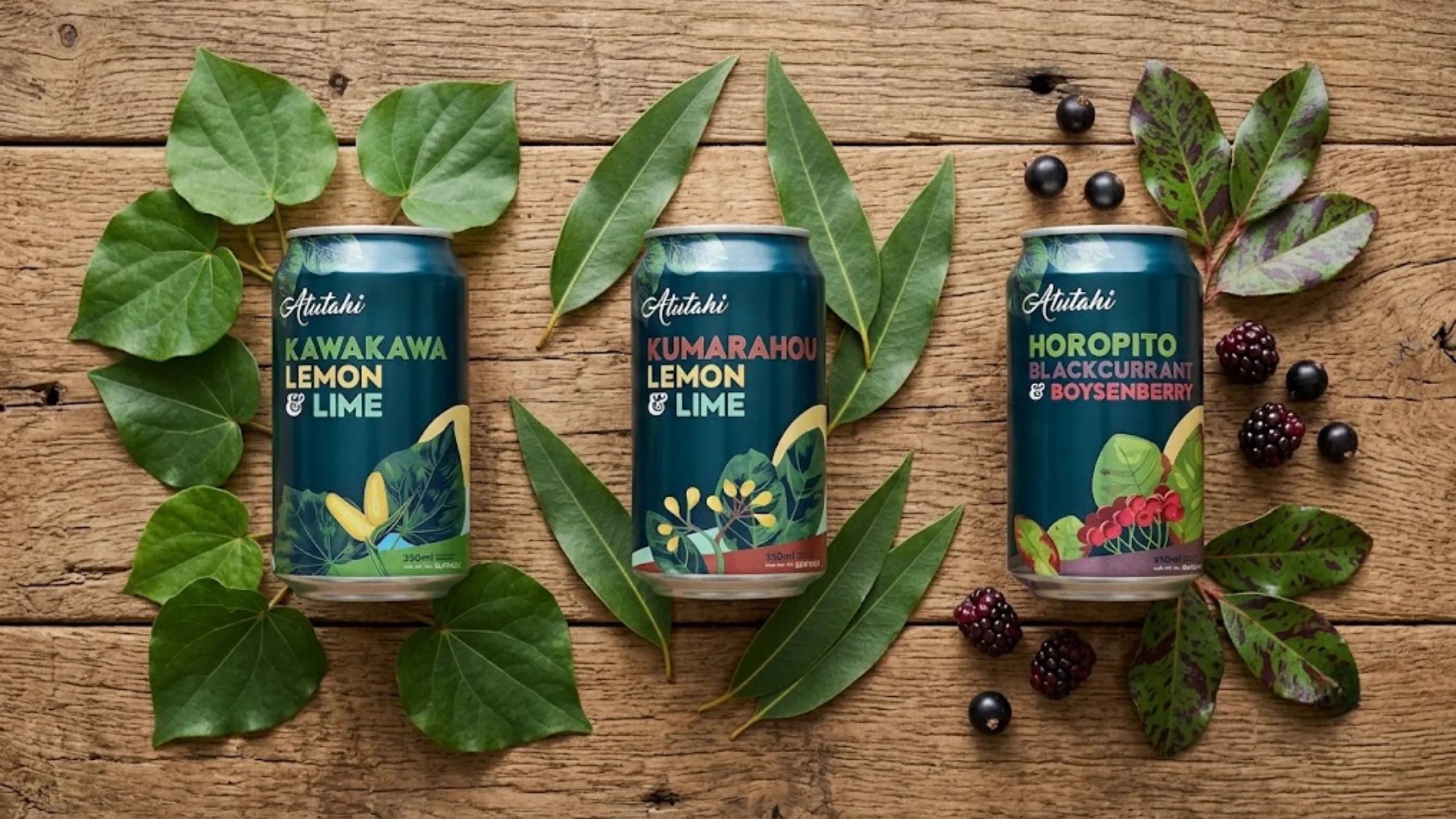
Explore the full Atutahi range and find the flavour that fits your routine, whether that’s Kawakawa Lemon & Lime for gut-friendly refreshment, Kūmarahou Lemon & Lime for everyday respiratory support, or Horopito Blackcurrant & Boysenberry for a warming, antioxidant-rich pick-me-up. You can also see where to try Atutahi in person on our stockists page, or get in touch if you have questions about ingredients, sourcing, or wholesale.
A Living Tradition, Bottled with Respect
Rongoā Māori isn’t a trend Atutahi jumped on — it’s the reason the brand exists at all. From Reni’s own kawakawa story to the karakia performed at every harvest, this is a wellness drinks range built on knowledge that’s been proven for generations, not invented for a label. As more of Aotearoa rediscovers what its own whenua has always offered, drinks like these aren’t just refreshing — they’re a small, everyday way to carry a much older tradition forward.
Frequently Asked Questions
Rongoā Māori is the traditional Māori system of healing. It includes rākau rongoā (plant-based remedies), physical therapies such as massage, and wairua (spiritual) practices like karakia, all aimed at restoring balance between a person and the natural world around them.
Many rongoā plants, including kawakawa and horopito, have documented antimicrobial and anti-inflammatory properties studied by researchers. Rongoā itself is a holistic, cultural practice rather than a clinical treatment, so it’s best seen as a complement to, not a replacement for, medical care.
Common rongoā rākau plants include kawakawa, harakeke, horopito, kūmarahou, and kōwhai, among more than 200 native species. Each has traditionally been used for specific purposes, from digestive support to skin healing and respiratory relief.
Yes. ACC data shows around 40% of people accessing funded rongoā services are non-Māori, reflecting its growing recognition as a genuine wellbeing pathway for all New Zealanders, alongside its deep cultural significance for Māori.
Kawakawa has anti-inflammatory, antimicrobial, and pain-relieving properties. It has traditionally been used as a tea or tonic for digestive discomfort, skin conditions, and general immune support, and is rich in antioxidants and vitamin C.
Kūmarahou has traditionally been taken as a tonic for bronchial and digestive complaints. It contains flavonols and ellagic acid, which support the body’s natural detoxification and help ease seasonal congestion.
Horopito contains polygodial, a compound with strong antifungal and antibacterial properties. It has traditionally been used for coughs, colds, and respiratory conditions, and its leaves can be steeped to relieve tooth or stomach pain.
Atutahi was founded by Reni Wereta-Gargiulo after she used kawakawa to manage her own arthritic pain. The brand’s kawakawa, kūmarahou, and horopito are harvested from Te Waipounamu with karakia and tikanga, following practices passed down through her whānau.
Rongoā rākau was suppressed under the Tohunga Suppression Act 1907, repealed in 1962. Today, rongoā Māori is recognised by Health New Zealand and supported through ACC-funded services, though it isn’t regulated as “medicine” under the Medicines Act.
You can shop the full range online through the Atutahi products page or find a stockist near you via the stockists page.