

Why Your Wellness Routine Might Be Missing Something Very Local
Here’s an honest problem: most wellness advice you read online comes from somewhere else. Turmeric from India. Ashwagandha from the Himalayas. Matcha from Japan. All good things — but if you live in Nelson Tasman, or anywhere in Aotearoa, there’s a whole cabinet of plants growing closer to home that most people have never tried. That’s the gap this guide fills.
Indigenous ingredients wellness means using native New Zealand plants — like kawakawa, horopito and kūmarahou — that Māori have relied on for generations, now available in easy everyday products like drinks, chutneys and soap. You don’t need to overhaul your routine. Swap one existing habit, like a sugary drink, for one of these instead, and you’re already doing it. Keep reading for what each plant does, how to start, and a real customer’s routine using them.
Key Takeaways
- Indigenous ingredients wellness means using native New Zealand plants like kawakawa, horopito and kūmarahou in your everyday routine.
- These are traditional rongoā Māori ingredients, not clinical treatments — always check with a professional for specific health concerns.
- The easiest way to start is by swapping one existing habit, not adding a new one.
- Kawakawa suits digestion and skincare, horopito suits flavour and a peppery kick, kūmarahou suits a gentler introduction.
- Where the ingredients come from matters — Atutahi sources directly from growers around Nelson Tasman.
What Are Indigenous Ingredients?
Indigenous ingredients are plants and foods that are native to a specific place and have a long history of use by the people who live there. In New Zealand, this mostly means rongoā Māori — the traditional Māori system of plant-based wellness that’s been passed down for hundreds of years.
You’ve probably heard of a few without realising it. Kawakawa, the heart-shaped leaf with little holes chewed by insects, is one of the most recognised native plants in the country. Horopito, sometimes called the “bushman’s pepper,” has a sharp, peppery bite. Kūmarahou is a soft yellow-flowered shrub known in some circles as “gumdigger’s soap.” Each one has its own traditional use, its own flavour, and its own place in a daily routine — and none of them require you to become an expert in botany to benefit from them.
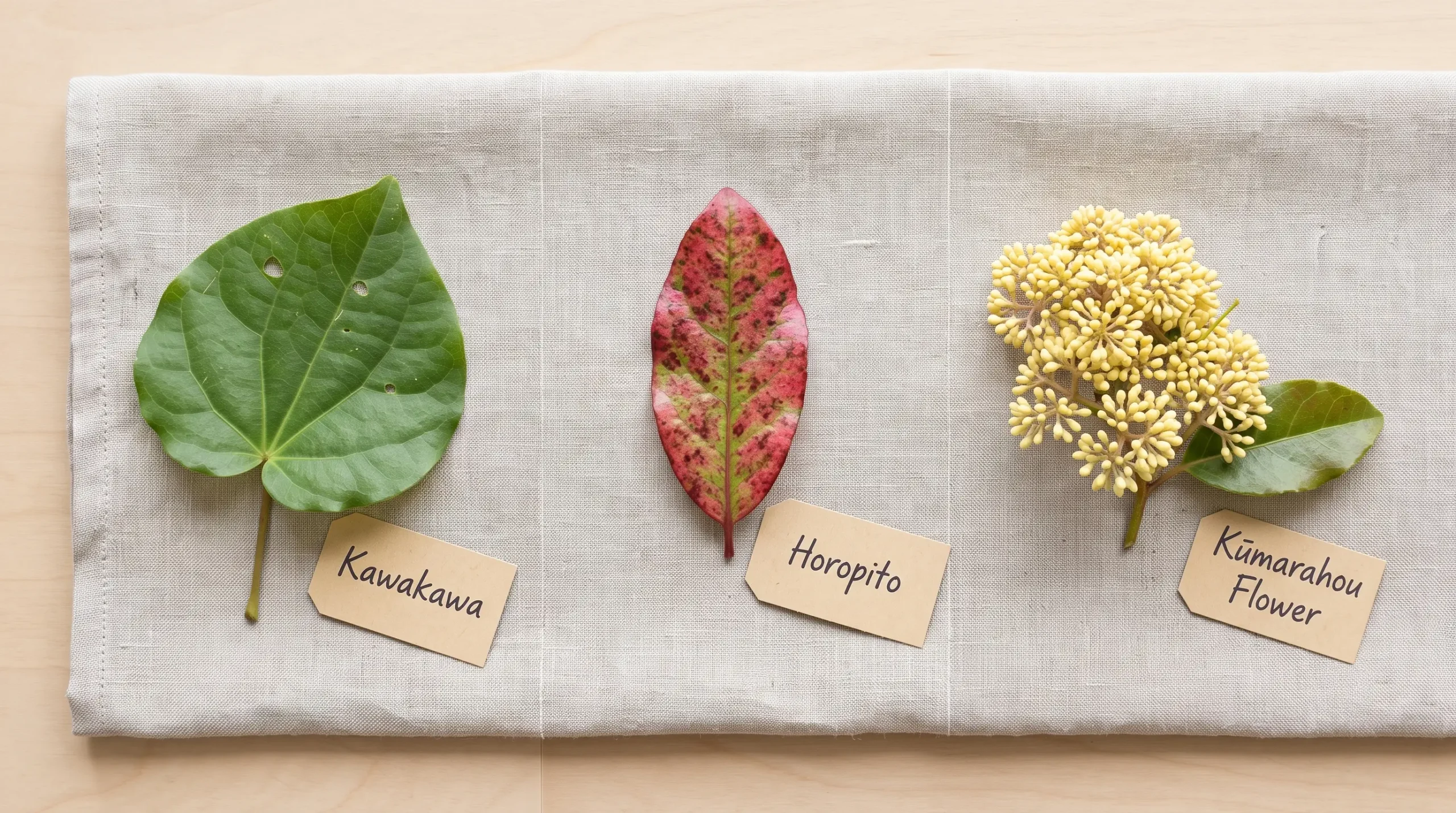
Meet the Plants: A Quick Native Ingredient Primer
Kawakawa — The Everyday Digestive Leaf
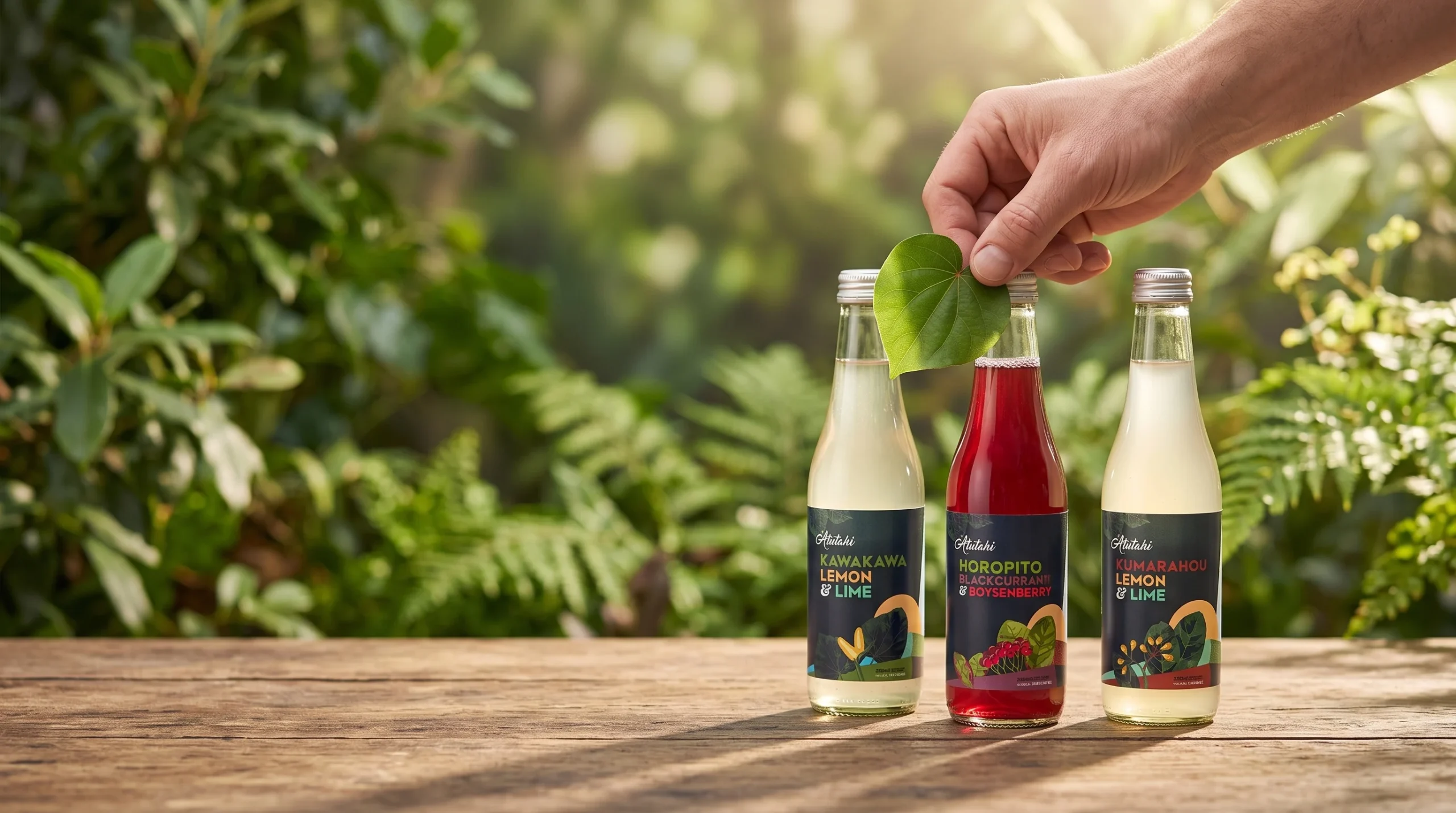
Kawakawa has long been used in Māori tradition to support digestion and general wellbeing, often taken as a warm infusion after a meal. It has a mild, slightly peppery taste that works well in both drinks and skincare, which is why you’ll find it in kawakawa-based drinks and in kawakawa soap. If you want the fuller story, Atutahi’s guide to kawakawa tea and gut health goes deeper into its traditional and modern uses.
Horopito — The Peppery Native with Punch
Horopito is a native shrub with a distinctive, fiery flavour, traditionally valued in rongoā Māori. It’s often paired with fruit like blackcurrant and boysenberry to balance its bite, which is exactly how you’ll find it in Atutahi’s horopito blackcurrant and boysenberry drink. For more detail on how this plant has been used through the seasons, see Atutahi’s piece on horopito as a natural remedy.
Kūmarahou — The Gentle Native Shrub
Kūmarahou has traditionally been associated with respiratory wellness in Māori practice, often prepared as a tea. It has a softer, more subtle flavour than horopito, making it an easy entry point if you’re trying native ingredients for the first time — try it in Atutahi’s kūmarahou lemon and lime drink. Atutahi’s kūmarahou respiratory support guide covers the traditional background in more detail.
A note on claims: these are traditional uses passed down through rongoā Māori, not clinical treatments for any condition. If you’re managing a health issue, it’s always worth checking with a healthcare professional before changing your routine.
How Can Functional Drinks Fit Into a Busy Daily Routine?
This is one of the most common questions people ask when they’re new to indigenous ingredients wellness, and the answer is simpler than you’d think.
The easiest entry point is replacing one existing habit — like a mid-afternoon coffee or a can of soft drink — rather than adding a brand-new ritual to your day. You don’t need to find extra time or build a new routine from scratch. Atutahi’s grab-and-go bottles and cans are designed for exactly this kind of swap-in use, so the moment you’d normally reach for something less useful, you reach for this instead. Atutahi’s guide to fitting functional drinks into a busy lifestyle walks through this in more detail, covering work, gym and family routines.

Why It’s Worth Paying Attention to Where Your Ingredients Come From
Once you’ve tried one or two native ingredients, the next natural question is: does the sourcing actually matter? For Atutahi, it does. The brand is Māori-owned and works directly with growers around Nelson Tasman, treating the sourcing of each plant as part of the product’s story, not an afterthought. You can read more about this approach in Atutahi’s guide to values-led ingredient sourcing and in the story behind the botanicals themselves.
This matters for two reasons. First, ethically sourced native plants support the growers and communities who’ve maintained this knowledge for generations. Second, it tends to mean a fresher, more consistent product, because the supply chain is short and closely managed rather than passed through several middlemen.
Key Benefits at a Glance
| What you’re looking for | Native ingredient that helps | Where to start |
| An easier way to cut back on sugary drinks | Horopito, kawakawa | A cold can instead of soft drink |
| Support for digestion after meals | Kawakawa | A warm infusion after dinner |
| A gentler introduction to native plants | Kūmarahou | Lemon and lime blend |
| A natural swap in your skincare routine | Kawakawa | Kawakawa soap |
| Something to add flavour and function to meals | Kawakawa, horopito, kānuka | Native ingredient chutneys |
Start Small: Your First Step Into Indigenous Ingredients Wellness
You don’t need to buy every product or read every rongoā Māori resource before you begin. Pick one habit you already have — your afternoon drink, your evening tea, your shower routine — and try a native alternative in that single spot for a week. If you want a wider view of the plants behind these products first, Atutahi’s five native plants for health guide and the Māori ingredients and their benefits guide are good next reads. When you’re ready to try the products themselves, Atutahi’s full range is on the shop page, or you can get in touch with the team directly with any questions about which one suits you. You can also subscribe for updates on new products and seasonal releases.
Your Next Small Swap
Indigenous ingredients wellness isn’t about a total lifestyle overhaul. It’s about noticing the one moment in your day where a native plant, grown close to home, could quietly do a better job than what you’re currently reaching for. Start with one swap, see how it feels, and go from there — the rest of the routine can follow at its own pace.
Frequently Asked Questions
The most common are kawakawa, horopito and kūmarahou, all central to rongoā Māori. Kawakawa is used for digestion and skin, horopito for its peppery flavour and traditional uses, and kūmarahou for respiratory wellness. You’ll find all three in everyday drinks, chutneys and soaps across New Zealand wellness brands, including Atutahi.
Look for brands that are Māori-owned and clearly explain their sourcing, such as Atutahi, which works directly with Nelson Tasman growers. Genuine brands usually share the story behind their ingredients rather than just listing them, and often reference rongoā Māori traditions specifically rather than vague “native” branding.
In Nelson Tasman, Atutahi is a Māori-owned brand producing drinks, chutneys and soap from native ingredients grown and sourced in the region. Local stockist lists and the brand’s own site are the most reliable starting points, since they’ll confirm exactly where the ingredients come from.
Kawakawa has traditionally been used in rongoā Māori as a warm infusion to support digestion after meals. This is a traditional use, not a clinical claim, so if you have a specific digestive condition, it’s best to check with a healthcare professional before adding it to your routine.
Several New Zealand brands make kawakawa-based soaps and balms, drawing on its traditional use for skin. Atutahi’s kawakawa soap is one example, made using the same leaf used in the brand’s drinks, so it’s worth checking ingredient lists to confirm the plant is genuinely native-sourced rather than a synthetic fragrance version.
Look for smaller, often Māori-owned skincare brands that name the specific native plant they use, such as kawakawa, harakeke or kūmarahou, rather than generic “botanical” labelling. Atutahi’s kawakawa soap range is one option, and checking each brand’s about page will usually confirm how directly they source from local growers.
Check that the specific native plant is named on the label, not just “native botanicals.” Authentic products usually explain where the plant is grown, often name the region, and reference its traditional Māori use rather than only listing a generic health benefit.
Several wellness retreats across New Zealand, particularly in Rotorua, Northland and the top of the South Island, incorporate rongoā Māori practices such as native plant use, mirimiri (traditional massage) and cultural wellness sessions. It’s worth contacting retreats directly to confirm which practices are genuinely Māori-led.
Rather than pills, most New Zealand indigenous wellness products come as drinks, teas, chutneys or skincare, since this reflects how rongoā Māori ingredients have traditionally been used. Atutahi’s range of kawakawa, horopito and kūmarahou drinks is one accessible everyday option available online.
Look for brands that name their growers or region, are Māori-owned or Māori-led, and are transparent about how ingredients are harvested. Atutahi, for example, publishes details of its Nelson Tasman sourcing relationships rather than simply stating “ethically sourced” without explanation.